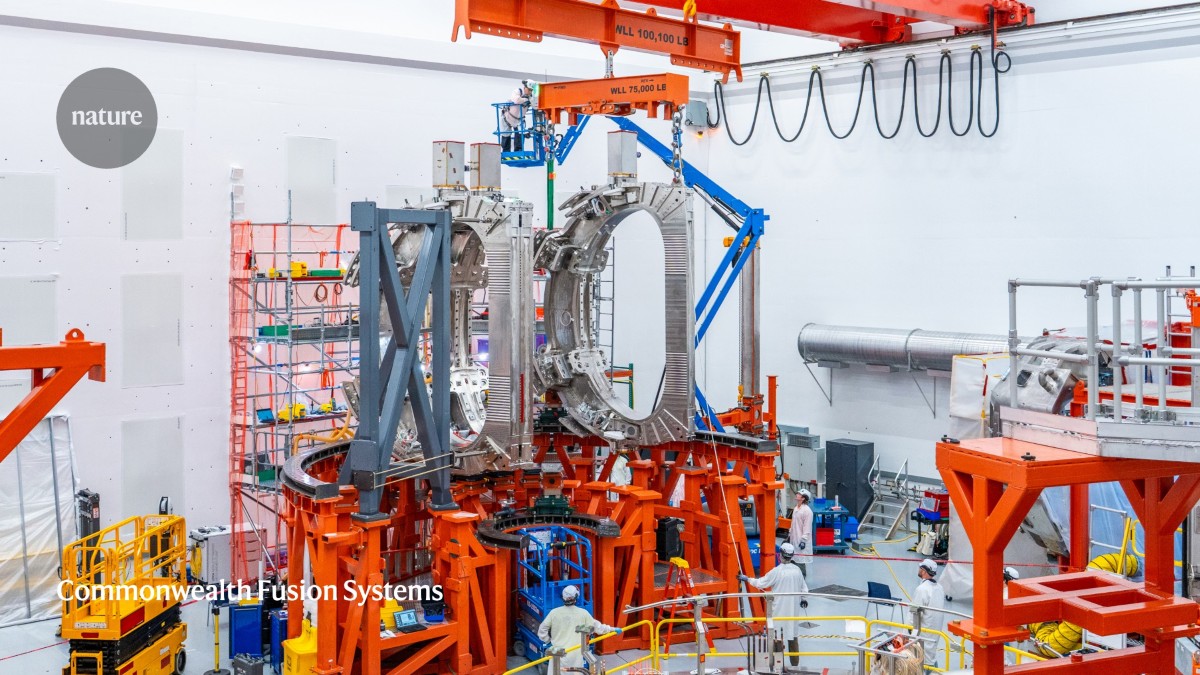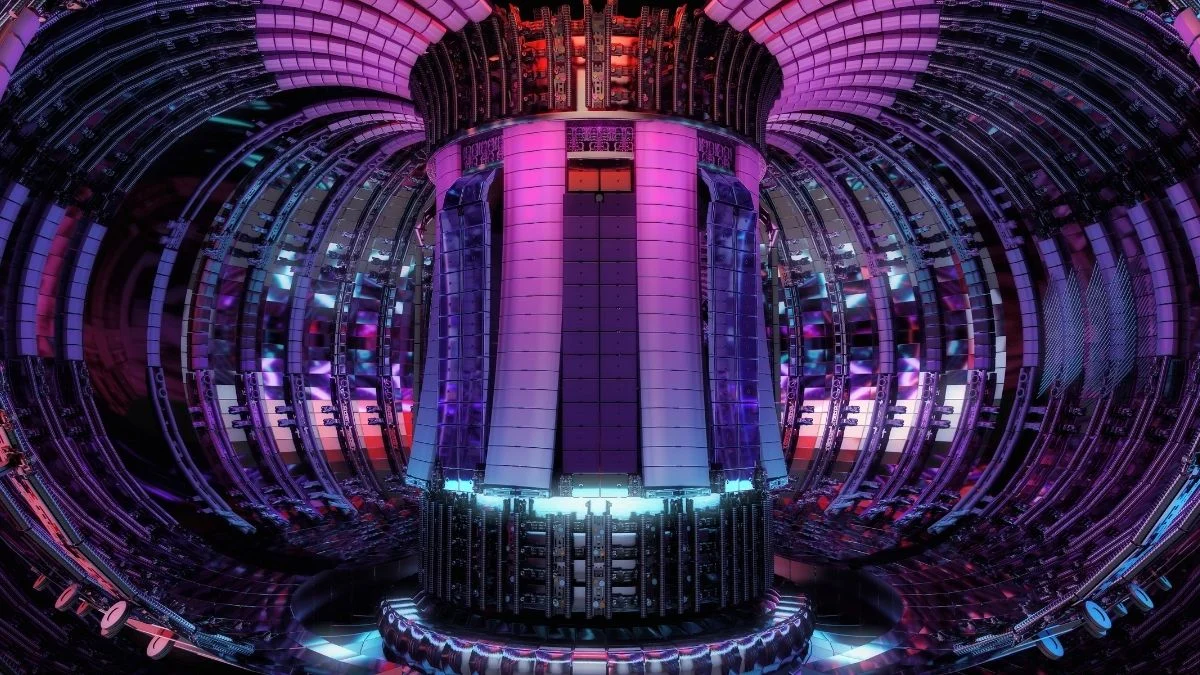
Fusion power aims to provide a revolutionary energy source, but achieving it remains perennially around the technological corner.Who knew that harnessing the same basic process that powers the Sun would be so tricky?Currently, many experimental fusion reactors are of the mouthwatering 'doughnut' shape, called a tokamak. Or, according to its Russian acronym etymology, a toroidal chamber and magnetic coil.In looser, more exciting terms, a tokamak is like a miniature star on Earth.
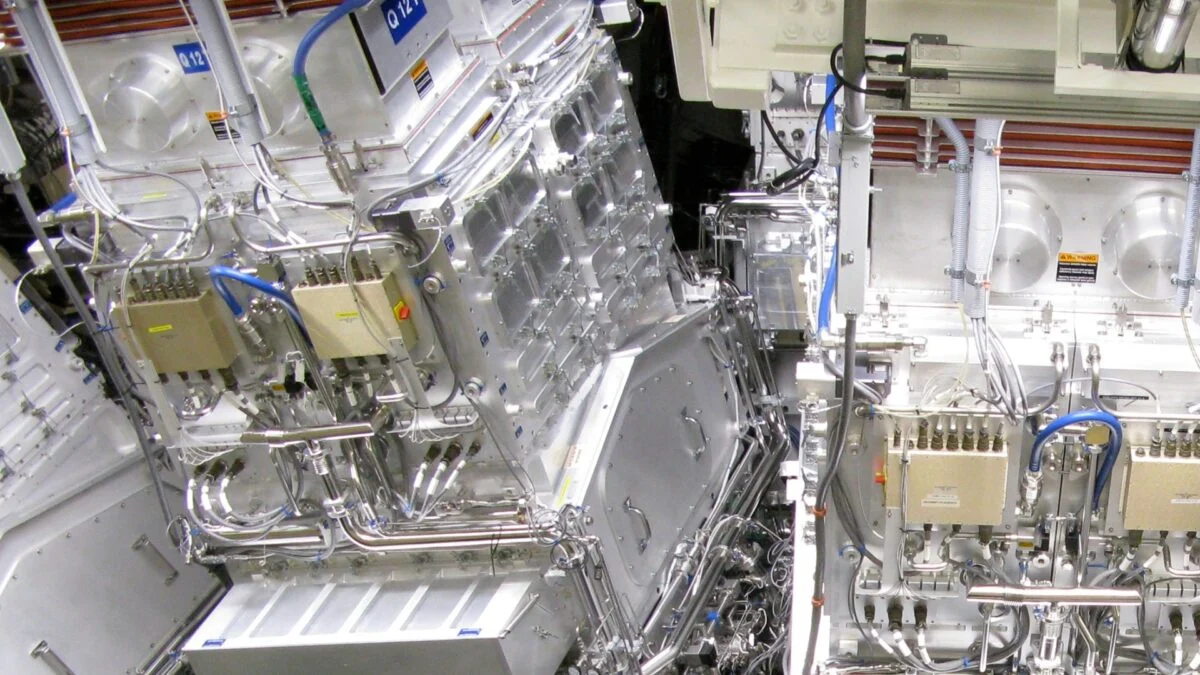
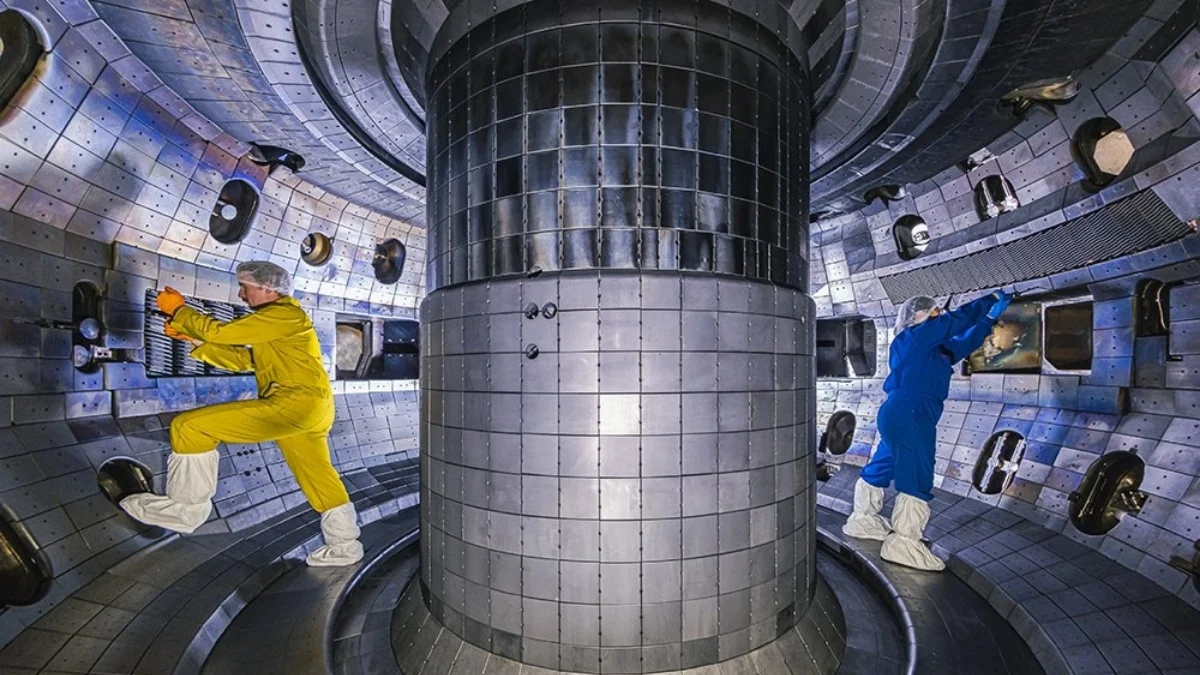
A tokamak uses intense magnetic fields to heat plasma to 150 million degrees Celsius (270 million degrees Fahrenheit), about ten times the temperature at the core of the Sun, causing heavy hydrogen isotopes to fuse and release immense energy. That's the goal, anyway, but it's fraught with difficulties. For example, one integral issue is the turbulence that forms in this astronomically hot plasma, causing it to lose heat.Or so it was thought, but the relationship between instability and turbulence is turning out to be more complicated, which may flip this supposition on its doughnut-shaped head. A worker within the DIII-D tokamak. (Rswilcox/Wikimedia Commons/CC BY-SA 4.0)In a paper recently published in Physical Review Letters, researchers used North America's largest operating tokamak, the DIII-D National Fusion Facility in San Diego, California, to provide the first experimental evidence that a type of plasma instability may actually improve the performance of fusion reactors.Specifically, the researchers provided evidence that electric currents driven by Alfvén eigenmodes (AEs), or plasma waves, facilitate a self-regulating effect that stops turbulence in its tracks. AEs have generally been considered a hindrance to fusion performance because they can degrade the containment of energetic particles.