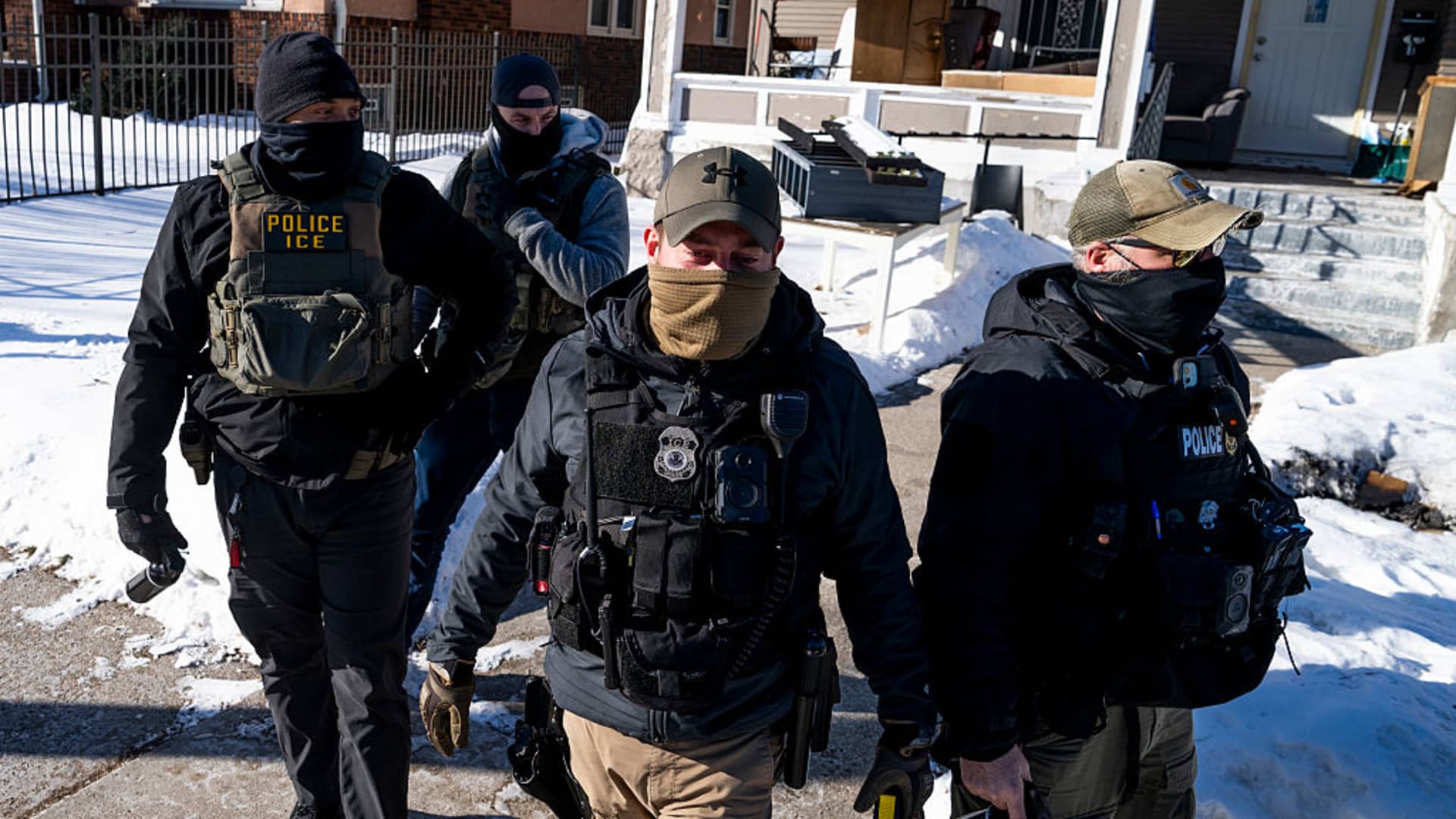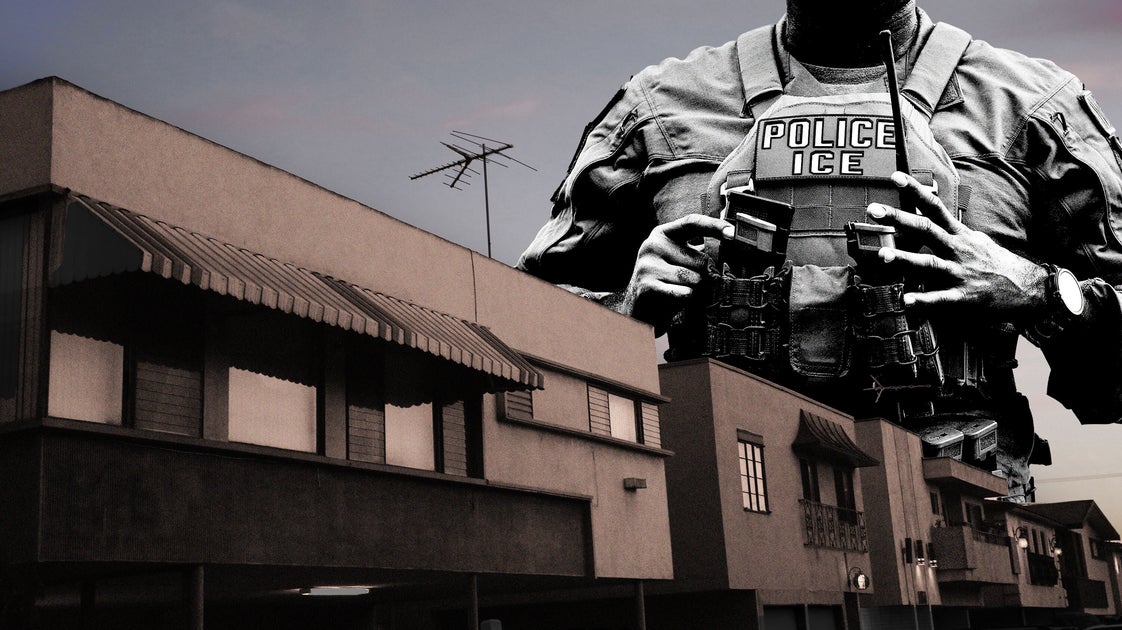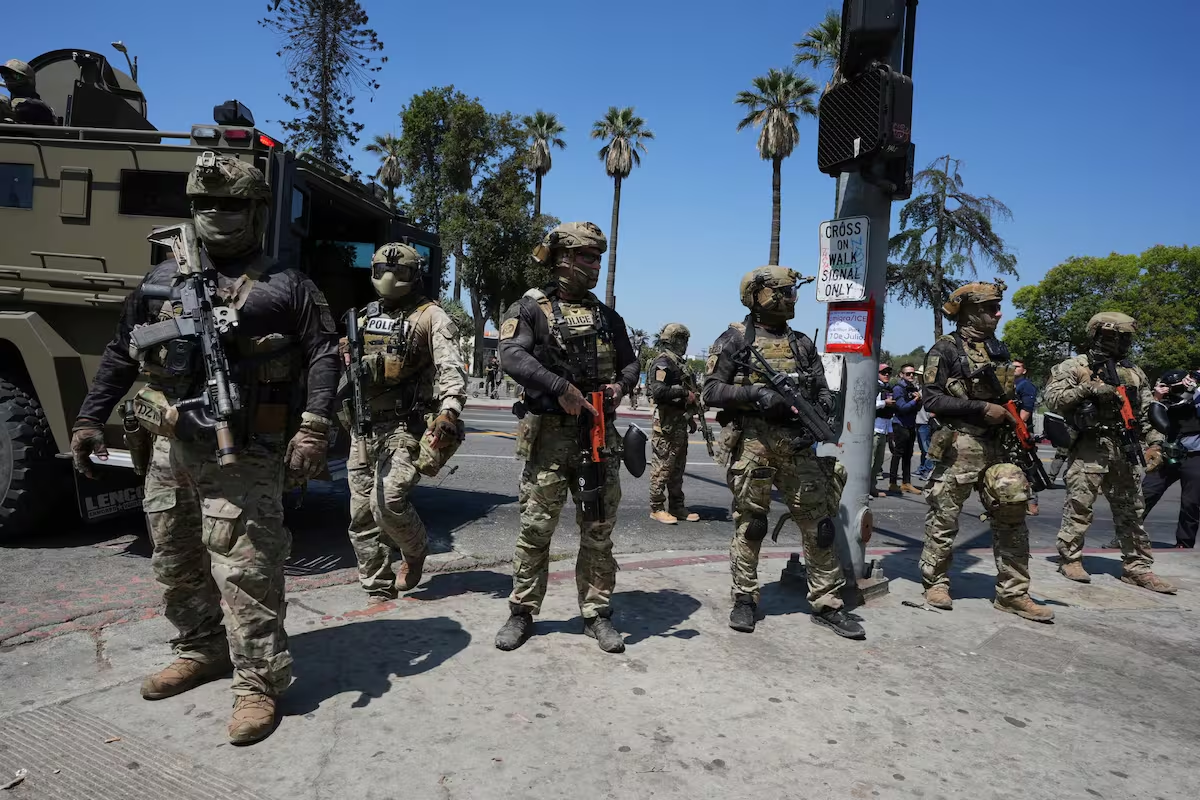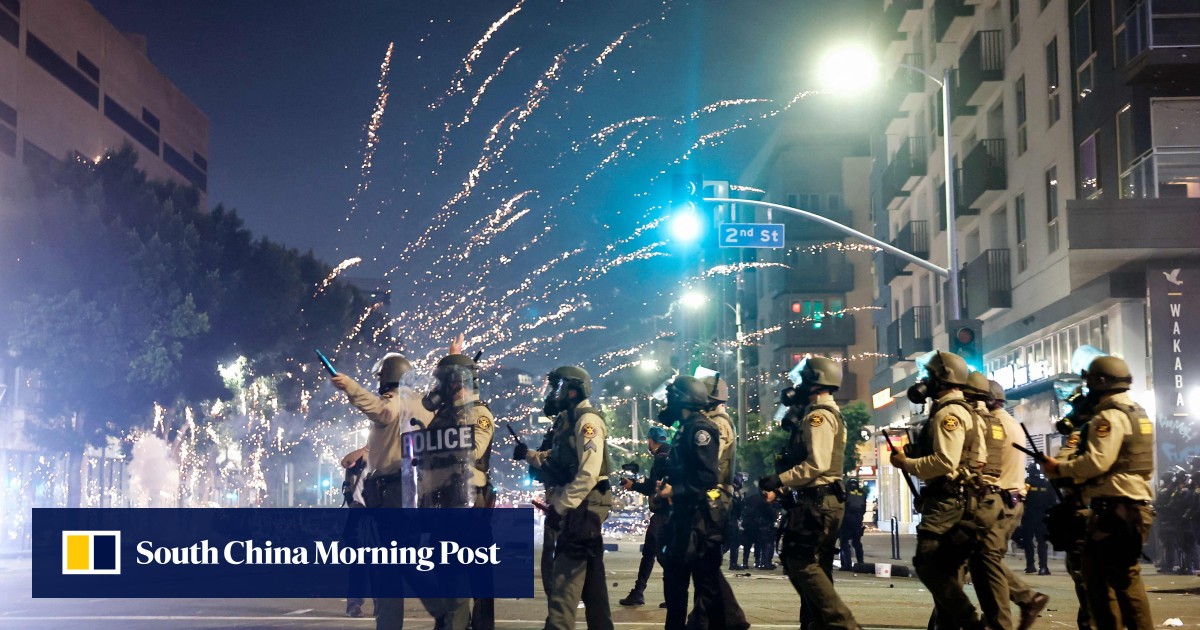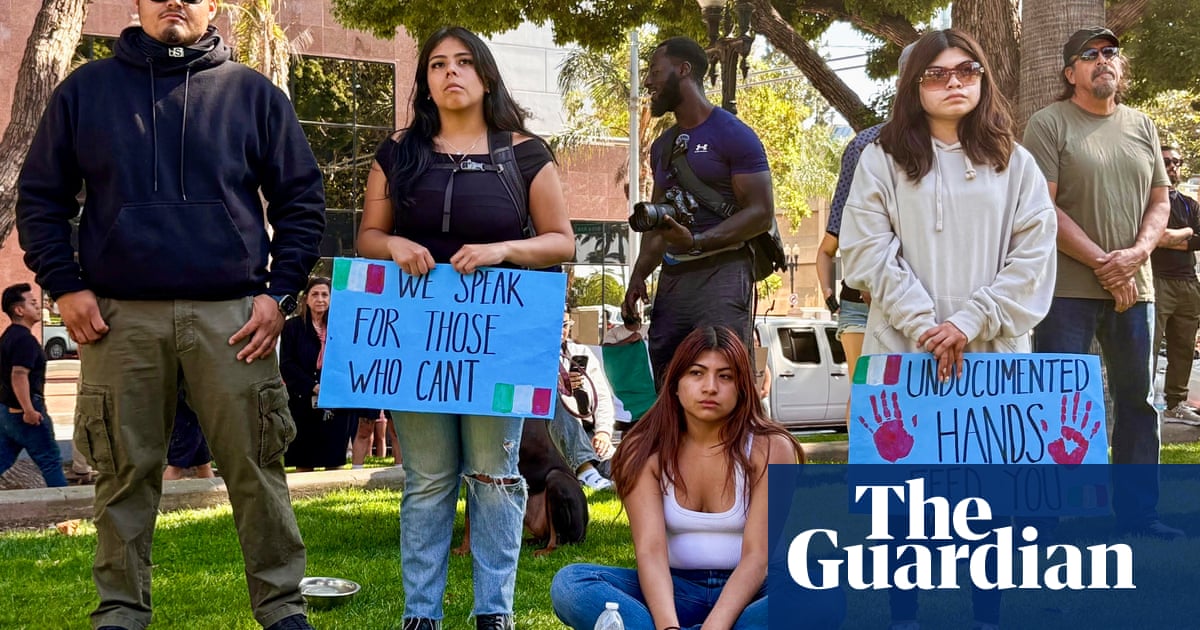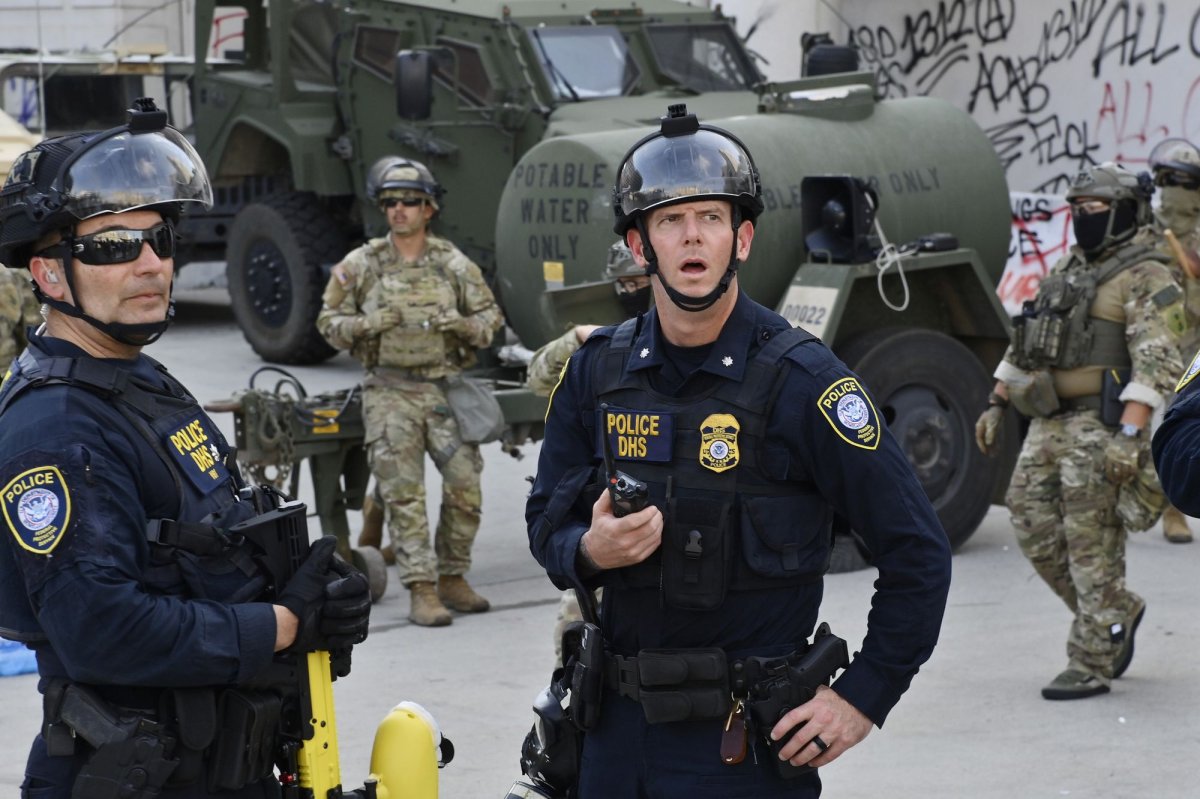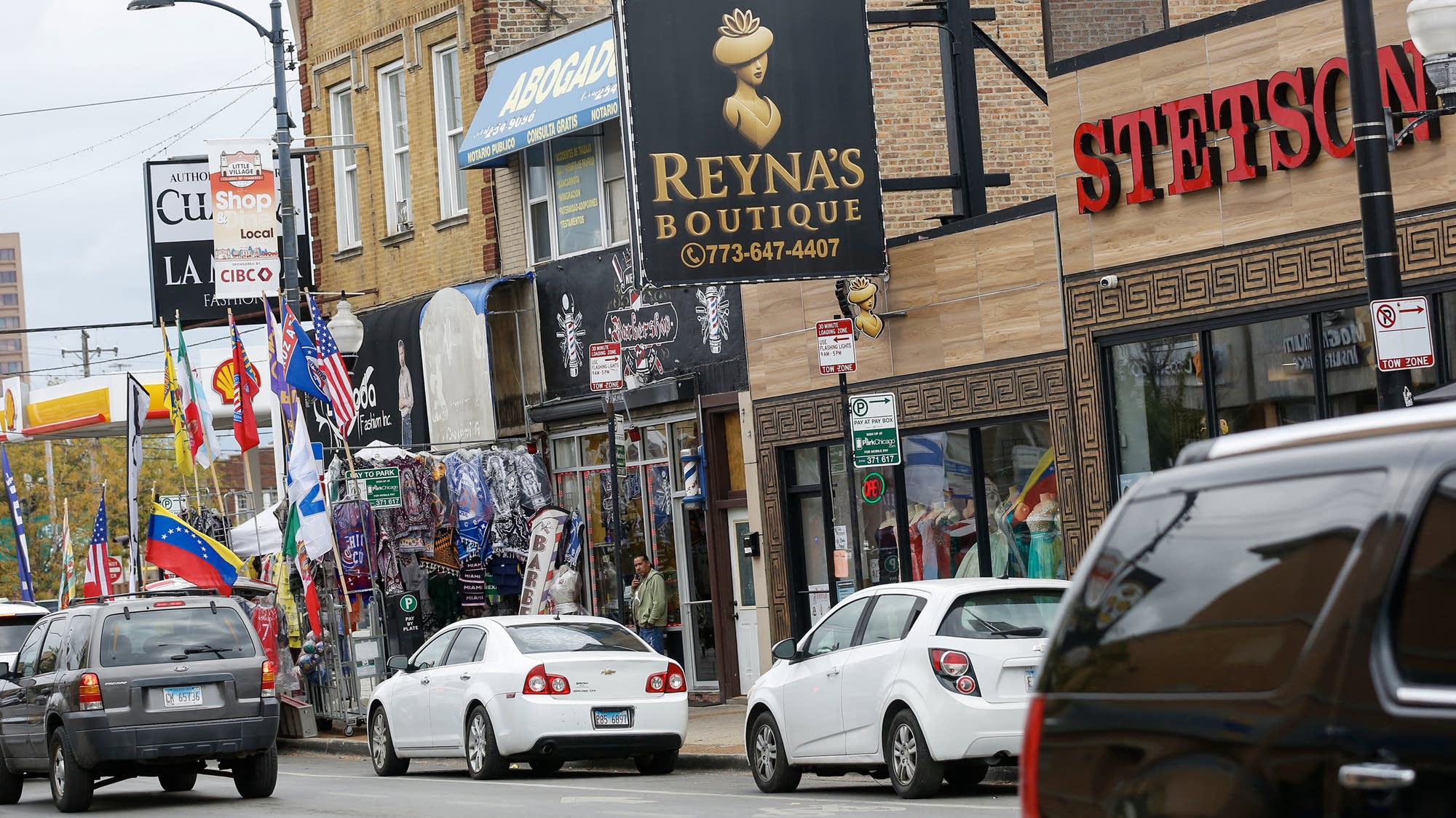
For three decades, Juan has run a tire shop in Houston’s East End, a historic Latino neighborhood. He’s never seen business this bad. “This is the worst crisis I’ve seen in my time living in this country,” Juan said in Spanish. Marketplace is using his first name only; Juan said he’s afraid immigration enforcement might target his business. “I’ve seen other recessions but not to the extreme like it is now,” he said. Rent and utilities are getting higher. But immigration policy has slowed foot traffic and demand for tires. “Now, when people get home from work they lock themselves in their houses and don’t go out,” he said. People in his community are driving less, he said, to avoid getting pulled over. That’s been happening since President Donald Trump took office in 2024. But more recently, a fatal shooting by ICE of a local community member stopped business in its tracks. Lorenzo Salgado Araujo was killed near Juan’s tire shop earlier this summer. Juan said people are scared. A community tribute to Lorenzo Salgado Araujo, who was killed by an ICE officer in Houston's East End. Since his death, nearby businesses have reported a decline in foot traffic. Elizabeth Trovall/Marketplace“There's uncertainty because they don’t know from one moment to the next if another tragedy could happen,” he said. He’s offered discounts to bring back customers, but it’s tough. He said he’s worried he may have to close his shop. It’s hard to imagine business bouncing back as long as the Trump administration is in control of immigration policy.Juan is still dealing with the immediate effects of immigration enforcement, but across the country, Latino business owners say those impacts can linger for months or even force them to close.In Chicago, small businesses are still recovering from ICE raids conducted last year that caused an immediate and sustained drop in sales revenue. “Key commercial corridors in the city turned into ghost towns almost overnight, and they've had that lasting effect,” said Hilda Alvarez, special projects manager with the Illinois Hispanic Chamber of Commerce. “Most of the businesses we had talked to were behind in rent payments for months and inventory bills, trying to work something out with their utility companies.”Latino business owners said the economic impact of raids felt worse than the COVID-19 pandemic.“Because at least during COVID there was a general effort to re-stimulate the economy afterwards,” Alvarez said. To help ease the burden of ICE activity, IHCC is giving out 52 grants of $5,000 to affected businesses.More than a year after immigration raids hit Los Angeles, small businesses — like food trucks, restaurants, and retail shops — are still hurting, according to Amada Armenta, director of the University of California, Los Angeles’ Latino Policy and Politics Institute.“Small business owners have not recovered and are really struggling, and the struggles include things like fewer customers, but they also include things like people taking on really enormous debt to keep their doors open,” she said. Armenta’s recent research on the business impacts of ICE raids included interviews with 75 Latino entrepreneurs in LA County. Of those business owners, about 95% said they felt continued financial stress nearly a year after raids hit the area. She said there’s also been pressure on staffing. “Employees afraid to come to work, employers afraid about their ability to keep their employees safe and their customers safe, businesses changing their hours either out of fear or because there wasn't enough customer base to sustain longer hours,” Armenta said. In East LA, Ely Valdivia has sold candles and artsy products for four years at her shop, Earthy Corazon, including Selena artwork, mystical lotería decks, and virgencita statues made out of crystals. She said the neighborhood was much different before the ICE raids started. “We would be able to walk outside and be in our neighborhoods, and not have to look twice about what that vehicle looks like,” Valdivia said. But last summer, foot traffic was super slow. And over the last year, Valdivia realized the business wasn’t sustainable. So she decided to close the store. She remembers how kind customers were that last month. “I remember a lot of them sharing that they never seen or experienced a place like this … it was definitely a really hard decision to make,” Valdivia said. “Although our physical doors are closed, I know the spirit of Earthy Corazon still lives on.”
Immigration enforcement leaves Latino businesses struggling for months
In Latino communities across LA, Houston, and Chicago, business owners say fear of immigration enforcement is keeping customers home and threatening their livelihoods.
732 words~3 min read