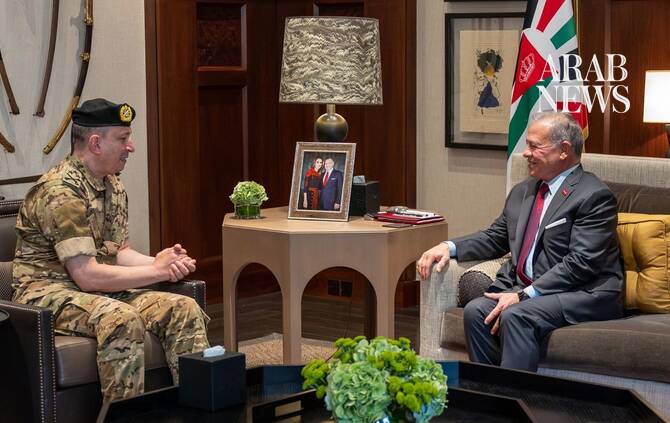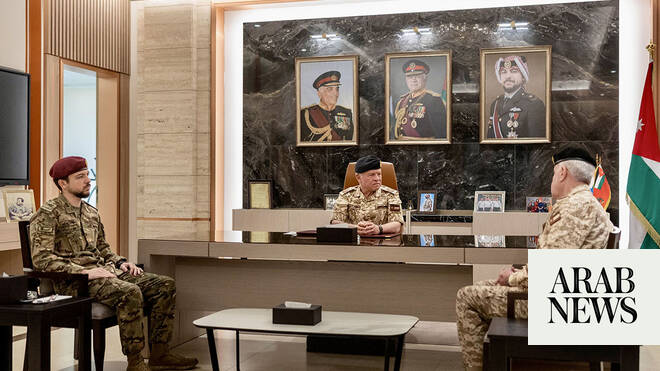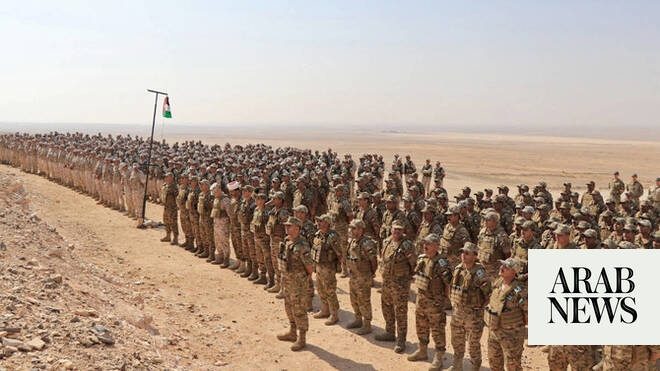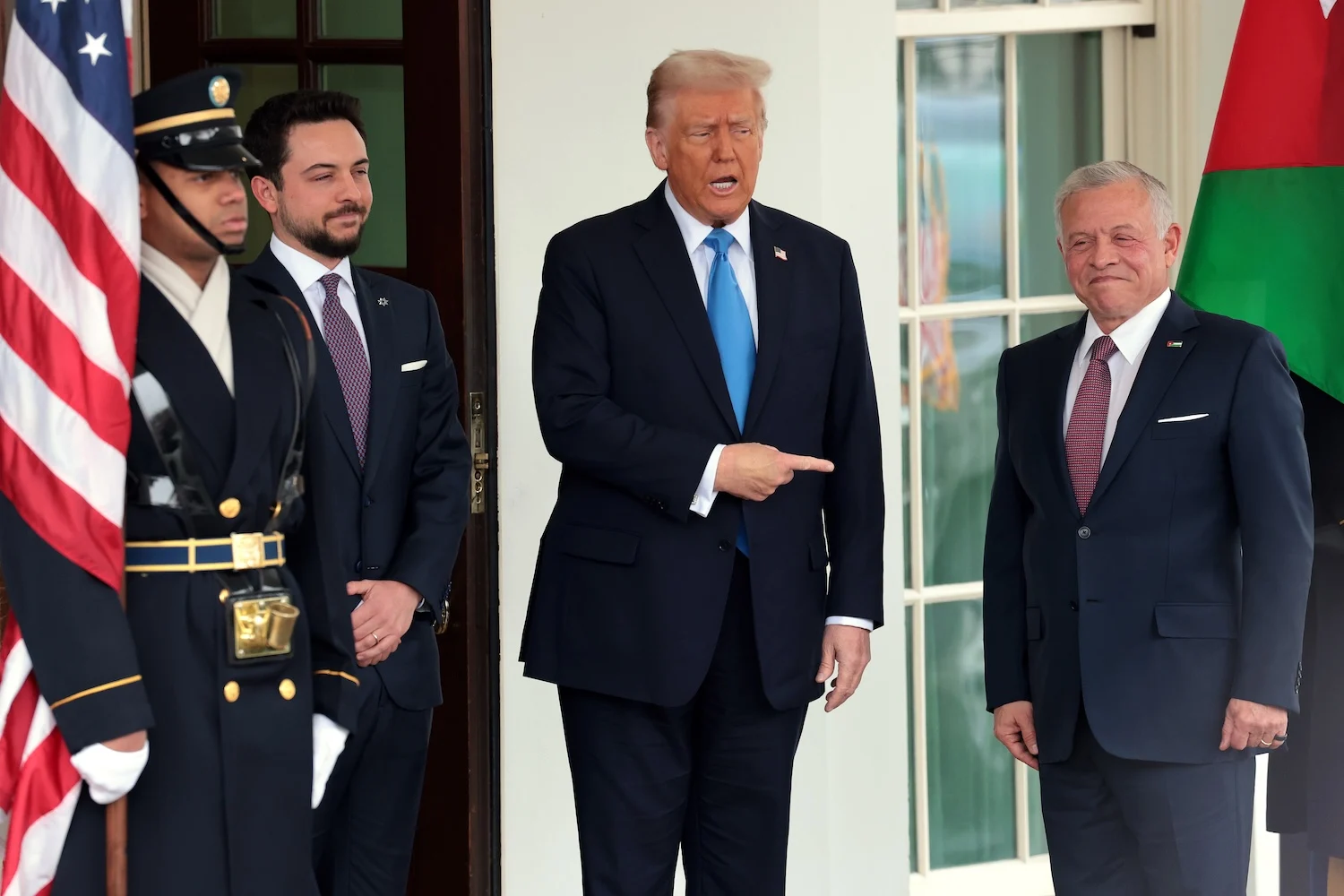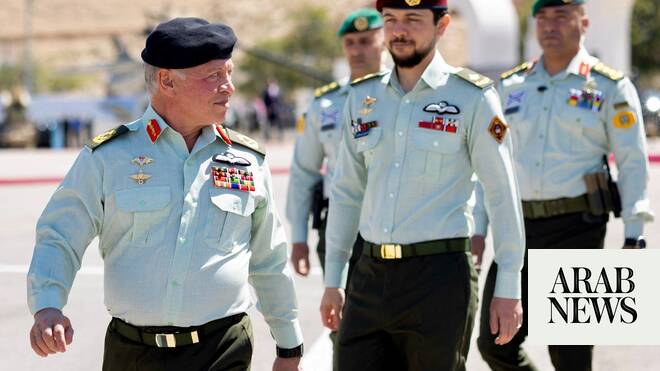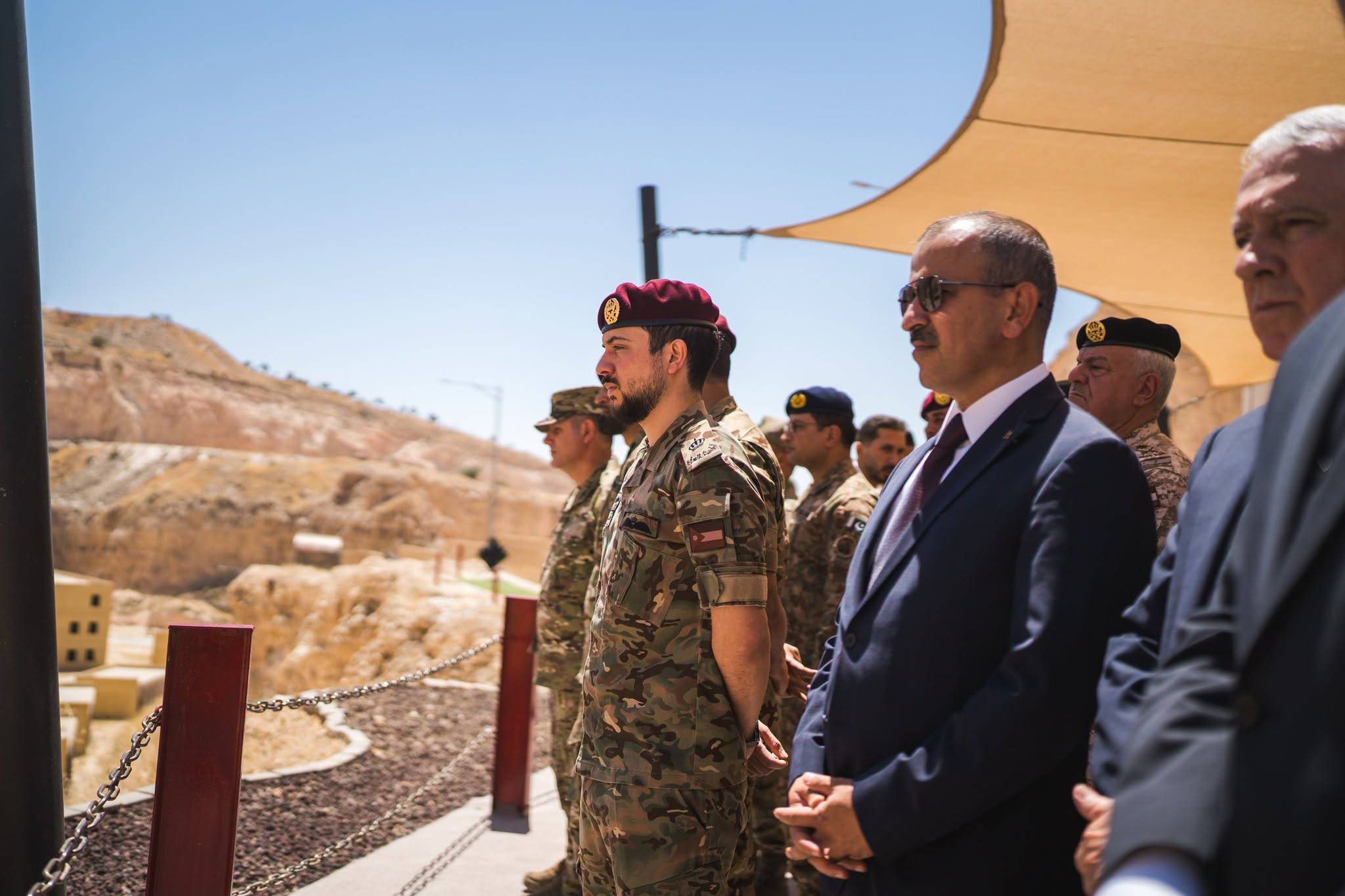
For decades, Jordan’s leaders have showcased the military’s importance to the national ethos. After joining the British military and deploying to West Germany, King Abdullah II enlisted in the Jordanian Armed Forces (JAF). He spent over fifteen years in uniform and later said that JAF service is an “honor to be proud of, a great responsibility, and a sacred national duty.” The king’s eldest son, Crown Prince Hussein, is also a JAF officer and was promoted to major in 2024 after serving as an infantry platoon commander. Last year, the heir apparent announced mandatory national conscription with the goal of a “stronger” Jordan that would be “self-reliant.” As a major non-NATO ally of the US, Amman regularly acquires advanced weapons to strengthen its military capabilities.
But now, as Jordan faces the most significant attack by a foreign government since Abdullah ascended the throne in 1999, its long-lauded military is playing a minor public role. Iran’s Islamic Revolutionary Guard Corps (IRGC) attacked Jordan with ballistic missiles overnight Sunday, an incident that has become all too common. The IRGC has fired hundreds of drones and ballistic missiles at the Hashemite Kingdom since February, including a July attack on an Azraq military base that killed three US soldiers. The IRGC attacks have weakened the kingdom’s vital tourism sector, and dozens of Jordanians have been injured by falling debris after interceptions. And yet, the JAF has not announced a single retaliatory strike against Iran.