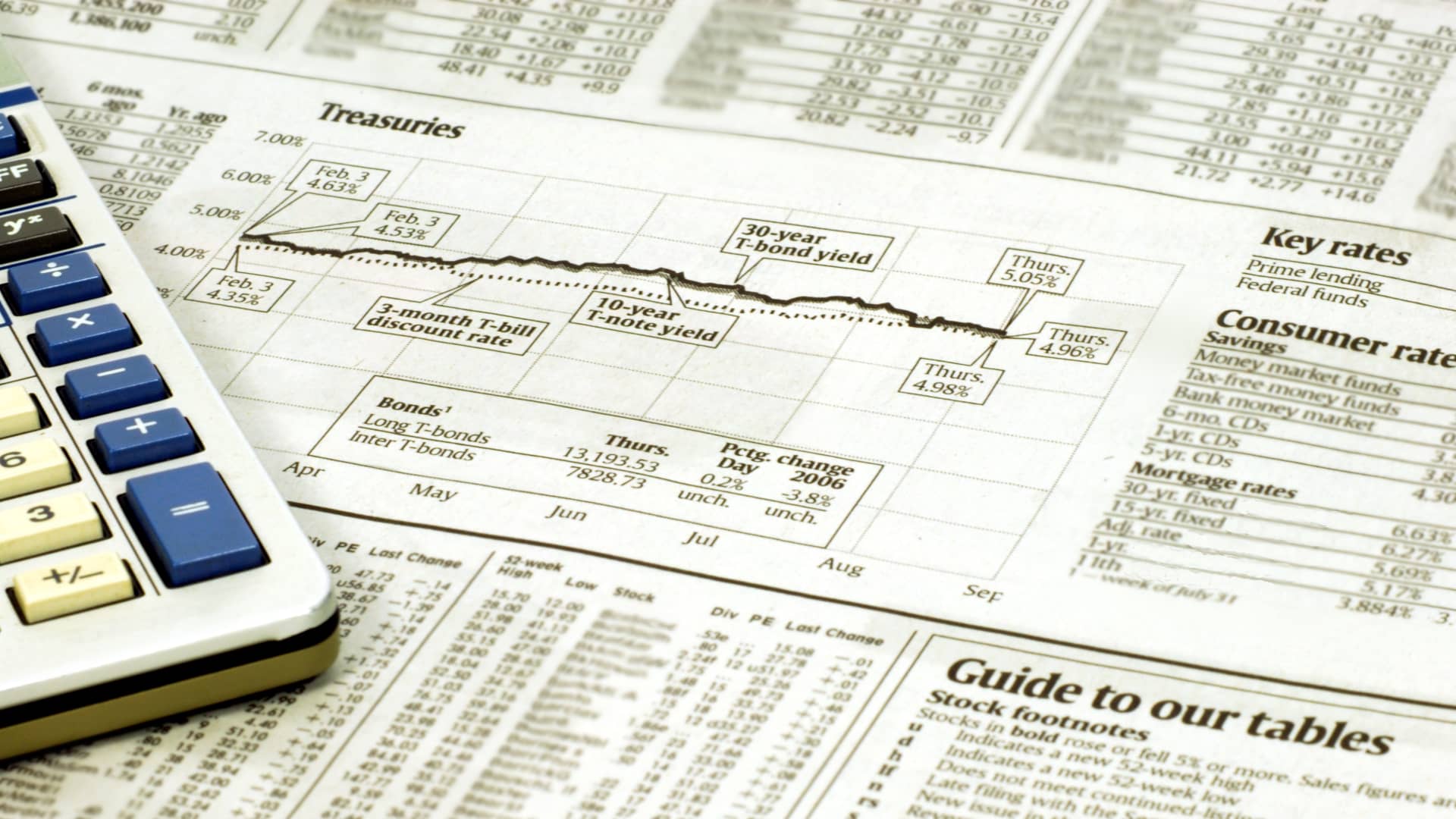
The 10-year US Treasury yield, the single most important number in global finance, is pressing against a wall that has bond traders reaching for their stress balls. Trading near 4.73% as of late August 2026, the benchmark rate is within spitting distance of its recent high at 4.7478% and creeping toward levels that could reshape borrowing costs for everyone from homebuyers to Fortune 500 CFOs.
On August 18, yields spiked to 4.75%, the highest reading since early 2025. The move higher has been relentless, and there’s growing concern that the next stops on the chart, 4.809% (the January 2025 peak) and the ominous 5.021% level from October 2023, are no longer theoretical destinations.
What’s driving yields higher
Federal Reserve Chair Kevin Warsh struck a decidedly hawkish tone at the Jackson Hole symposium, signaling a growing readiness to raise interest rates to combat inflation that refuses to cooperate. July’s core PCE reading, the Fed’s preferred inflation gauge, came in at 3.3% year-over-year. That’s well above the central bank’s 2% target, and the gap hasn’t been closing fast enough for policymakers’ comfort.
Geopolitics aren’t helping. The Iran conflict that erupted in late February 2026 has added a persistent risk premium to energy markets and, by extension, to inflation expectations. US Treasury yields fell below 4%, touching around 3.95% towards the end of February 2026 as geopolitical risks first emerged, before rising approximately 0.8 percentage points from that level.