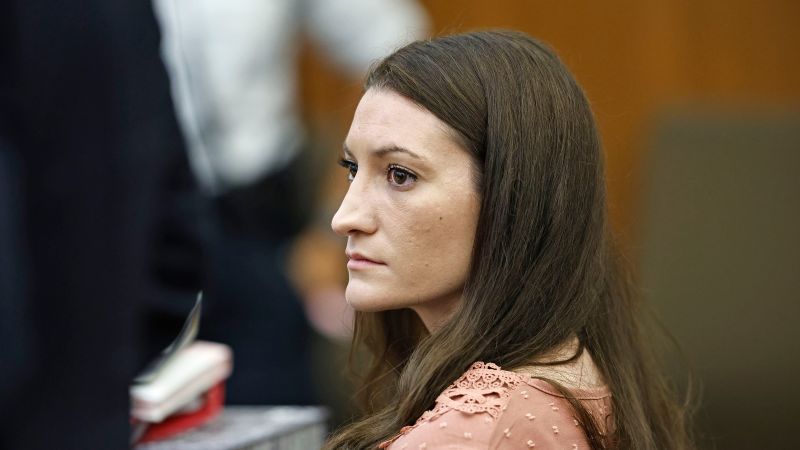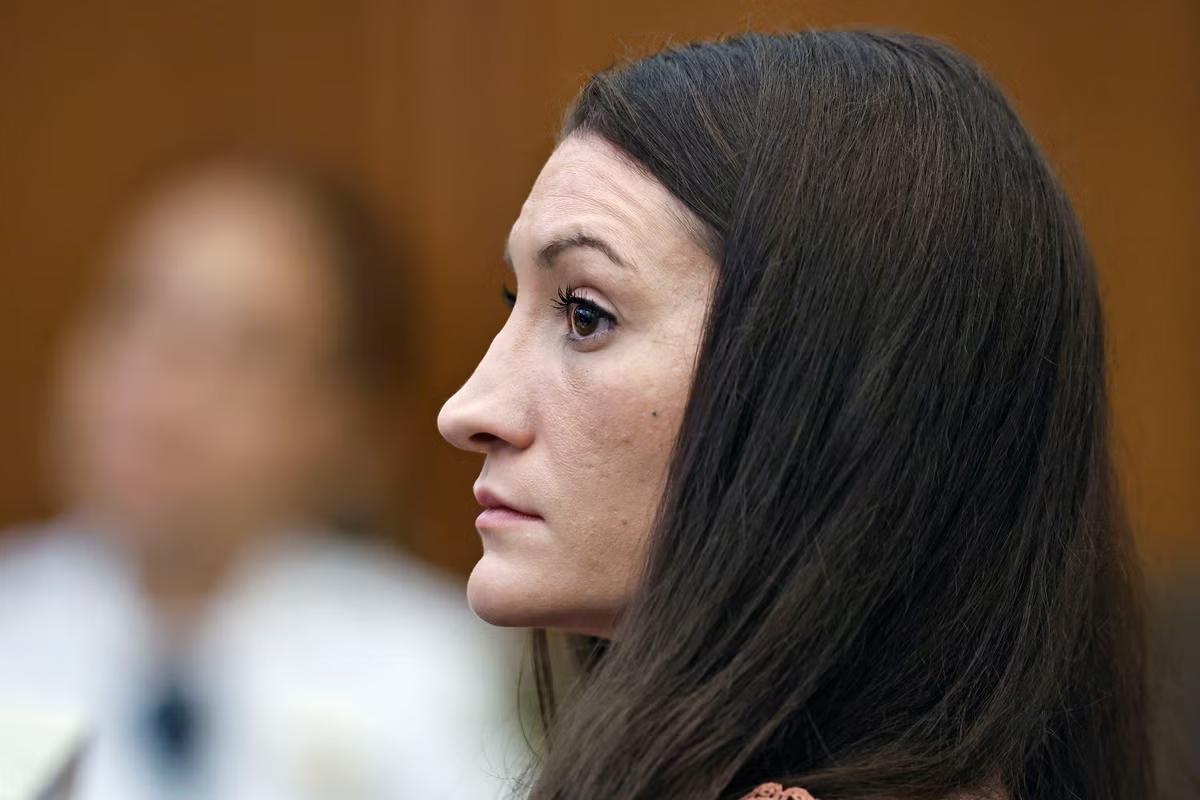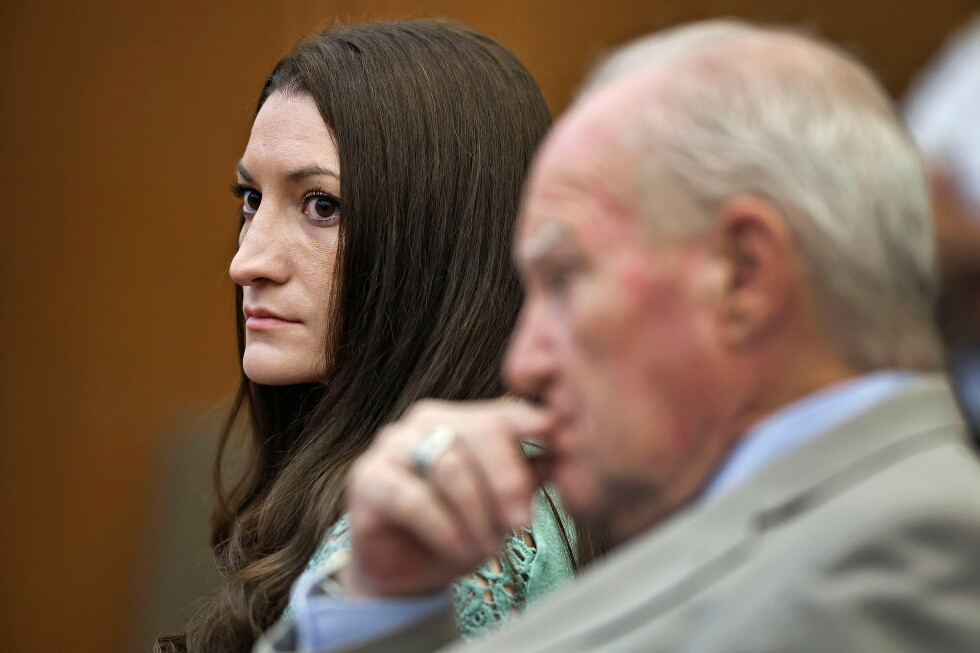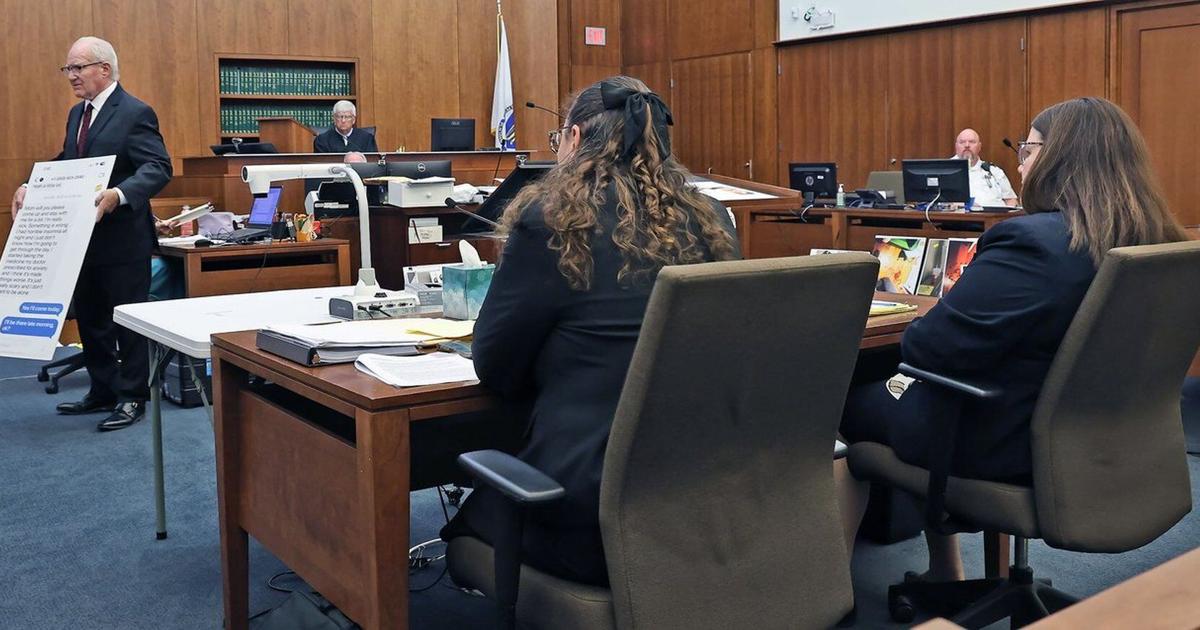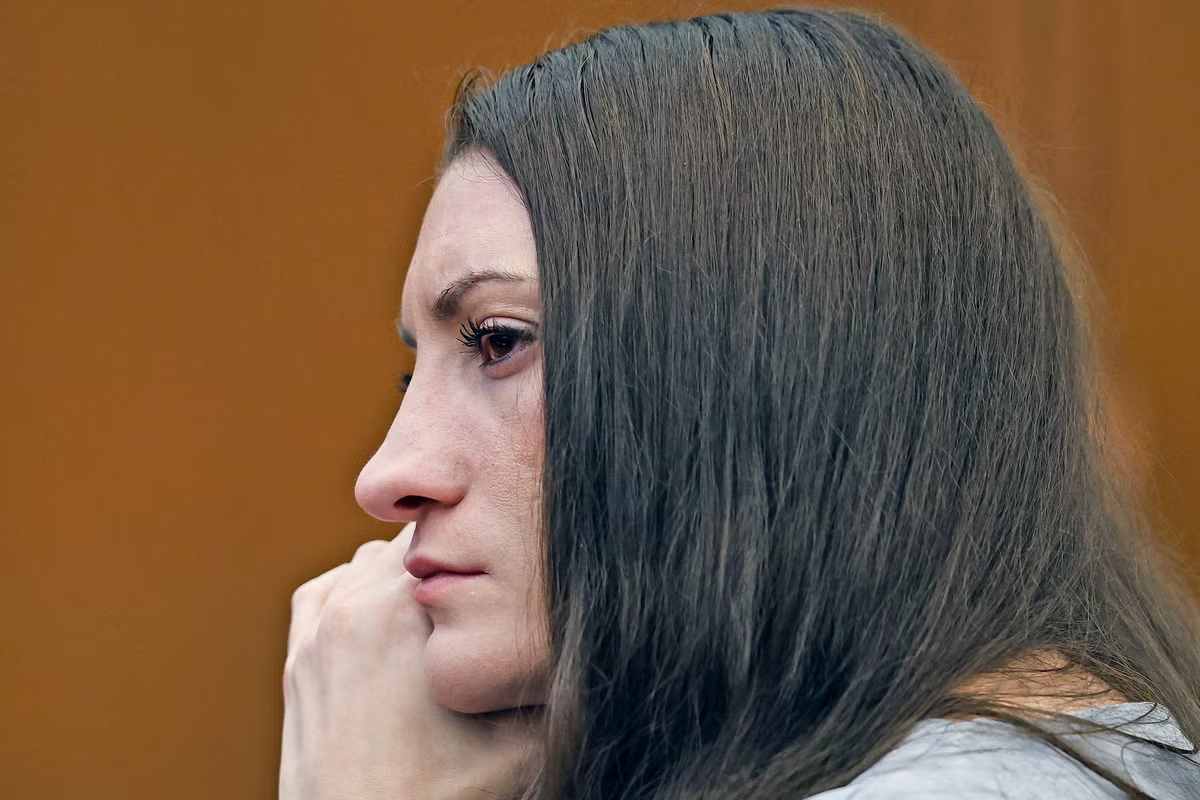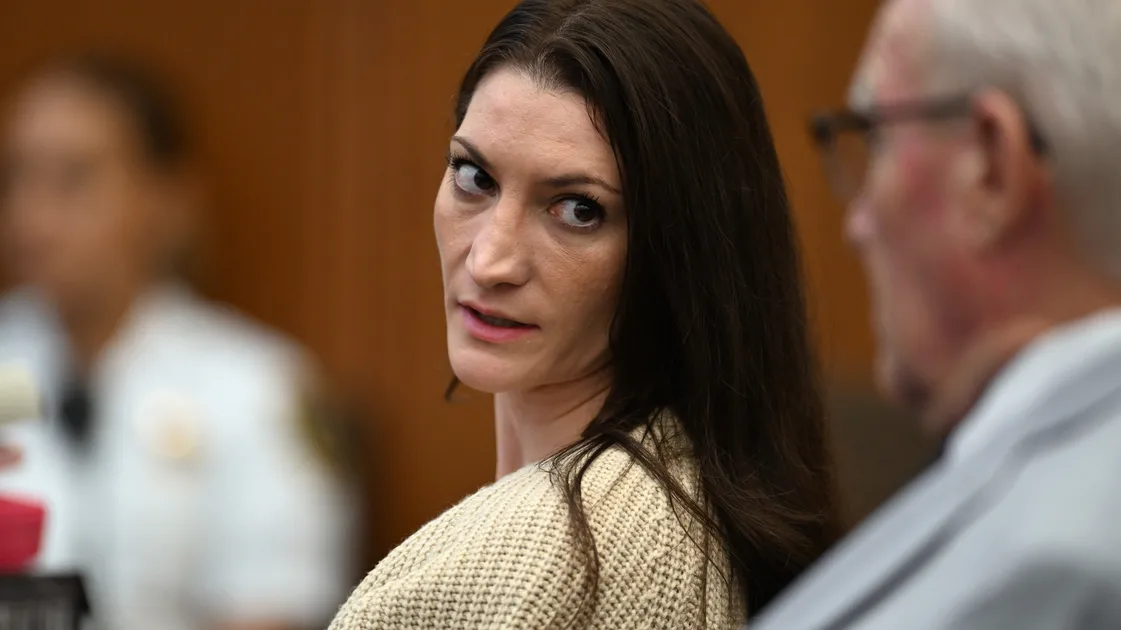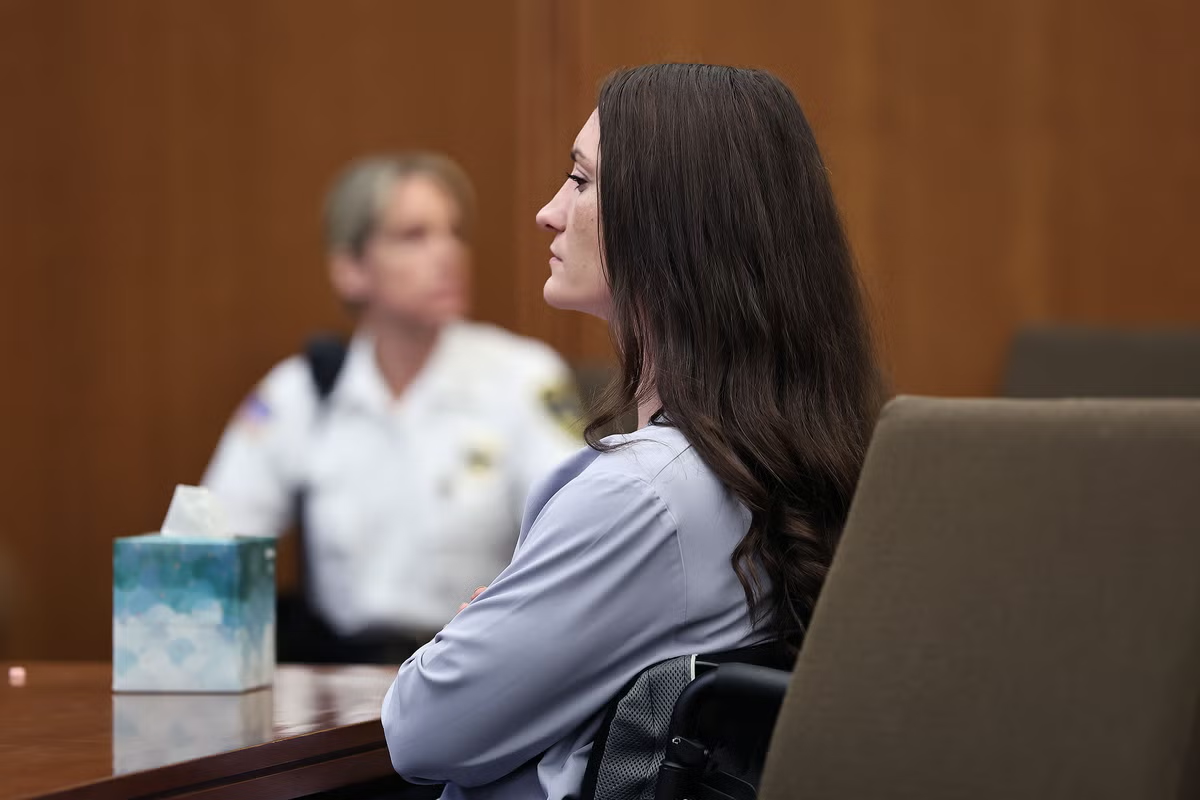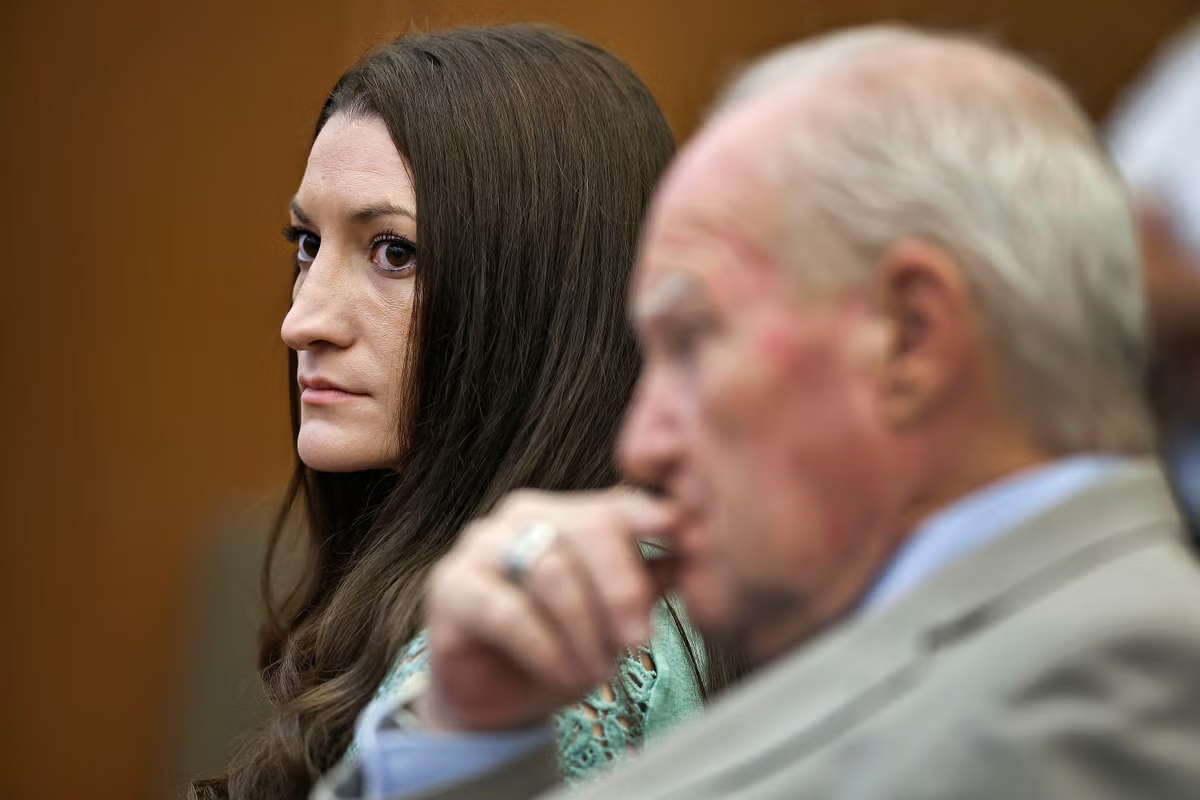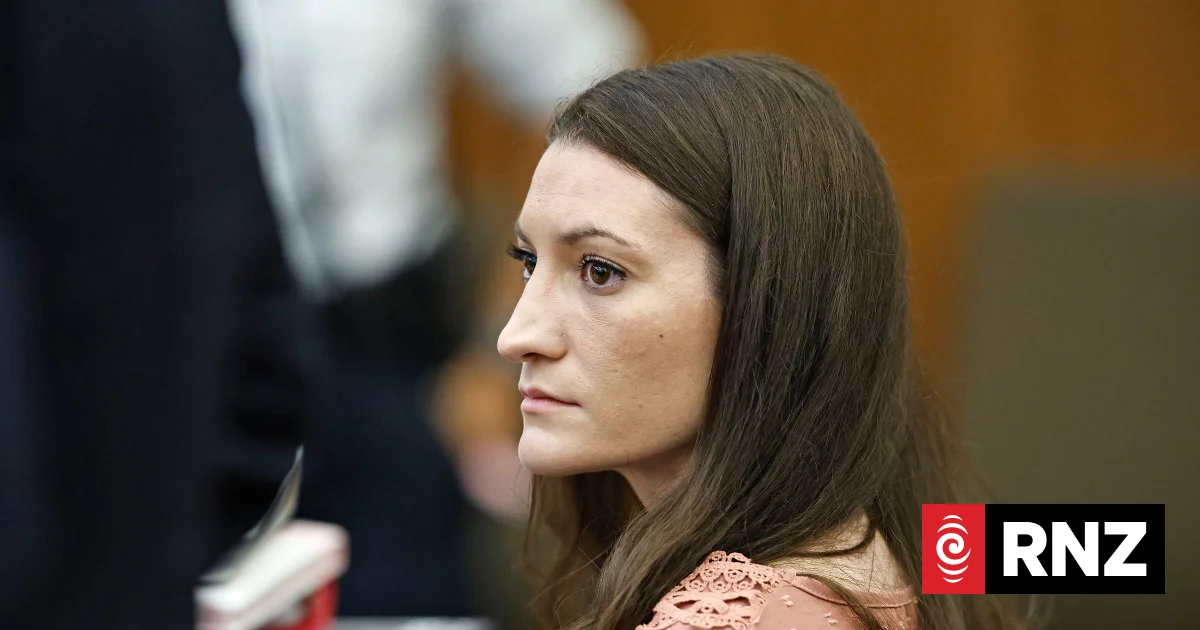
The Massachusetts jury in Lindsay Clancy's murder trial resumed deliberations Monday as they debated questions around reasonable doubt, criminal responsibility and mental illness.Clancy, a 36-year-old former labour and delivery nurse, has pleaded not guilty in the killings of her children Cora, 5, Dawson, 3, and Callan, 8 months.Both the prosecution and defence agree Clancy fatally strangled her children with exercise resistance bands on January 24, 2023. To secure a murder conviction, prosecutors have to prove beyond a reasonable doubt she intentionally caused their deaths and is "criminally responsible."Judge William Sullivan explained the legal meaning of criminal responsibility to the jury at the start of the trial:"A person is not criminally responsible for her conduct if she has a mental disease or defect, and as a result of that mental disease or defect, lacks the substantial capacity either to appreciate the criminality or the wrongfulness of her conduct or to conform her conduct to the requirements of the law."Under Massachusetts law, a "mental disease or defect" does not need to fit into a formal medical diagnosis. Both sides agree Clancy had postpartum mental health issues beginning in September 2022.Prosecutors have argued she still had the capacity to appreciate the wrongfulness of her actions and could follow the law. They pointed out she sent her husband out to run errands before killing the kids, and upon waking in a hospital, she asked for an attorney."I'm not saying she was happy about it. I'm saying, it was what she had to do to end her misery," prosecutor Jennifer Sprague said in closing arguments. "But it was a choice. It was a choice."However, the defence has argued she killed them during an episode of postpartum psychosis. They cited Clancy's declining mental health in the months beforehand and her statements afterward that she heard a persistent male voice commanding her to kill her children and herself."It was almost like she was a puppet and someone else was pulling the strings," Dr Phillip Resnick, a forensic psychiatrist, testified for the defence during the trial.The trial has put a renewed spotlight on maternal mental health and prompted a group of pink-wearing women to rally outside court in a show of support for and sympathy with Clancy.Five potential outcomes for juryThe jury is considering five potential verdicts: guilty of first-degree murder, guilty of second-degree murder, guilty of manslaughter charges, not guilty by lack of criminal responsibility and not guilty.First-degree murder means she killed the children with "deliberate premeditation" or with "extreme atrocity or cruelty," and is punishable by life in prison without parole. Second-degree murder has neither condition and is punishable by life in prison with the possibility of parole.Manslaughter means she intentionally acted with "wanton or reckless conduct" that resulted in her children's deaths and is punishable by up to 20 years in prison.If the jury finds prosecutors have not proven Clancy was criminally responsible, she would be found not guilty by lack of criminal responsibility. In that case, the court may begin the process of committing her to a mental health facility.Finally, the jury can consider a simple not guilty verdict if they determine the prosecution did not prove the case beyond a reasonable doubt.Per Massachusetts state law, when a person is found not guilty by lack of criminal responsibility, a court can commit them to a facility after holding a hearing and determining if they are mentally ill and if their release would create a likelihood of serious harm to themself or others. An initial commitment lasts six months, and later commitments last one year.There is no maximum number of re-commitments, and the patient could remain hospitalised for the rest of their life.Clancy, who is partially paralysed, has been held at Tewksbury Hospital since 2023. She continues to take several medications for her mental health issues and remains on the highest level of suicide precautions, according to testimony from psychologist Dr Kirk Heilbrun."What it says to me is she was at risk for suicide, (and) she remains at risk for suicide. She still is," he said.Where to get help:Need to Talk? Free call or text 1737 any time to speak to a trained counsellor, for any reasonLifeline: 0800 543 354 or text HELP to 4357Suicide Crisis Helpline: 0508 828 865 / 0508 TAUTOKO. This is a service for people who may be thinking about suicide, or those who are concerned about family or friendsDepression Helpline: 0800 111 757 or text 4202Samaritans: 0800 726 666Youthline: 0800 376 633 or text 234 or email talk@youthline.co.nzWhat's Up: 0800 WHATSUP / 0800 9428 787. This is free counselling for 5 to 19-year-oldsAsian Family Services: 0800 862 342 or text 832. Languages spoken: Mandarin, Cantonese, Korean, Vietnamese, Thai, Japanese, Hindi, and English.Victim Support 0800 842 846.Rural Support Trust Helpline: 0800 787 254Healthline: 0800 611 116Rainbow Youth: (09) 376 4155OUTLine: 0800 688 5463Aoake te Rā bereaved by suicide service: or call 0800 000 053If it is an emergency and you feel like you or someone else is at risk, call 111.Family ViolenceWomen's Refuge: 0800 733 843.It's Not OK 0800 456 450.Shine: 0508 744 633.Victim Support: 0800 842 846.HELP Call 24/7 (Auckland): 09 623 1700, (Wellington): 04 801 6655.The National Network of Family Violence Services NZ has information on specialist family violence agencies.- CNN
What the jury in Lindsay Clancy’s trial is deliberating
The Massachusetts jury in Lindsay Clancy's murder trial resumed deliberations Monday as they debated questions around reasonable doubt, criminal responsibility and mental illness.
872 words~4 min read