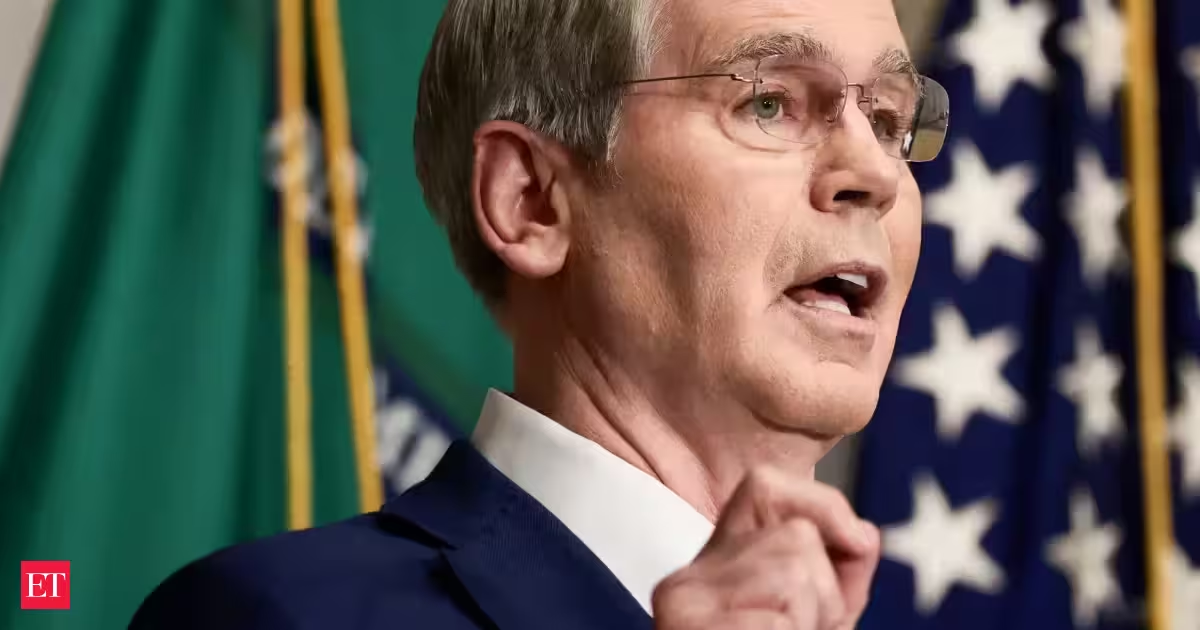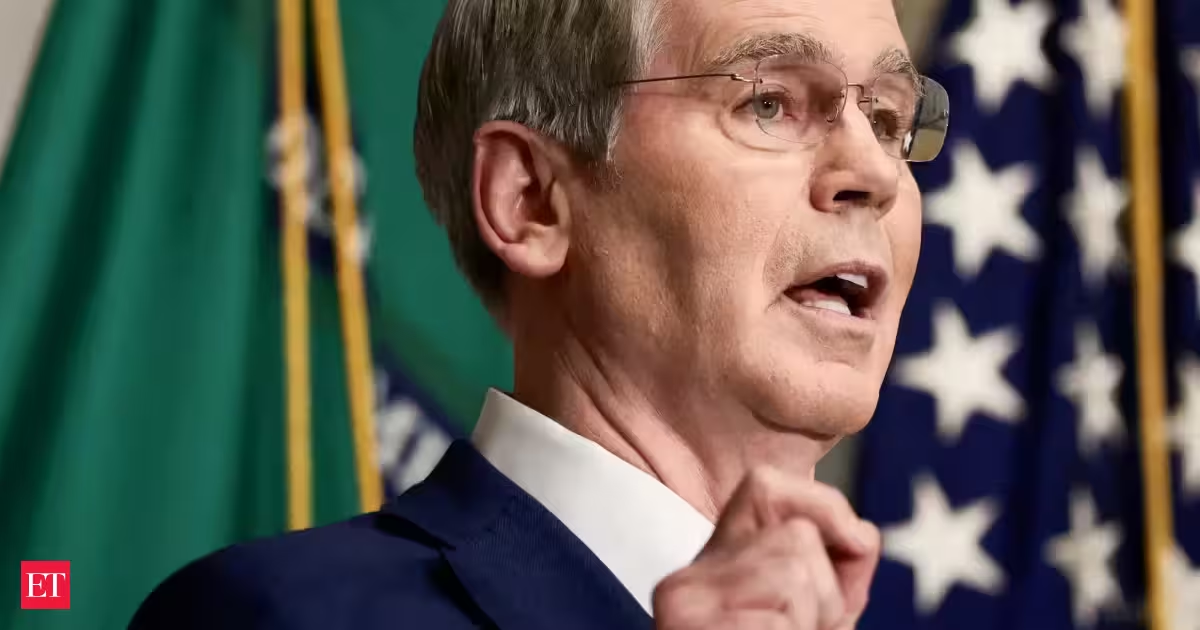
Treasury Secretary Scott Bessent arrived at the G20 Finance Ministers and Central Bank Governors meeting in Asheville, North Carolina with a clear message: the regulatory architecture built after the 2008 financial crisis has, over time, done more damage to small banks than it has protected them.
The meeting, held August 31 through September 1 under the U.S. G20 presidency, gave Bessent a global audience for an argument that has been building inside the current administration for months.
The shrinking small bank problem
Bessent’s central exhibit was a number that tends to get buried in broader financial policy debates: since 2010, the U.S. has lost more than 3,600 small and community banks. That figure represents roughly half of the total that existed before the post-crisis regulatory wave took hold.
The culprit, in Bessent’s telling, is the compliance burden that followed the Dodd-Frank Act. Large banks had the legal teams, the back-office infrastructure, and the capital reserves to absorb new requirements. Smaller institutions, the ones lending to the hardware store owner and the local contractor, largely did not.