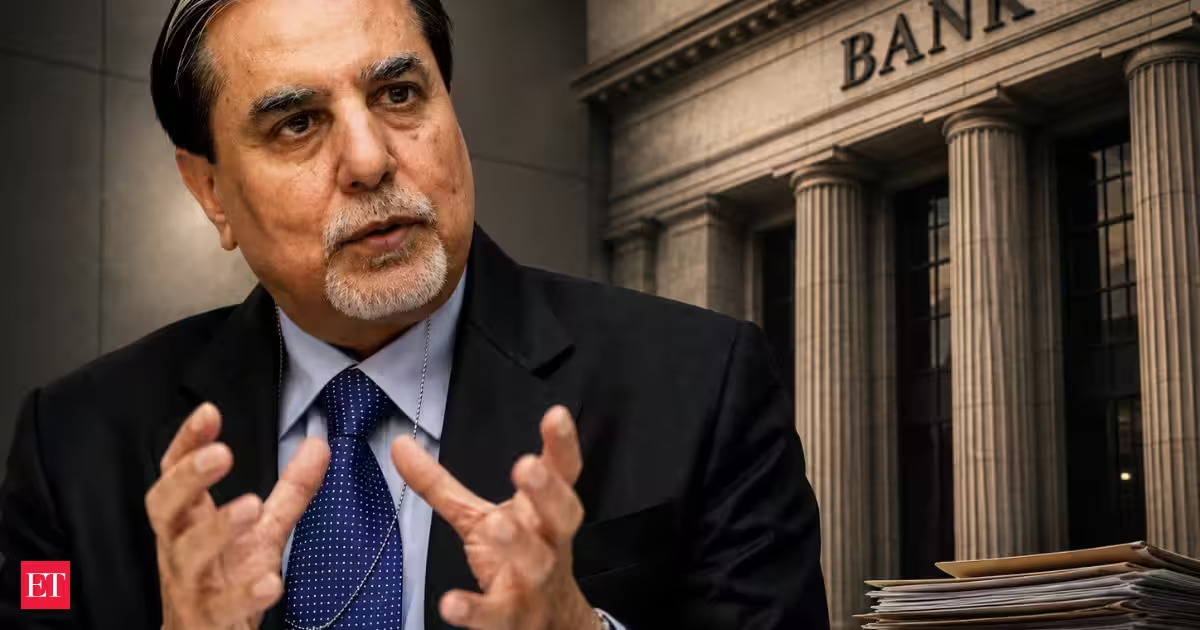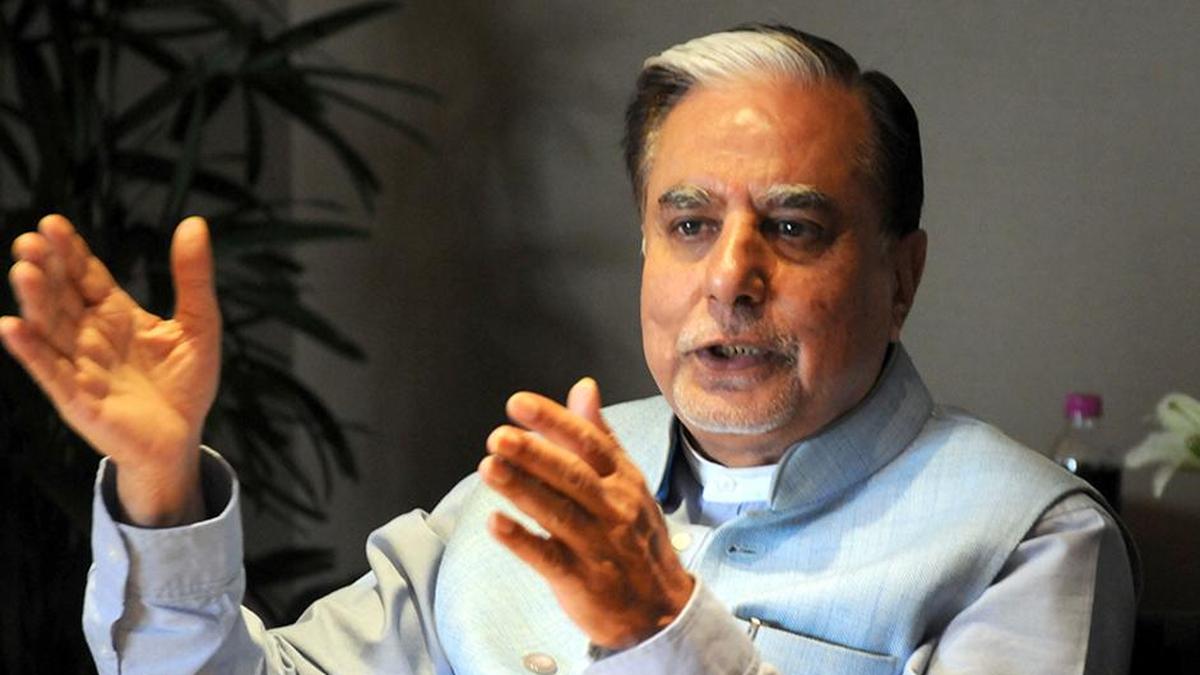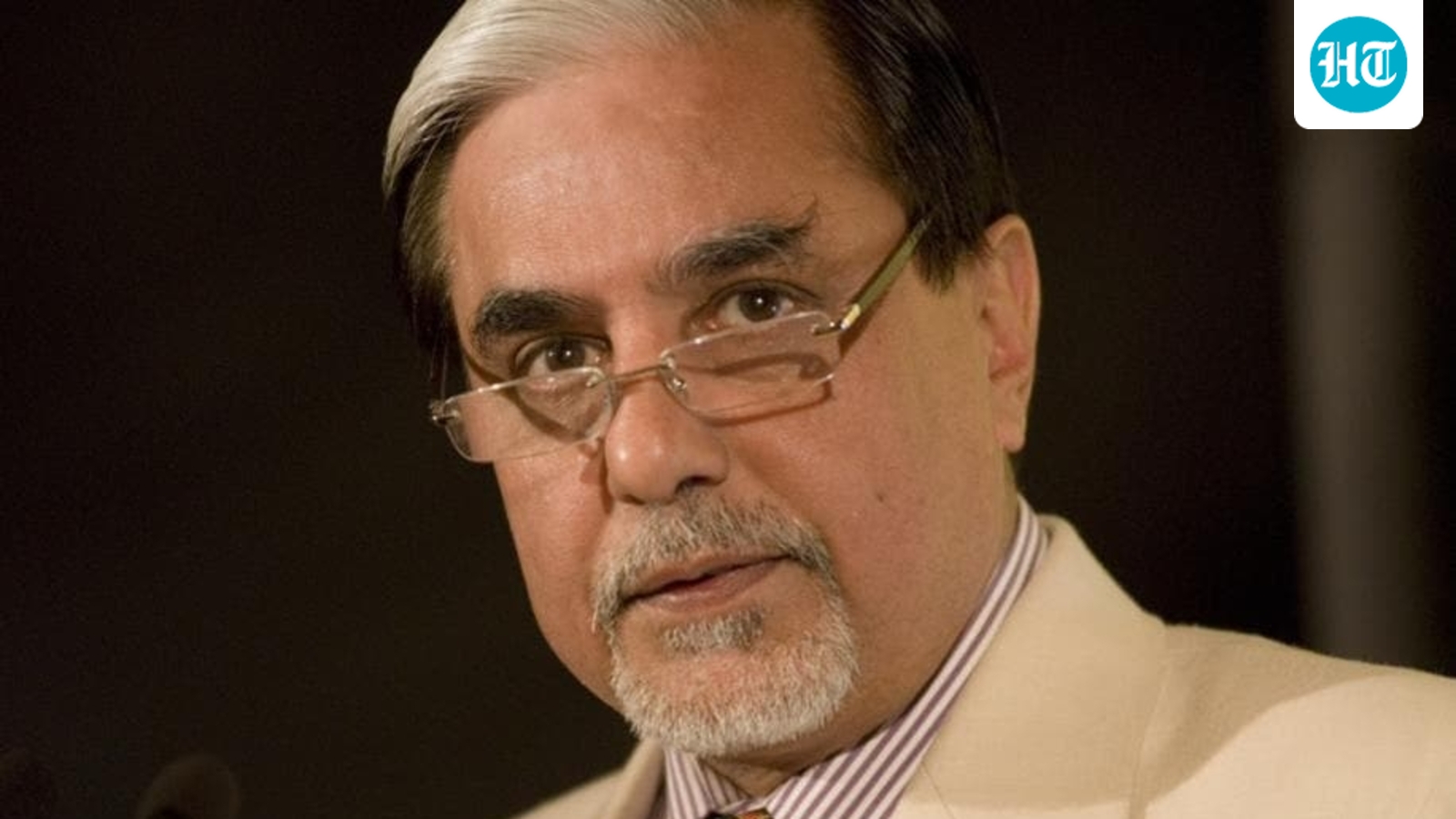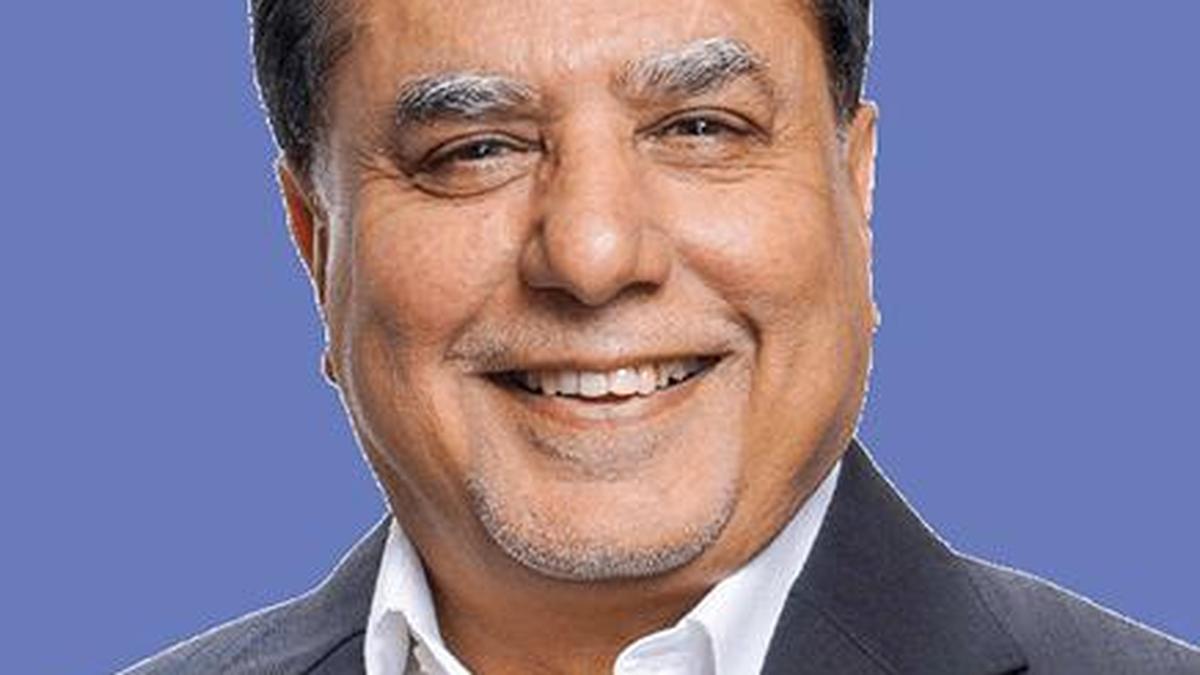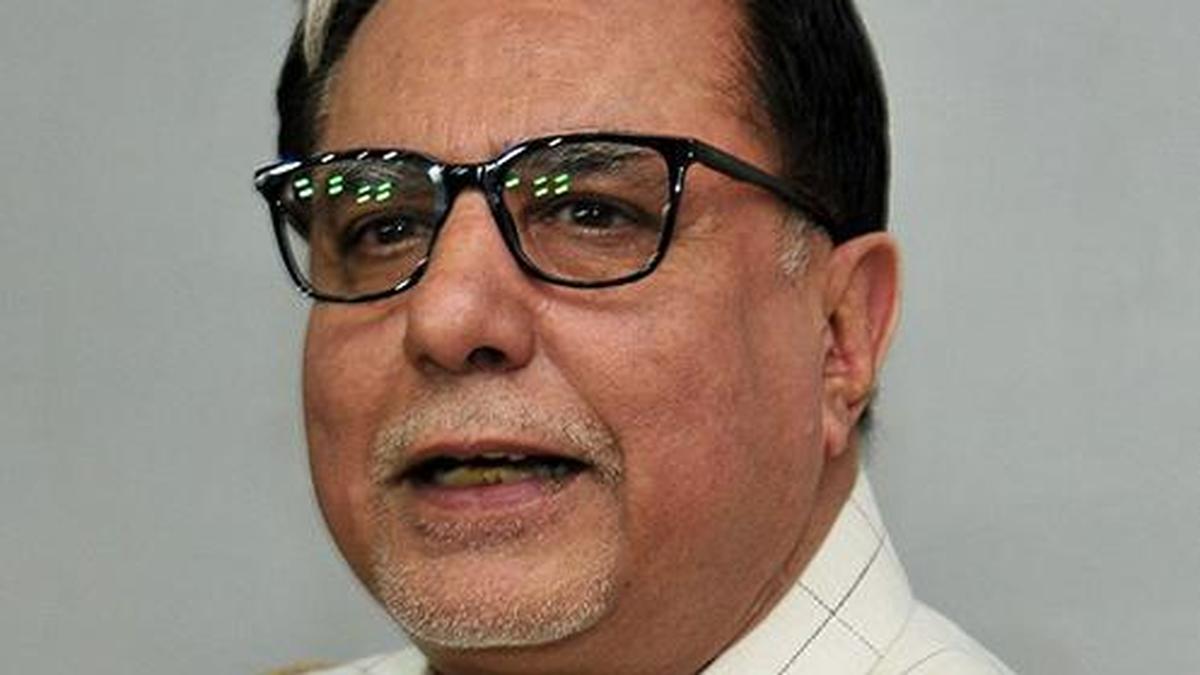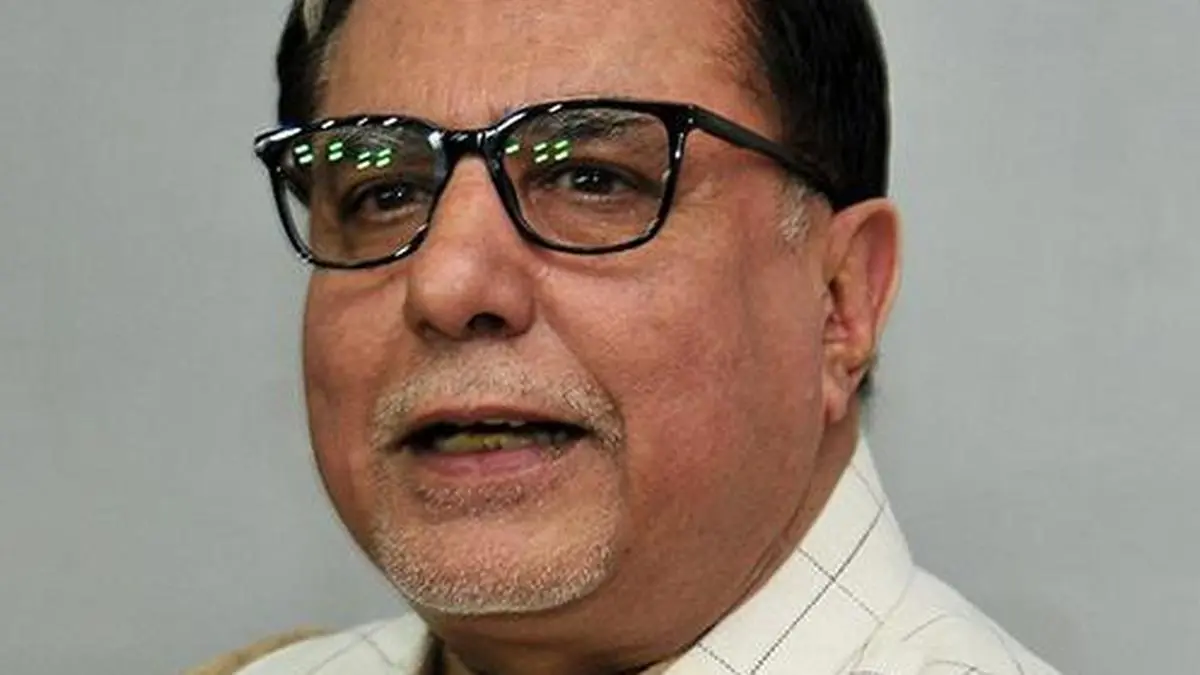
Zee Group Founder Subhash Chandra’s personal guarantee case has become one of the biggest insolvency cases in India yet, implementing a plan that reduced admitted claims worth ₹22,006 crore to a mere ₹6.5 crore.While the general public may assume underhanded manoeuvers, especially with affected banks crying foul, the repayment plan upheld by the National Company Law Tribunal (NCLT) was, in fact, approved by a list of creditors holding over 81 per cent of the voting share. More surprising was the fact that the NCLT, in its final order, held that an investigation into the voting process fell outside the scope of Part III of the Insolvency and Bankruptcy Code (IBC), which deals with personal insolvency. To understand why the final repayment of ₹6.5 crore withstands legal scrutiny, it is necessary to take a closer look at what transpired over the last four years.The insolvency case began in 2022 when Indiabulls Housing Finance (now Sammaan Capital) approached the court against Chandra in his capacity as a personal guarantor rather than the borrower, under the IBC. While the NCLT initially commenced the process, the Supreme Court placed the matter under an interim stay until 2024. By the time proceedings resumed, the case had already gone through two Resolution Professionals (RPs), who are responsible for conducting the insolvency process.The first RP, Raj Kamal Saraogi, was replaced by Shiv Nandan Sharma after concerns were raised that he had overstepped his role by acting as a consultant in the formulation of the repayment plan. It is worth noting that the provisions relating to personal insolvency were relatively nascent, leaving limited precedent and guidance for RPs apart from NCLT orders that broadly described their function as consultative. Sharma subsequently continued the process, culminating in a repayment plan that secured support from nearly 81 per cent of the entities included in the creditors’ list.What went wrong and why ₹6.5 crore?The repayment plan was derived from the assets that Chandra claimed were available after excluding certain properties and liabilities. With disclosed assets of about ₹31.79 crore, the plan earmarked roughly ₹6.25 crore for creditors and ₹25 lakh for process costs, with Chandra claiming he was offering all available realisable assets. Banks disputed the valuation and argued the figure understated his true repayment capacity, pointing to earlier net-worth certificates that valued his assets at over ₹40,000 crore and the absence of a forensic audit.When the matter came up before the Division Bench comprising Member (Judicial) Ashok Kumar Bhardwaj and Member (Technical) Reena Sinha Puri, Sharma’s conduct came under intense scrutiny.While Bhardwaj appeared generally inclined towards approval of the plan, Puri flagged what she described as serious violations by the RP. She argued that Sharma had unduly accelerated the process, admitted entities allegedly associated with Chandra into the creditors’ list, failed to conduct an independent inquiry, ignored repeated written objections from IDBI Trusteeship, Edelweiss, RBL Bank and HDFC Bank, and relied heavily on unverified assertions made by the debtor.HDFC Bank, in its application, alleged that five creditors listed in the process were linked to Chandra through associates, including Veena Investments, which is led by the media baron’s sister-in-law. According to the bank, if entities such as World Crest Advisors LLP (28.49 per cent voting share), Lemonade Capital Advisors, (16.85 per cent), Catalyst Trusteeship (11.85 per cent), Corpcall Capital Advisors (10.30 per cent), Direct Media Distribution Ventures (1.15 percent) and Veena Investments (4.99 per cent) were excluded from the voting process, the approval vote would fall well short of the mandatory 75 per cent threshold.Further, it should be noted that the repayment plan currently attracting widespread attention was itself contingent and speculative, as it described the repayment amount as merely “indicative” and dependent on the future sale price of shares. Taken together, these factors prompted Puri to favour rejection of the plan and recommend that creditors pursue bankruptcy proceedings instead.However, when the matter was referred to a third member, Member (Judicial) Nilesh Sharma, he concluded that there was insufficient evidence to establish that the claims of the disputed creditors were defective.“The objecting creditors have failed to establish that their claims were wrongly admitted, and their other allegations regarding the said creditors are unsupported by evidence,” the order stated..More strikingly, the NCLT held that while there may have been shortcomings in conducting forensic audits and independent inquiries, the provisions governing personal insolvency do not vest the resolution professional with the investigative powers necessary to undertake such exercises or to comprehensively examine Chandra’s financial affairs in this case.Despite acknowledging discrepancies in Chandra’s net-worth certificates, including figures of ₹45,888 crore submitted to RBL Bank in 2017 and ₹40,562 crore reported to Canara Bank in 2018, the third member ultimately approved the repayment plan.Battle aheadWith the matter now remitted to the original Division Bench, opposing creditors still have several legal options available. In his order, Sharma observed: “If any substantial asset is discovered after approval of the repayment plan and issuance of the discharge order, creditors may seek recall of the approval and discharge order.”He further clarified that it is a settled principle of law that orders obtained through fraud, deception or suppression of material facts are treated as nullities. Consequently, courts and tribunals retain the authority to recall such tainted orders.According to Megha Sharma, an advocate practising before the Delhi High Court, banks may also challenge the approval before the National Company Law Appellate Tribunal (NCLAT) on grounds including alleged irregularities in related-party voting.For now, HDFC Bank has stated that it is evaluating the option of filing an appeal before the NCLAT. Meanwhile, Union Bank of India (UK), Canara Bank and LIC Housing Finance have jointly announced their intention to challenge the order before the appellate tribunal.Meanwhile, Chandra has taken to social media, inviting questions from Gen Z audiences who may be unfamiliar with the insolvency dispute that began four years ago.Published on August 31, 2026
How Zee founder’s ₹6.5 crore repayment plan survived NCLT scrutiny
Explore how Zee founder Subhash Chandra's ₹6.5 crore repayment plan endured NCLT scrutiny amid claims and legal challenges.
972 words~4 min read