Home
New Articles
Creditors approved the proposal with an 80.8% vote despite admitted claims of over ₹22,000 crore
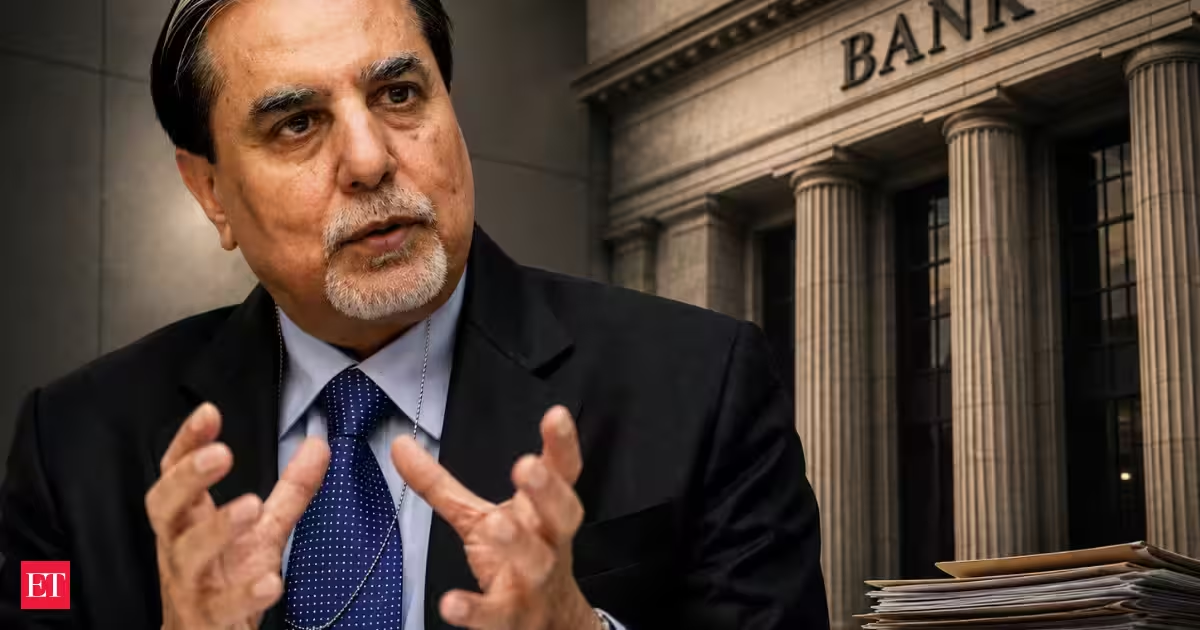
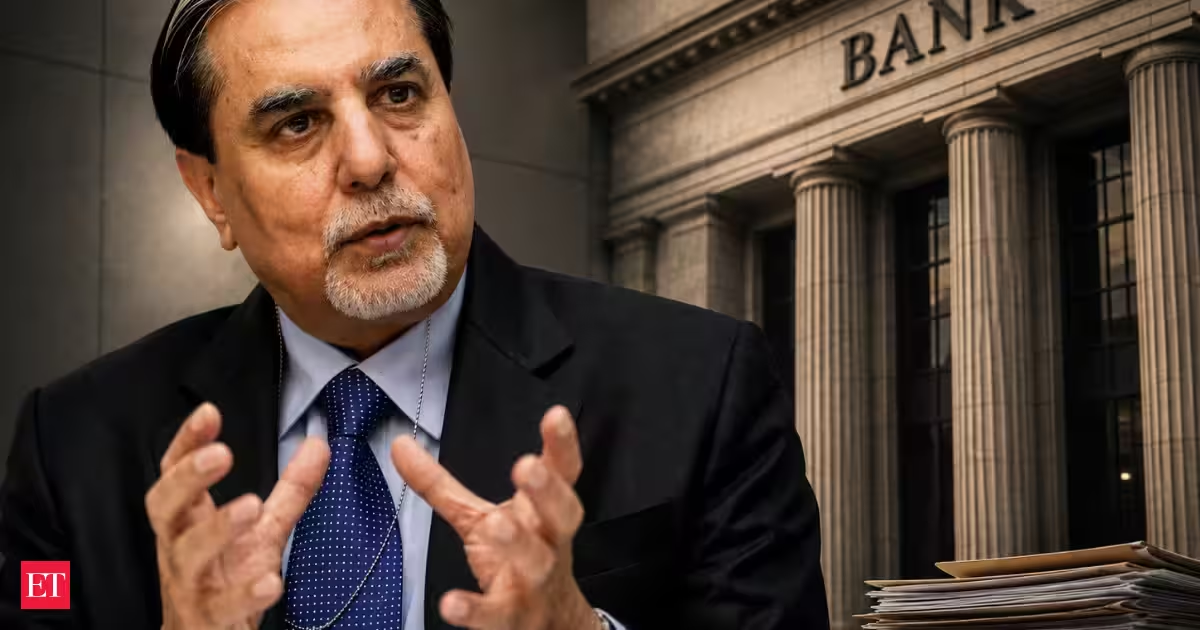
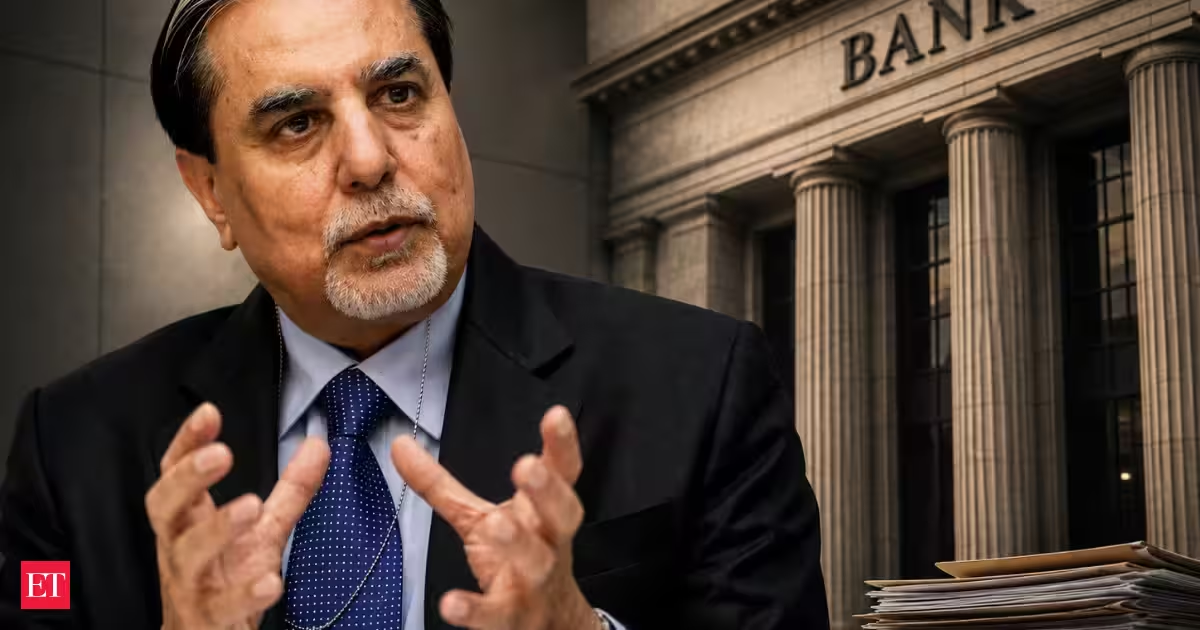
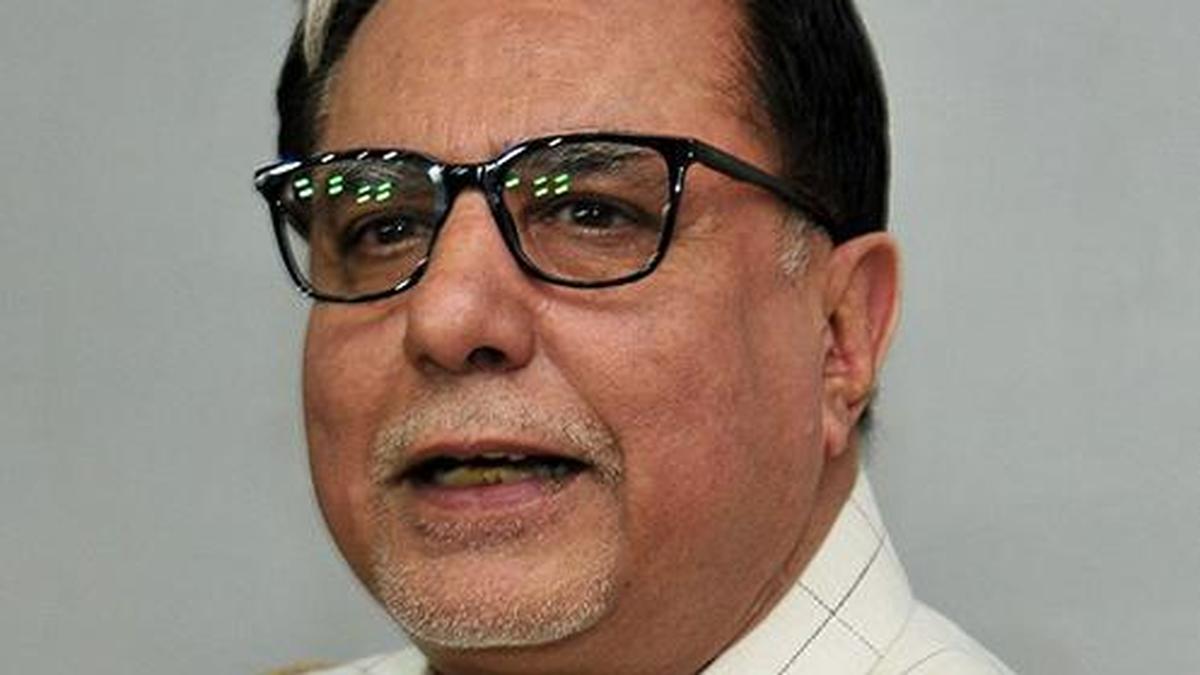
Zee Group Founder and Chairman Subhash Chandra
National Company Law Tribunal (NCLT) has allowed Zee Group Founder and Chairman Subhash Chandra’s repayment plan to pay just ₹6.5 crore against admitted claims of ₹22,006.57 crore.As the decision gives creditors a recovery of around 0.03 per cent of their admitted dues, legal experts highlight how the case addresses a fundamental question about the balance between a debtor’s ability to pay and creditors’ legitimate expectations of recovery under the IBC.The order, passed by a third judicial member of the insolvency court, arose from the consideration of a repayment plan in a personal insolvency case filed by Indiabulls Housing Finance, where Chandra was a personal guarantor for loans taken by Essel Group entities.While creditors admitted claims of ₹22,006.57 crore against him, the repayment plan proposed only ₹6.5 crore based on his disclosed personal assets and estate. The NCLT did not cap Chandra’s liability at ₹6.5 crore; instead, it approved the plan after creditors holding 80.814 per cent of the voting share backed it and the Resolution Professional (RP) concluded that the amount represented the recoverable value available from the personal guarantor’s disclosed assets.It also directed the consequential redistribution of the repayment amount among the remaining eligible creditors in accordance with the approved Repayment Plan.The matter will now be placed before the Original Division Bench to pass orders in terms of the majority opinion.Subhash Chandra declined to comment on the NCLT ruling, stating that the matter remains under judicial scrutiny.With this, the NCLT has followed the commercial wisdom of the Committee of Creditors (CoC), according to Deep Roy, Managing Partner at Equilex.“It refused to second-guess the decision of the CoC members. NCLT seems to have interpreted Section 114 of the Code to suggest that the NCLT is bound to approve a plan if majority of lenders have assented,” said Roy.Material irregularitiesThe order considered various issues, including allegations of grave and material irregularities arising from the repayment plan’s allegedly “capricious, partisan, and hasty conduct”, including breaches of the IBC rules.However, the NCLT stated that it was not bound to reject the plan merely because of certain procedural lapses and irregularities in the admission of claims related to Anil Kumar and Sunil Jain and the persons they represented. Further, it held that there was no other established material irregularity or violation of the provisions of the Code or applicable regulations.Despite the perceived silence on the ruling, Megha Sharma, Advocate, Delhi High Court, warned that assuming “no retaliation” is premature, as the order is subject to immediate statutory appeal.“While the IBC makes an approved repayment plan binding upon approval, dissenting creditors have a 30-day statutory remedy to file an appeal. Dissenting lenders (including HDFC Bank, Axis Bank, and LIC Housing Finance) are specifically alleging the illegal inclusion of “associate” entity votes to artificially meet the 75 per cent threshold,” said Sharma.When asked about potential avenues for Indiabulls, Tushar Agarwal, Founder and Managing Partner, C.L.A.P. JURIS, Advocates & Solicitors, said the appropriate remedy now is to test these issues in appeal rather than treat the NCLT approval as the end of the matter.“The case could also have wider implications for how personal-guarantor repayment plans are scrutinised where there is a substantial disparity between historical wealth and presently disclosed assets,” he said.Published on August 27, 2026