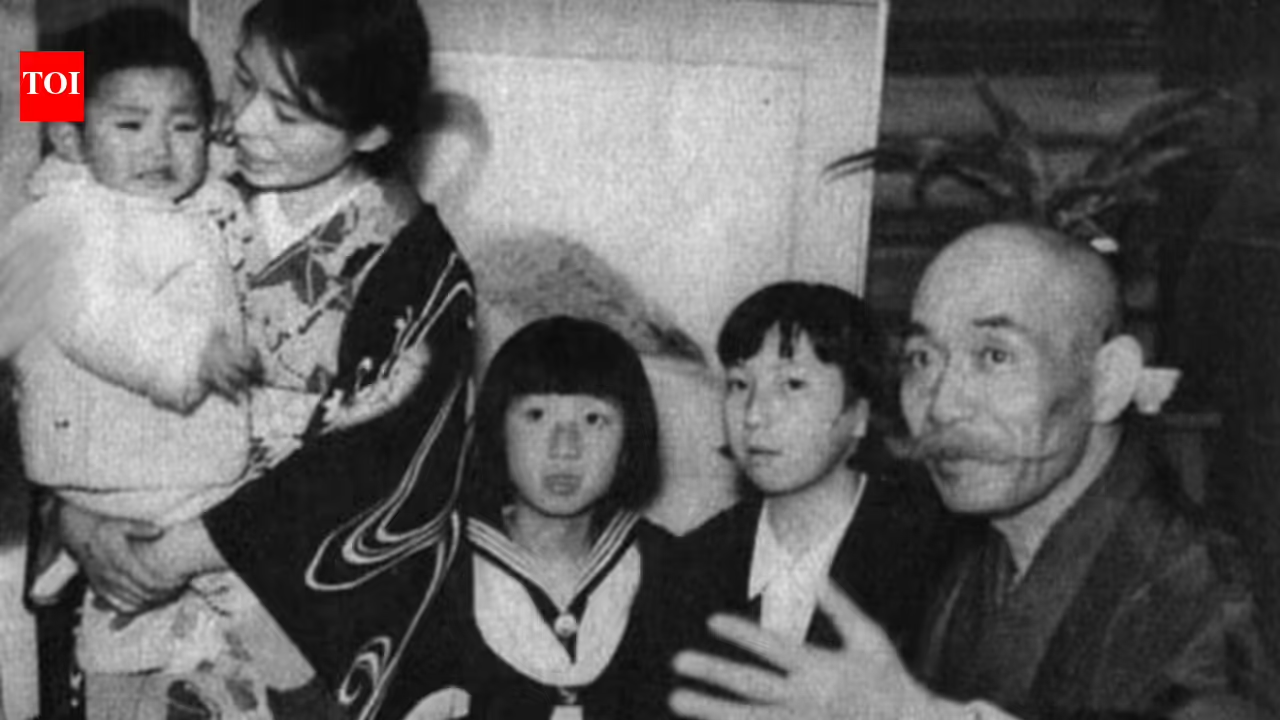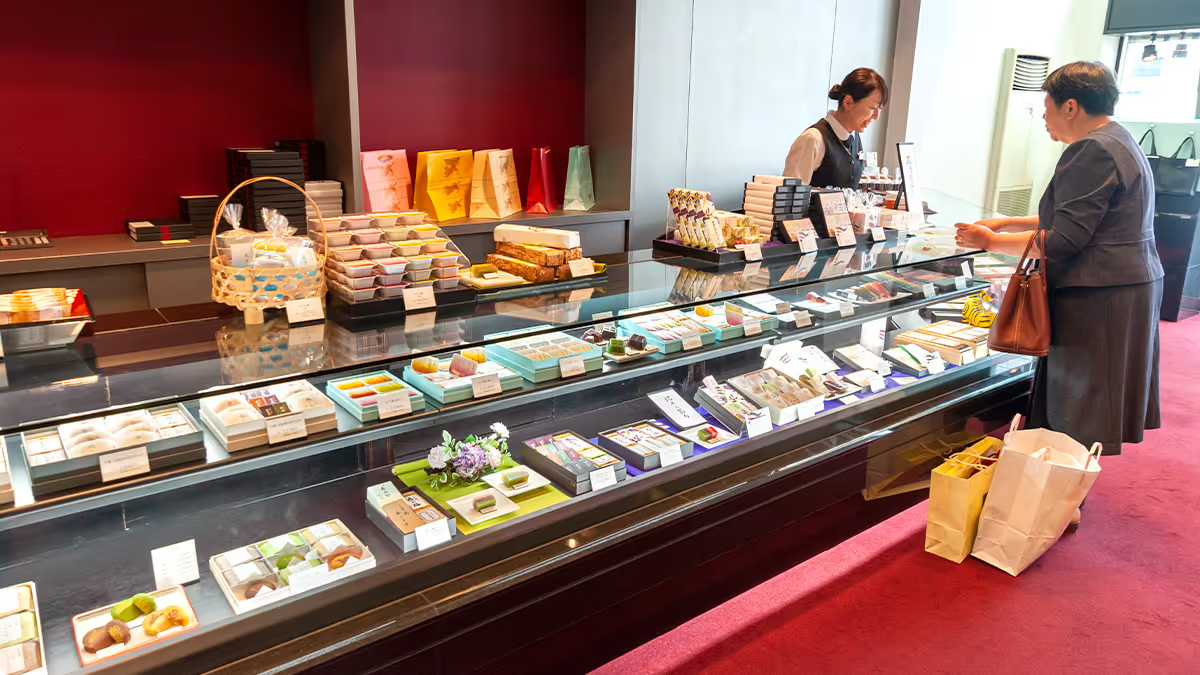
Harvard Business Review LogoAugust 31, 2026Universal Images Group/Getty ImagesIn the period from 1994 to 2024, Japan’s family businesses matched or exceeded the returns of peers in the United States, Germany, and Canada while taking on far less risk. Their advantageIn 1945, an air raid destroyed the main Tokyo factory of Toraya, a leading Japanese confectioner since the 16th century. Despite the ongoing world war, the company began rebuilding almost immediately; later, even when sugar became scarce and Japan’s future uncertain, it kept operating, experimenting, pressing on. The logic was simple: Toraya existed to make sweets and would continue to do so no matter what was happening around it. Today, with three factories and some 80 stores across Japan as well as a boutique in Paris, it still does.
How Japan’s Oldest Companies Navigate Uncertainty
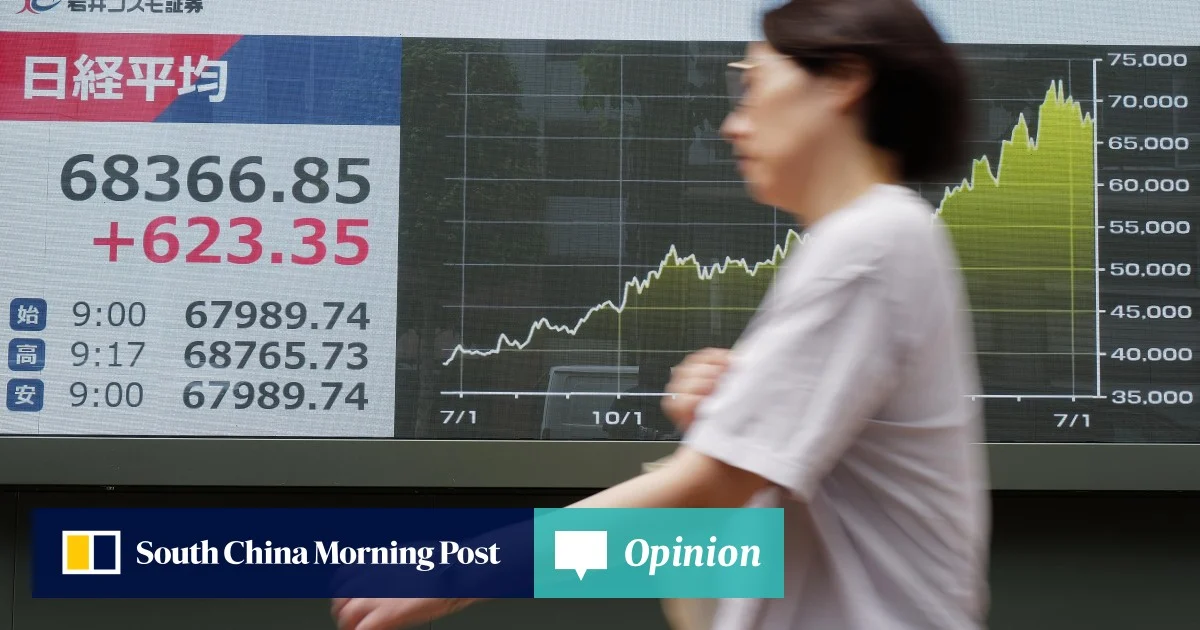
In the period from 1994 to 2024, Japan’s family businesses matched or exceeded the returns of peers in the United States, Germany, and Canada while taking on far less risk. Their advantage came not from better forecasting but from a durable architecture: a clear philosophy, an ultra-long-term perspective, values embedded in operations, disciplined evolution, patient capital, and careful succession planning. Companies in different geographies and with different corporate structures can follow these same principles to better navigate uncertainty.
128 words~1 min read