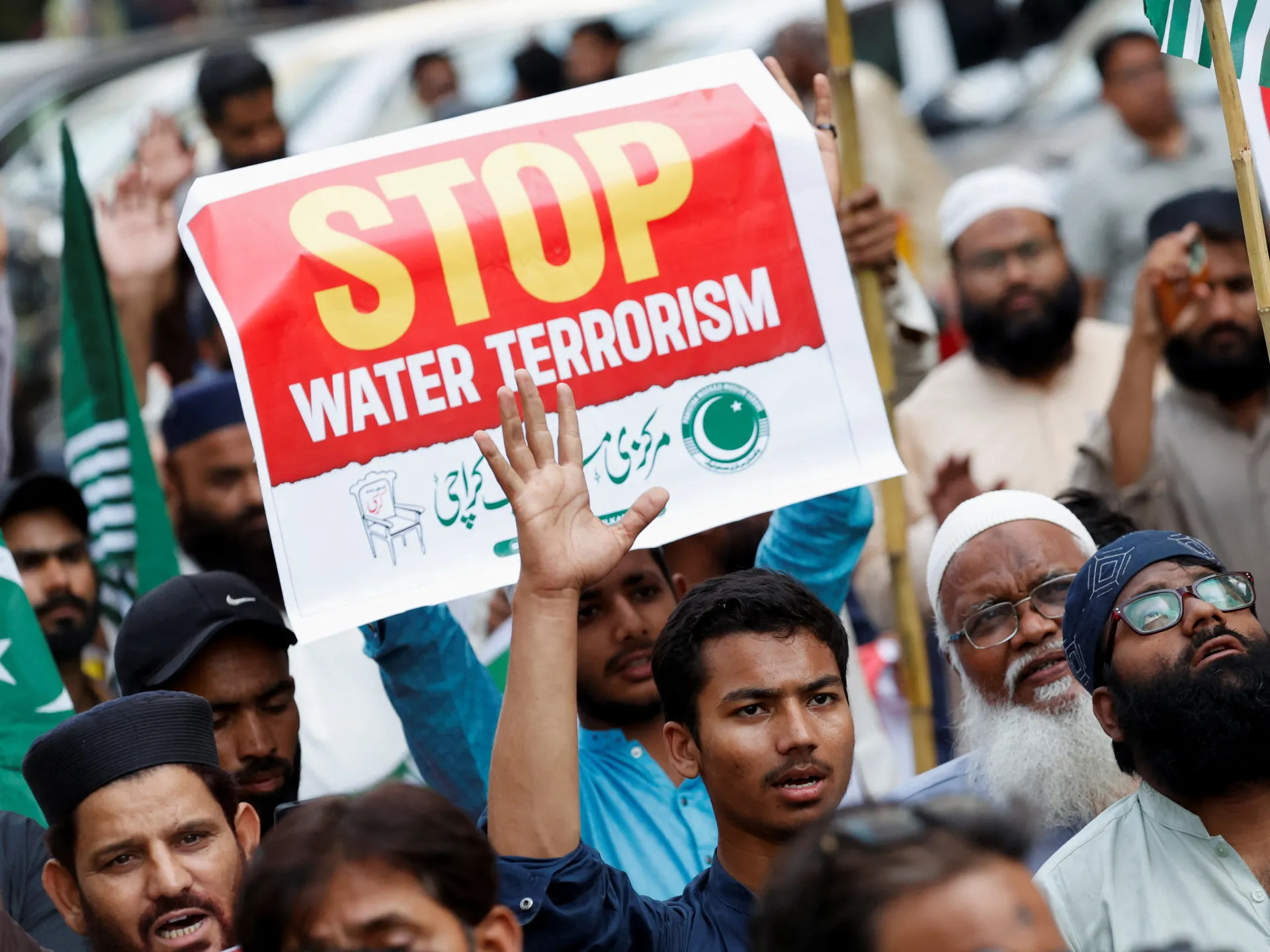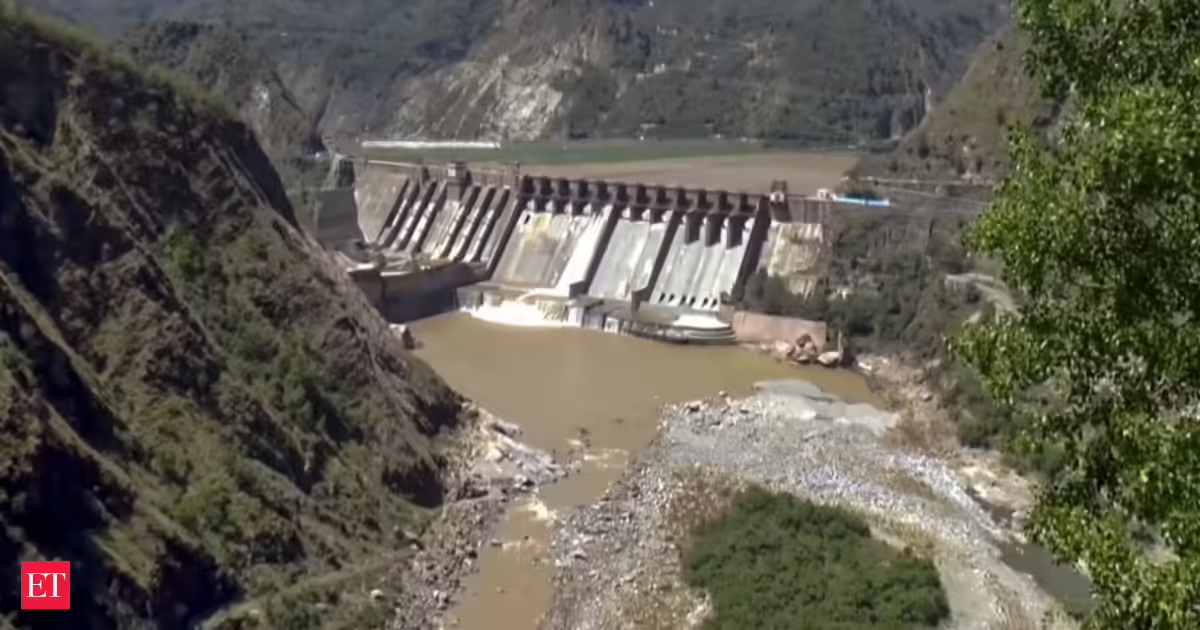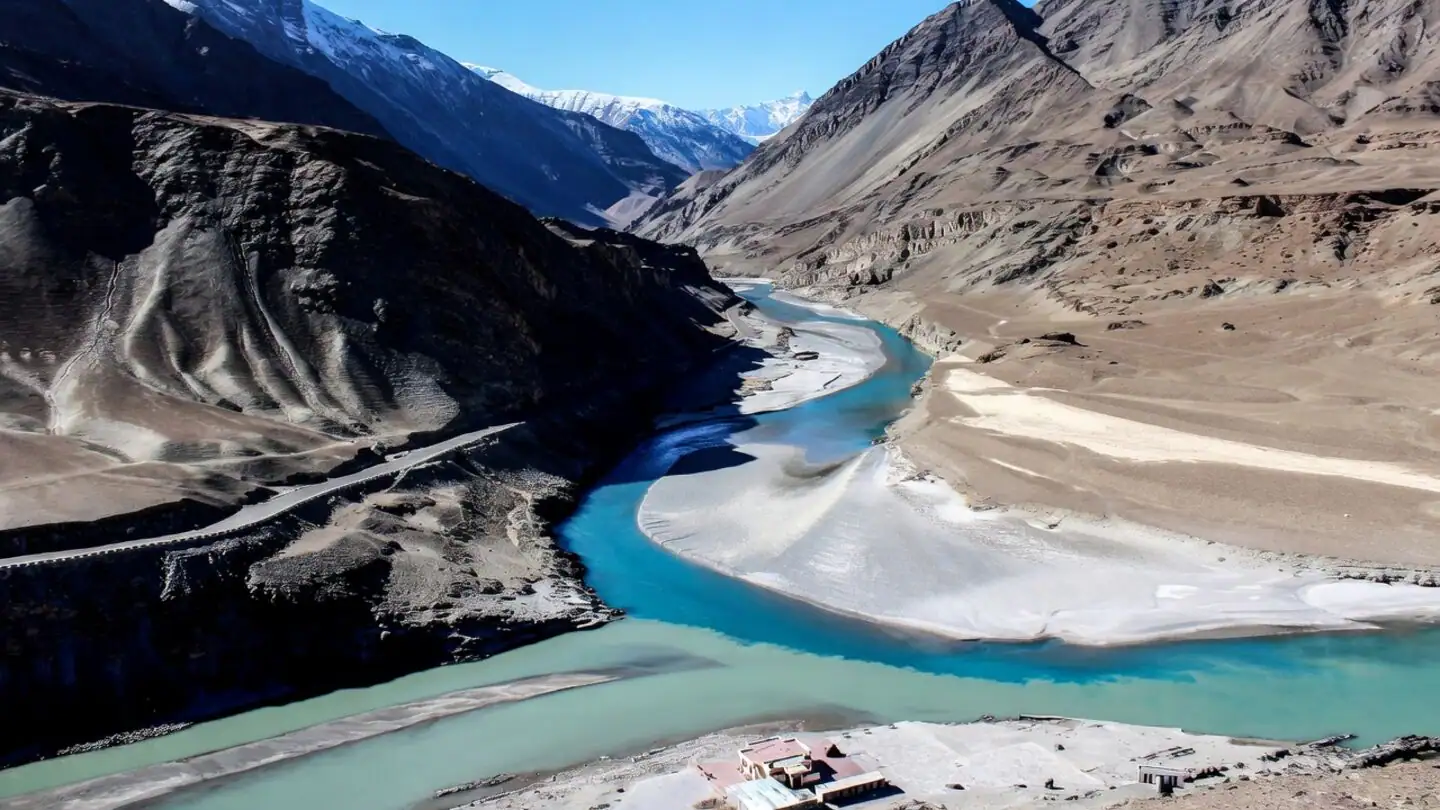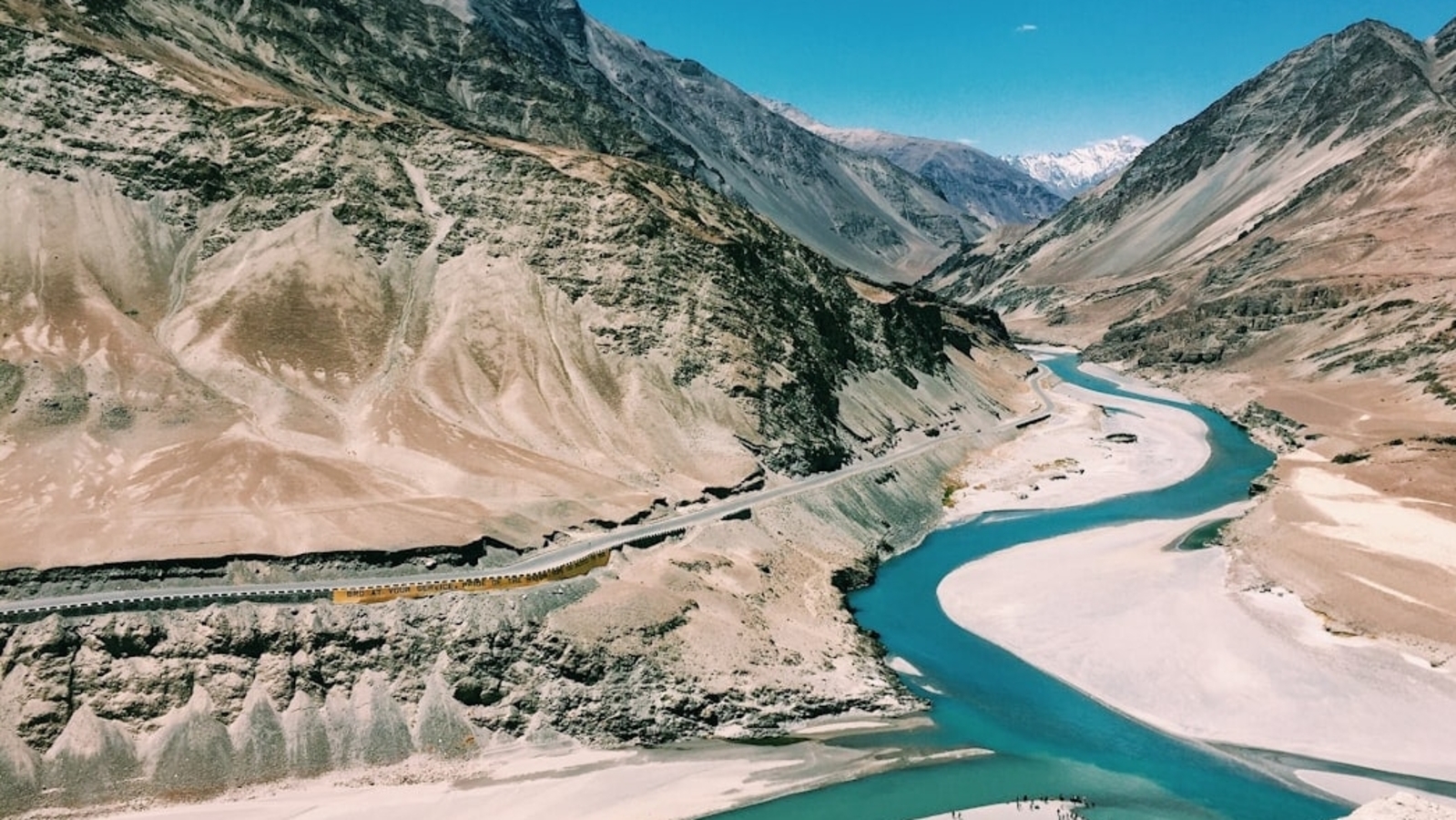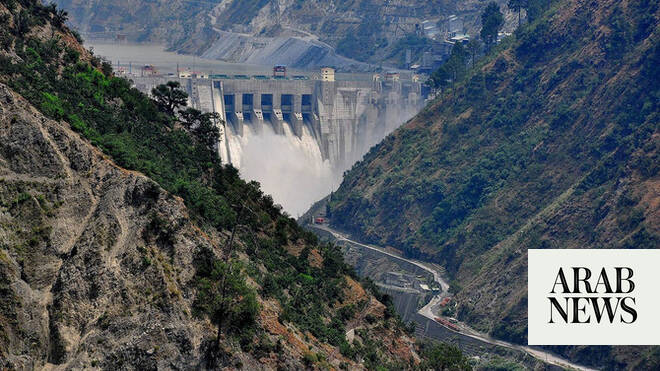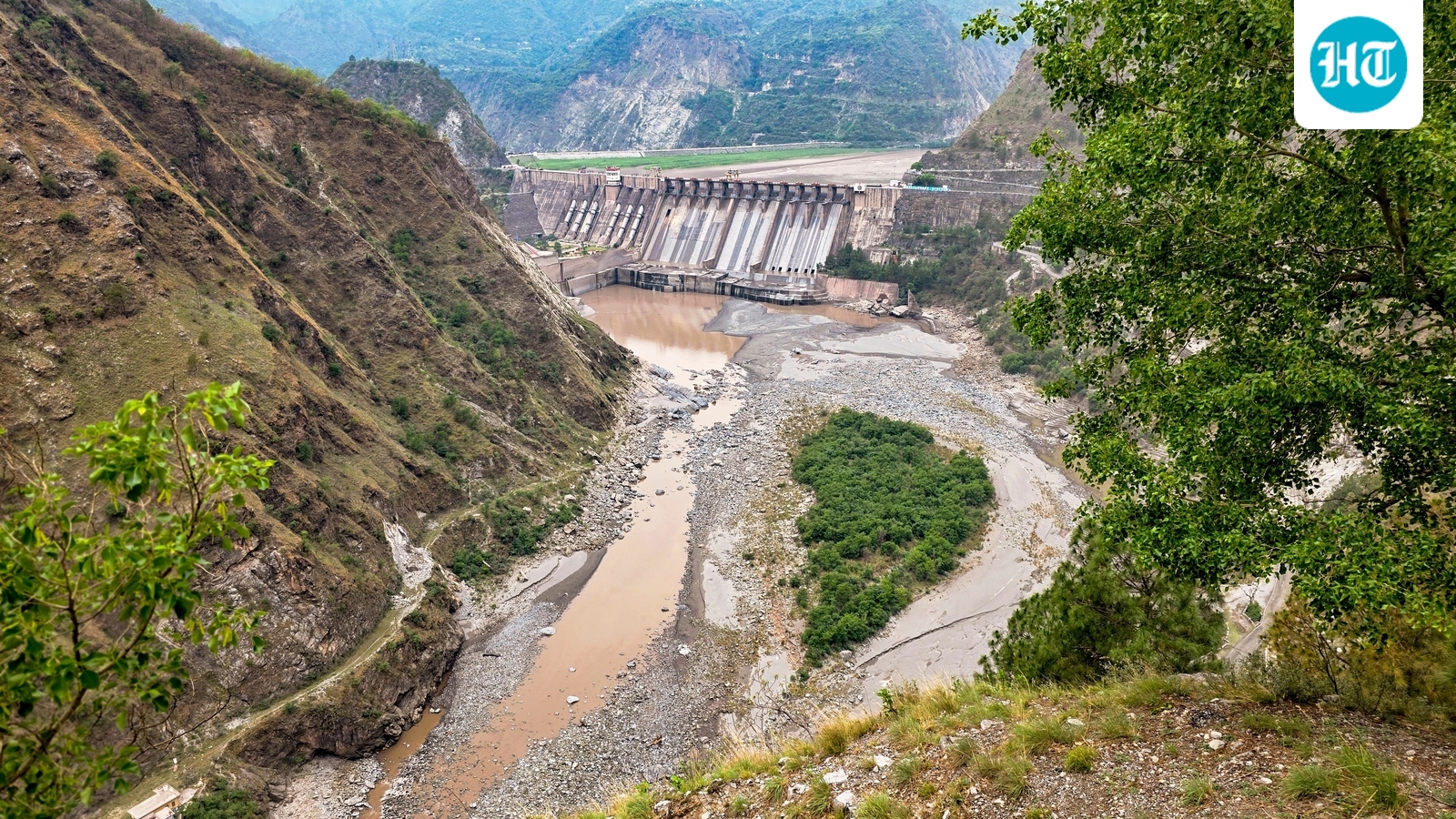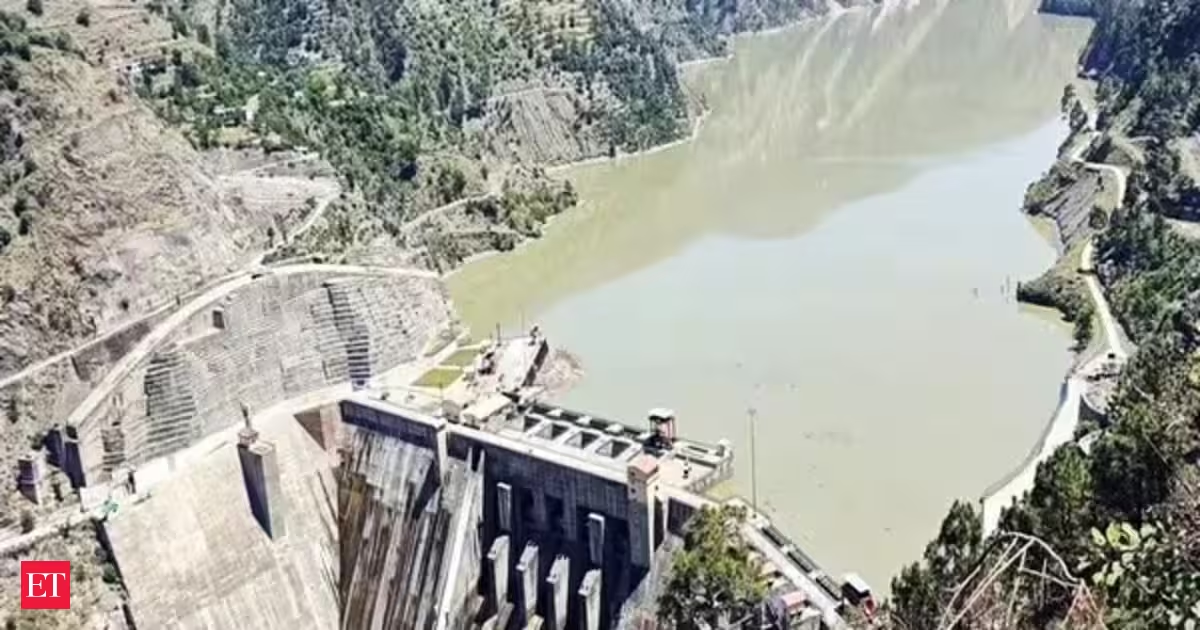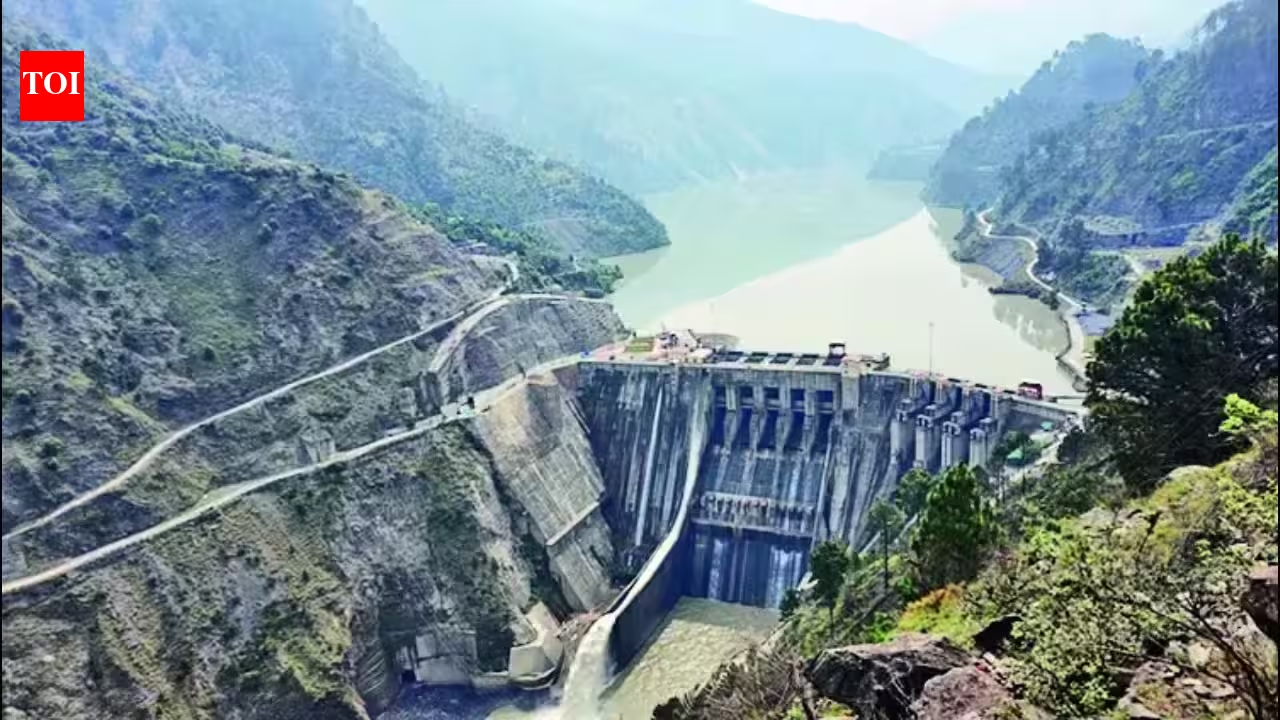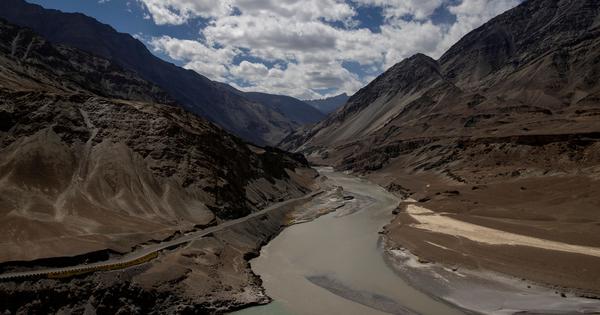
India on Monday rejected a court of arbitration’s order setting aside New Delhi’s decision to suspend the Indus Waters Treaty with Pakistan, saying that it never recognised the existence of the “illegally constituted” court.Earlier in the day, the Permanent Court of Arbitration at The Hague had held that the Indus Waters Treaty remained in force, and that India must comply with its obligations under it. In an interim order, the court also prohibited India from building certain structures of the Ratle hydroelectric project in Jammu and Kashmir.However, the Ministry of External Affairs maintained that India’s decision to hold the treaty in abeyance remained in effect.India had placed the 1960 Indus Waters Treaty in abeyance a day after the April 22 terrorist attack in Jammu and Kashmir’s Pahalgam, which left 26 persons dead. India said that the treaty would be suspended until Pakistan “credibly and irrevocably” stopped its support for cross-border terrorism.Since it suspended the treaty, the Indian side has stepped up work on several hydropower projects in Jammu and Kashmir that Pakistan opposed under the provisions of the 1960 pact, the Hindustan Times reported. Among these are the Ratle and Kishenganga hydropower projects, over which Pakistan had sought the formation of a court of arbitration.On Monday, the ministry said that the court of arbitration had no jurisdiction over India’s sovereign decisions and that its pronouncements “will have no effect on India’s actions in connection with the projects being undertaken by India”.“This so called court was constituted by the World Bank in patent breach of the terms of the treaty and India categorically rejects its so-called award, just as it has firmly rejected all prior pronouncements by this illegally constituted body,” the foreign ministry said.The treatyIndia and Pakistan signed the Indus Waters Treaty in 1960 with the World Bank as an additional signatory. The pact sought to divide the water of the Indus river and its tributaries equitably among the two countries.Under the treaty, water from three eastern rivers, Beas, Ravi and Sutlej, were allocated to India and that from the three western rivers – Indus, Chenab and Jhelum – to Pakistan.The treaty also allowed both countries to use the other’s rivers for certain purposes, such as small hydroelectric projects that require little or no water storage.Written by Neerad Pandharipande. Edited by Tanya Shrivastava.
India rejects international court order on Indus Waters Treaty, says panel ‘illegally constituted’
The court held that the pact with Pakistan remained in force. It also prohibited New Delhi from carrying out certain construction work in Jammu and Kashmir.
383 words~2 min read