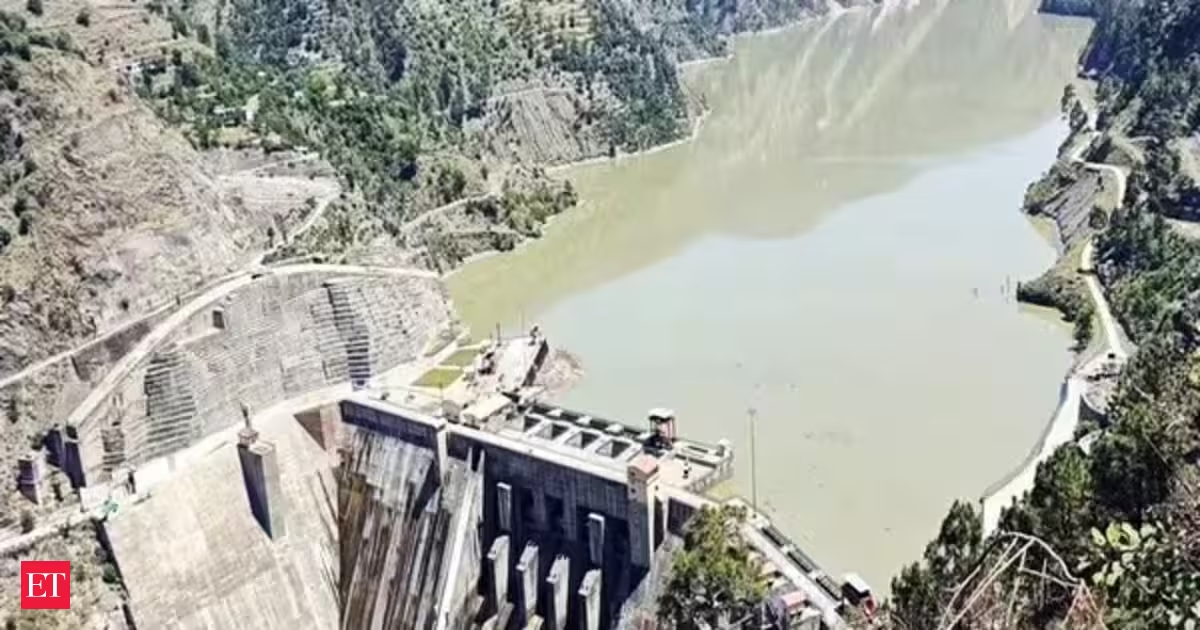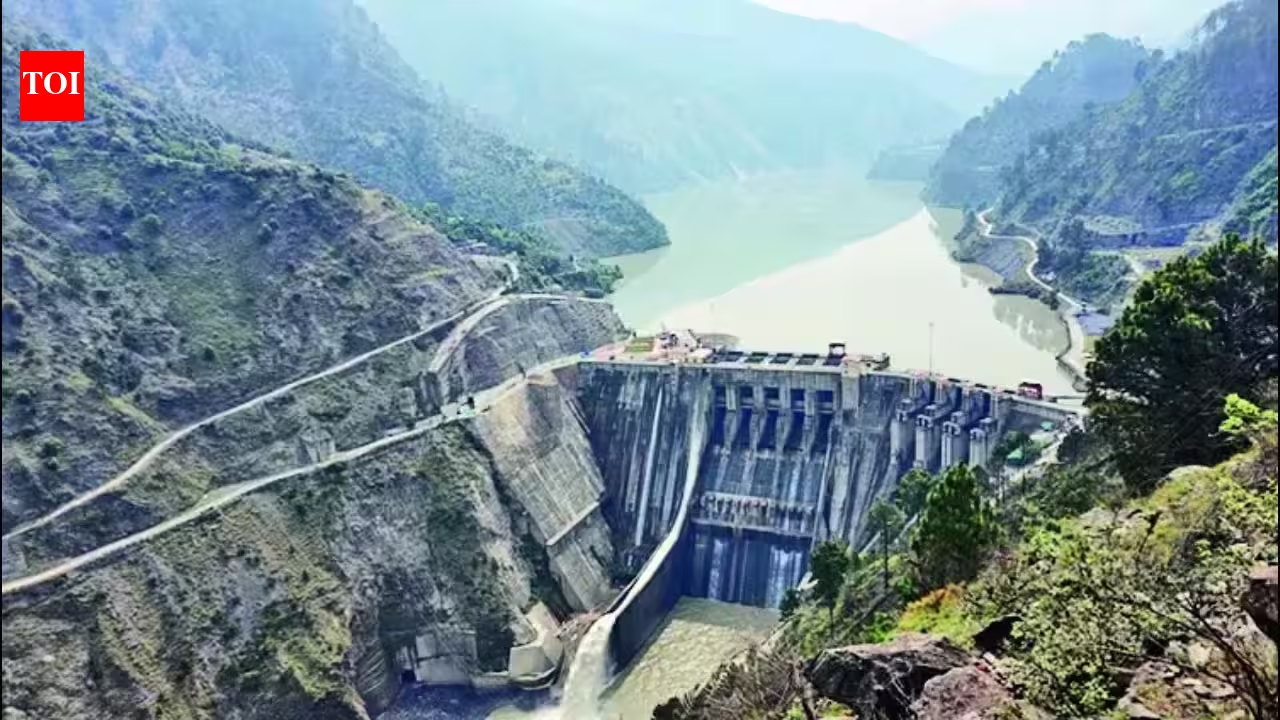
India on Monday rejected an “award” by the World Bank's Court of Arbitration (CoA) on the Indus Waters Treaty, referring to the court as “illegal” and saying it had no jurisdiction on the matter.MEA reiterated the decision to hold Indus Waters Treaty in abeyance. (PTI)The ministry of external affairs in a statement said that the pronouncements made by the court would have no effect on India's actions, while reiterating the decision to hold Indus Waters Treaty in abeyance.New Delhi has, in the past too, rejected rulings made by the CoA on hydroelectric projects in the union territory of Jammu and Kashmir and the Indus Waters Treaty.What did the MEA say?In its statement, the ministry said that the Court of Arbitration was “illegally constituted”, categorically rejecting its award. “Today, the illegally constituted so-called Court of Arbitration (CoA) has issued what it termed as an award concerning Interim Measures and Status of the Indus Waters Treaty. This so called Court was constituted by the World Bank in patent breach of the terms of the Treaty and India categorically rejects its so-called award, just as it has firmly rejected all prior pronouncements by this illegally constituted body,” the MEA said.It further asserted that India had “never recognised” the existance in law of the court, adding that New Delhi had consistently maintained that its constitution was in itself a “grave violation” of the Indus Waters Treaty. “Accordingly, India has never appeared before this body and has refused to take any cognisance of its earlier pronouncements,” the MEA statement said.The ministry said that the court had “no jurisdiction” to make pronouncements on India's sovereign decisions. “Its pronouncements, now or in the future, will have no effect on India’s actions in connection with the projects being undertaken by India. India’s decision to hold the Indus Waters Treaty in abeyance remains in force,” the MEA stated.What was the CoA's ‘award’?In a press release, the court said it had considered the present status of the treaty and India's decision to keep it in abeyance. It said that it had examined the grounds on which the treaty had been suspended, and claimed that these did not “justify suspension or termination.”“Accordingly, the Indus Waters Treaty remains fully in force, and India must observe its obligations under the Treaty,” the court said earlier on Monday. India has earlier too rejected a “supplemental award”on its competence concerning the Kishenganga and Ratle hydroelectric projects in J&K. These projects are being constructed on the Indus river system, with the development coming after the pause on the Indus Waters Treaty in light of the Pahalgam terror attack in April, 2025.
India rejects Court of Arbitration's Indus Waters Treaty award: ‘Illegally constituted, has no jurisdiction’
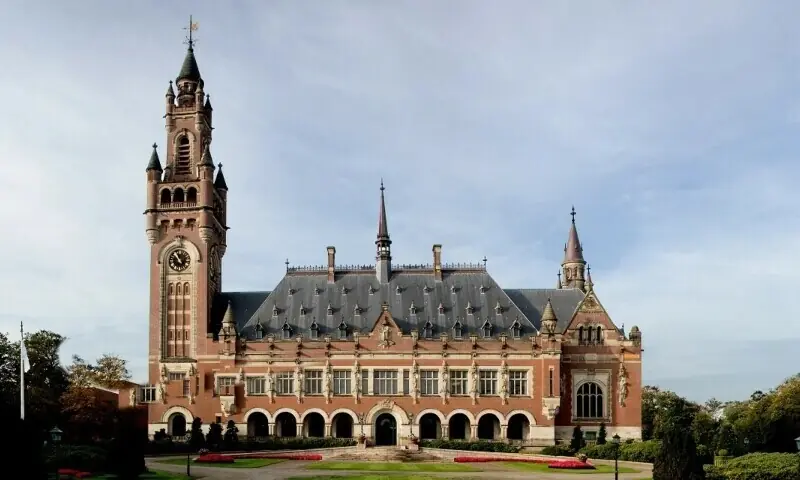
The MEA said the Hague-based court has no jurisdiction to pronounce on India’s sovereign decisions and that the treaty will remain in abeyance. | India News
435 words~2 min read