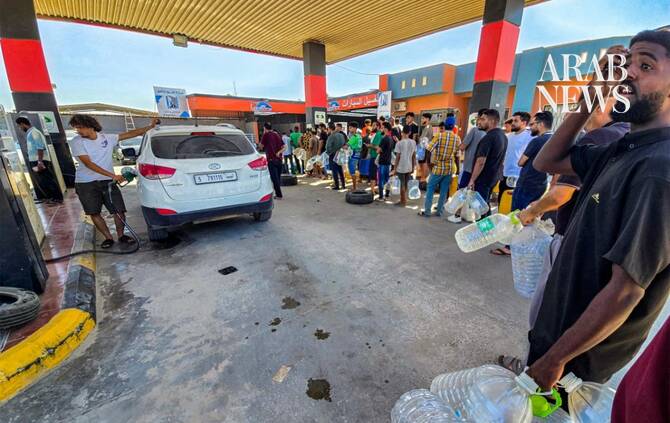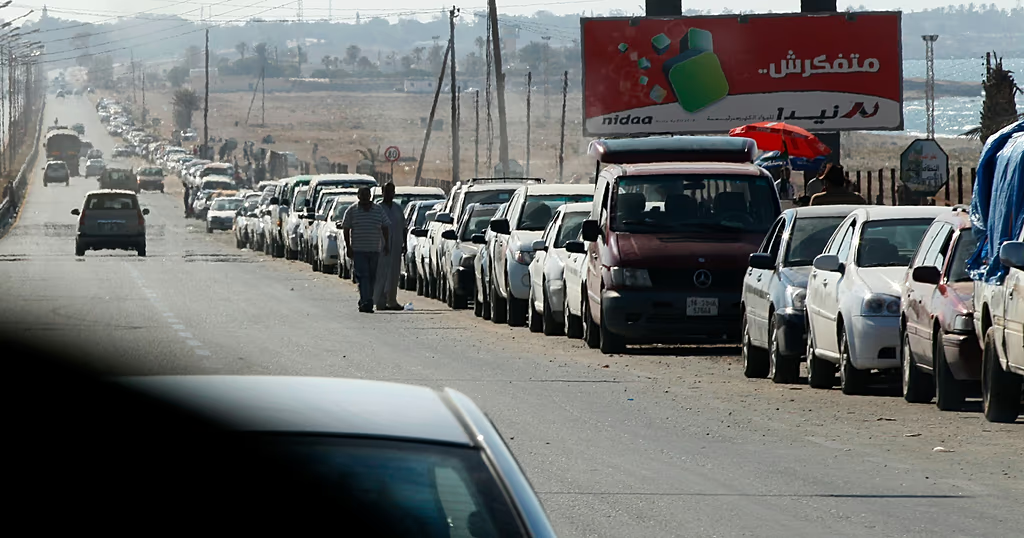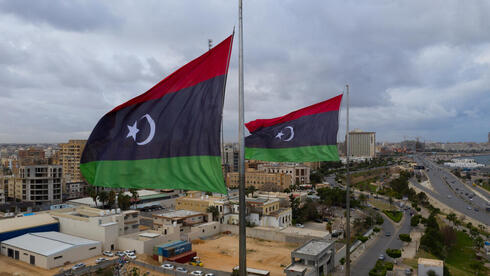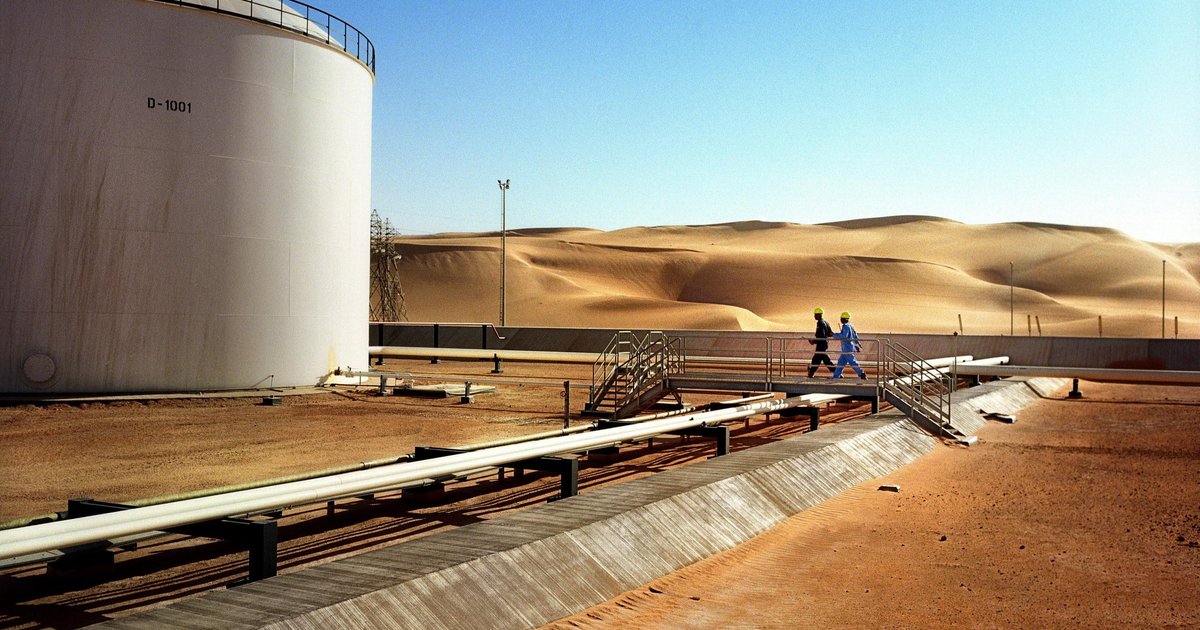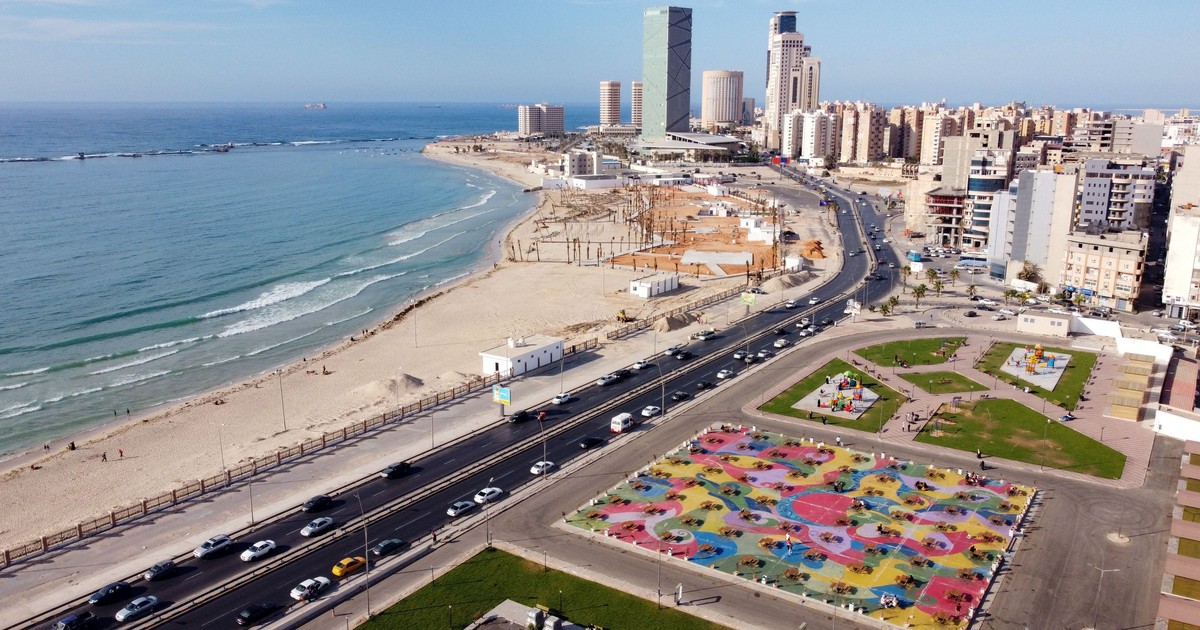
Libya has rarely been far from the headlines in recent years and often for the wrong reasons. Following the turbulence of the dying days of Colonel Gaddafi’s regime, it regularly featured as one of the world’s most prominent conflict hotspots. This led to a significant impact on the economy and significant commercial disruption as investors and businessmen alike steered clear.
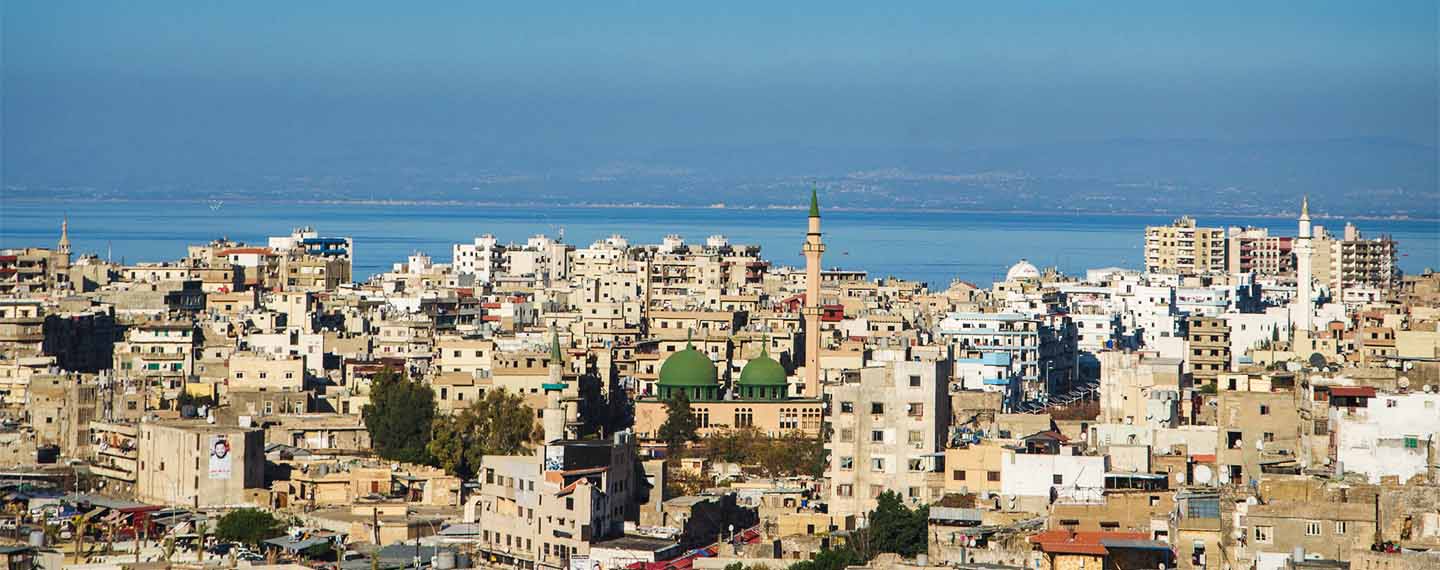
The image from the years of the Arab Spring do not, however, represent Libya today. The north African country’s promising progress and positive story of growth and development is often overlooked.
Take the Julyana Free Zone. Established in 2021 near Benghazi on the eastern shoreline, the free zone has fast become a model success story for the country’s trade and commercial potential. Since the start of 2026, the port alone logged 371 cargo vessels, a new record, following a record-breaking year in 2025. The newly built Benghazi International Airport is due to open later this year, whilst the American headquartered IT firm Kaleris have begun delivering a smart solutions upgrade to the port facilities. The zone’s undoubted success is acting as a focal point for concentrated, long-lasting foreign investment.
Nearby, a joint partnership between Turkish steel producer, Tosyali, and the Libya United Steel Company, owned by Libyan industrialist Ahmed Gadalla, offers an example of sizeable foreign investment inflows. The project will see the construction of the world’s largest direct-reduced-iron plant, producing 7.5 million tonnes per year. It is expected to create 7,000 new skilled jobs when it becomes fully operational next year.