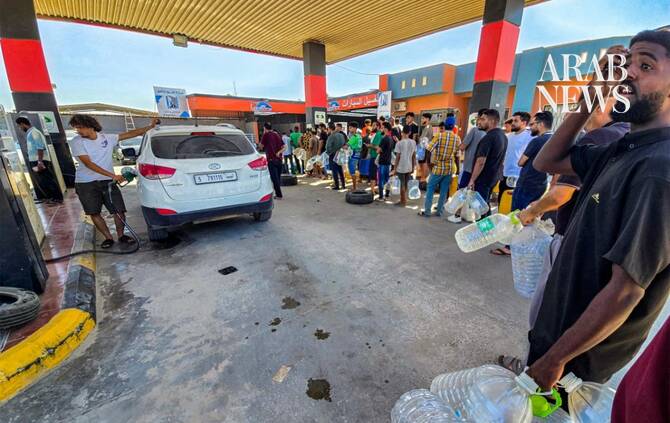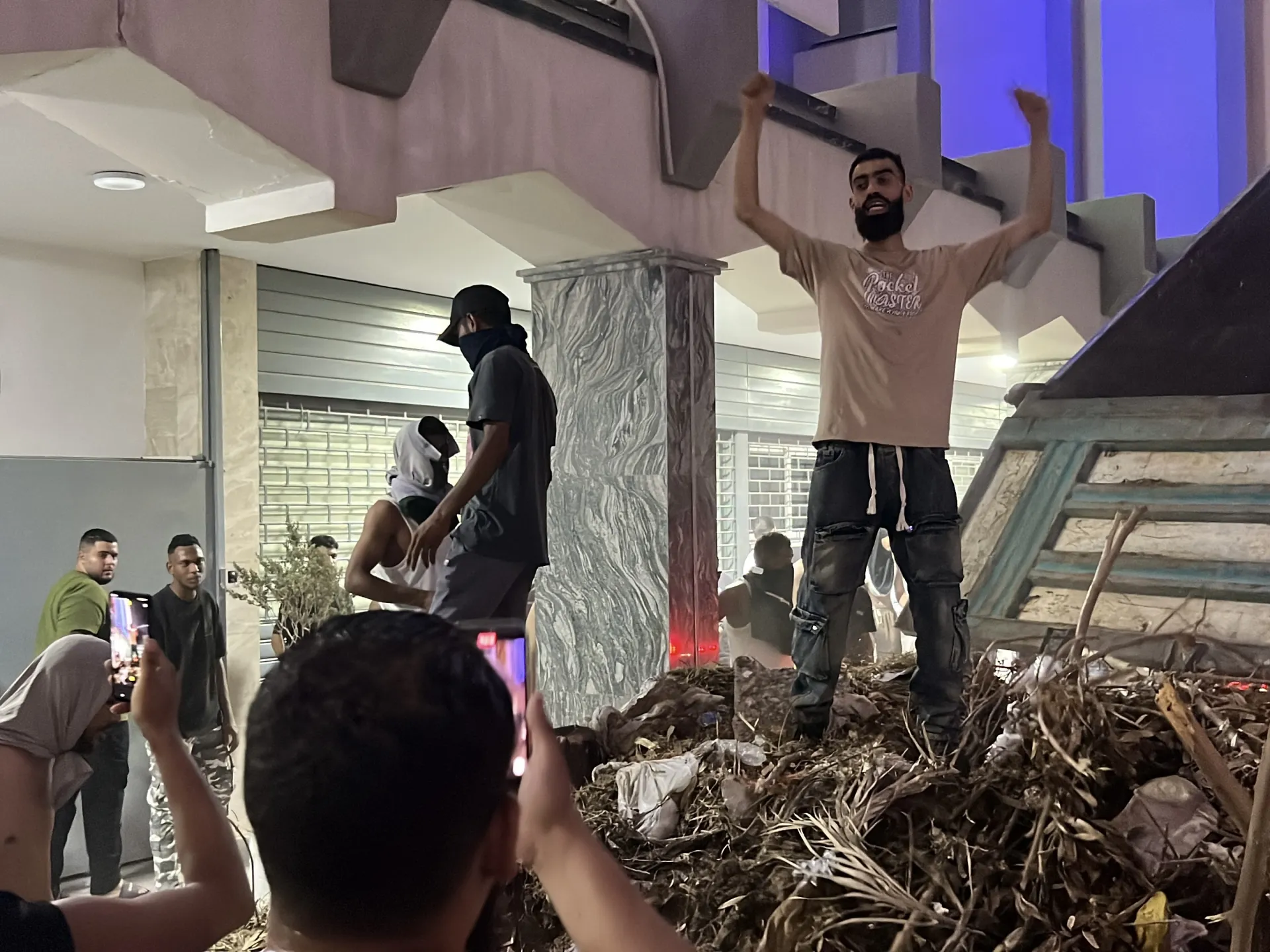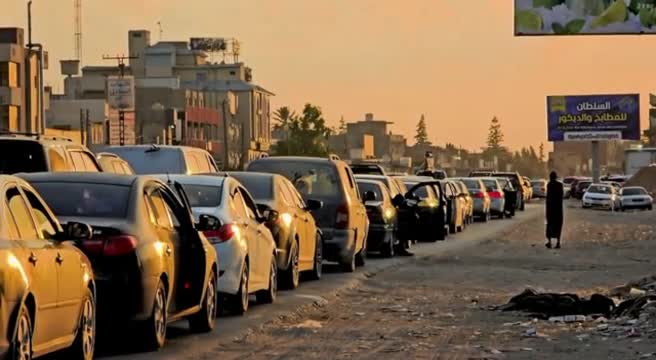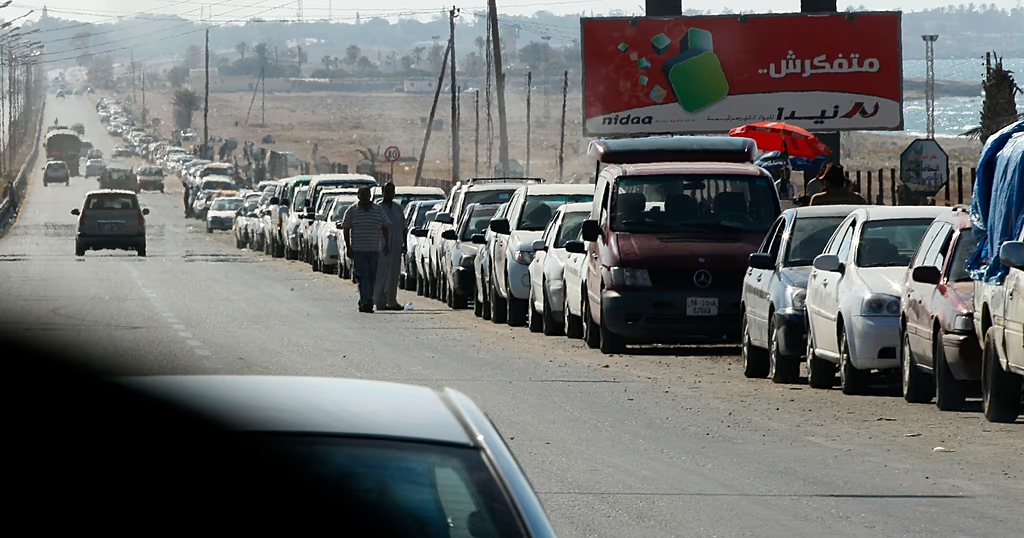
Long power cuts and severe fuel shortages have disrupted daily life in Libya, a country already plagued by an enduring political deadlock, conflict and corruption, and holding Africa's largest oil reserves.
As the summer heat peaks, the worst crisis in years has tightened its grip on many Libyans who struggle to stay cool and keep their houses, cars and businesses running. Experts and United Nations officials say the root of the problem lies in corruption, weak governance and years of inadequate maintenance at power plants.
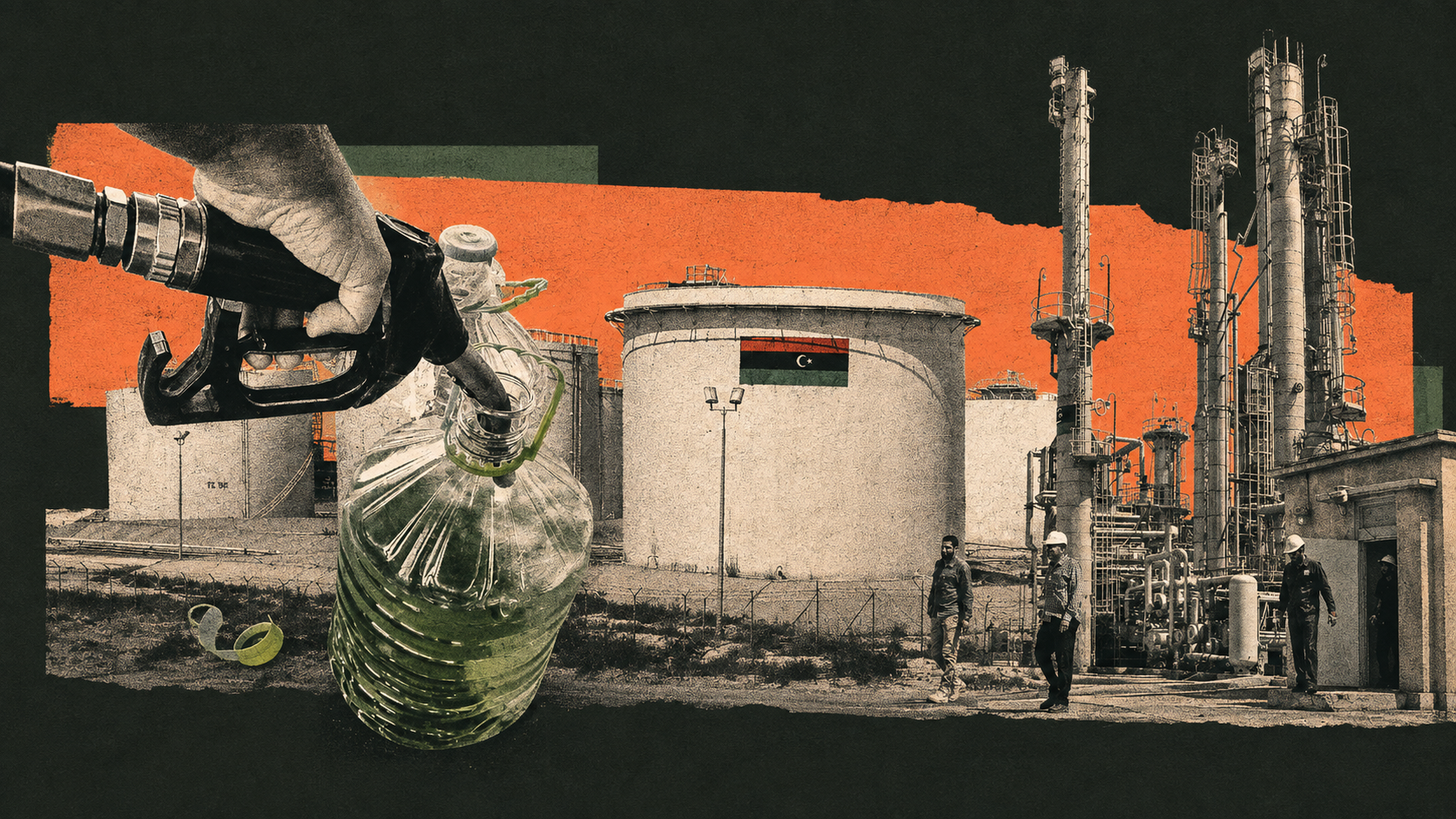
Libya holds about 48 billion barrels of proven oil reserves and produces roughly 1.5 million barrels a day. It is seeking to raise output to 2 million barrels a day. But the country only produces a third of the fuel it needs for domestic consumption.
Last year, it imported $7.8 billion worth of fuel, according to figures from the National Oil Corporation. For ordinary Libyans, the crisis has meant spoilt food and stalled businesses amid unbearable heat. As temperatures approach 50C in parts of the country, Slimane Fitouri regularly checks the generator he bought to counter the power cuts at his grocery store in the capital, Tripoli.
"Because of the outages, two refrigerators broke down, in addition to dairy products going bad," Fitouri told AFP. "I don't know how long I can hold out." During AFP's visit to his shop, the power went out, and customers hurried to finish their shopping by the light of their phones as Fitouri switched on the generator. - 'Very expensive' - But such generators require a significant amount of fuel -- which has also become a burden for Fitouri. "It's very expensive and doubles the losses," he said.