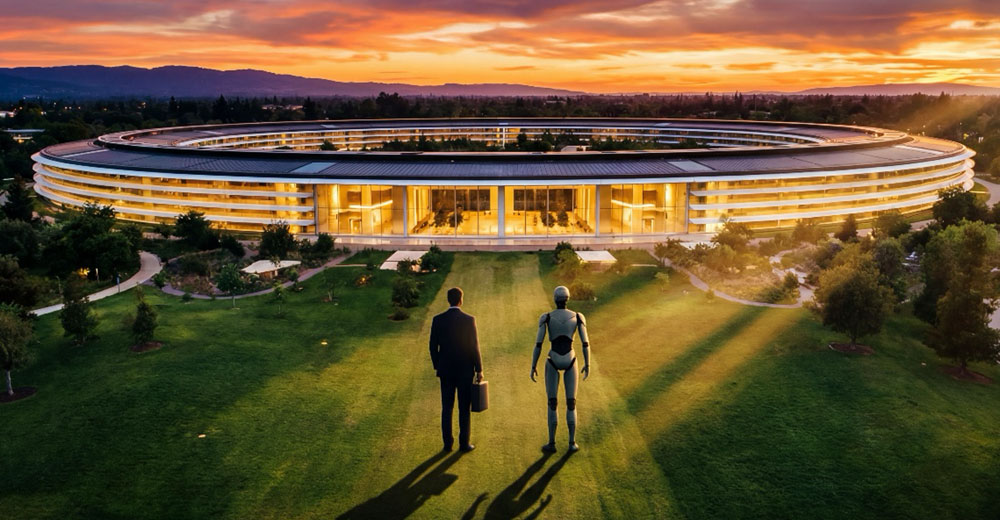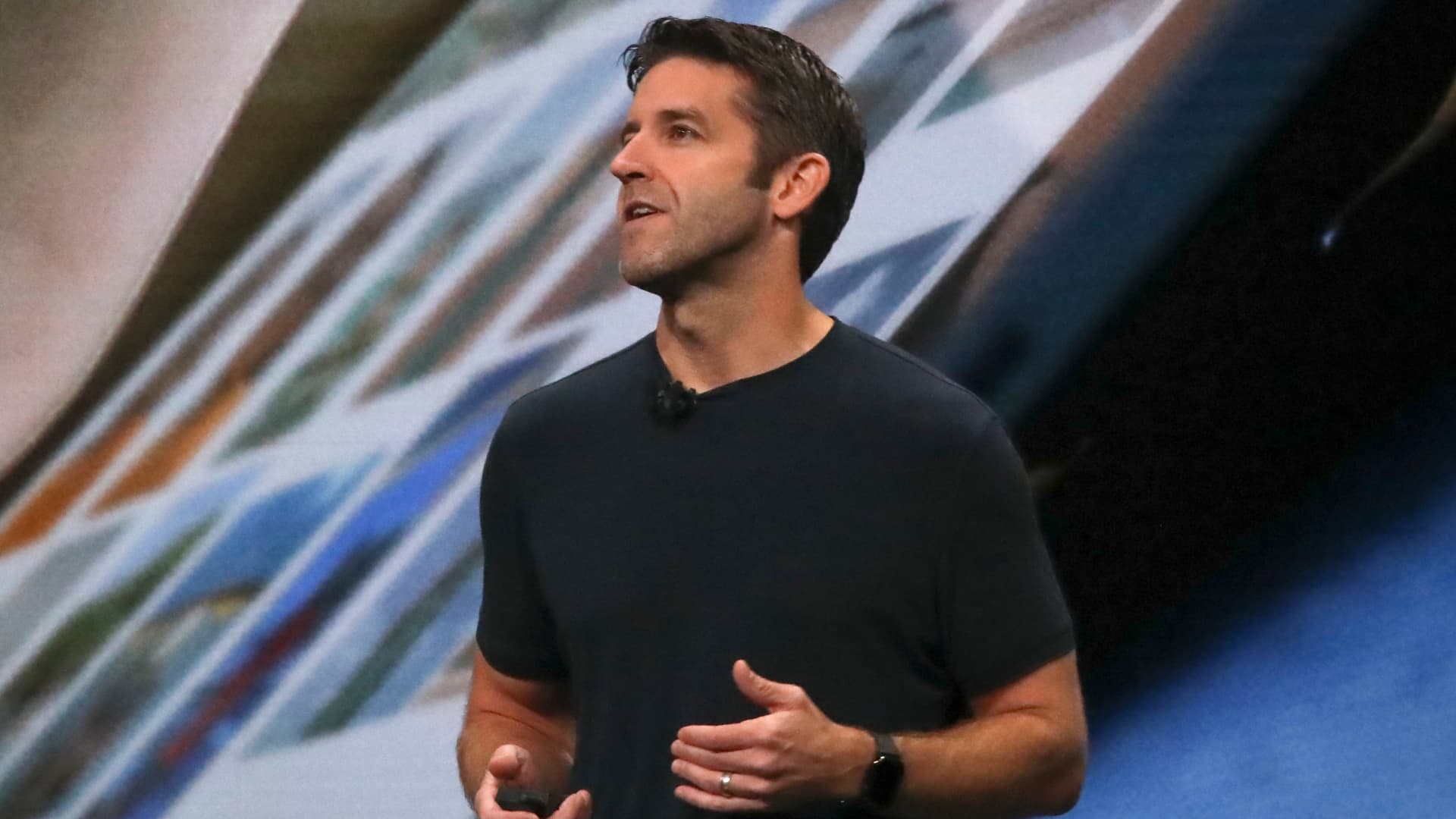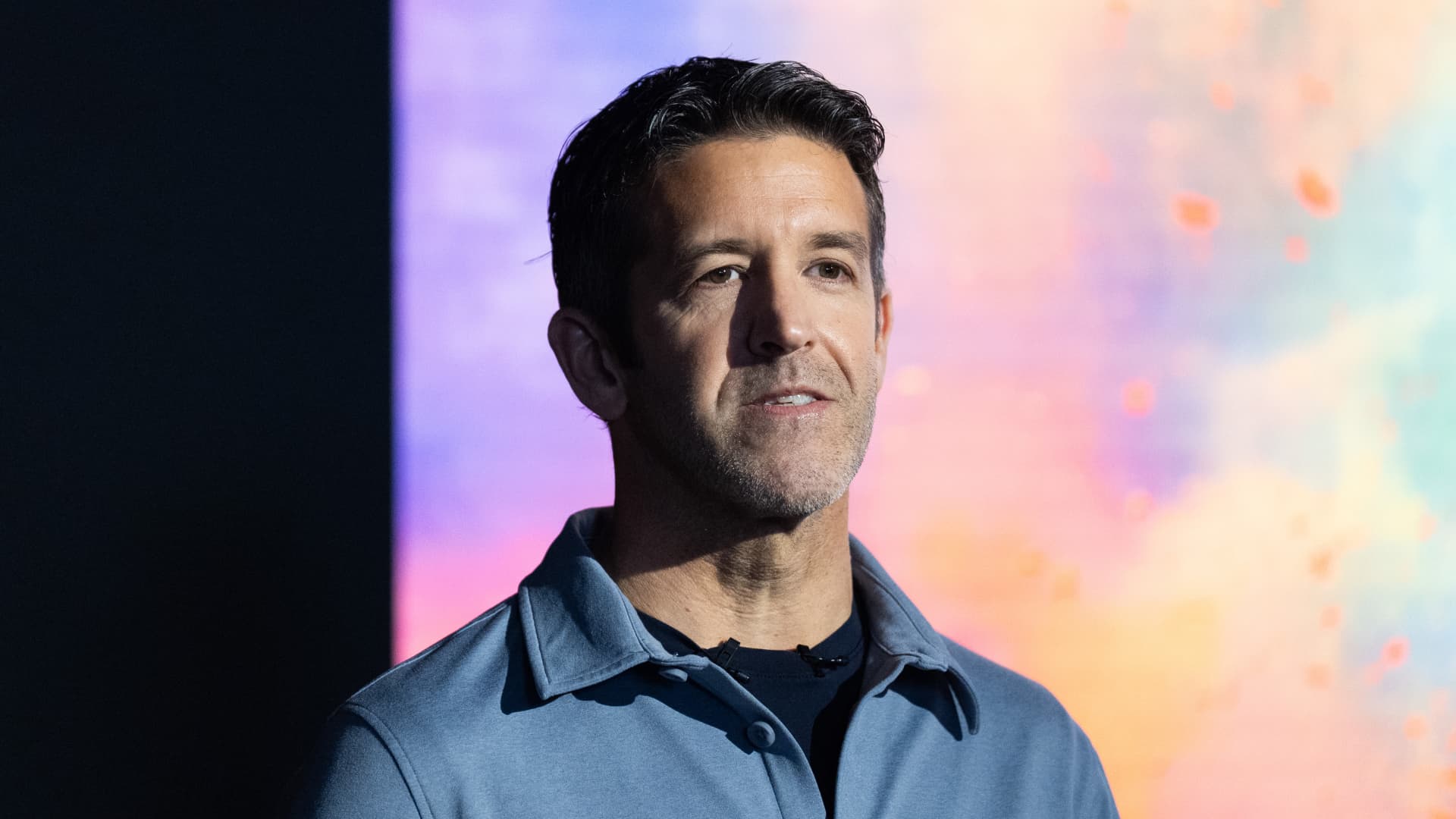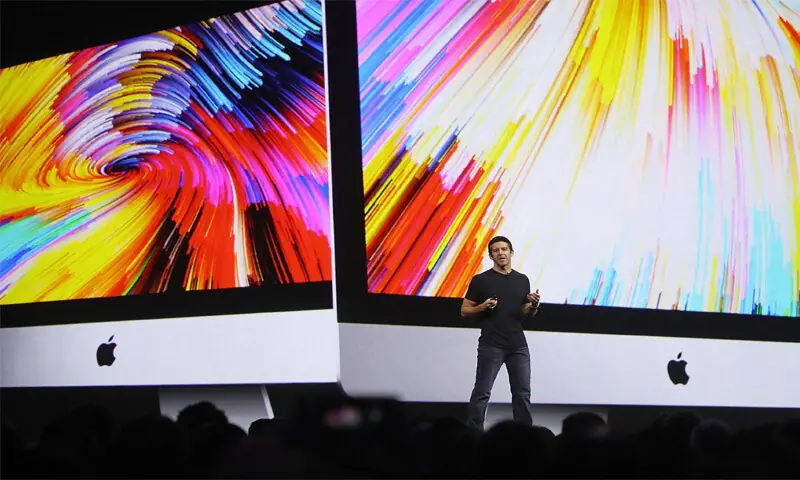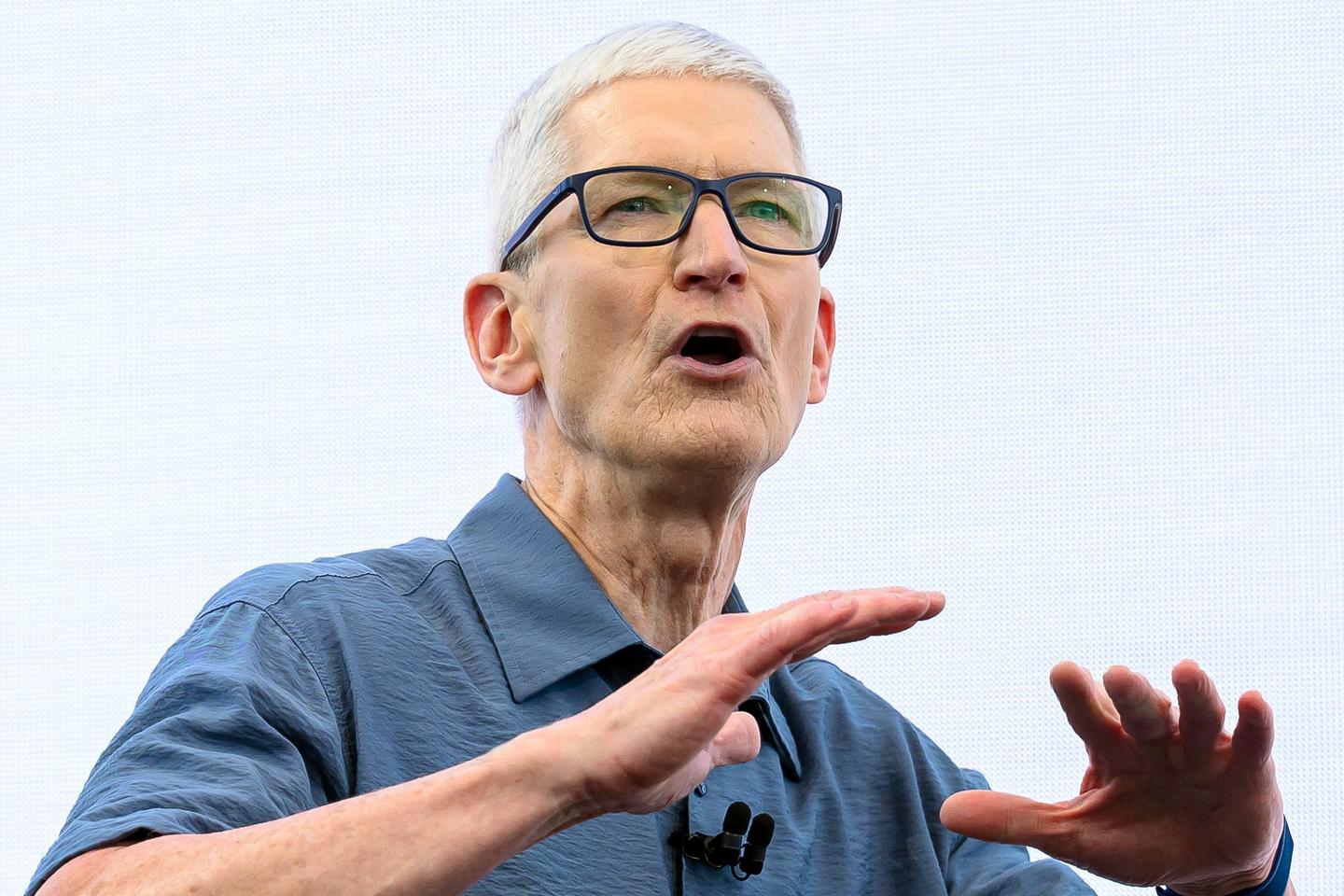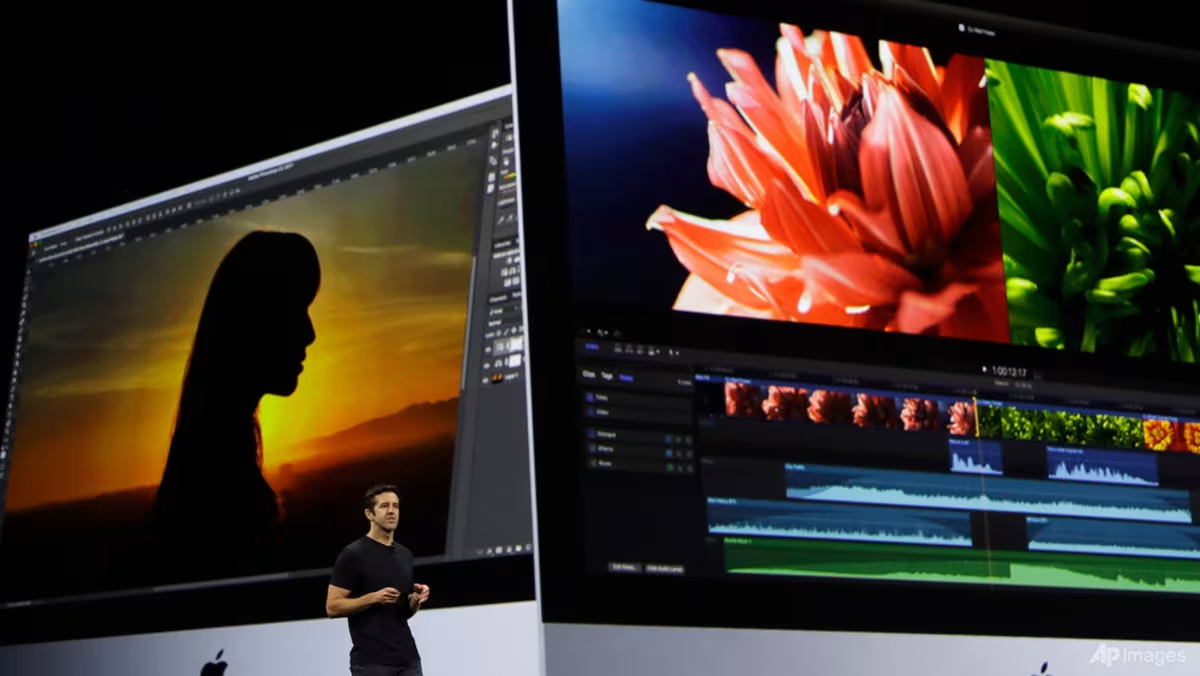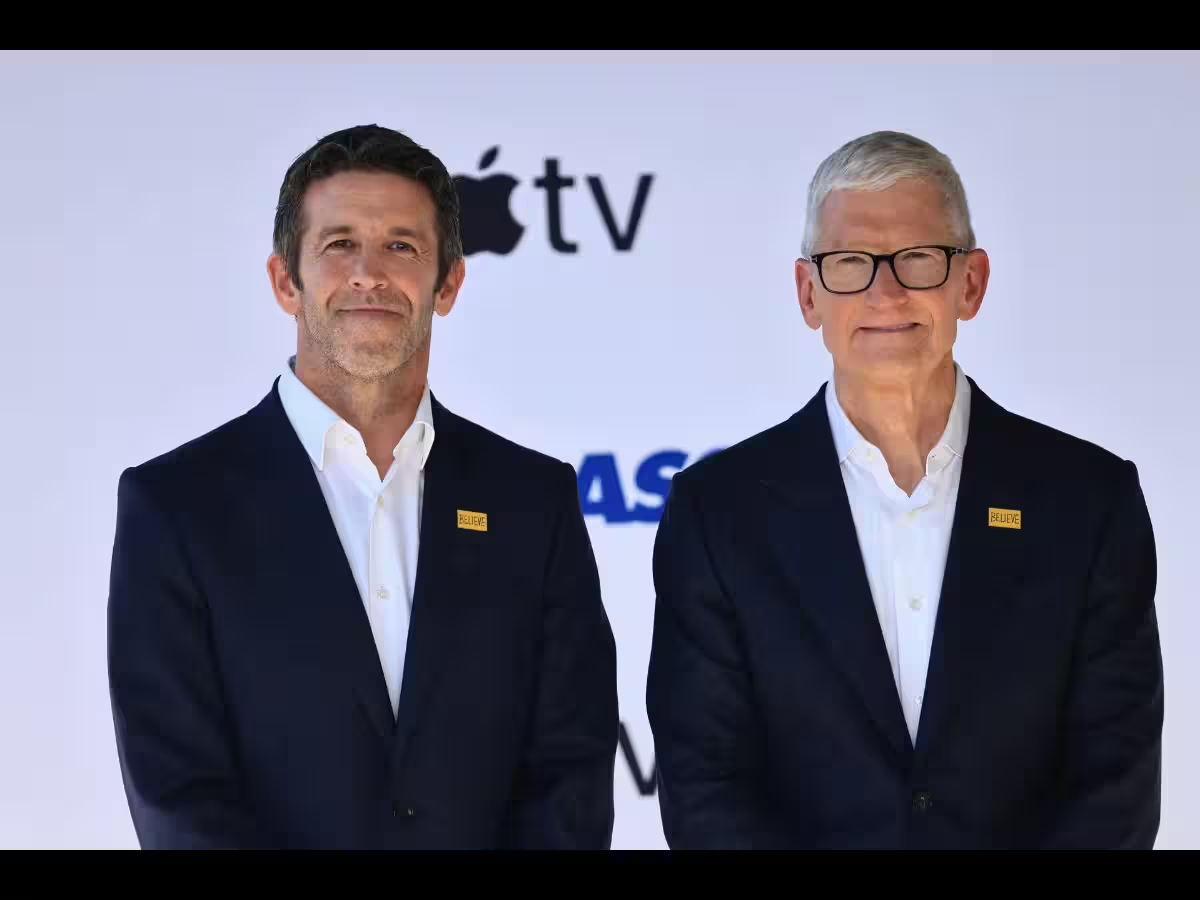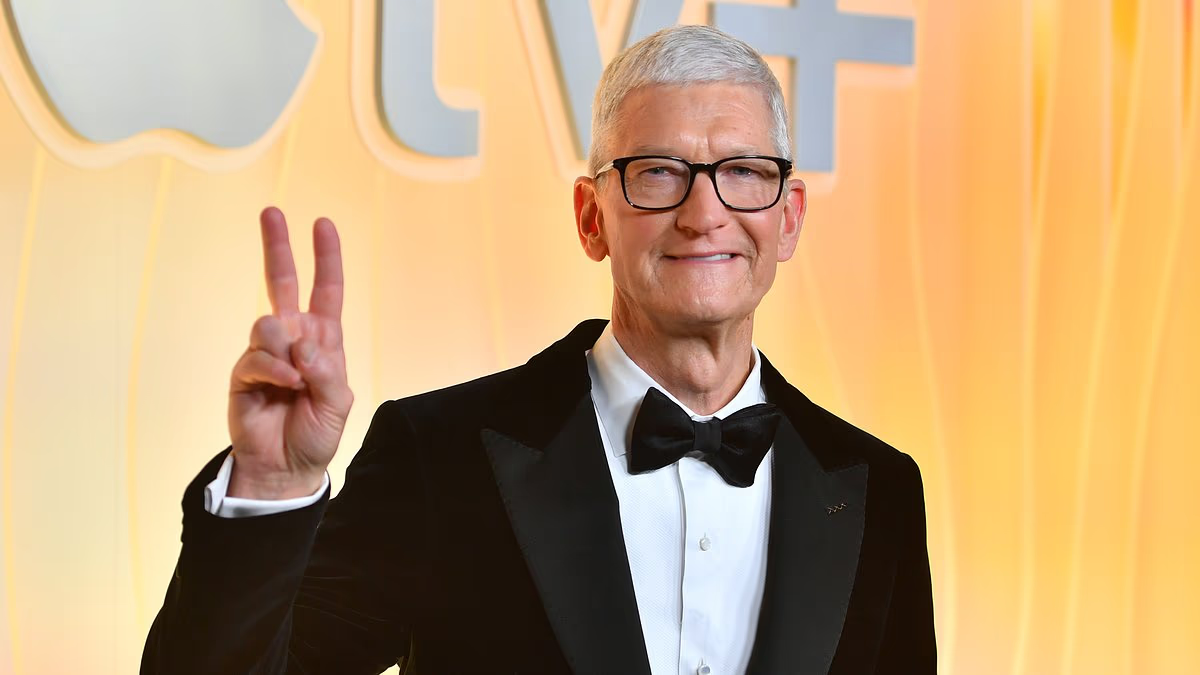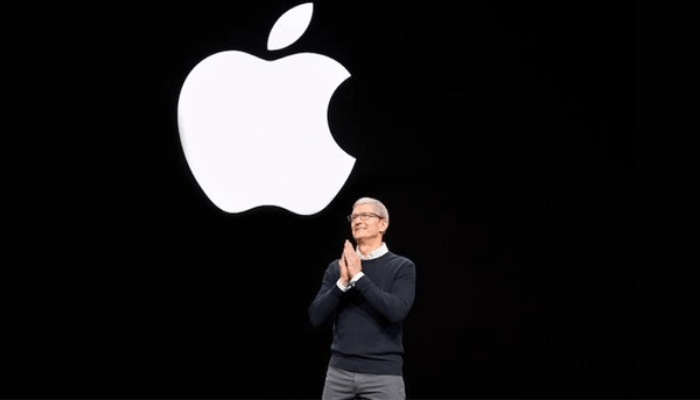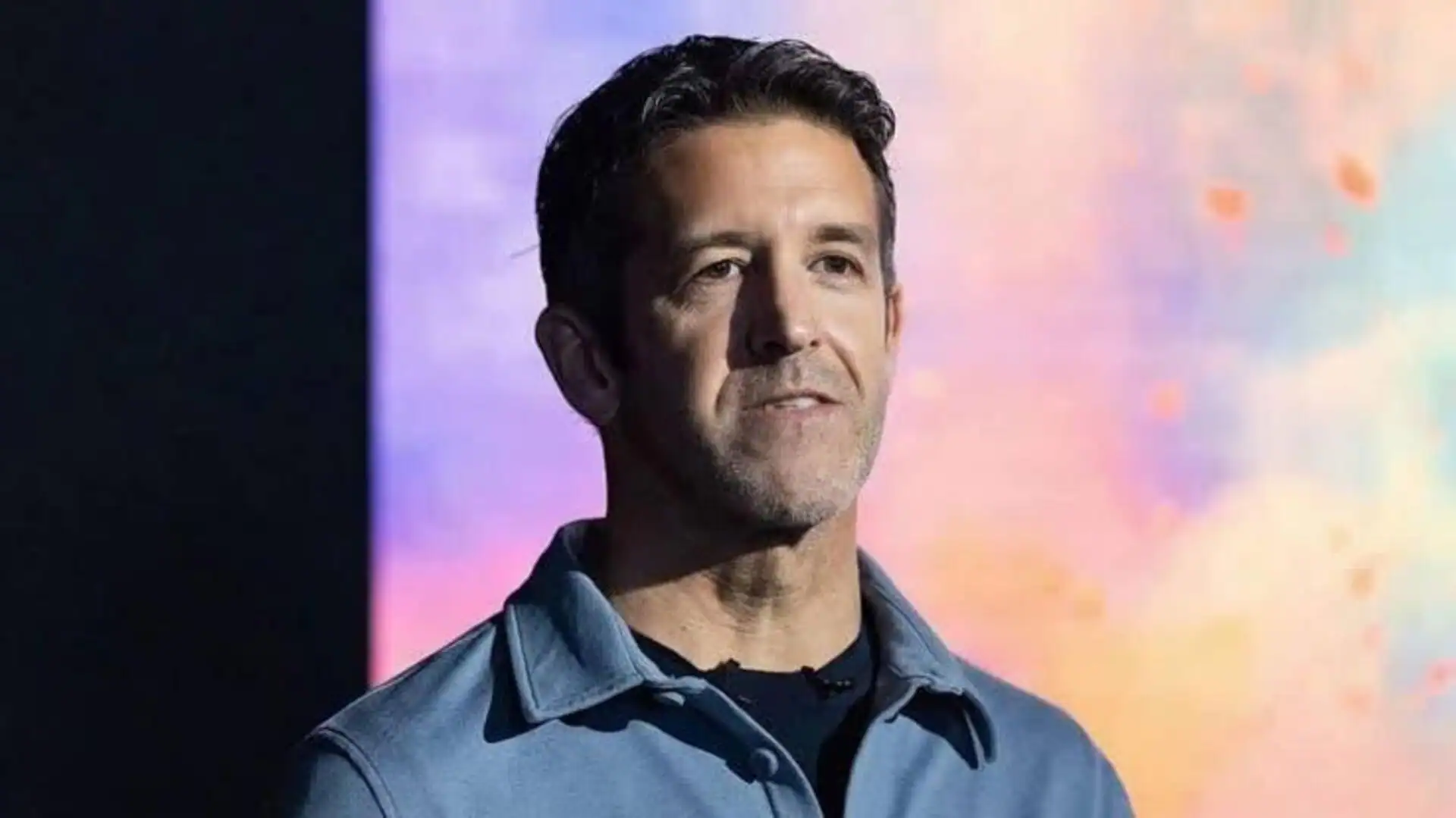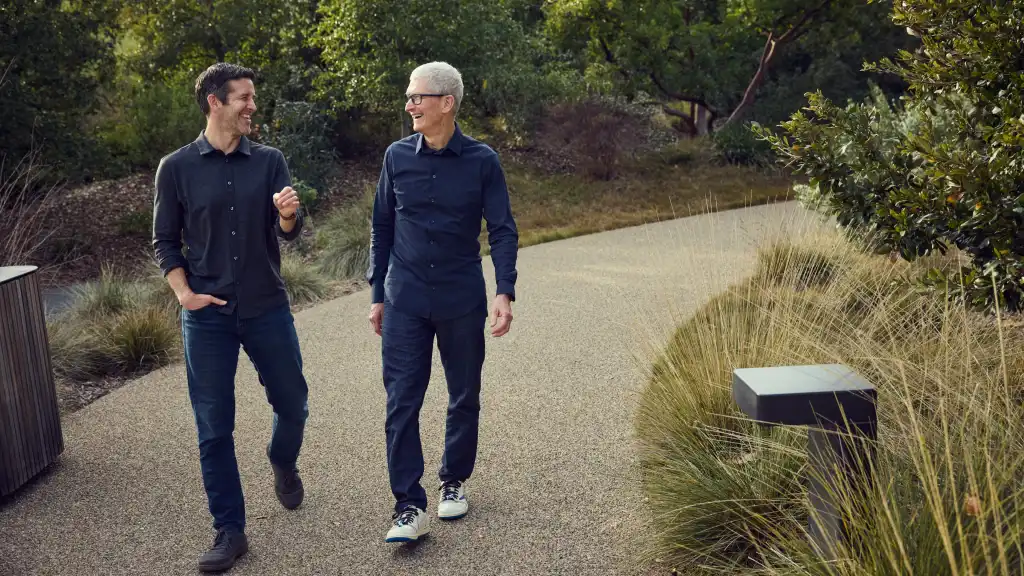
Apple CEO Tim Cook becomes chairman of the company board tomorrow, with John Ternus taking over the top job in Cupertino. Both men followed in the footsteps of visionary Apple co-founder Steve Jobs, and both have found they must build their own definition of success.
The past is a guide, but not a template
Think back to 2011 when Jobs pushed Cook into the CEO seat. It was a tragic start, as cancer took Jobs much too early. When Cook stepped into the role, people didn’t seem to expect much from him as CEO. He was a strategy and operations type, after all, not a visionary. He had no product design background, they said.
That opinion never seemed to shift, no matter what Cook did. It’s as if Apple Music, AirPods, Apple Watch, Vision Pro, AirTag, Apple Pay and other services, the development of Apple’s own processors, and the company’s financial success (despite challenging disasters such as COVID-19) counted for nought.
Cook’s ethical commitments, particularly toward LBGT+ and Black representation, privacy, and the environment have also become far more fundamental to corporate DNA than they were under Jobs. The Jobs-era Apple was worth a healthy $350 billion when he stepped down; as Cook moves on, Apple has become a $4 trillion corporation with hundreds of millions of consumers contributing monthly recurring fees for a variety of compelling services.