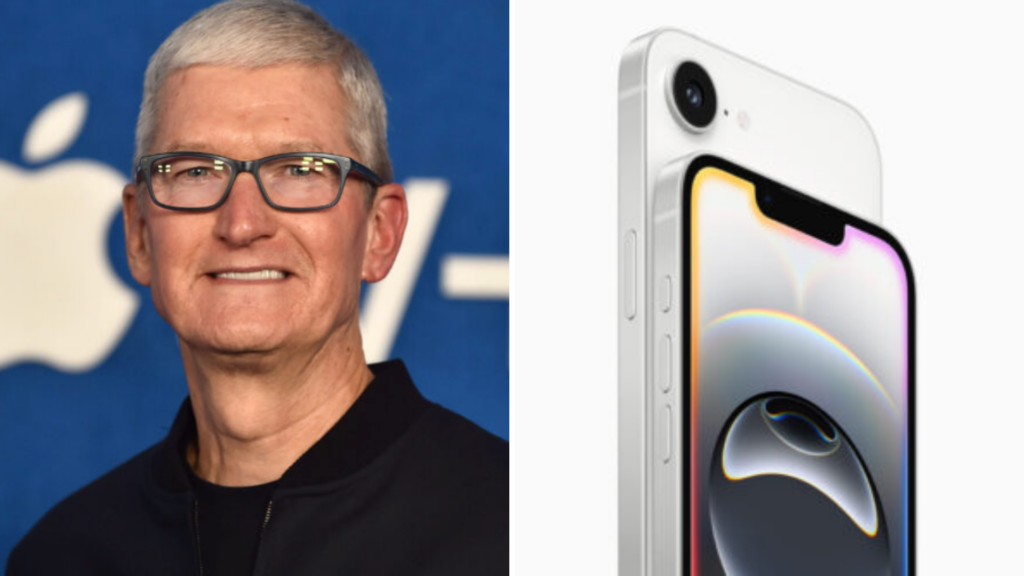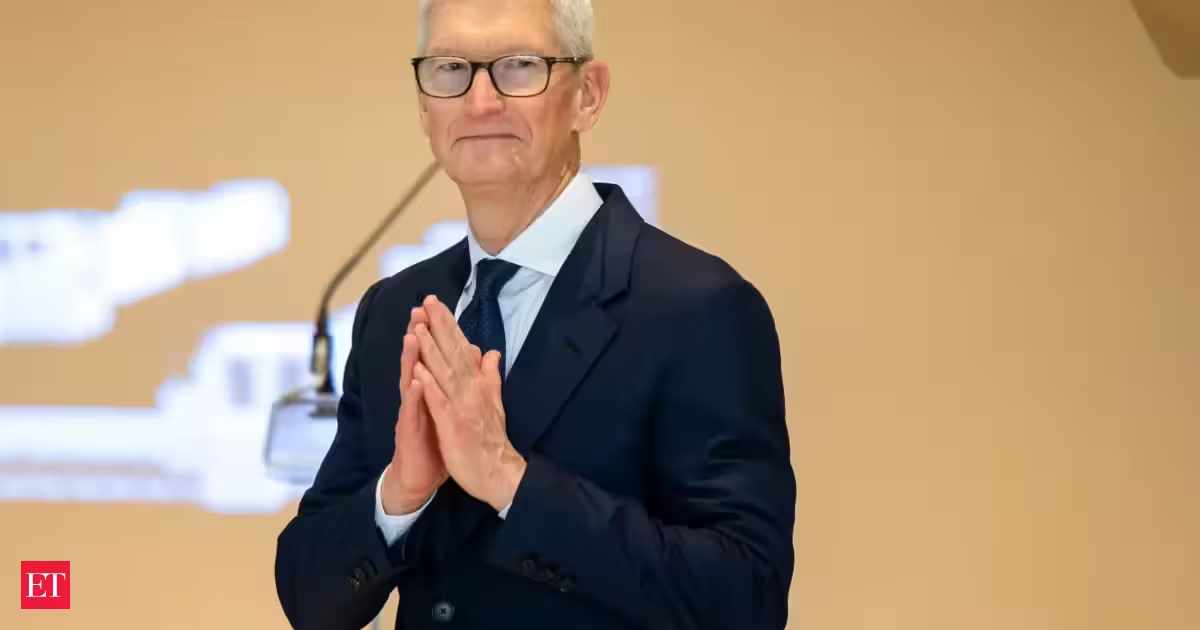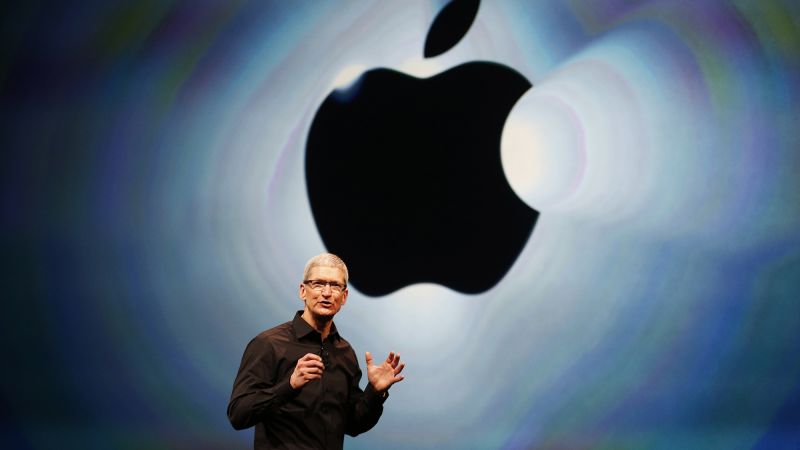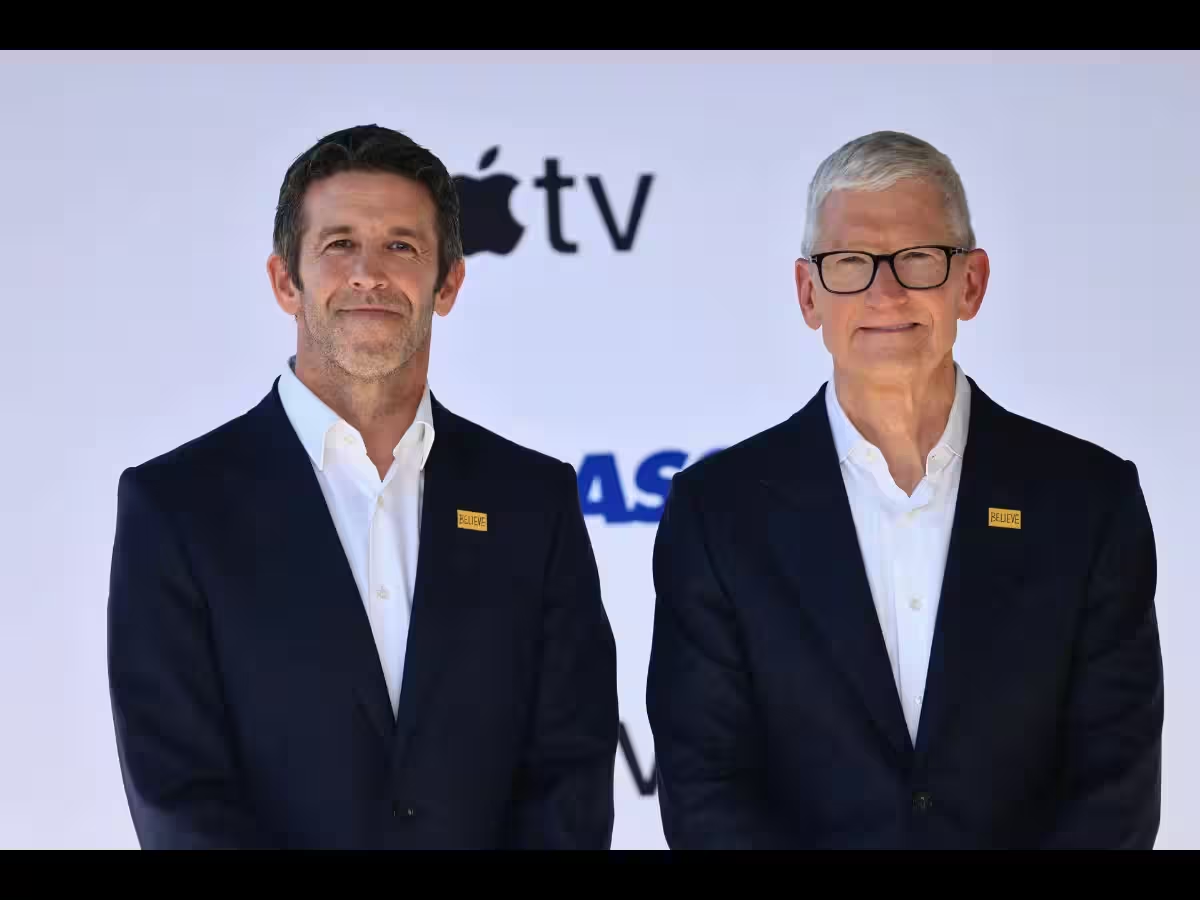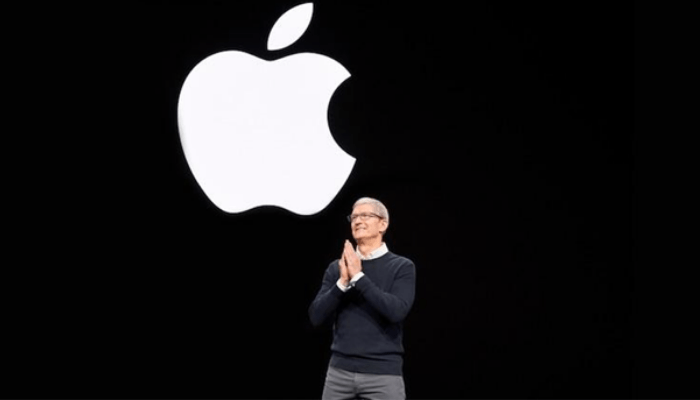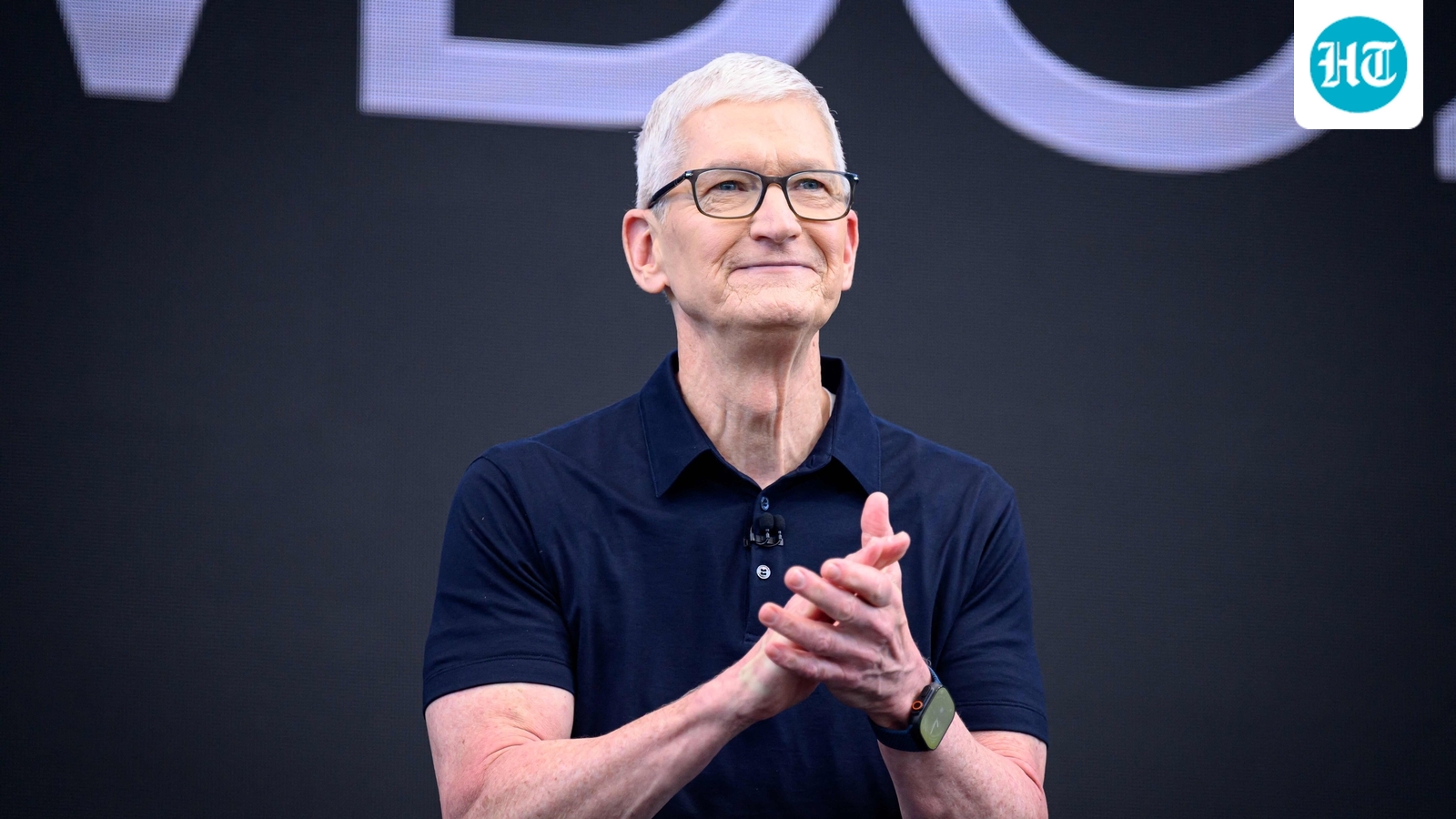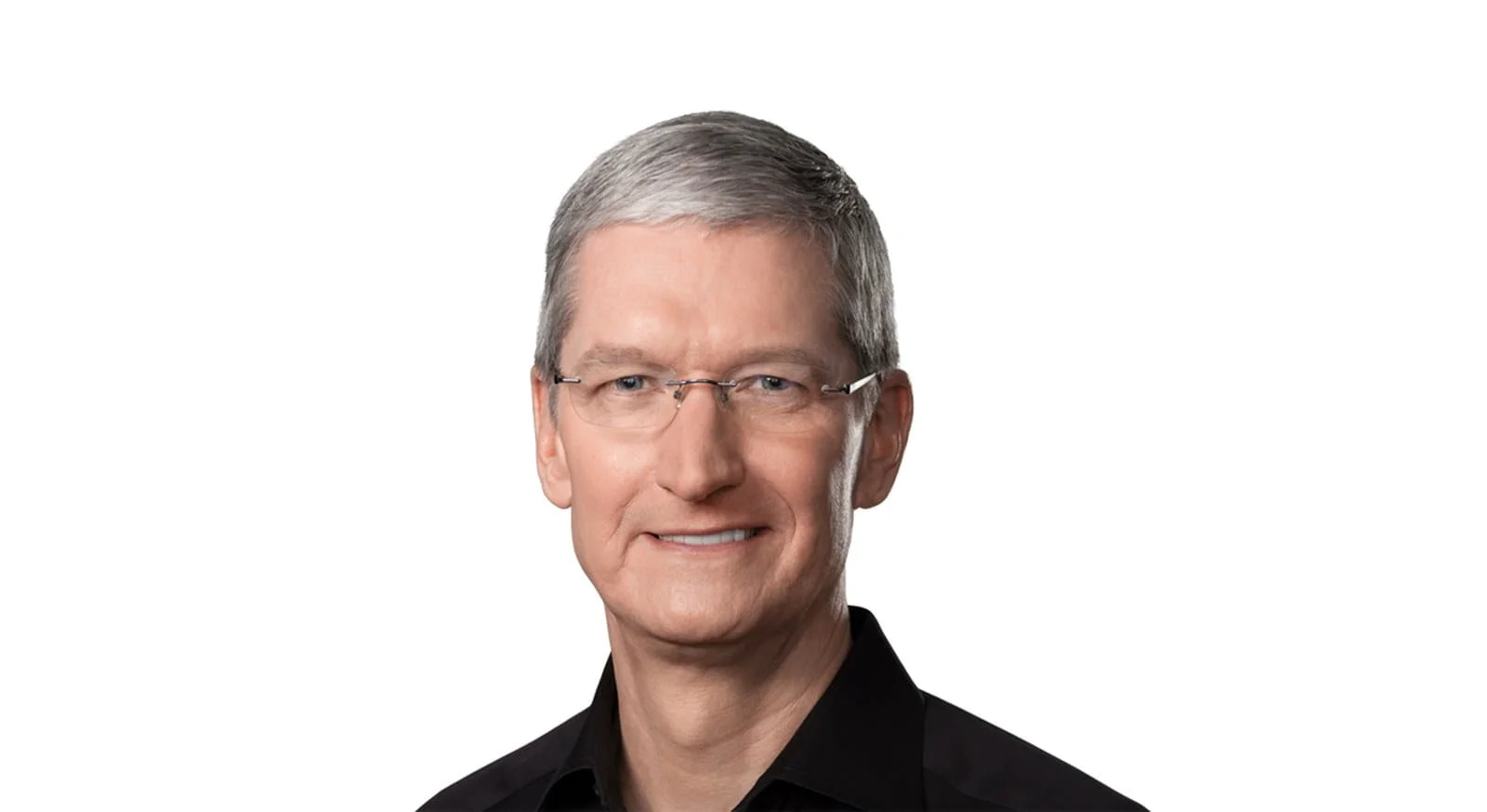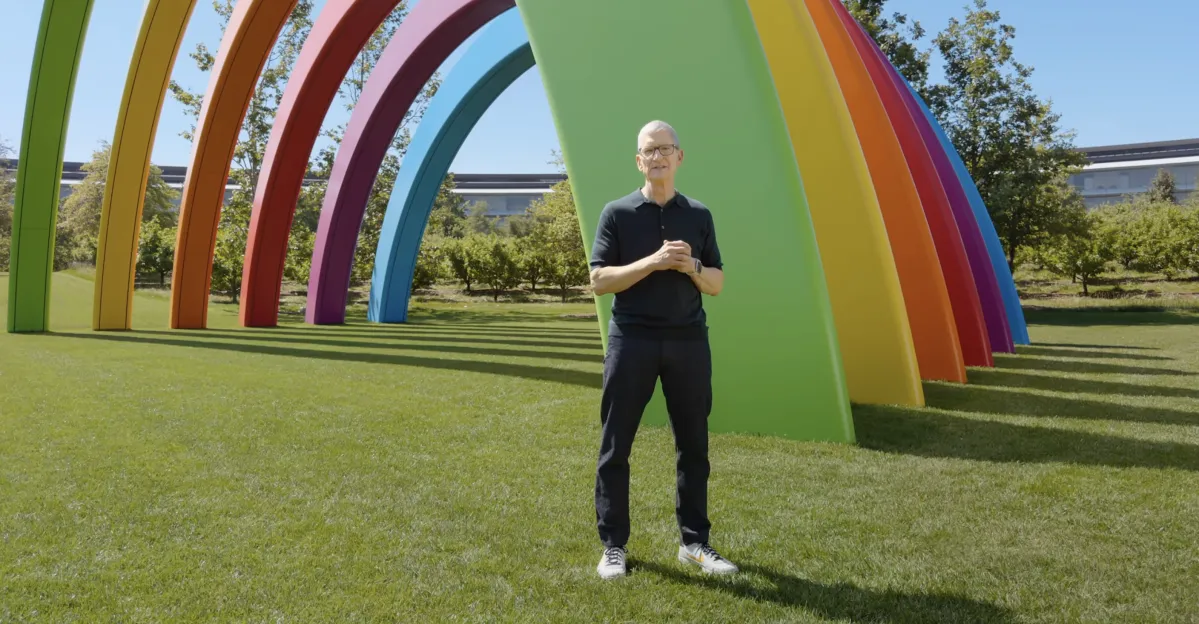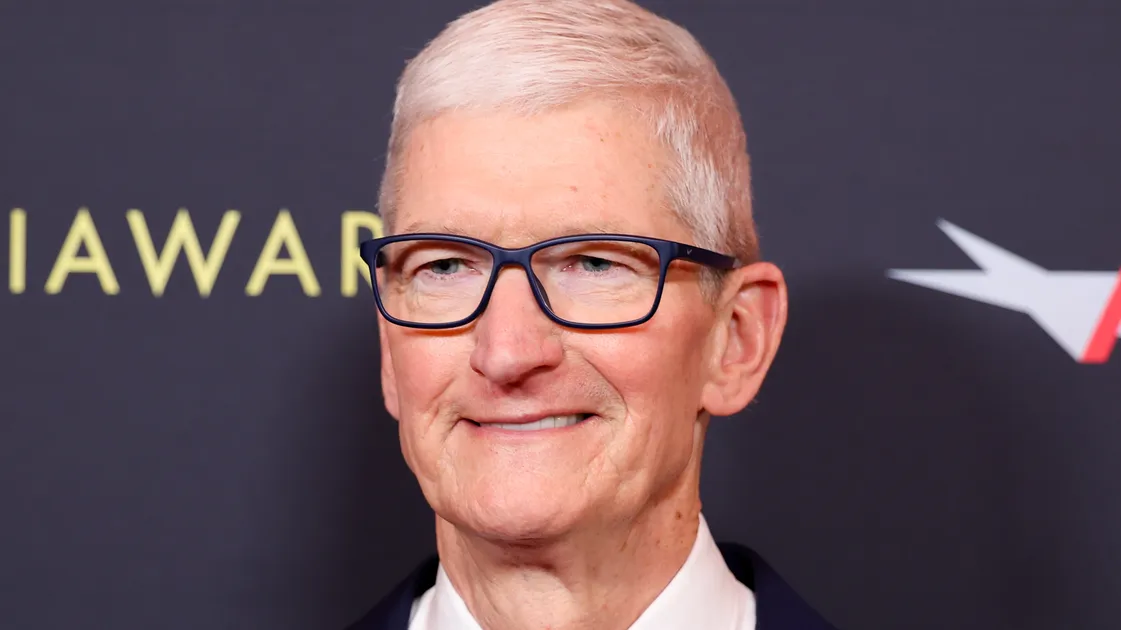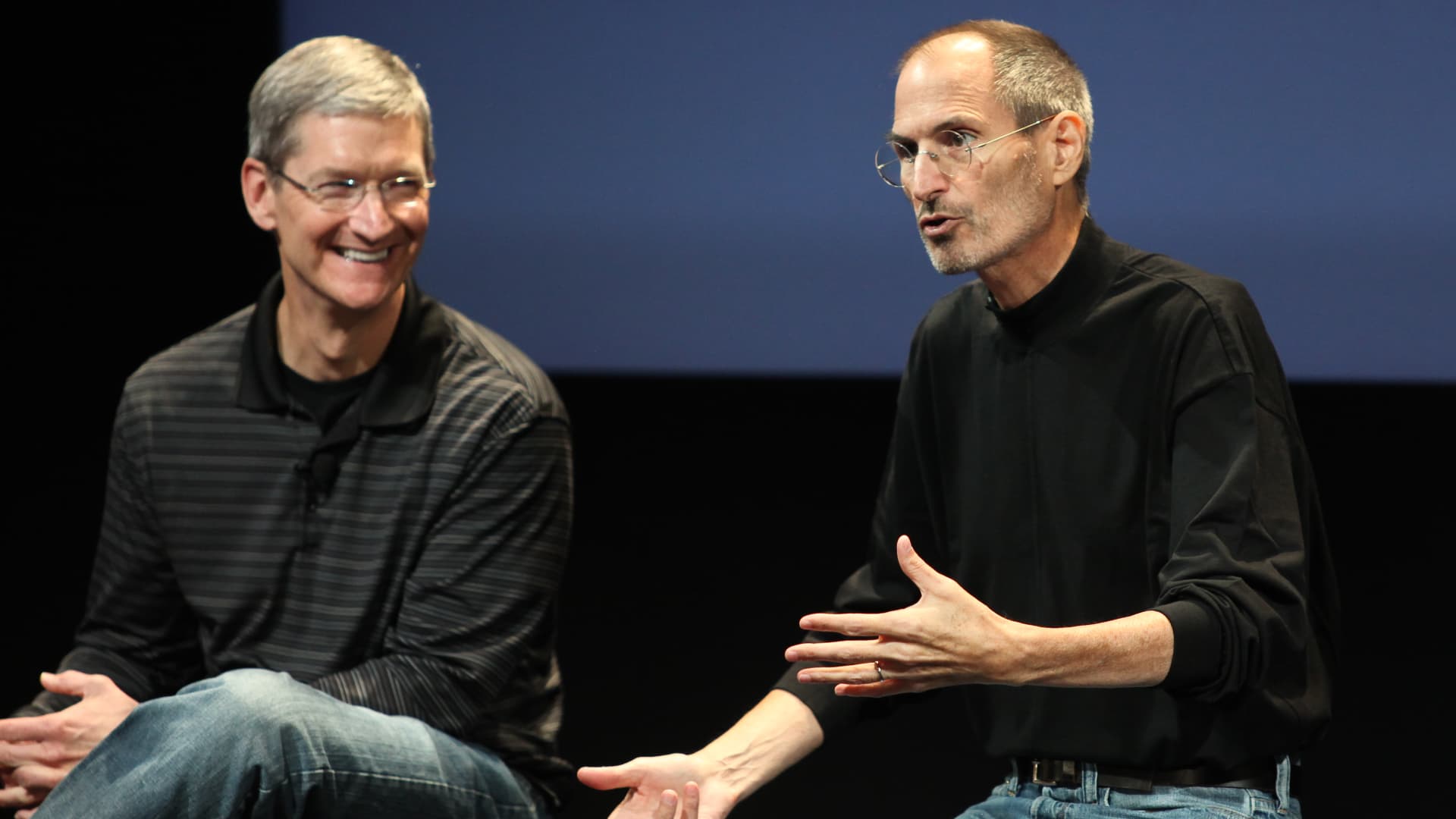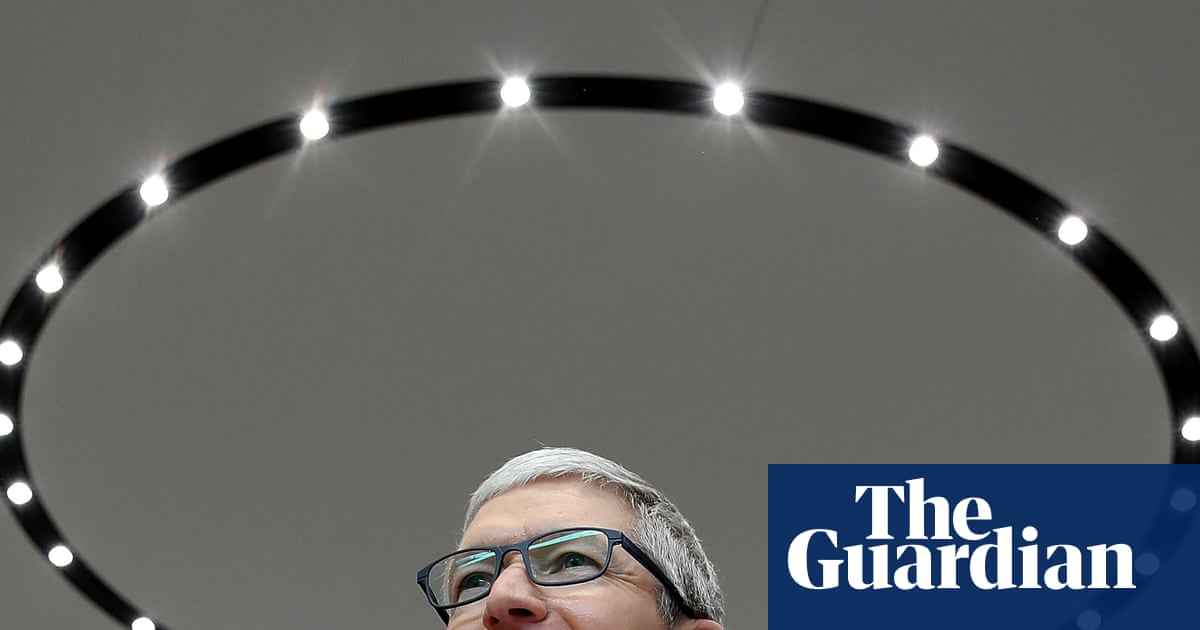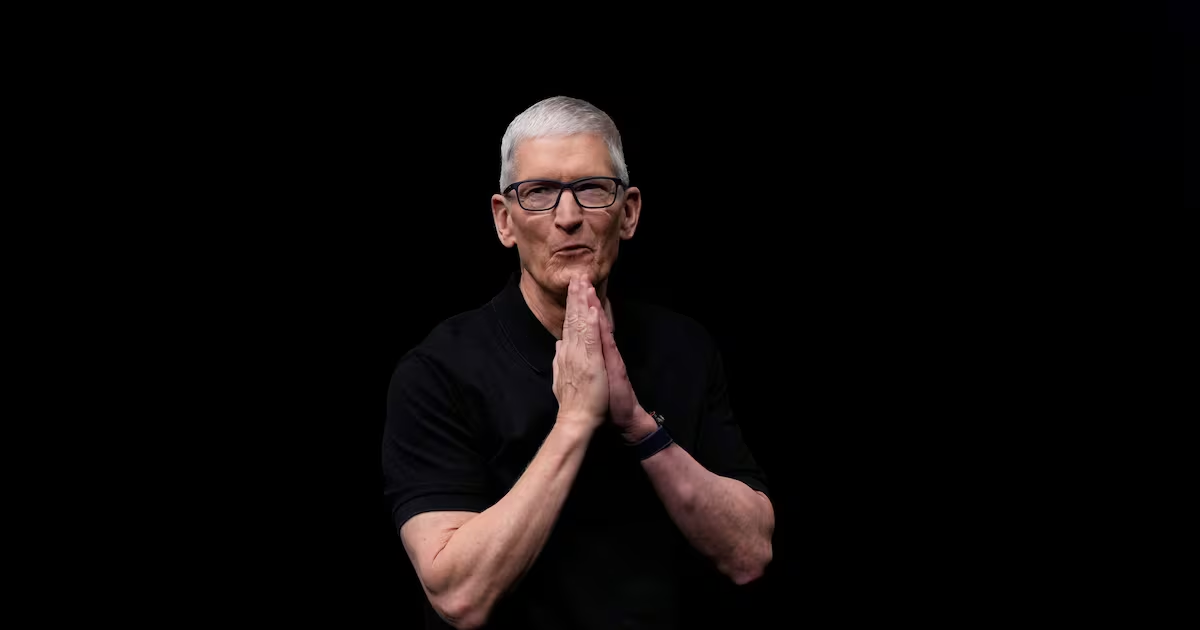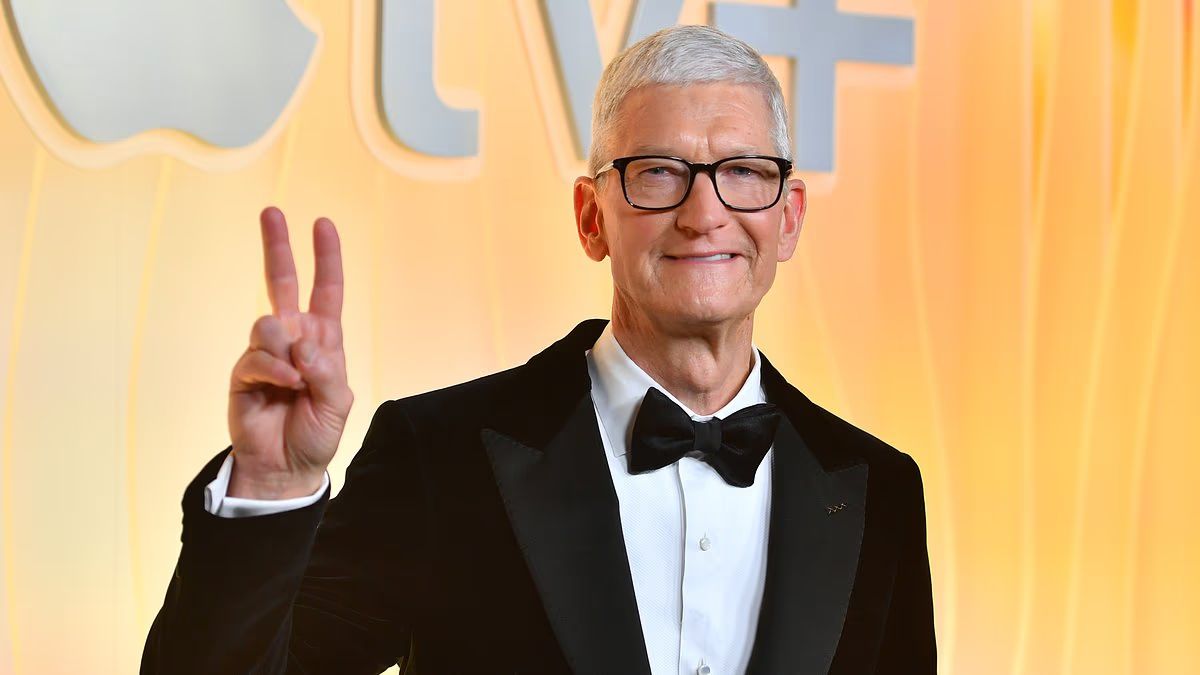
Fifteen years ago, Tim Cook started one of the toughest jobs in the world: Taking over from Steve Jobs as CEO of AppleNow, as he prepares to step down as Apple's chief executive, he is leaving his successor an even more daunting task – running a company valued at almost $5 trillion and somehow figuring out how to make it even more valuable.Cook officially hands the reins to Apple's new CEO John Ternus on September 1, bringing an end to one of the most remarkable runs in corporate history.Ternus, 51, is hardly an outsider. He has spent more than two decades at Apple and currently serves as its senior vice president of hardware engineering, overseeing the teams responsible for the iPhone, Mac, iPad, Apple Watch and other products.He joined Apple in 2001 and has risen through the ranks to become one of the company's most important hardware executives, playing a role in the development of products including the iPhone, iPad and Mac.But taking over from Cook means inheriting an almost impossibly high bar. When Cook became CEO in August 2011, Apple was worth around $350 billion - today, it's valued at close to $5 trillion.The company sold around 72 million iPhones in the year Cook took over. Counterpoint Research estimates it will sell around 255 million iPhones this year.Cook also oversaw the creation of huge new businesses around the Apple Watch, AirPods and digital services, while transforming Apple's manufacturing operation and returning more than $1 trillion to shareholders through dividends and buybacks. Tim Cook has had one of the toughest jobs in the world: following Steve Jobs. Now, as he prepares to step down as Apple's chief executive, he is leaving his successor an even more daunting task – taking over a company worth almost $5 trillionAnd while Cook leaves Apple in extraordinarily strong financial health, his successor faces some major problems of his own – from the company's struggle to keep pace in artificial intelligence to its dependence on China and mounting pressure on its lucrative App Store business.Here are Cook's greatest hits – and the challenges they leave behind for Ternus. 1. The Apple WatchCook's first major new product category was also his biggest test. The Apple Watch arrived in 2015, four years after he became CEO and following Jobs' death.There were plenty of questions over whether anyone really needed a computer strapped to their wrist.The answer, increasingly, has been yes. The device has evolved from a fashion accessory into a health and fitness gadget, with features including heart-rate monitoring, fall detection and crash detection.It has also become a huge business. Apple now sells more watches annually than Switzerland's entire watch industry, according to reports.For Ternus, that means one of the first challenges will be keeping Apple's wearables business growing without simply relying on ever more incremental upgrades.2. AirPods – the tiny gadget that became a phenomenon Then there were AirPods. When Apple's wireless earbuds launched in 2016, the internet had plenty of fun with their unusual appearance and eye-watering price.Yet consumers quickly got the joke. AirPods became one of the most recognizable pieces of consumer technology on the planet and helped make wireless earbuds mainstream.Their success also strengthened Apple's carefully constructed ecosystem. The iPhone, Apple Watch, AirPods and Mac could all work together with almost no effort from the user.Cook officially hands the reins to John Ternus on September 1, bringing an end to one of the most remarkable runs in corporate history Cook's first major new product category was also his biggest test. The Apple Watch arrived in 2015, four years after he became CEO and following Jobs' death AirPods became one of the most recognisable pieces of consumer technology on the planet and helped make wireless earbuds mainstreamThe scale of the business is now enormous, with AirPods sales comparable with the revenues of Major League Baseball, according to The Wall Street Journal.But again, Ternus inherits a mature category rather than a blank canvas. His challenge will be finding the next generation of products that can join the Apple ecosystem – and convincing consumers that they need them.3. He transformed Apple into a services powerhouse Perhaps Cook's most important achievement happened without the launch of a flashy new gadget. He dramatically expanded Apple's services business.Under Cook, Apple moved deeper into subscriptions and digital services including Apple Music, Apple TV+, iCloud, Apple Pay and the App Store.The strategy gave Apple something it desperately wanted: a huge stream of recurring revenue from people who already owned its products.The company now has around 1.5 billion paid subscriptions, while services have become one of its most profitable divisions. It has also created a formidable ecosystem in which the more Apple products you own, the harder it becomes to leave.There have been downsides. Apple's App Store commissions have faced growing legal and regulatory challenges, with developers increasingly able to steer customers towards alternative payment methods.It has been reported that Apple's App Store commission revenue in the US fell 6 percent in the June quarter. That makes the services empire one of Ternus' biggest assets – but also one of his biggest headaches.4. The Mac's incredible chip makeover Cook also made one of Apple's biggest technical decisions when he moved the Mac away from Intel processors and towards chips designed in-house.The first Apple silicon Macs, powered by the M1 chip, arrived in 2020.The result was a major leap in performance and battery life – and gave Apple far greater control over the relationship between its hardware and software.The move has proved particularly useful in the age of AI. Apple's chips are capable of running increasingly sophisticated AI models locally, helping give the Mac a new lease of life.As a result of these advancements, it has been reported that Apple has struggled to make some Macs quickly enough to meet demand. But AI is also where Ternus faces perhaps his biggest test.Apple has fallen behind rivals including OpenAI and Google in the race to develop cutting-edge AI products, while Siri has struggled to match increasingly capable AI assistants.For a hardware expert taking charge in the middle of the AI revolution, that is an uncomfortable inheritance.5. The world's first $1 trillion company – then $2 trillion, $3 trillion and beyond Then there is the achievement that doesn't fit neatly into a product launch: Money, lots and lots of it.Apple's market value has risen roughly 13-fold during Cook's tenure, taking it from around $350 billion when he became CEO to almost $5 trillion today.The company also became the first publicly traded business to hit $1 trillion, $2 trillion and $3 trillion valuations.Cook oversaw more than $1 trillion being returned to shareholders through dividends and share buybacks, according to The Wall Street Journal.But perhaps the clearest measure of his success is the number of iPhones Apple sells. The company sold around 72 million iPhones in the year Cook became CEO. Apple's market value has risen roughly 13-fold during Cook's tenure, taking it from around $350 billion when he became CEO to almost $5 trillion today
Apple's CEO steps down after building a $5trillion tech juggernaut
Outgoing Apple CEO Tim Cook inherited a company built around an extraordinary vision - and somehow managed to make it even bigger.
2,594 words~12 min read