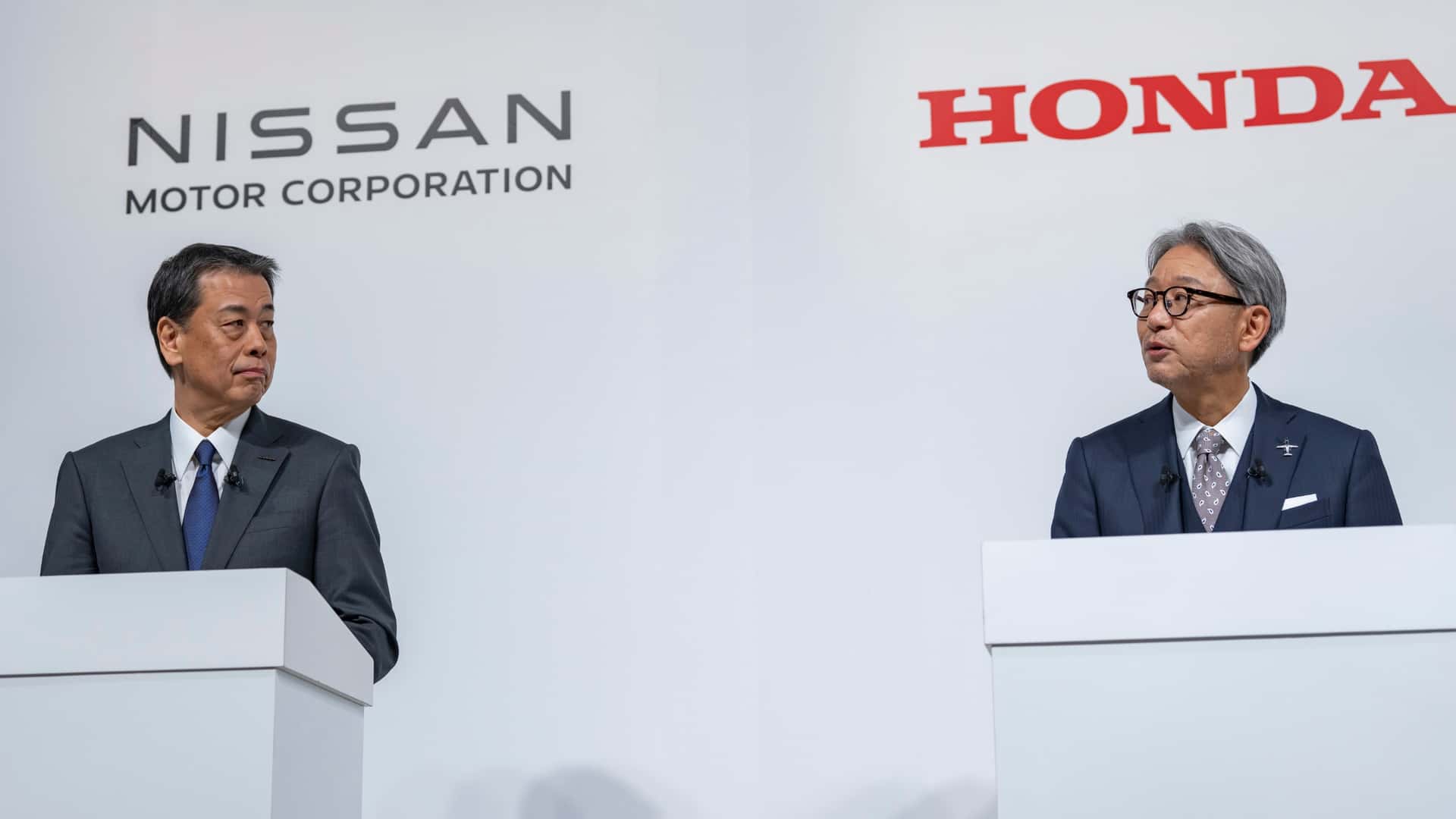
Nissan and Honda have signed a cooperation agreement to standardise several electronic control units (ECUs) that form the core of next-generation software-driven vehicles. The deal will allow both automakers to reduce their investments, as they would otherwise have to bear the full development costs on their own. Beyond ECUs, the duo also says it plans to standardise and jointly develop the vehicle’s internal operating system as well as key parts of the middleware and vehicle control software that run on the ECUs.
The agreed timeline for the planned E/E architecture, which will include the jointly developed ECUs and software, is scheduled for implementation in both companies’ next-generation smart cars starting in fiscal year 2029. A key objective is to establish uniform specifications for the components of the E/E architecture. The partners view this standardisation as the foundation for leveraging their combined technical expertise and development resources and, of course, for ultimately achieving greater economies of scale.
This collaboration demonstrates just how much Nissan and Honda, as relatively small automakers, rely on each other’s support. Two years ago, the two sides had already come very close to an agreement and even signed a memorandum of understanding regarding the merger of the two companies. However, the merger talks fell through in early 2025 due to differing negotiating positions. With the signing of this development partnership, both sides are emphasising their strategic partnership and their commitment to continue seeking opportunities for collaboration in a wide range of areas within that framework.