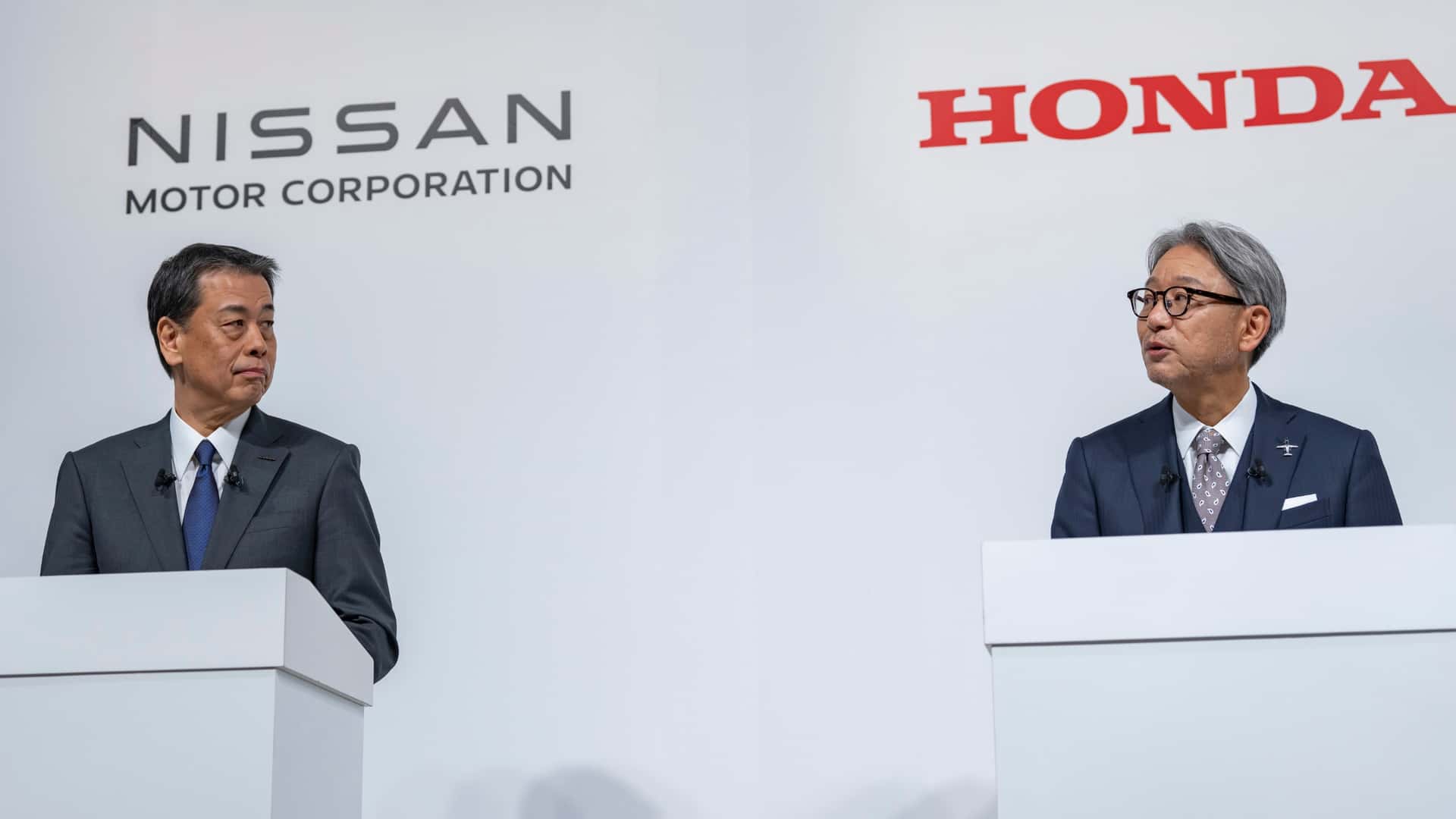
Honda Motor and Nissan Motor are strengthening their partnership by working together on vehicle software and electronic systems.The two Japanese automakers plan to jointly develop key technologies for next-generation vehicles as they look to reduce costs and compete more effectively with global and Chinese carmakers.The companies are expected to introduce the jointly developed technology in next-generation vehicles from fiscal 2029.By sharing software development and electronic components, Honda and Nissan hope to reduce development expenses, make their operations more efficient and build the scale needed to keep up with the fast-changing automotive industry.Key Highlights Honda and Nissan join forces on vehicle software for next-generation cars Honda Nissan partnership targets software-defined vehicles and lower costs Japanese automakers team up to compete with Chinese EV and software rivalsCompanies to Develop Common Vehicle SoftwareA major part of the partnership will focus on developing standardized electronic control units (ECUs), which control many of a vehicle’s important functions. Honda and Nissan will also work on an in-vehicle operating system that can bring different vehicle functions together and allow new features to be added through software updates.Software-defined vehicles (SDVs) are becoming increasingly important in the automotive industry. Modern vehicles rely on software for areas such as driver assistance, entertainment, connectivity and vehicle controls. Automakers are now looking to update these functions after a vehicle has been sold, rather than depending entirely on hardware changes when launching a new model.Nissan has already been developing its own vehicle operating system, which connects the vehicle’s software with cloud services and development tools. The company aims to use this system to introduce new functions through updates and make greater use of vehicle data.Honda has also been investing in automotive software and centralized computing systems as it prepares for vehicles that depend more heavily on digital technologies. Combining some of these efforts with Nissan could help both companies share development costs and bring new features to customers more quickly.The two automakers first began exploring cooperation on software-defined vehicle technology in 2024. Their discussions focused on areas such as vehicle intelligence and electrification, reflecting the growing importance of software in the future of mobility.Scale Needed to Take on Chinese RivalsThe latest agreement comes after Honda and Nissan ended discussions over a broader business integration. While the proposed merger did not move forward, the companies have continued to look for areas where cooperation could benefit both sides.Software development is one area where greater scale can make a significant difference. Developing vehicle operating systems, computing platforms and artificial intelligence technologies requires large investments. Sharing these costs across more vehicles could help Honda and Nissan improve efficiency while reducing the financial burden on each company.The move also comes as Chinese automakers continue to make rapid progress in electric vehicles (EVs) and automotive software. Companies such as BYD have built strong positions by combining competitive pricing with advanced batteries, connected features and digital technology. This has increased pressure on traditional Japanese automakers to speed up their own technology development.Honda and Nissan have also considered working with Mitsubishi Motors on areas such as vehicle software and component standardization. Cooperation among the three companies could potentially provide additional scale and help them compete more effectively.Also Read: Chinese Memory Chipmaker Longsys Targets $801M Hong Kong IPO in 2026For Honda and Nissan, the software partnership provides a practical way to work together without returning to the larger merger plan. If the collaboration delivers the expected results, the companies could lower development costs, speed up innovation and strengthen their position as the automotive industry moves toward next-generation vehicles.
Honda and Nissan Team Up on Vehicle Software to Compete Globally
Honda and Nissan partner on vehicle software and electronic systems to reduce development costs, accelerate innovation and compete with Chinese automakers
586 words~3 min read