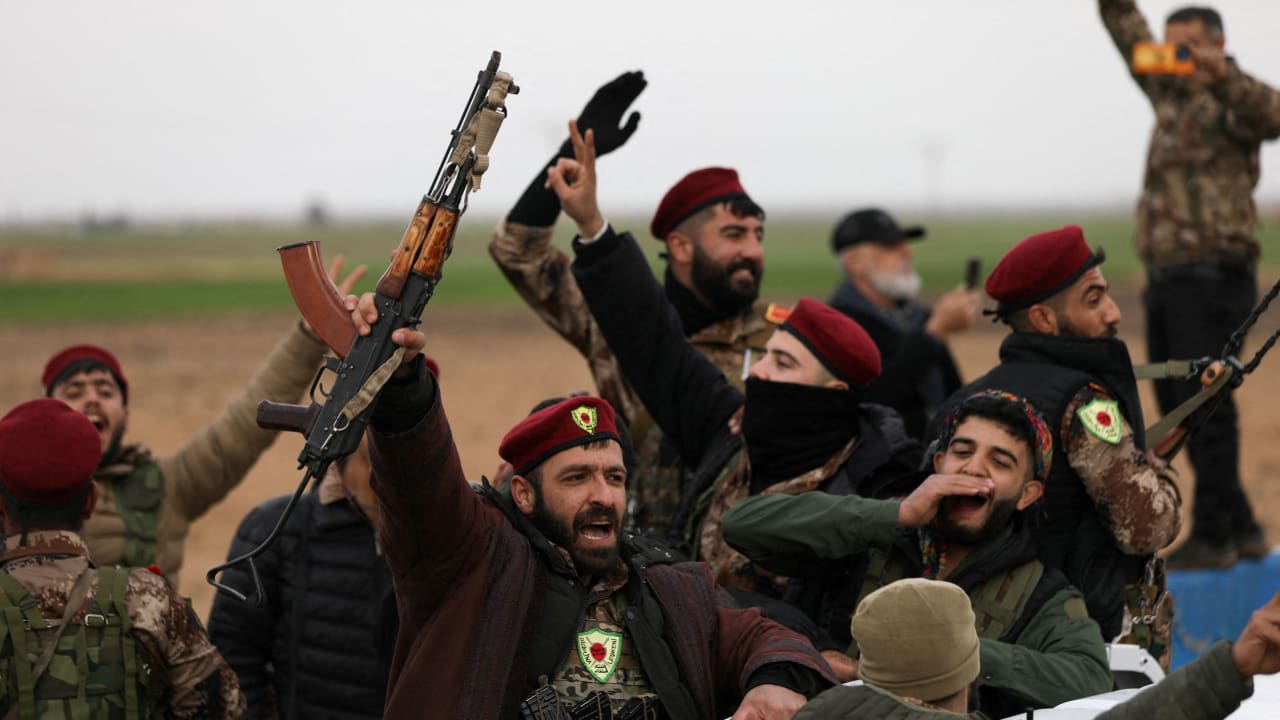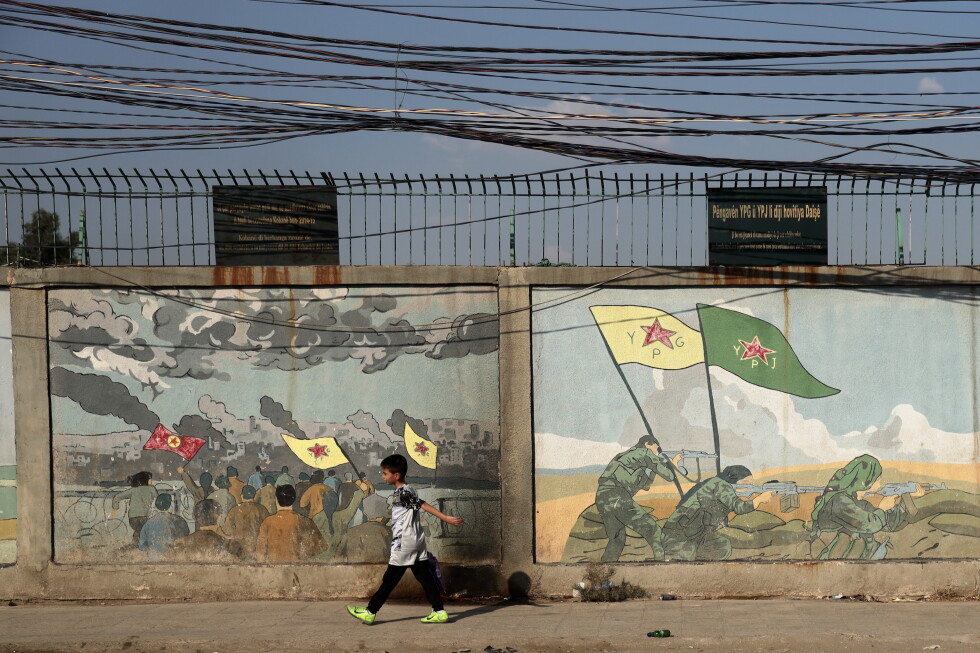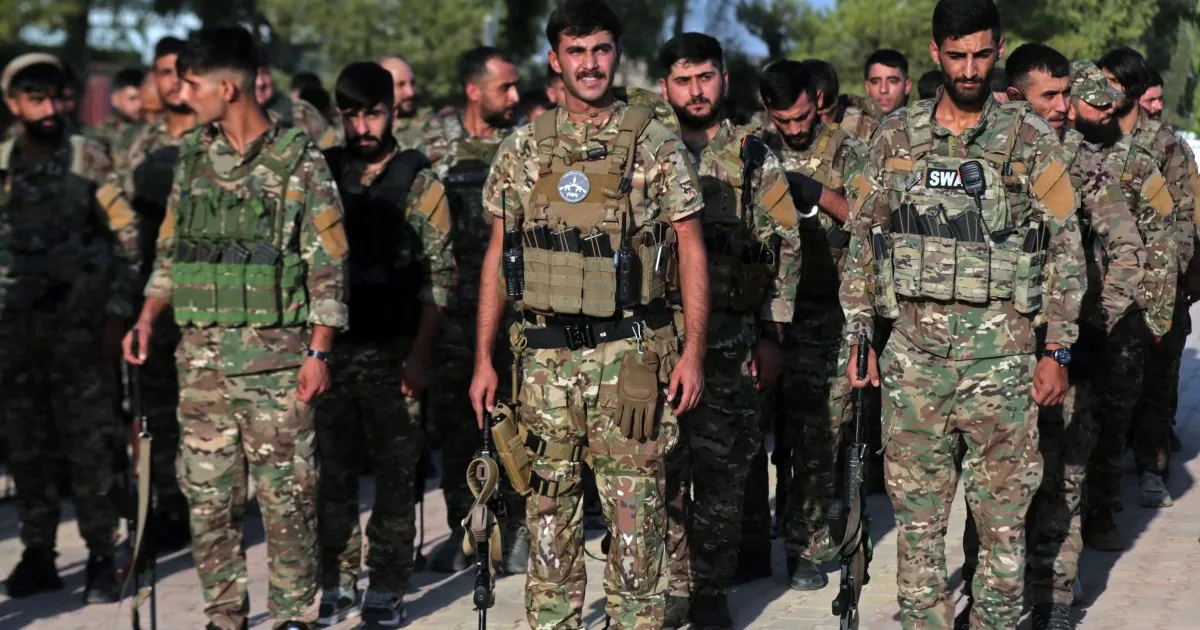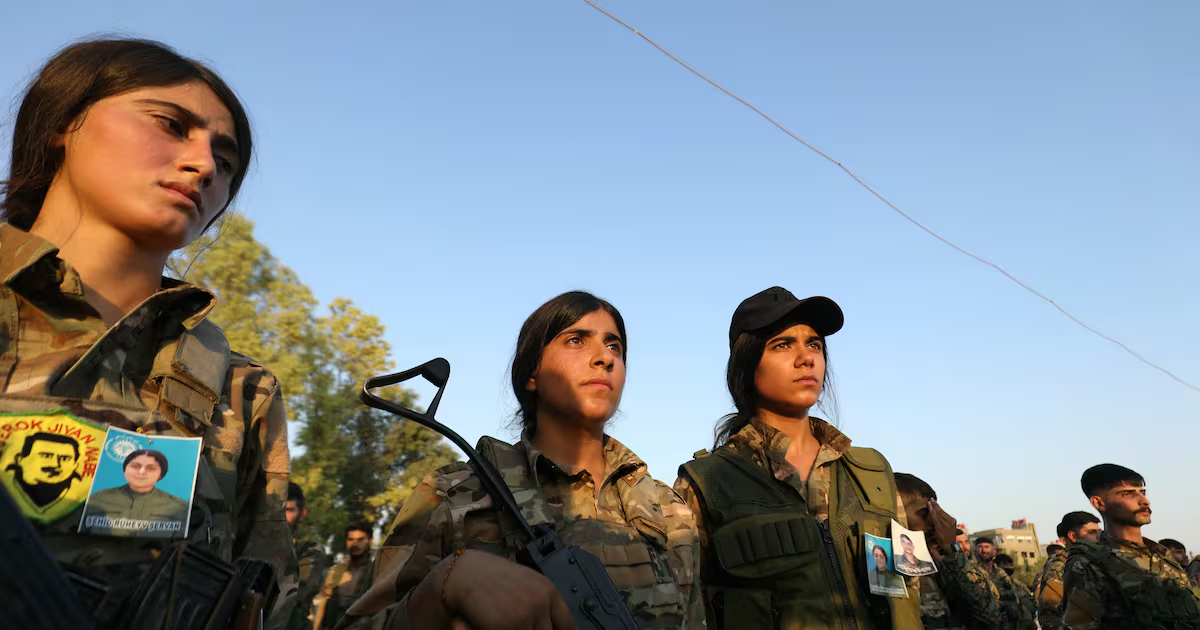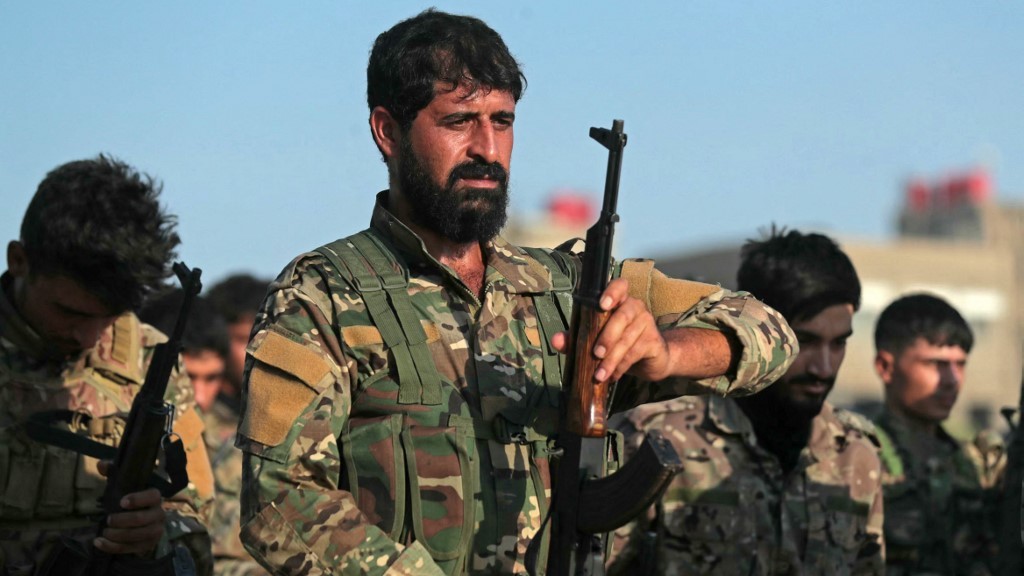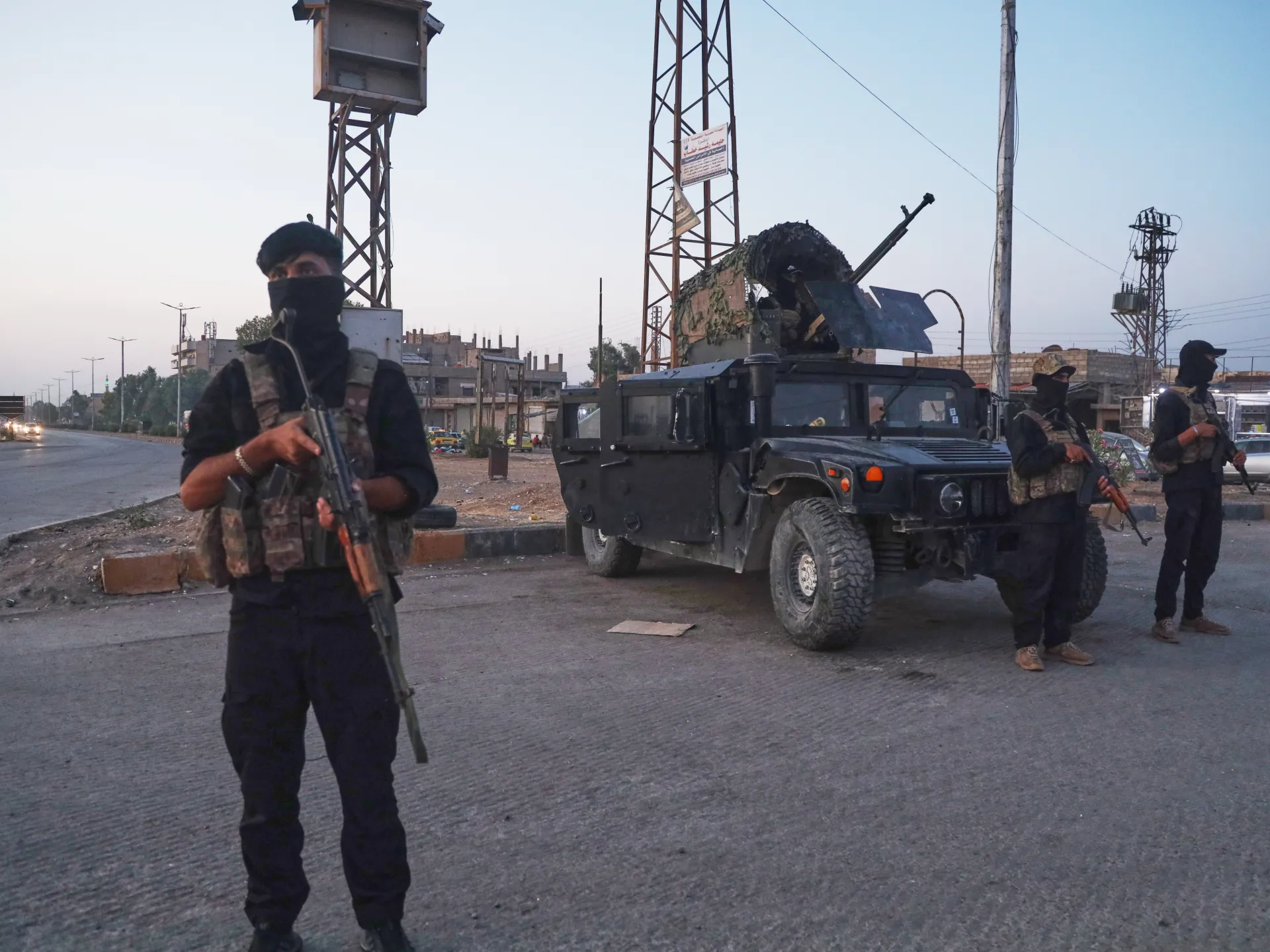
Nearly a week after the Syrian Democratic Forces agreed to dissolve, the consequences are beginning to take shape for Syria's Kurds and neighbouring Turkey. As the former US-backed force is absorbed into the Syrian state, questions remain over what the country's Kurds have secured in return – from language and political rights to protections for women – and what the end of more than a decade of Kurdish-led autonomy means for Turkey's own conflict with Kurdish militants.
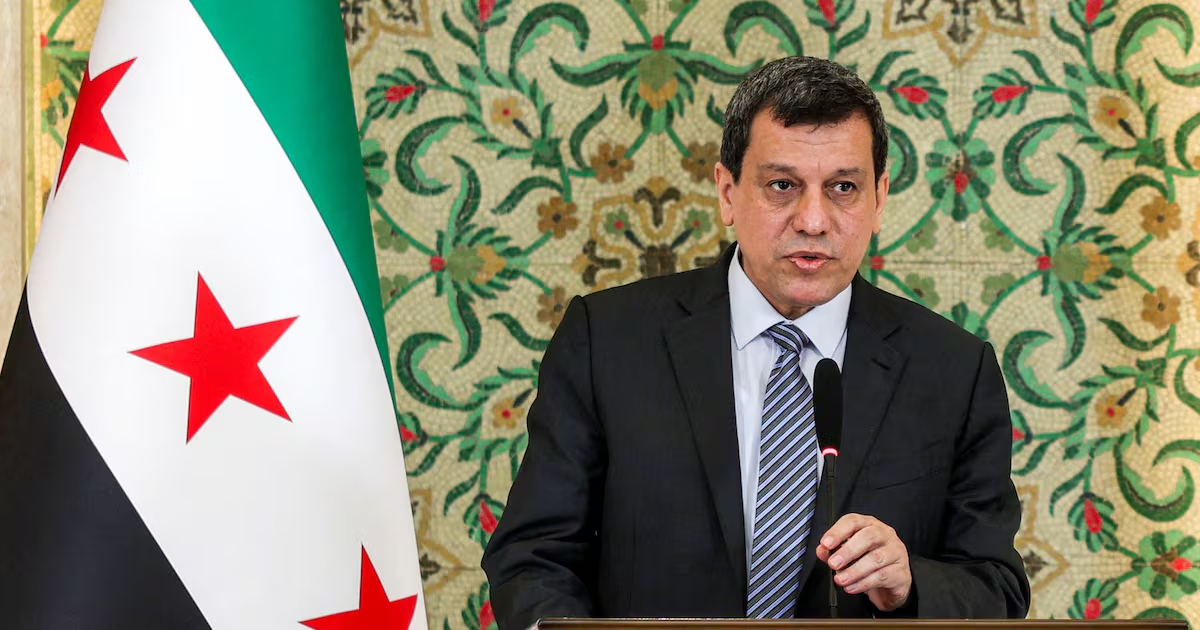
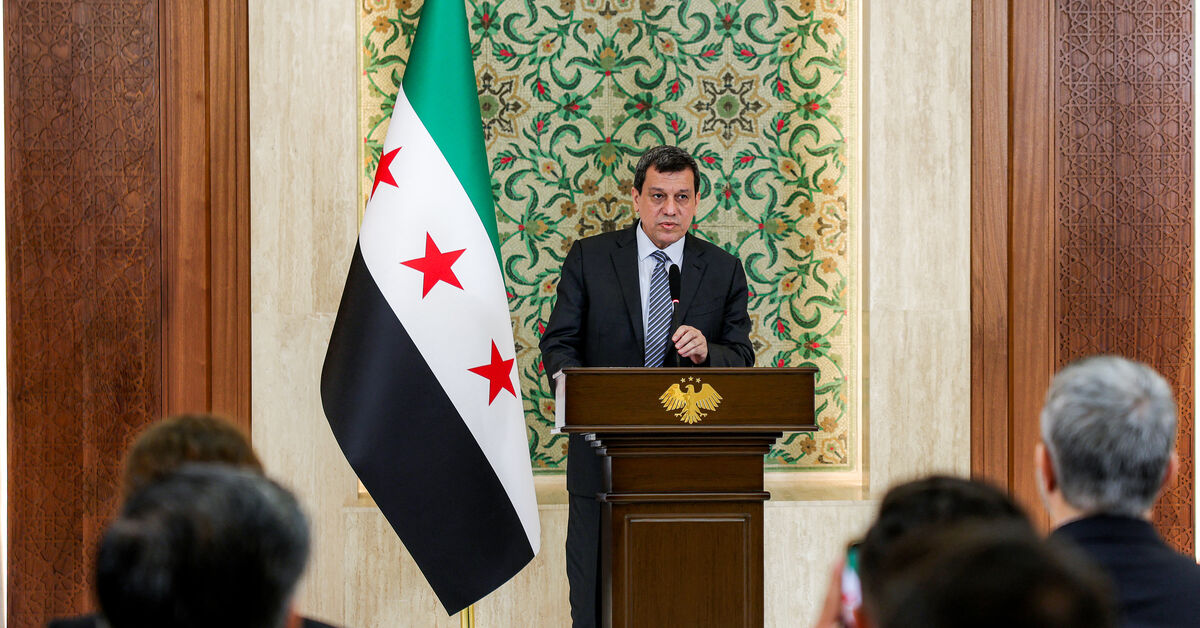
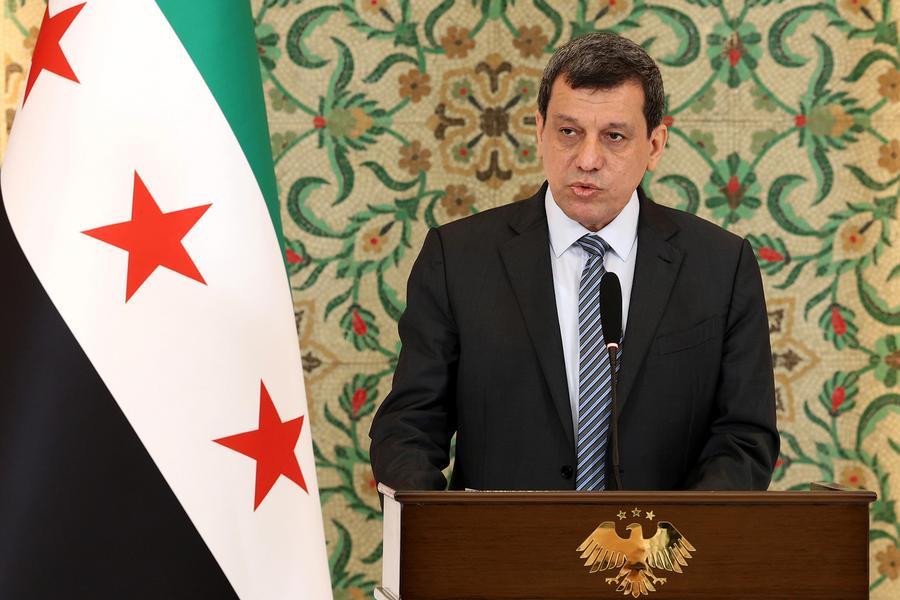
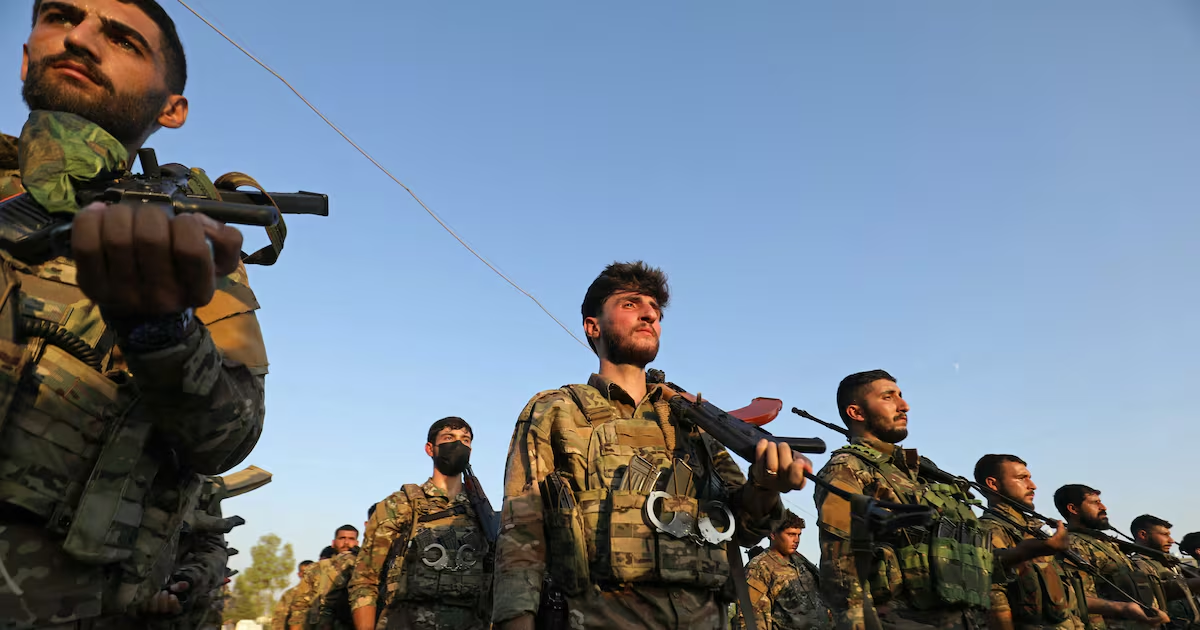
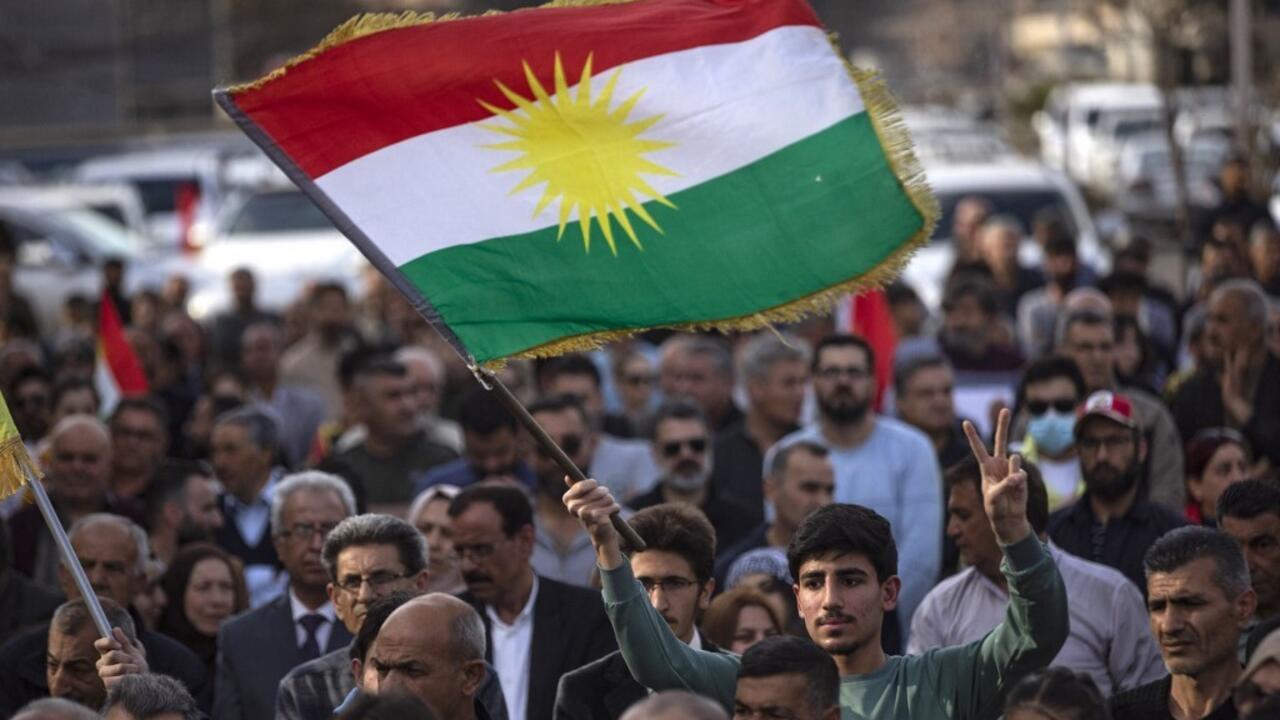
SDF leader Mazloum Abdi announced the force's dissolution last Tuesday, saying its fighters would be integrated into the Syrian army. At its height, the predominantly Kurdish force numbered around 100,000 fighters and controlled nearly a fifth of Syrian territory in the northeast, including major oil fields and fertile land. Under SDF rule, Kurds gained cultural and political rights denied to them under previous governments in Damascus. “It means the end of Kurdish autonomy. After more than one decade of freedom, now they are under the control of Damascus,” said Syria expert Fabrice Balanche of Lyon University, who frequently visited the region. Kurdish rights “There are no guarantees for the Kurdish language because it's just a presidential decree: ‘let the Kurds use their language and teach Kurdish in schools,’ but there is nothing in the constitution,” Balanche said. The decree, issued by President Ahmed al-Sharaa in January, recognised Kurdish as a national language and allowed it to be taught in schools in areas with significant Kurdish populations. It also restored citizenship to Kurds who had been left stateless under measures stemming from a controversial 1962 census and made Nowruz, the Kurdish New Year festival, an official national holiday. The Education Ministry followed up on 27 August with rules providing for three Kurdish-language classes a week in public and private schools in areas with significant Kurdish populations, with marks counting towards pupils' final grades. ‘Words and promises not enough’ as Syria’s Kurds face uncertain future Abdi was also appointed as an adviser to al-Sharaa on Friday, days after announcing the SDF's dissolution. It remains unclear whether the role will be more than ceremonial. But questions remain over what the end of the Kurdish-led administration will mean for women. The SDF and affiliated institutions used a system in which governing bodies were jointly headed by a man and a woman. “During these 10 years of autonomy, men and women were equal,” Balanche said. “In the region’s administration. It was always a co-presidency. In Raqqah, for example, the mayor was Leyla Mustafa, a woman, and the co-president was a man. Now that is no longer the case.” Balanche also said the change could threaten restrictions on polygamy introduced under the Kurdish-led administration. Another unresolved question is what will happen to female SDF fighters as the force is absorbed into Syria's armed forces, which currently have no female troops. Shifting alliances For years, the SDF was Washington's main partner on the ground in Syria in the fight against the Islamic State group. But its position weakened as the United States built closer relations with Syria's new rulers. A Syrian government offensive in January seized large areas held by the SDF and pushed the Kurdish-led force back into negotiations over integration with Damascus. Washington, meanwhile, has increasingly embraced al-Sharaa's government, dismantling broad sanctions against Syria in 2025 and last week removing the country from its list of state sponsors of terrorism. Turkey has emerged as one of al-Sharaa's main foreign allies and has long pressed for the SDF to disarm and integrate into the Syrian state. Ankara considers the SDF a terrorist organisation linked to the Kurdistan Workers' Party (PKK), which launched an insurgency against the Turkish state in 1984. The SDF has rejected Turkey's claim that it is an extension of the PKK. A year after Assad's fall, Syrian hopes for transitional justice are fading The United States and European Union designate the PKK as a terrorist organisation, but not the SDF. Turkey has carried out several cross-border military operations against the SDF in northern Syria since 2016 and still has thousands of troops stationed in the country. Ankara says those forces will remain until the security threats it faces have been eliminated. The SDF's dissolution therefore achieves a longstanding Turkish objective in Syria. Turkey's ruling AK Party welcomed the move last week as an important step towards strengthening Syria's unity. “Stability in Syria means Turkey perhaps being able to divert some of the resources it's been spending on counterterrorism into other areas of its defense that are absolutely necessary at a time like this, a time of regional turmoil,” said Turkey expert Asli Aydintasbas of the Washington-based Brookings Institution. Turkey's Kurdish conflict The SDF's dissolution could also remove an obstacle to the fragile peace process between Ankara and the PKK. The process is intended to end the PKK's decades-long armed campaign against the Turkish state through the group's disarmament and dissolution. Jailed PKK leader Abdullah Ocalan called on the group to disarm and disband in February 2025, and the PKK announced three months later that it would do so. A group of militants symbolically burned their weapons at a ceremony in northern Iraq in July 2025. Turkey's parliament passed a law in August establishing a legal framework for the PKK's disbandment. Kurdish politicians have said broader democratic and legal reforms will also be needed for lasting peace. Macron to become first Western European leader to visit post-Assad Syria For Ankara, however, the process does not stop at Turkey's borders. It has repeatedly insisted that the SDF must also dissolve, because it regards the Syrian force as part of the same militant movement as the PKK. The SDF has disputed that characterisation, with Abdi saying in 2025 that the PKK's decision to disarm did not apply to his forces in Syria. The dismantling of groups Ankara regards as PKK affiliates across the region is essential to the process, said Middle East expert Serhan Afacan of Istanbul's Marmara University. “The PKK should not exist anywhere in the region. This is what Ankara has been saying for more than a year,” Afacan said. “If there is going to be any kind of peace process or reconciliation, the PKK is not supposed to exist anywhere in this region, in Turkey, in Iran, in Iraq, Syria.”