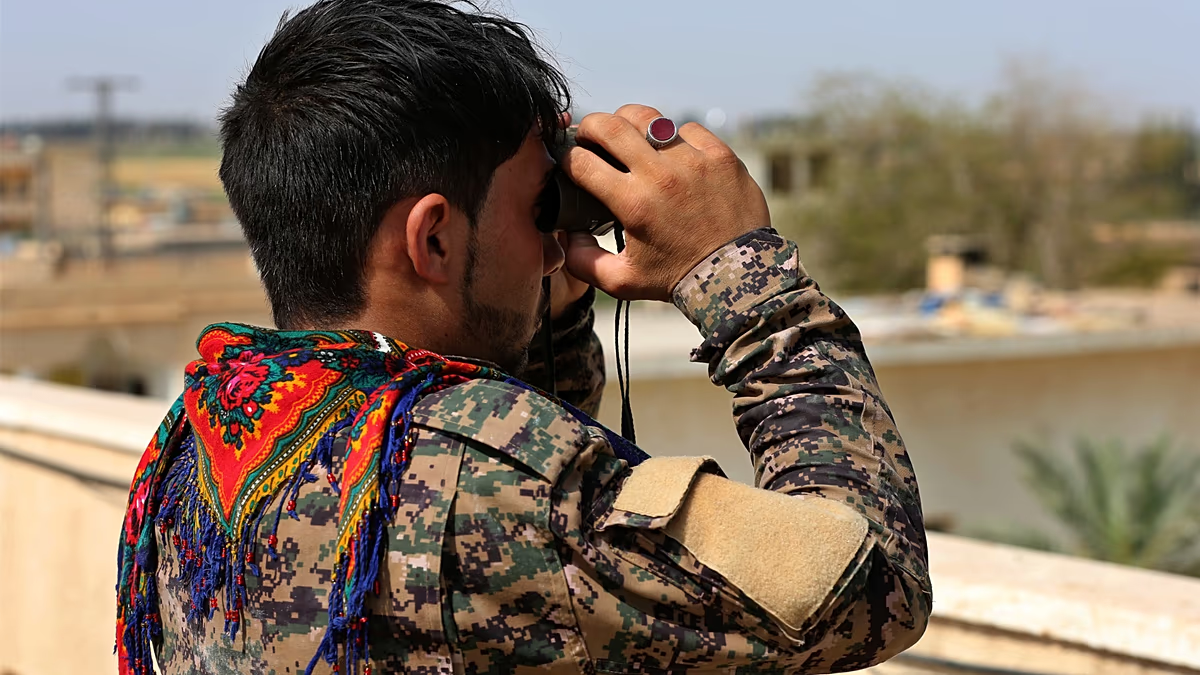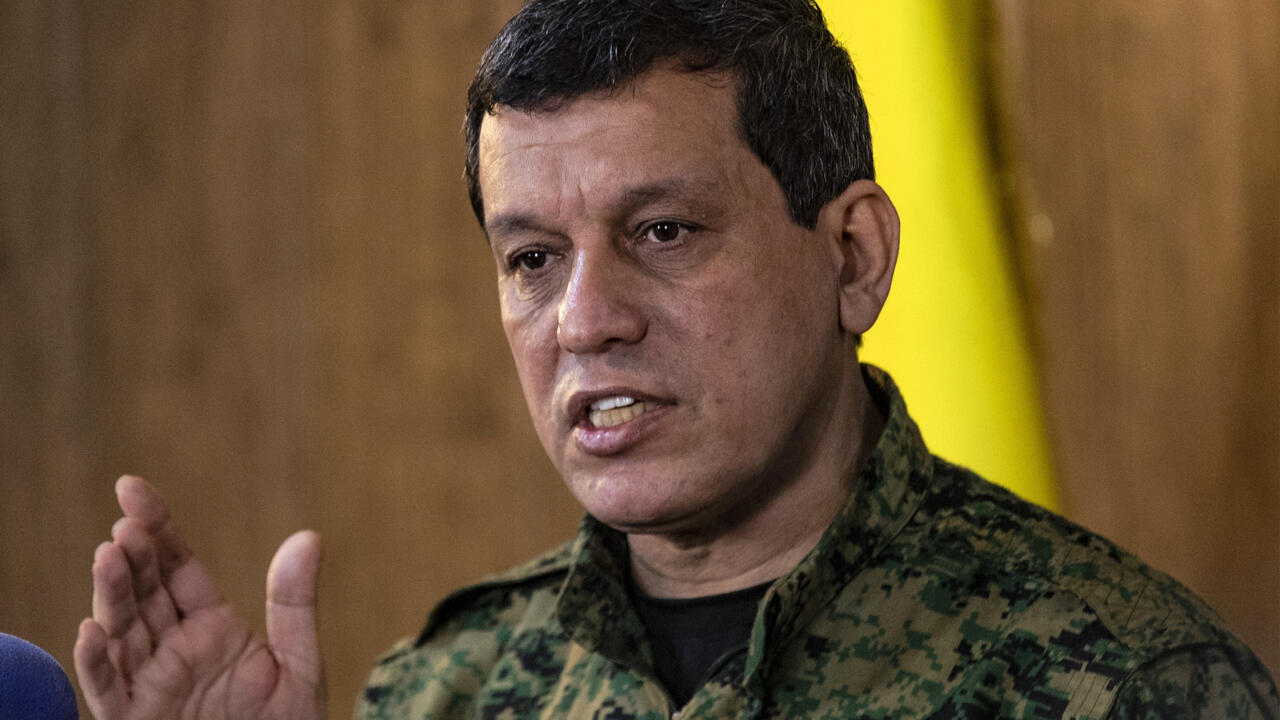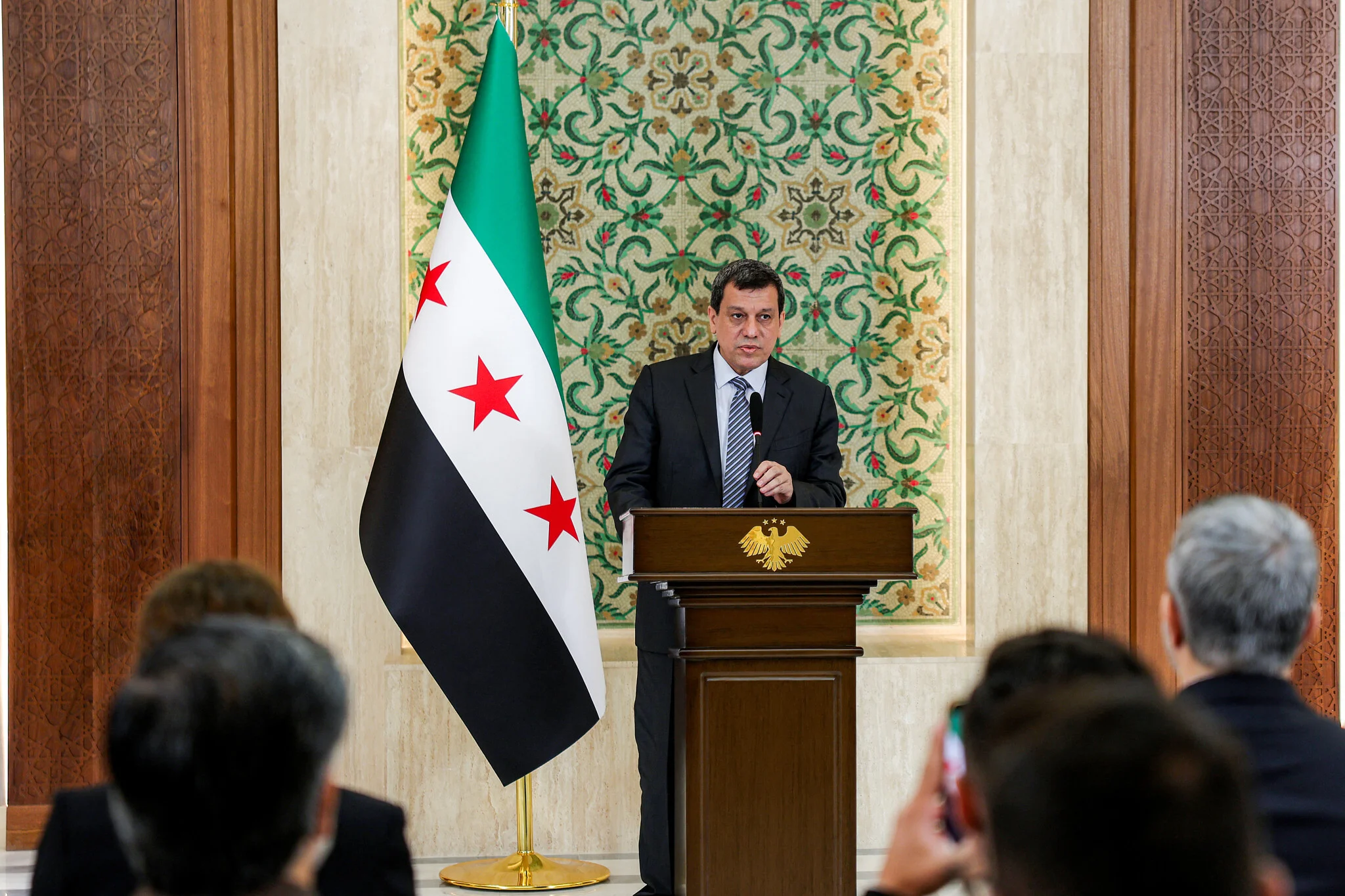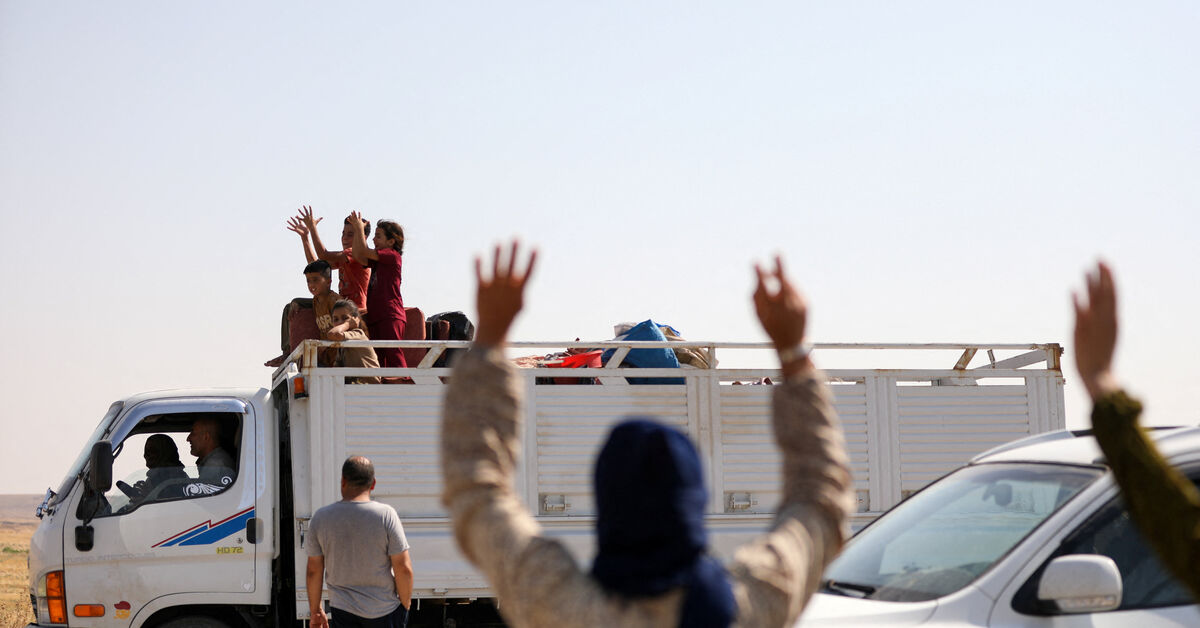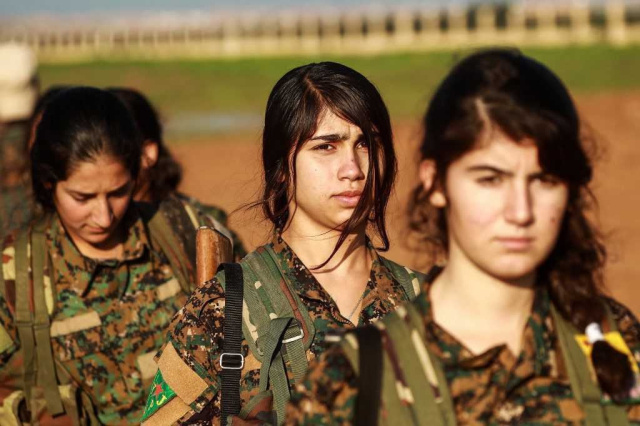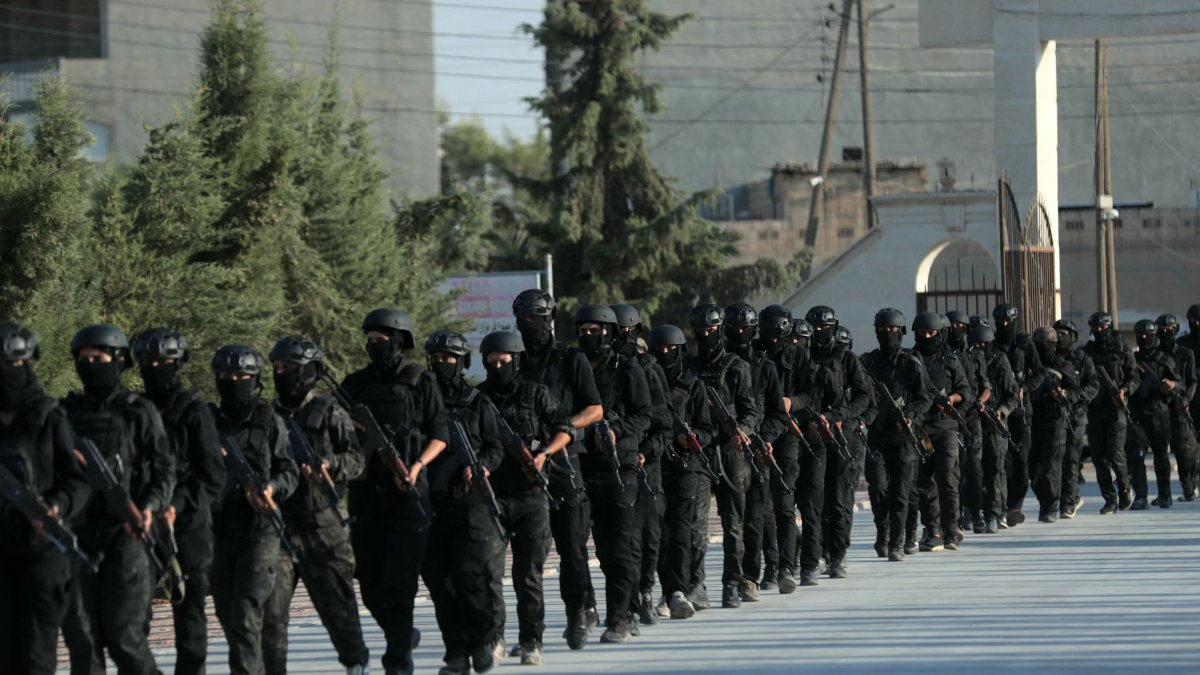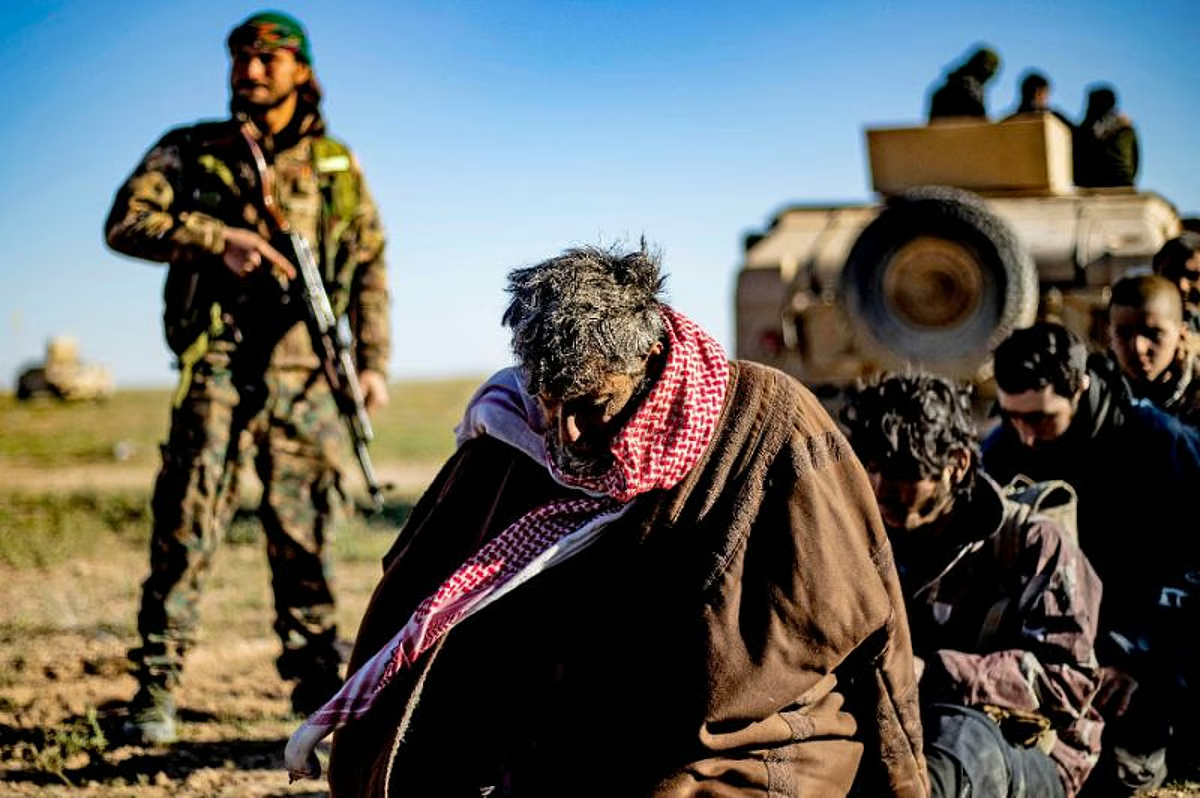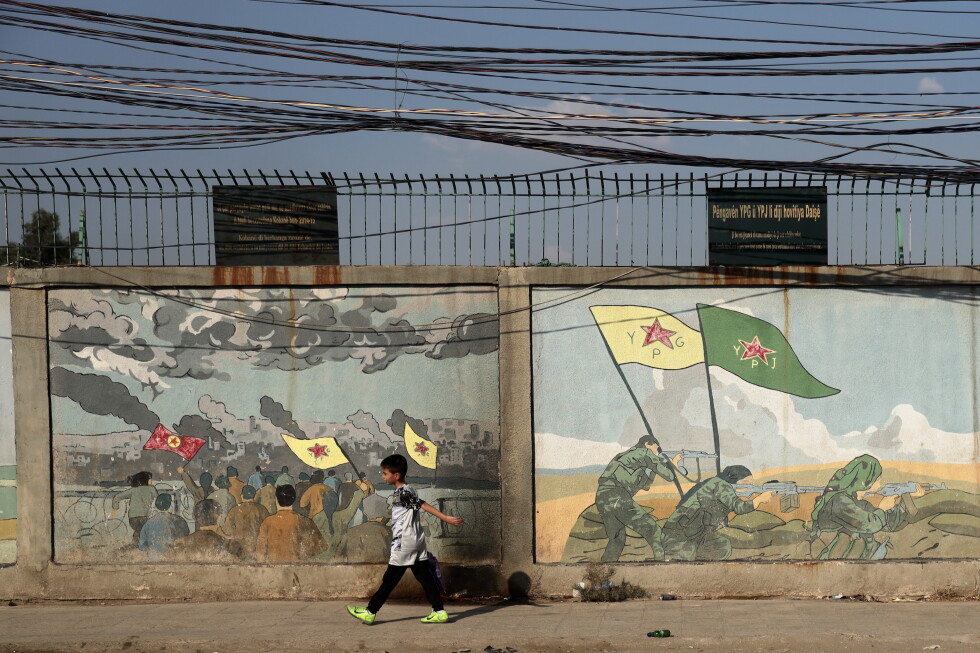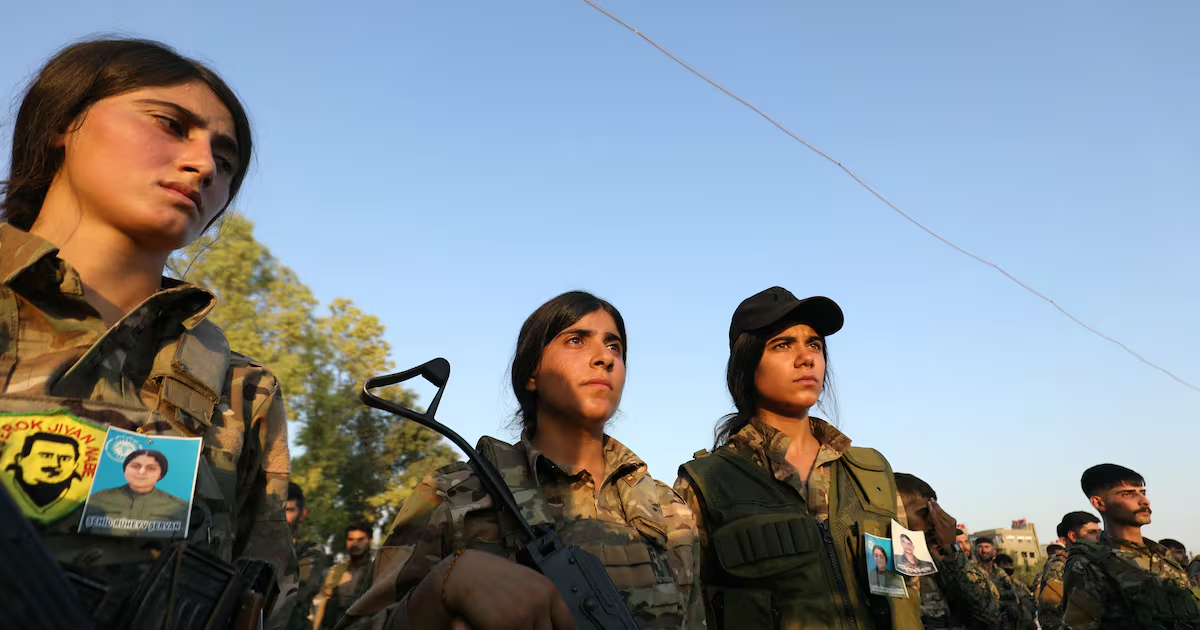
The Kurdish Syrian Democratic Forces (SDF) militia has formally dissolved after completing integration of its fighters into the Syrian army. This marks an important step in the peace process that ended Syria’s civil conflict and has been welcomed by the US, Turkey and Russia.As the main US partner in the battle against Islamic State, the SDF has controlled large parts of northern and eastern Syria. Turkey has regarded its integration as essential for strengthening Syrian state authority, securing long-term stability in the country, and achieving Turkey’s goal of a “terrorism free” region. Russia also views the disbandment of the Kurdish force as vital for Syrian “national normalisation” and the re-establishment of a single, centralised military under the post-Assad government. This involved a turnaround for Moscow, which had backed the Assad dynasty that ruled Syria from 1970 until late 2024, when it was overthrown and president Bashar al-Assad fled. After the dissolution was declared by SDF commander Mazloum Abdi, Russian president Vladimir Putin spoke by telephone with Syrian president Ahmed al-Sharaa to discuss regional changes. Russia promptly moved to secure its multiple strategic interests, finalising an agreement on its Syrian military and civilian facilities. The Khmeimim airbase and Tartus naval base were repurposed as joint training centres while civilian projects were ceded to Syria. By promoting a unified Syrian state, Moscow has strengthened its role as primary security and economic partner that supplies oil, grain, military equipment and military expertise to Damascus.The development marked a major shift for Turkey. It previously regarded the SDF as an offshoot of the Kurdish Workers Party, which had launched a nearly 40-year insurgency against Turkey in 1984. Damascus and Ankara made SDF dissolution a key condition for advancing a peace process.Despite the positive mood, overall reconciliation between Ankara and Damascus faces hurdles. First and foremost, Syria is demanding a firm timetable for the full withdrawal of thousands of Turkish troops deployed in northern Syria. Full military, political and administrative integration requires major efforts to overcome divisions that gripped Syria during 14 years of civil war and have not been eliminated. While 90 per cent of Syrians are ethnic Arabs, 70-80 per cent are Sunni Muslims, 11 per cent are Druze, 3 per cent belong to Shia and Alawite communities, and 2.45 per cent identify as Christian.[ Leaving Al Hol: A Syrian father on survival, freedom and what comes nextOpens in new window ]The SDF, founded in 2015, has been based in the country’s northeast, where most of Syria’s Kurdish population is concentrated. Indo-Aryan Kurds make up about 7-10 per cent of Syria’s population and constitute the country’s largest ethnic minority. Despite months of talks, the SDF had been reluctant to surrender the autonomy it enjoyed during Syria’s war. However, the group’s leader Mazloum Abdi (known as Mazloum Kobani) said that an “important page” had been turned in Syria’s long history.
Kurdish-led militia disbands after integration into Syrian army
Formal dissolution of the SDF, which has controlled large parts of northern and eastern Syria, is welcomed by the US, Turkey and Russia
475 words~2 min read