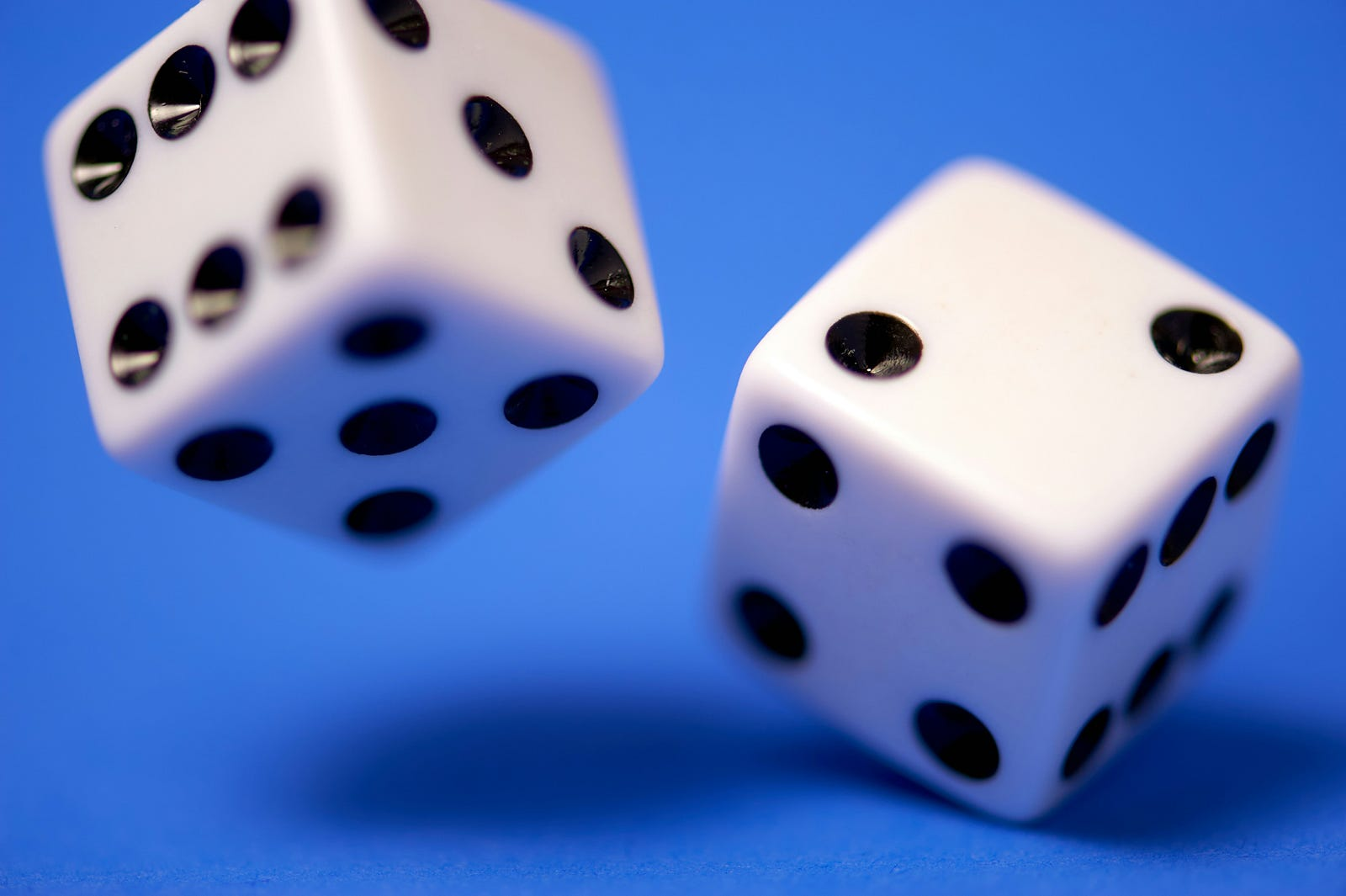
The creator of the TV show The Good Place wrote a tie-in book about moral philosophy which includes a chapter called “The Luck of the Draw,” discussing how the myth of meritocracy leads people to “underestimate the role that luck has played in their lives.” Given how God seems to play dice with the universe, there is something compelling in the way art imitates life when websites embrace controlled chaos in their designs. The jury is out on whether extreme versions of this nondeterminism such as generative UI are a helpful usage of unpredictable UX. Indeed, when I see the YouTube comments reacting to Google’s upcoming usage of GenUI in search, maybe it’s taking the idea too far down a bad path. But there is still something about the idea of a webpage that exists in a state of subtle flux each time you land on it, the same way you can’t step into the same river twice.
Real-world use cases for randomness
I’m a consultant who often works on short-term, greenfield projects, which provide me with a window into the zeitgeist and the trends companies think are the future. It’s no coincidence that the idea of randomness permeated one of my recent projects. That’s epitomized by a burst of confetti to give the user a sense of excitement when they run a random draw they configured. And like many a UI feature in the corporate world, the simple idea of confetti was subject to several revisions to make every randomized particle align with the client’s brand.