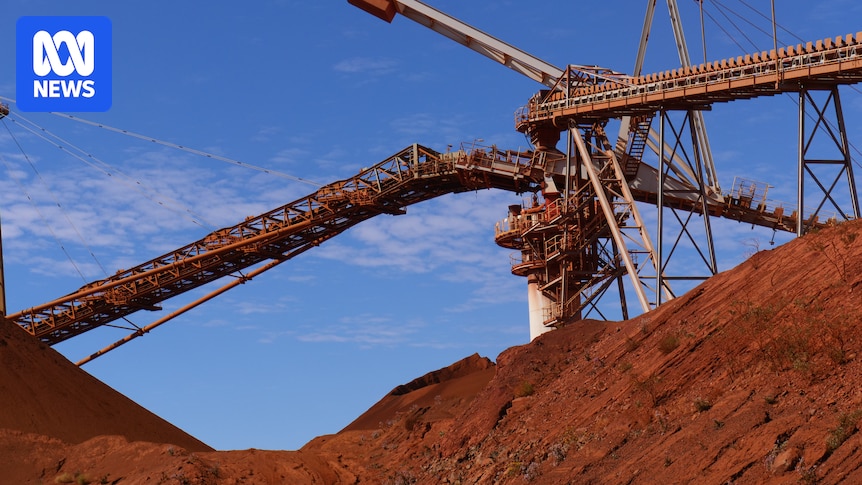
BHP is reported to be the world’s largest mining company by market capitalization, according to Wikipedia, citing 2025 data. It has more than 80,000 employees and contractors working across operations in Australia, Chile, Peru, Brazil, Canada, and the United States. The company posted US$51.3 billion in revenue for fiscal year 2025, on record production of 2,017 kilotonnes of copper and 263 million tonnes of iron ore.
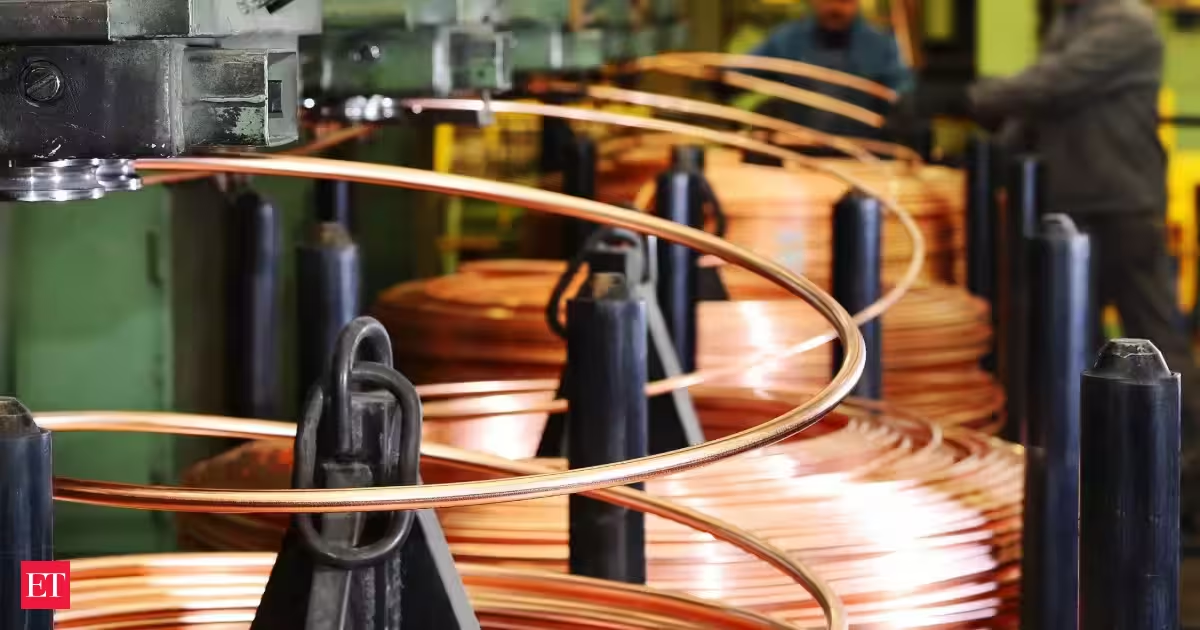
That scale sits against a hard physical constraint, not simply a growth target: BHP projects that the world will need to double the copper produced over the next 30 years, relative to the past 30, to keep pace with decarbonization technology, even as ore grades decline at existing mines and discoveries become rarer — a claim corroborated by EY, which finds that meeting the world’s electrification goals will require 115% more copper mined over the next 30 years than has been mined throughout all of human history.
Rising demand against a shrinking margin of accessible ore is not a problem more labor or capital alone can solve; it is why BHP’s AI investment is aimed at extracting more value from mines it already operates rather than simply expanding faster.
BHP’s response has been to formalize that investment rather than leave it to individual sites; it opened its first Industry AI Hub in Singapore in May 2025, a dedicated center intended to accelerate AI adoption across its mining and resources operations rather than leaving each site to develop its own tools independently.