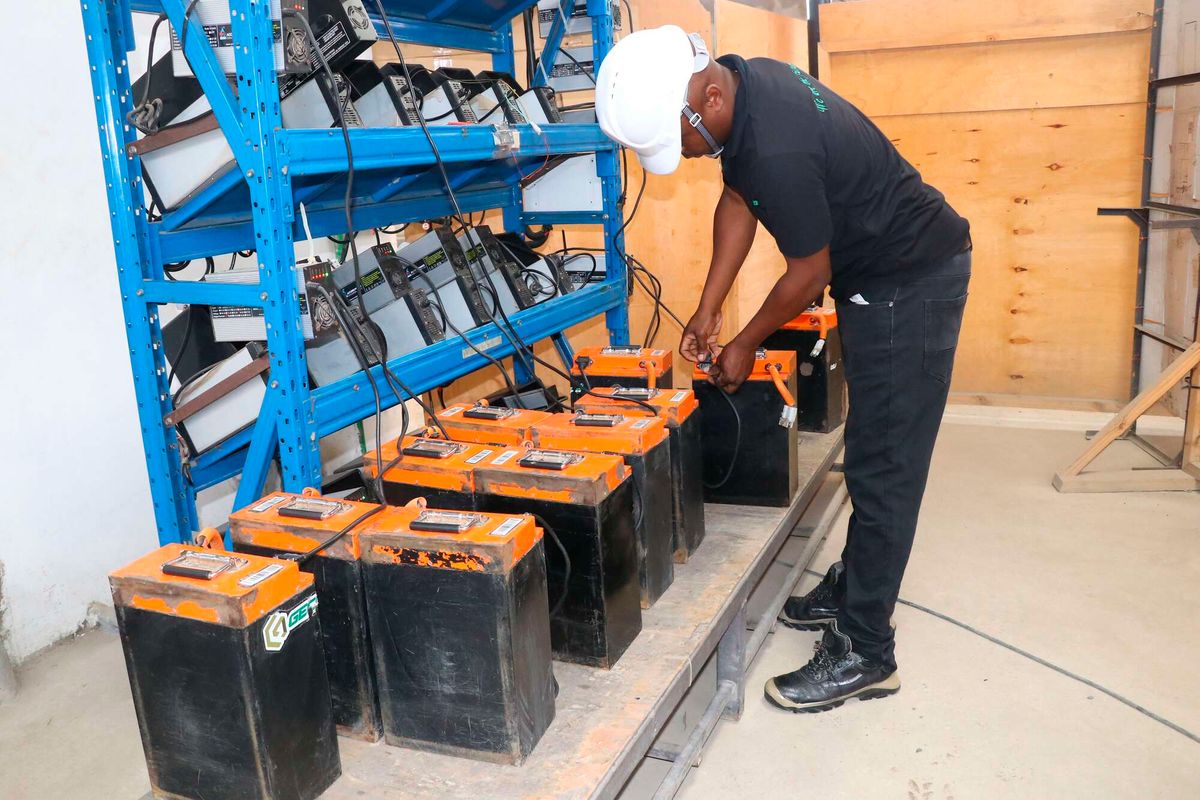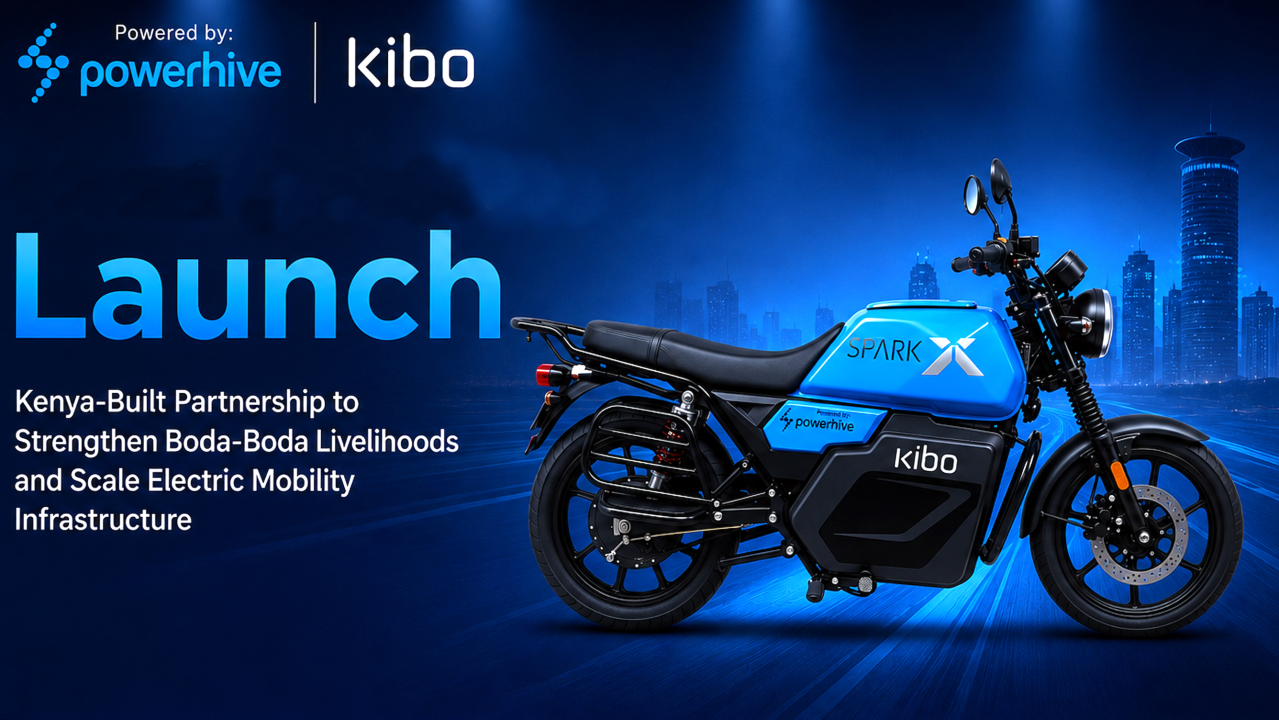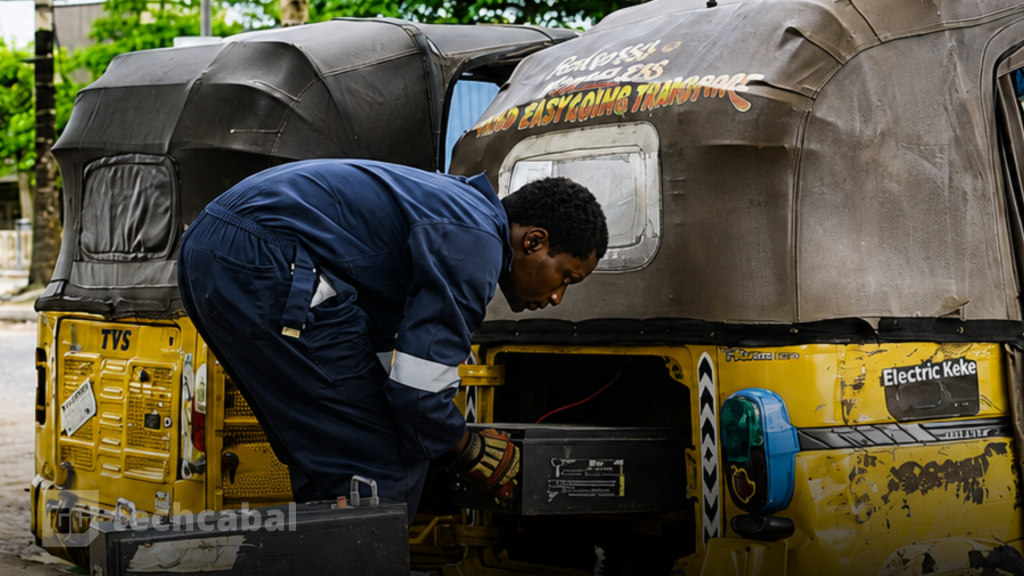
SUN Mobility’s first 35 battery-swapping stations are located in Nairobi and Mombasa and are designed for electric scooters and motorcycles as well as passenger and cargo three-wheelers. The concept is based on an open, multi-brand platform. According to SUN Mobility, vehicles from more than ten manufacturers have already been integrated into the system at launch.
The system allows different vehicle types to use the same swapping stations, rather than requiring each manufacturer to build its own infrastructure. SUN Mobility expects this to reduce investment costs for its partners and enable the system to scale faster. For drivers, meanwhile, the platform should reduce their dependence on a particular vehicle manufacturer and its swapping network.
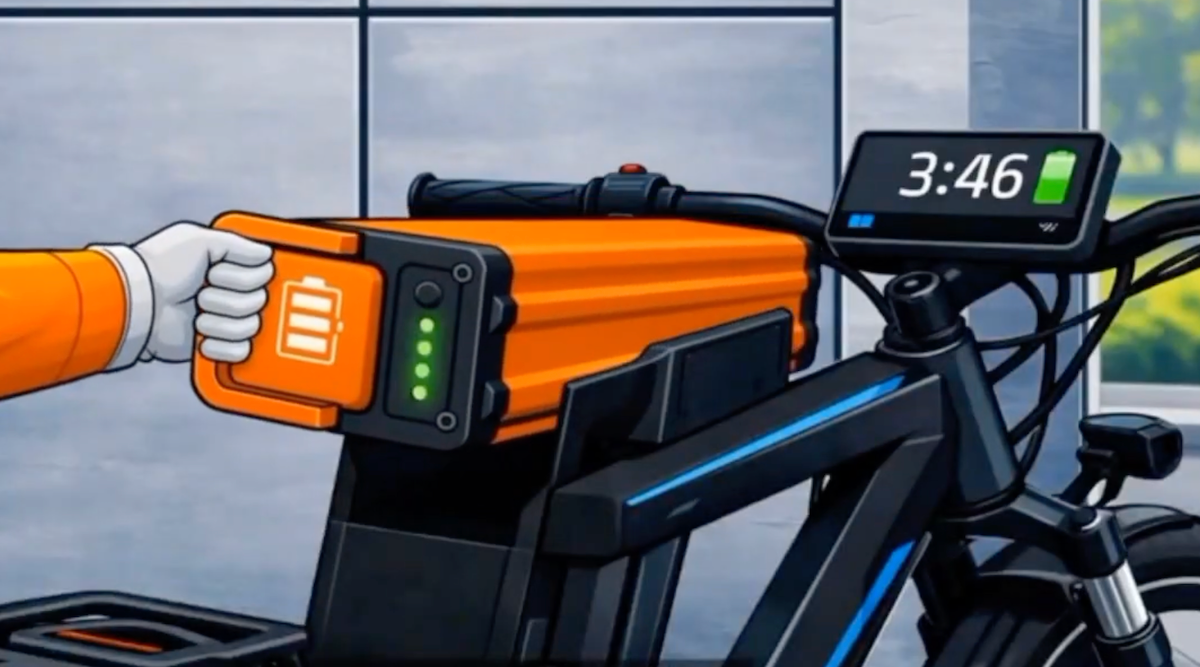
The swappable battery technology uses what are called Quick Interchange Stations and a cloud-based platform. The latter handles battery and station management as well as customer processes and maintenance, among other functions. SUN Mobility says it has spent nine years developing the technology.
SUN Mobility operates 27 swapping stations in Nairobi and a further eight in Mombasa.
The company is also promising savings in operating costs. For a daily driving distance of 100 kilometres, costs are said to be 20 per cent lower than those of comparable combustion-engine vehicles, rising to 35 per cent at 150 kilometres per day. These figures, however, come from SUN Mobility itself. The company has not disclosed specific prices for using the battery-swapping system in Kenya.