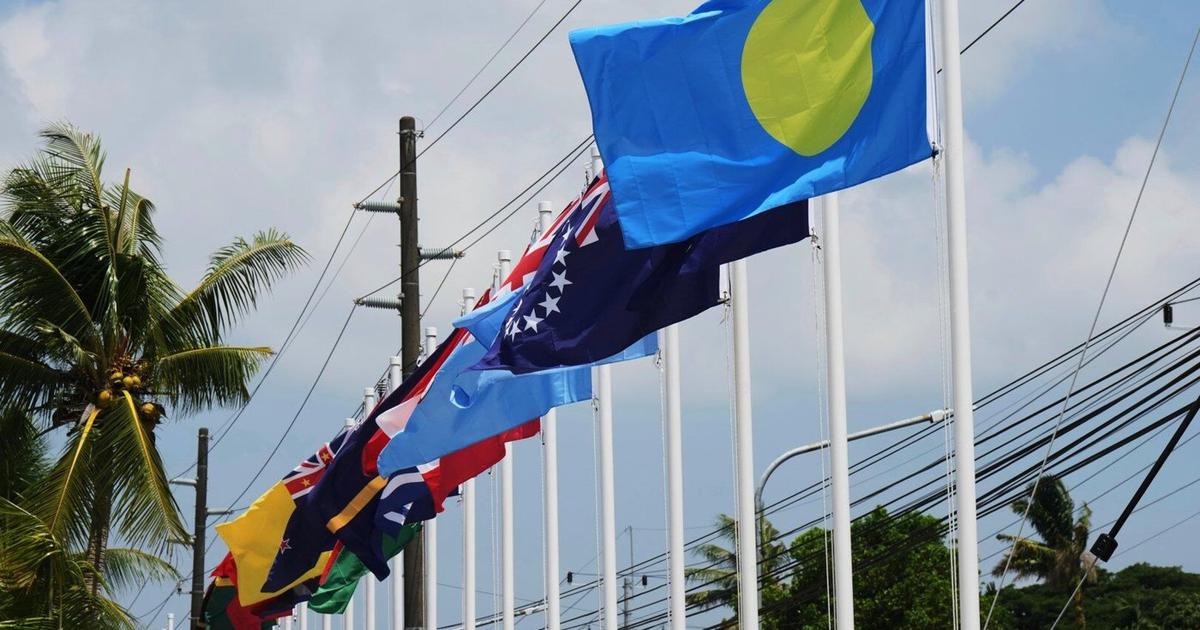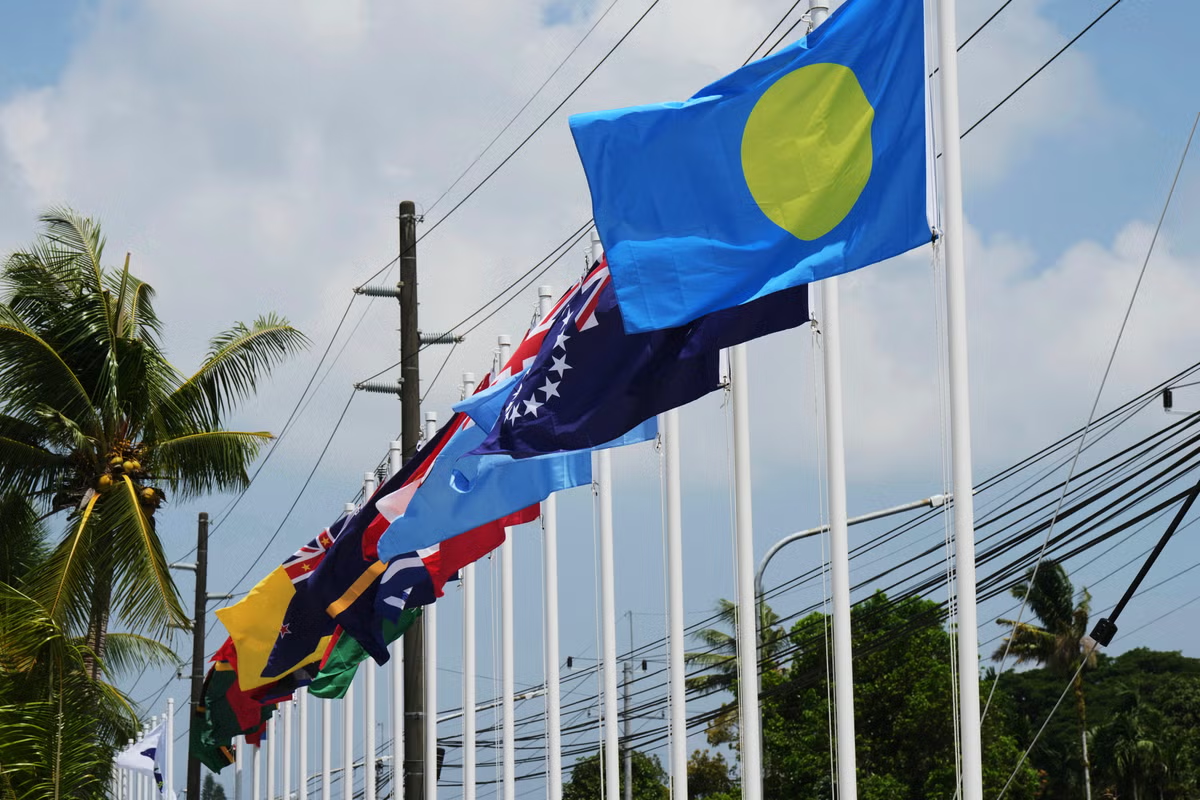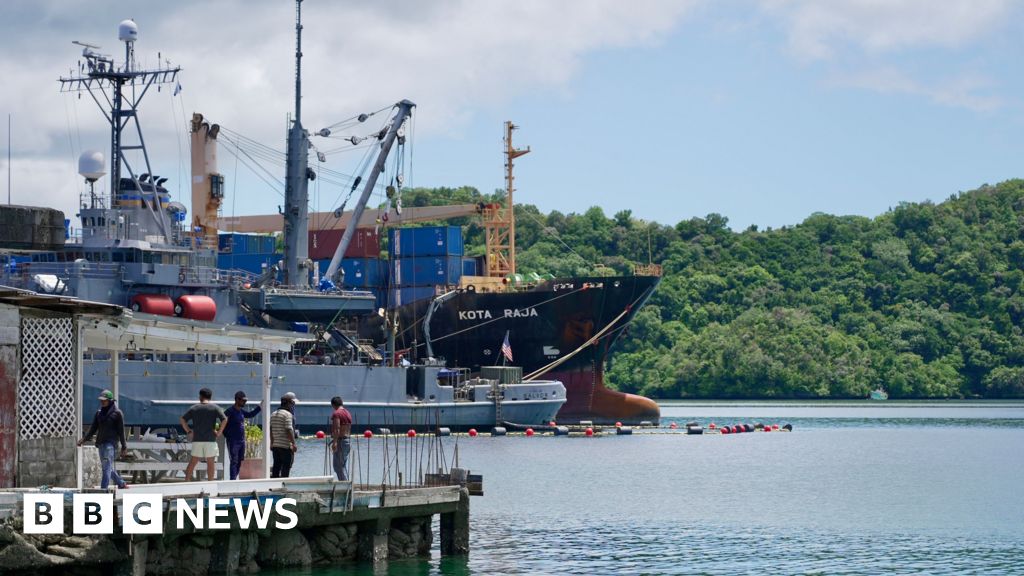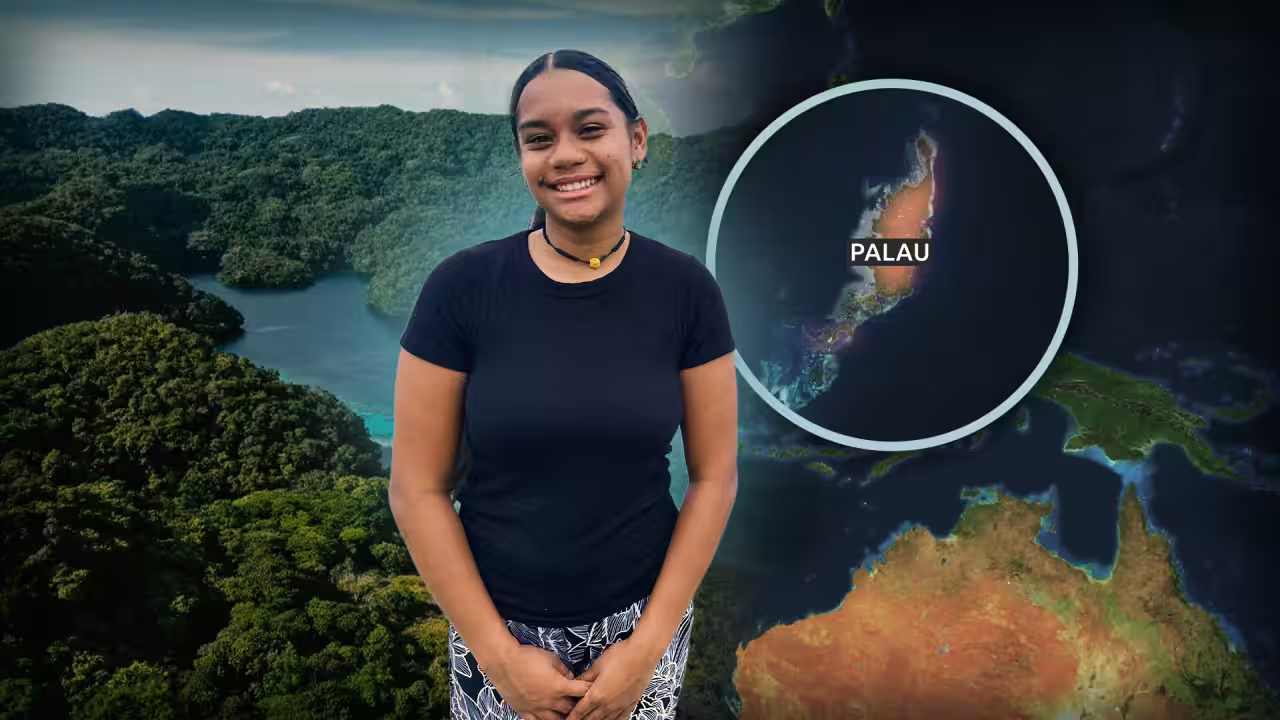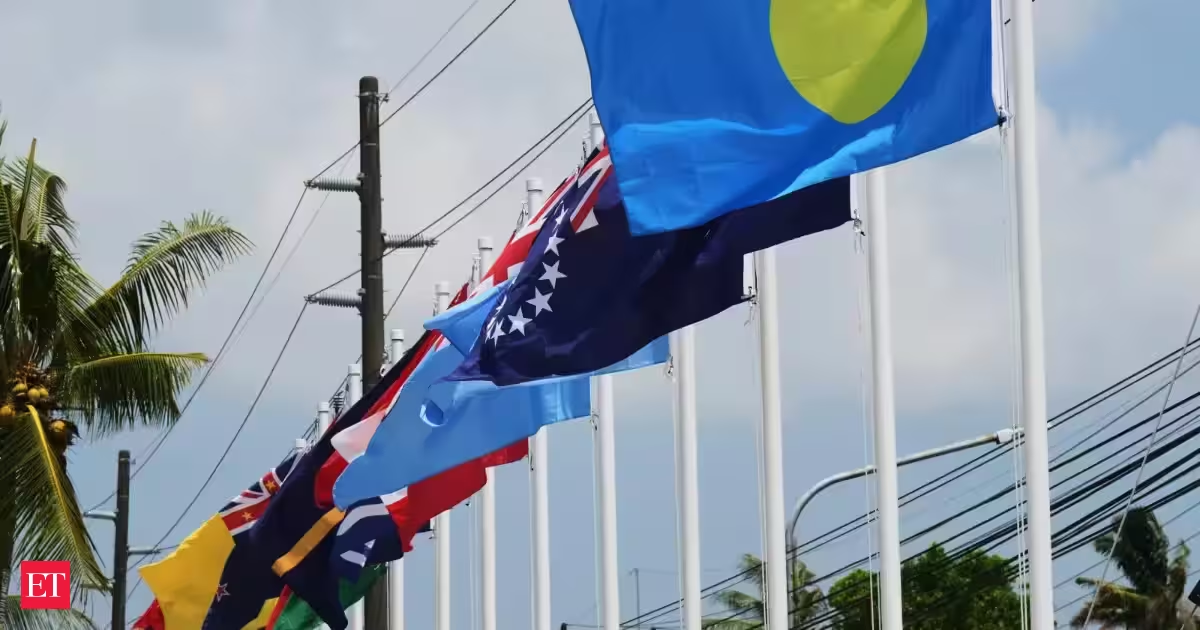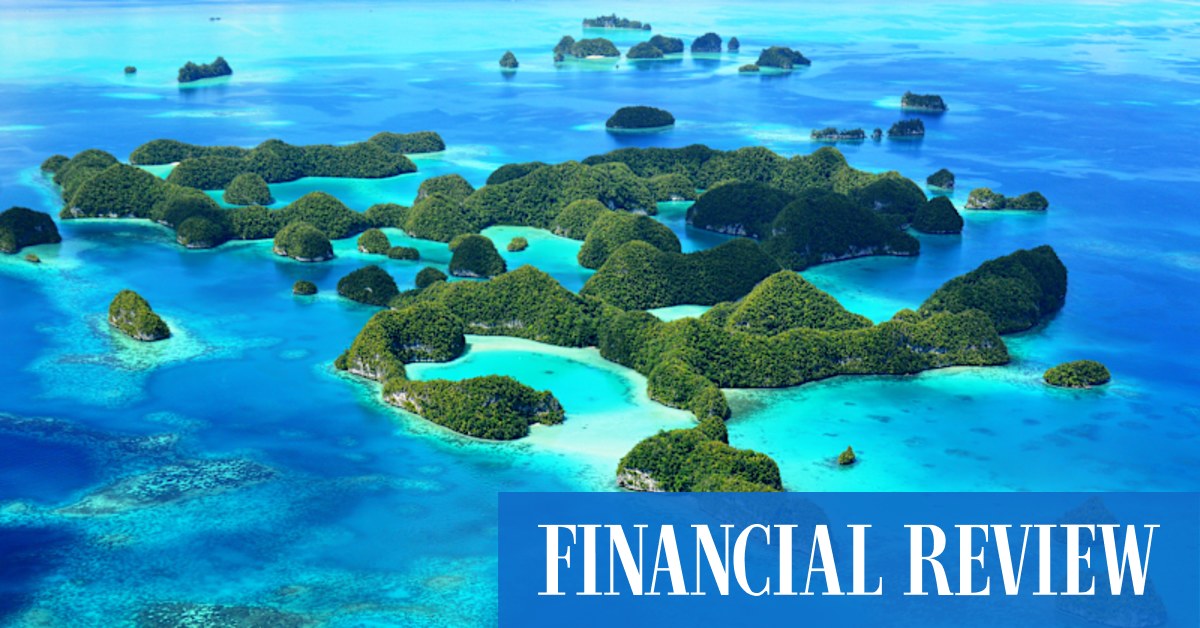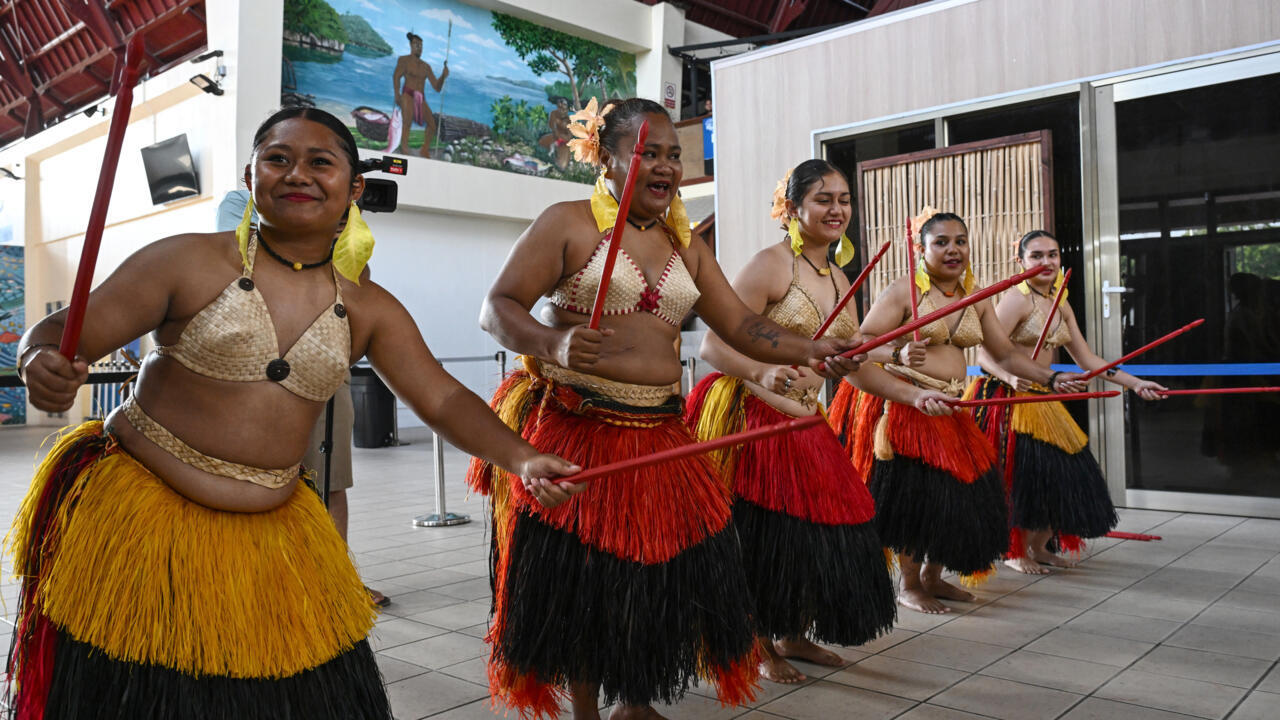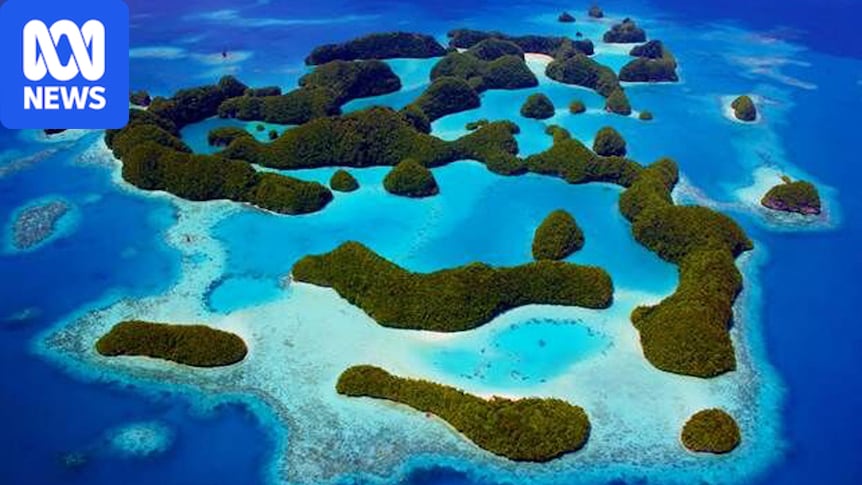
Far from New York or Davos, leaders of some of the world’s least populous states are meeting in a placid tropical archipelago with no traffic lights. The population of the summit host, Palau, was due to swell from 18,000 people to 20,000 as delegates from dozens of countries arrived at the Pacific Islands Forum Leaders Meeting.
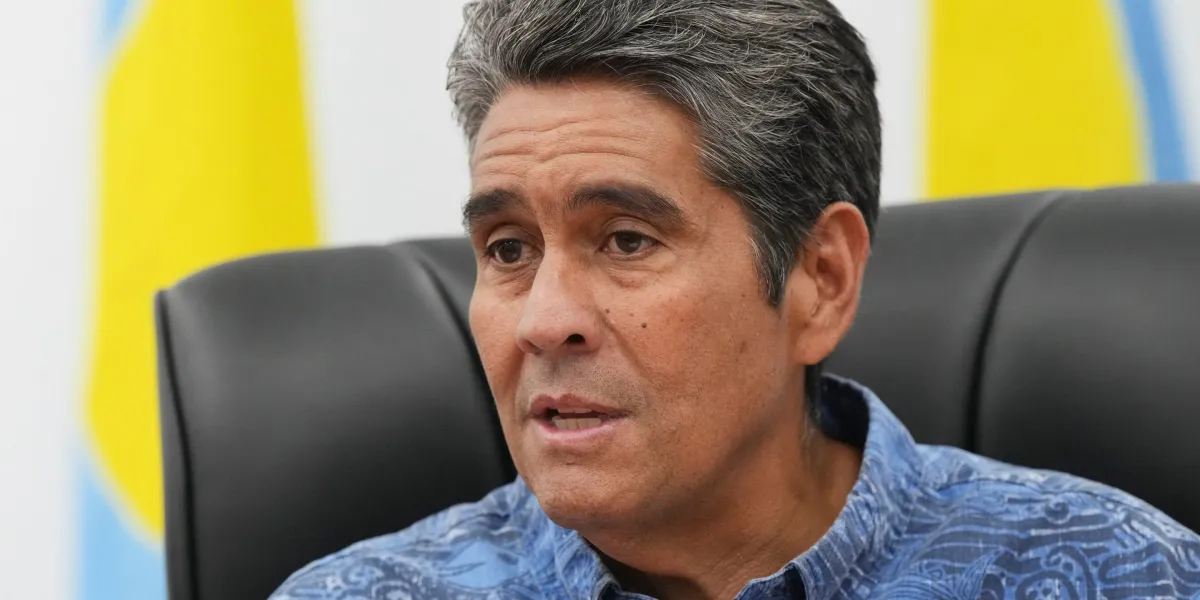
Ahead of the summit officially opening Monday, the country’s president and other senior officials walked the main road around the island picking up trash. Barbers and tattoo artists prepared to become drivers for delegates and student volunteers to usher dignitaries.
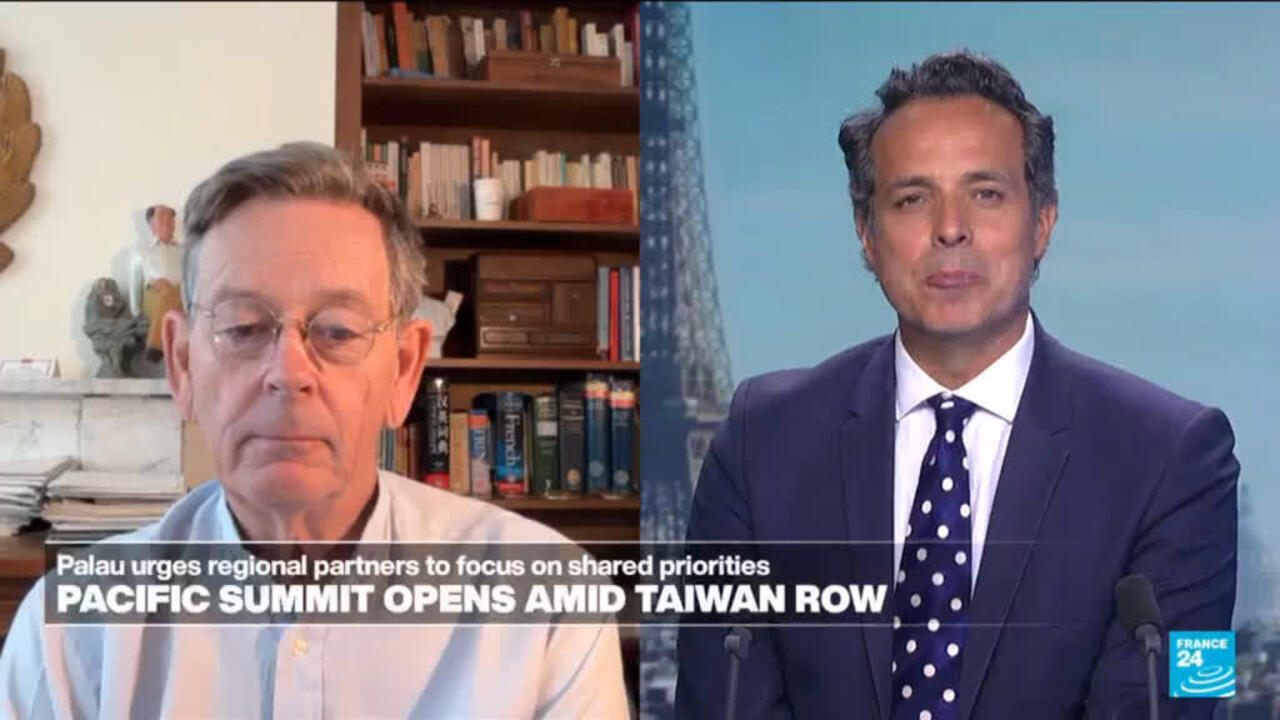
But beneath the distinctively Pacific character of the event, where matters unfold in their own unhurried time and decisions are made by consensus rather than by a vote, simmered a fraught and escalating geopolitical debate about who gets to shape the future of the vast ocean region.
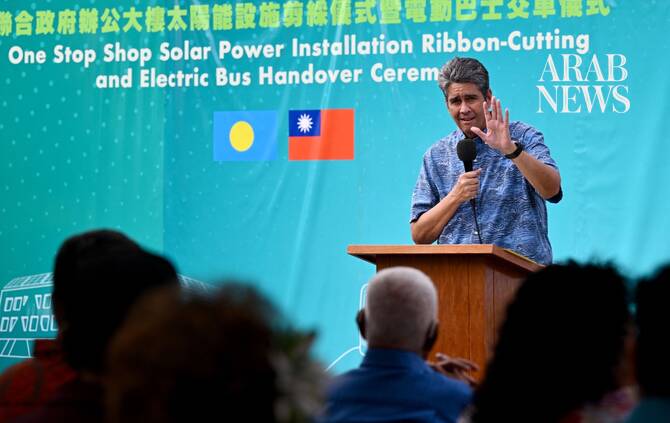
Powerful nations interested in the Pacific have raced in recent years to shore up alliances among its leaders, intensifying a contest for influence between China and the United States, Taiwan, and forum members Australia and New Zealand. The sometimes-conflicting bids to win sway have also drawn dividing lines among the forum’s members, threatening to derail annual summits.