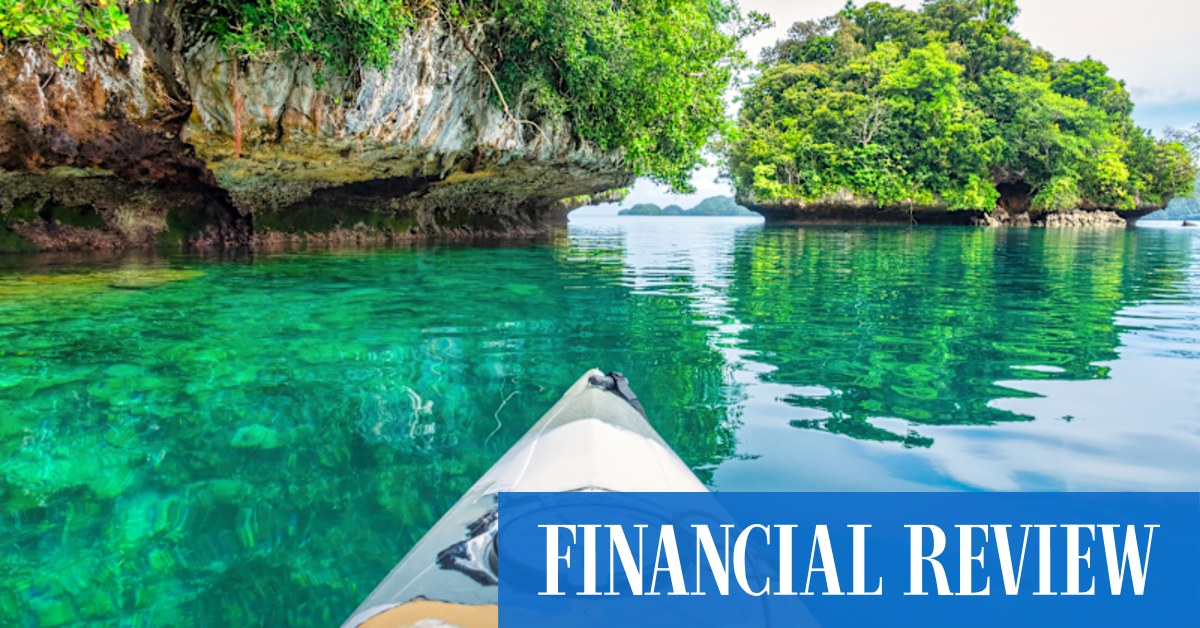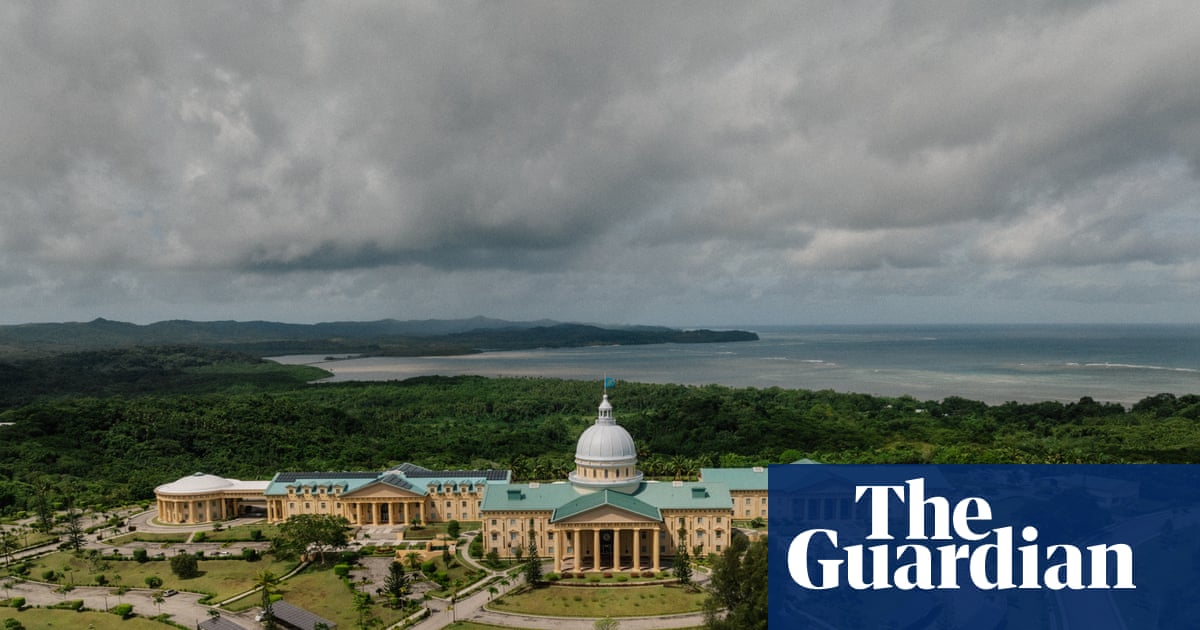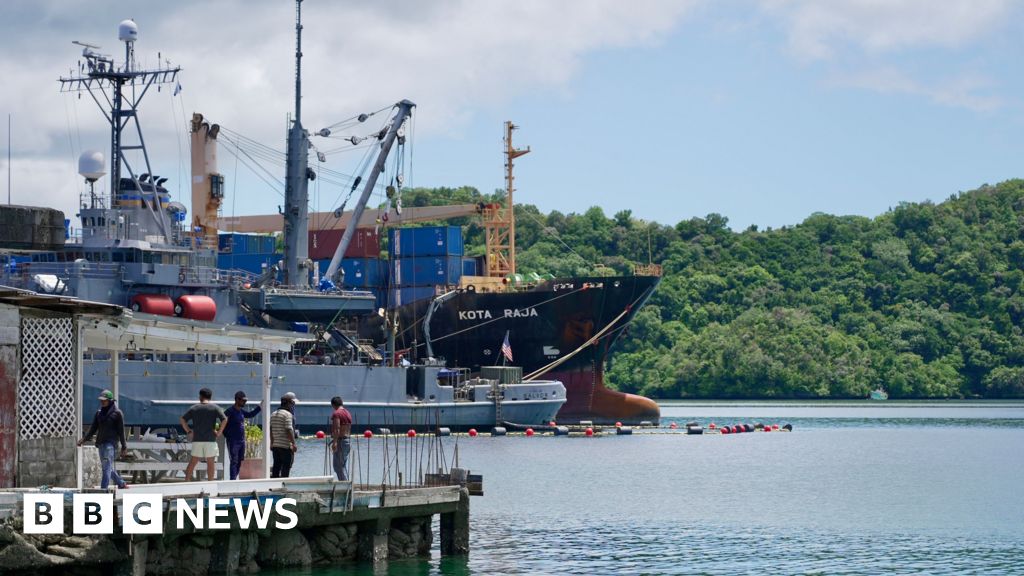
The air above Palau's pristine waters smells of salt and breadfruit, and on calm mornings in Koror, Palau's commercial centre, the whirr of dive boat engines echoes across the bay.
A few years ago, those boats were filled with tourists – many from China – drawn to Palau's lagoons and limestone caves. Hotels were full, restaurants bustling, and fishermen could barely keep up with demand. But that is no more.
The boom – and the abrupt collapse – was no accident. Between 2015 and 2017, Chinese tourists made up around half of its visitors. Then, in 2017, Beijing reportedly ordered tour operators to stop selling packages to Palau, slashing the main source of tourism to the islands at the time.
"I actually bought new boats to accommodate the sudden increase of tourists," said a dive shop owner in Koror. But after the tourism peak, he said, these boats had been "sitting idle in the bay" and it took them years just to make back the money they spent.
The message was clear, Palauan officials allege. They say that China had used its vast outbound tourism market as part of a broader campaign to try to peel Palau away from recognising Taiwan - and into Beijing's orbit.