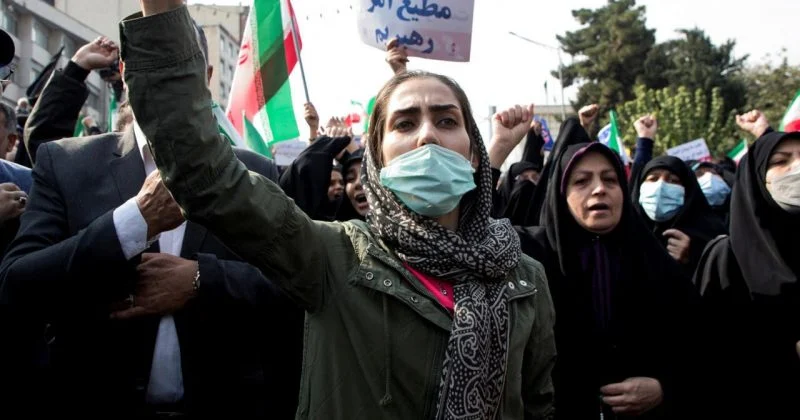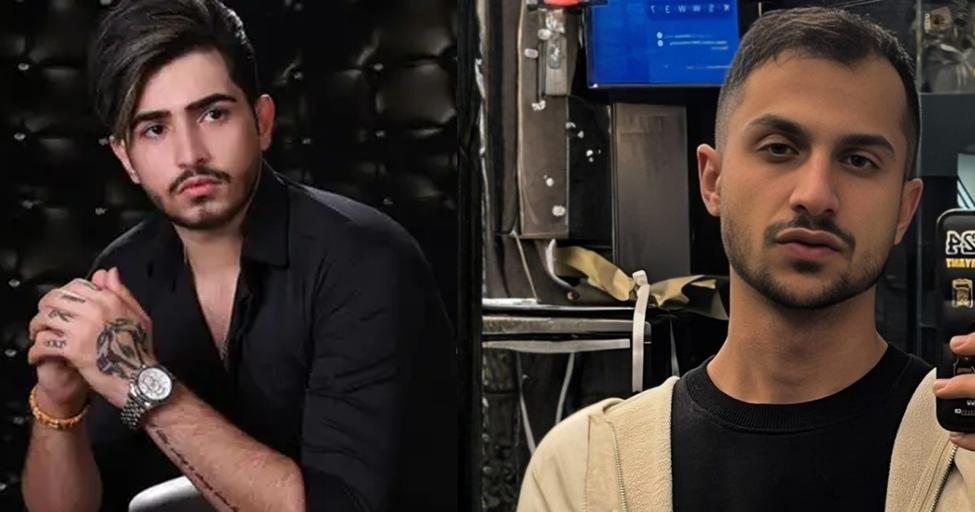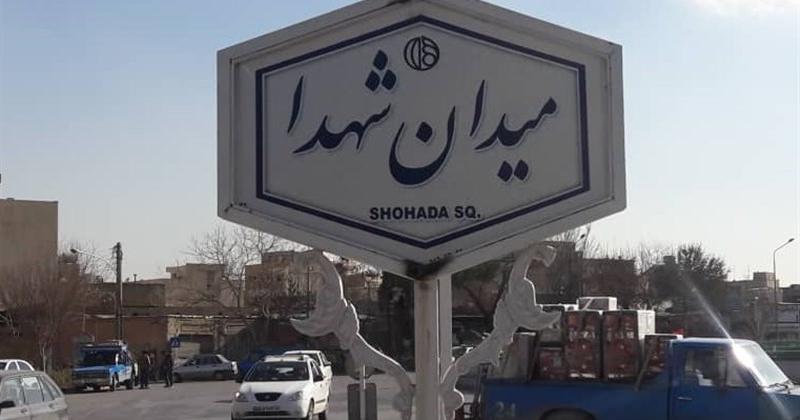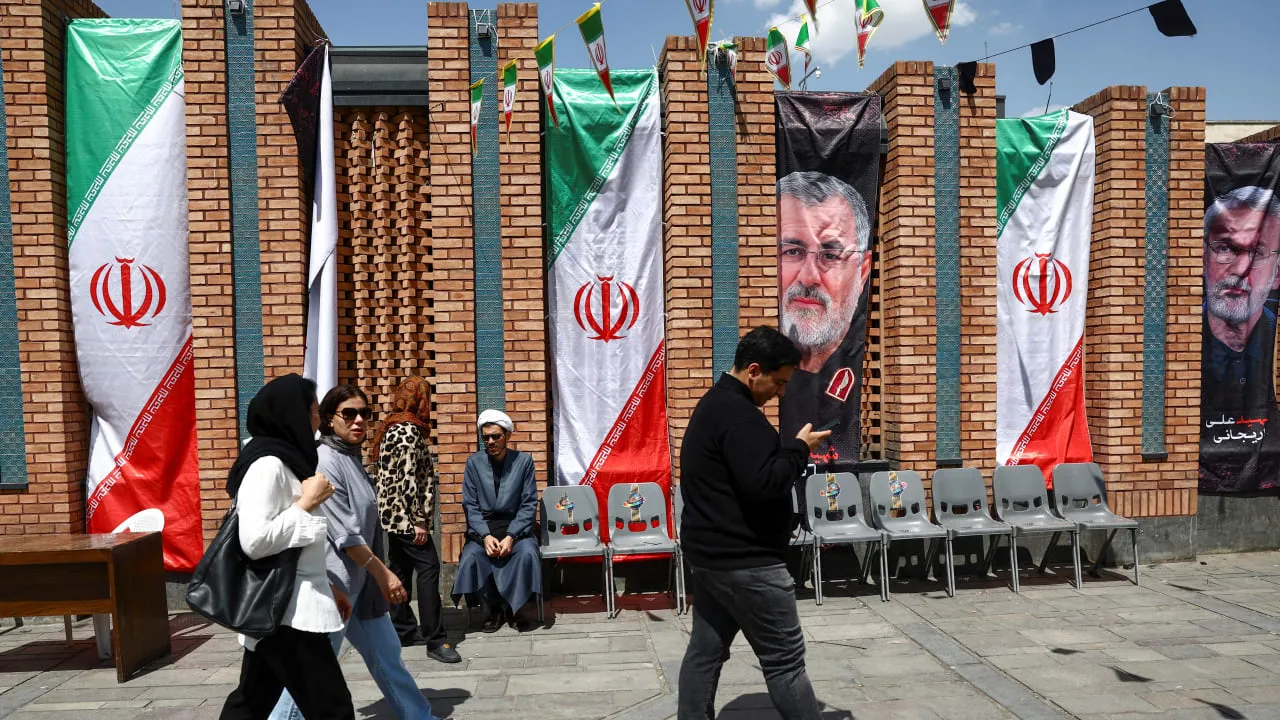
ByDANIELLE GREYMAN-KENNARDAUGUST 31, 2026 17:07Updated: AUGUST 31, 2026 17:13Ten individuals accused of participating in the January protests have been sentenced to death, while another six received prison sentences of up to 25 years, according to Iranian media reports on Sunday.The sentences were handed down by Judges Morteza Barati and Mohammadreza Tavakoli of Branch 1 of the Isfahan Revolutionary Court, according to the Iran Human Rights Society, an independent advocacy group and information network.According to the group, Taraneh Rahimi, Navid Elyasi, Mehrdad Boeri, Abolfazl Dadgostar, Armin Gholami, Mehdi Mansouri, Ahmadreza Saeedi, Mohammadmehdi Asadi, Parsa Jafari, and Mehdi Jafari were sentenced to death.The defendants were tried on charges including moharebeh (waging war against God), carrying bladed weapons, destruction of public property, assembly and collusion, and propaganda against the state, according to the Hengaw Organization for Human Rights.Romina Rahimi and Milad Boeri were each sentenced to 25 years in prison, while Hamed Mehralian received a 15-year sentence. Setayesh Saedi, Sajjad Abedi, and Ali Boeri were each sentenced to five years.A security personnel stands guard as Iranians take part in a protest marking the annual al-Quds Day, on the last Friday of the holy month of Ramadan, in Tehran, Iran, March 13, 2026 (credit: MAJID ASGARIPOUR/WANA (WEST ASIA NEWS AGENCY) VIA REUTERS)Charged with 'incitement,' 'propaganda'All 16 defendants were also sentenced to five years for “assembly and collusion,” five years for “incitement,” and one year for “propaganda against the establishment,” Iran International reported, citing an activist.Diaspora and dissident media reported that the case was launched in connection with the deaths of a 37-year-old Revolutionary Guard colonel and a homeless man on Shohada Street in Isfahan in January. Hengaw reported, however, that the indictments did not include direct murder charges against the defendants and that there was no documented evidence linking the 16 individuals to either death.Rahimi, one of those sentenced to 25 years, was reportedly recorded attempting to prevent the homeless man from being beaten, Hengaw reported. The Jerusalem Post was unable to independently locate the footage.Saeedi told the court that he had been tortured by investigators over his alleged role in the deaths. According to Hengaw and several Iranian diaspora channels, he said he had been subjected to electric shocks to his neck and genitals. One of the female defendants also reportedly alleged that she had been sexually assaulted, although the court was said to have sentenced her without investigating the allegation.The sentences come as Iran continues to violently crack down on dissent following protests that began in December in response to the country’s dire economic state and escalated into a broader movement calling for regime change in January.Tens of thousands of people killedHuman rights groups have reported that tens of thousands of people may have been killed by Iranian security forces during the crackdown, although the full death toll remains difficult to independently verify amid Tehran’s internet restrictions and reports of mass disappearances.According to Norway-based NGO Iran Human Rights, the Islamic regime has executed 511 people since the start of 2026, including at least 29 people in connection with the January anti-government protests. The organization has warned that hundreds more people remain at risk of execution, including more than 70 in Isfahan.The number claimed by the NGO is notably higher than that presented by UN human rights chief Volker Türk earlier this month. Turk stated that at least 56 people have been executed in Iran on national security-related charges since March 19, including 27 in cases linked to protests at the start of the year.With the regime tightening its controls on hijab compliance, and potentially introducing a law that would criminalize speaking to international media or foreign organizations, human rights groups have warned that Tehran will continue to brutally suppress what it interprets as signs of dissent.Bahar Ghandehari, director of advocacy at the Center for Human Rights in Iran (CHRI), told The Guardian that the new law would turn Iran into an “isolated black hole.”“It is not simply an attack on journalists and citizen journalists; it is an attempt to sever the entire Iranian society from the rest of the world by criminalizing the free flow of information itself,” Ghandehari said. “It sends a chilling message and threatens to turn ordinary academic, professional, and civic engagement into a potential national security crime.”Authorities have also seemingly begun reopening cases against individuals seen to have dissented in the past. Iranian actress Katayoun Riahi, who removed her hijab during the 2022 “Woman, Life, Freedom” protests, announced on Instagram that a new case against her had been referred to Tehran’s Culture and Media Prosecutor’s Office.Riahi said she was accused of offenses including “assembly and collusion against national security” and “disturbing public opinion.”Follow us on Google
Iranian regime sentences 10 protesters to death | The Jerusalem Post
According to rights groups' claims, more than 500 people have been killed by the regime since the protests erupted in January.
778 words~4 min read