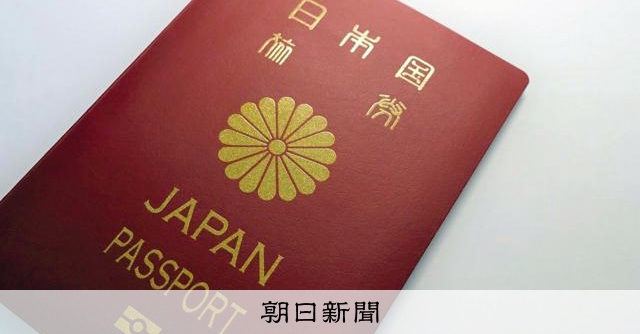
On 1 July 2026, Japan made obtaining a passport dramatically cheaper. The online application fee for a 10-year adult passport fell from 15,900 yen (US$100) to 8900 yen (US$56), while applicants under 18 can now obtain a five-year passport for 4400 yen (US$28). But lower passport fees alone will not overcome Japan’s persistent barriers to overseas mobility.
The change comes as Japan faces a broader pattern of ‘one-way internationalisation’ — rapidly expanding inward mobility alongside persistently weak outward mobility. At the end of 2025, Japanese nationals residing in Japan held 21.9 million valid ordinary passports, equivalent to 18.4 per cent of the population of Japanese nationals. This was up from 17.3 per cent a year earlier but remained below the 23.8 per cent recorded in 2019.
Japan’s limited outbound mobility is also evident in the widening gap between inbound and outbound travel. Japan welcomed 42.7 million international visitors in 2025, the highest annual total on record and 33.9 per cent above the 2019 total. Japanese overseas departures also increased by 13.3 per cent from the previous year, reaching 14.7 million, but remained 26.6 per cent below the pre-pandemic high.
A comparable imbalance is visible in student mobility. Japan hosted a record 408,069 international students as of 1 May 2025, a 21.2 per cent increase from the same date in the previous year. Of these students, 60.5 per cent were enrolled at Japanese-language institutions or professional training colleges. By contrast, 91,054 students at Japanese higher education institutions went overseas during fiscal year 2024, with about two-thirds of these overseas experiences lasting less than one month.