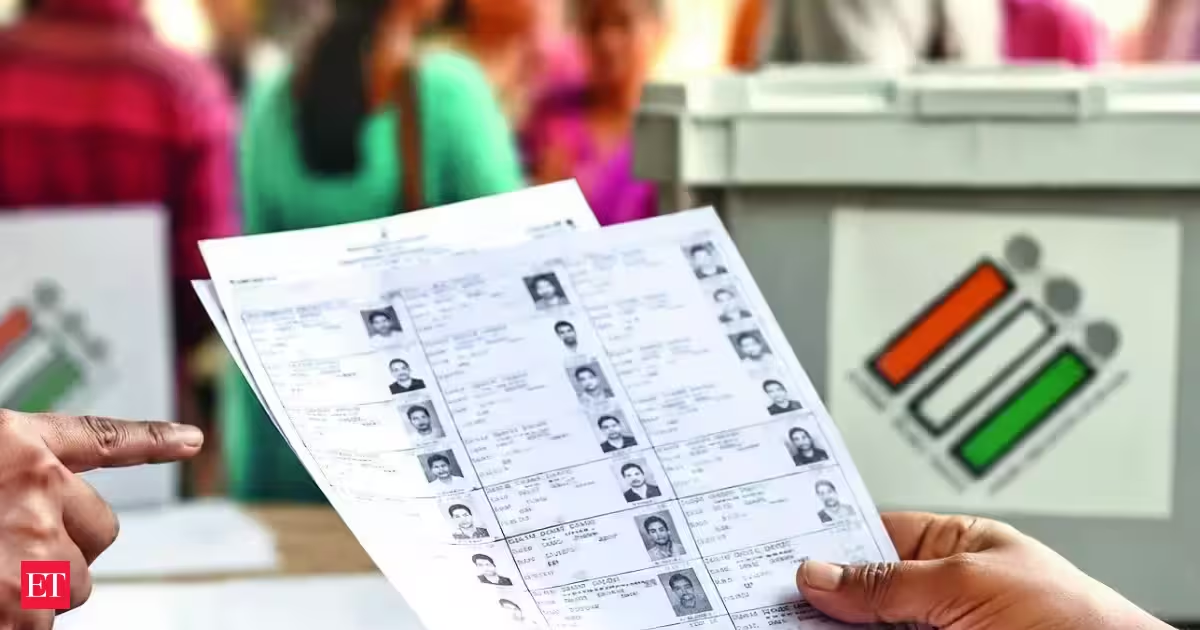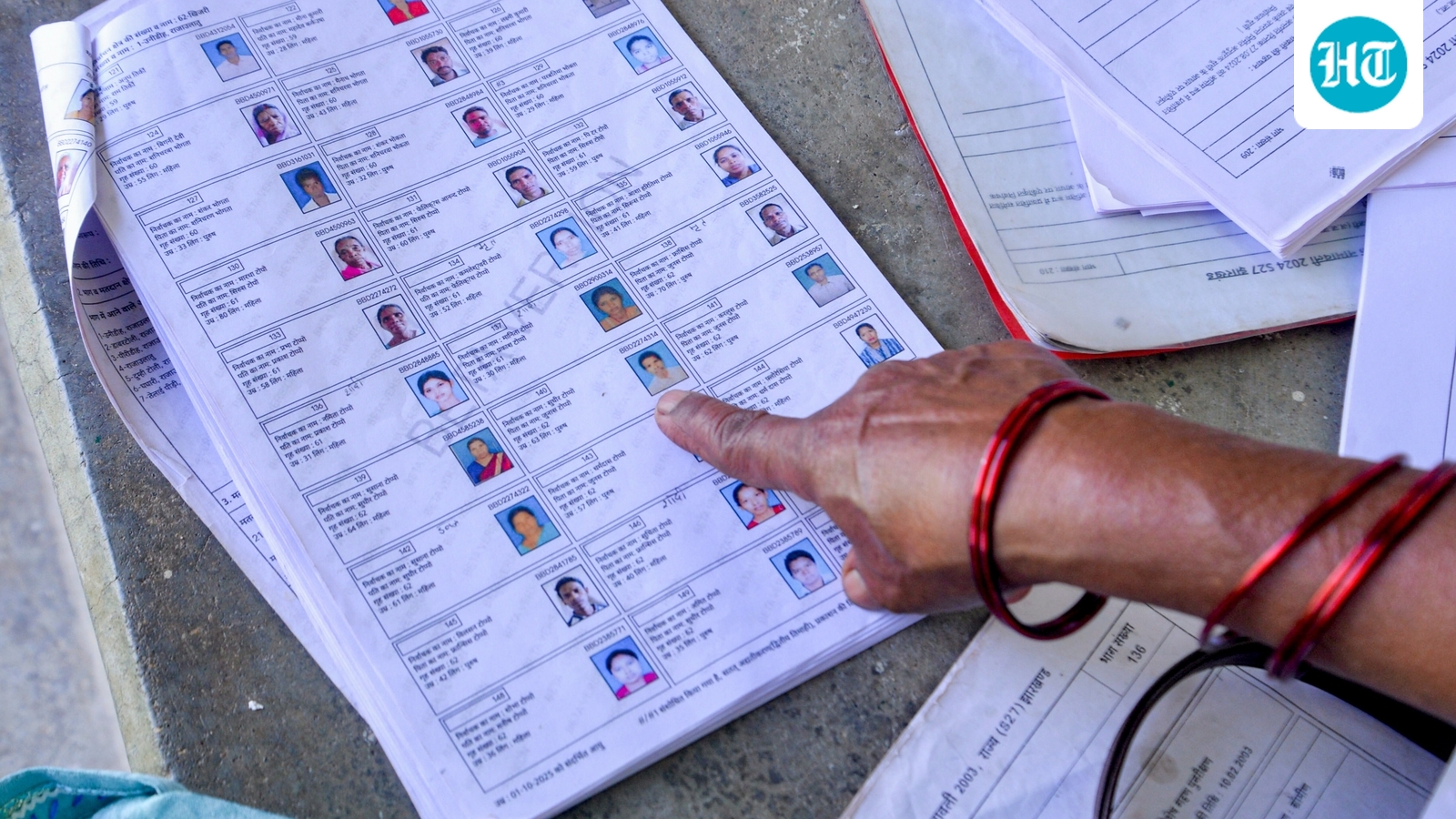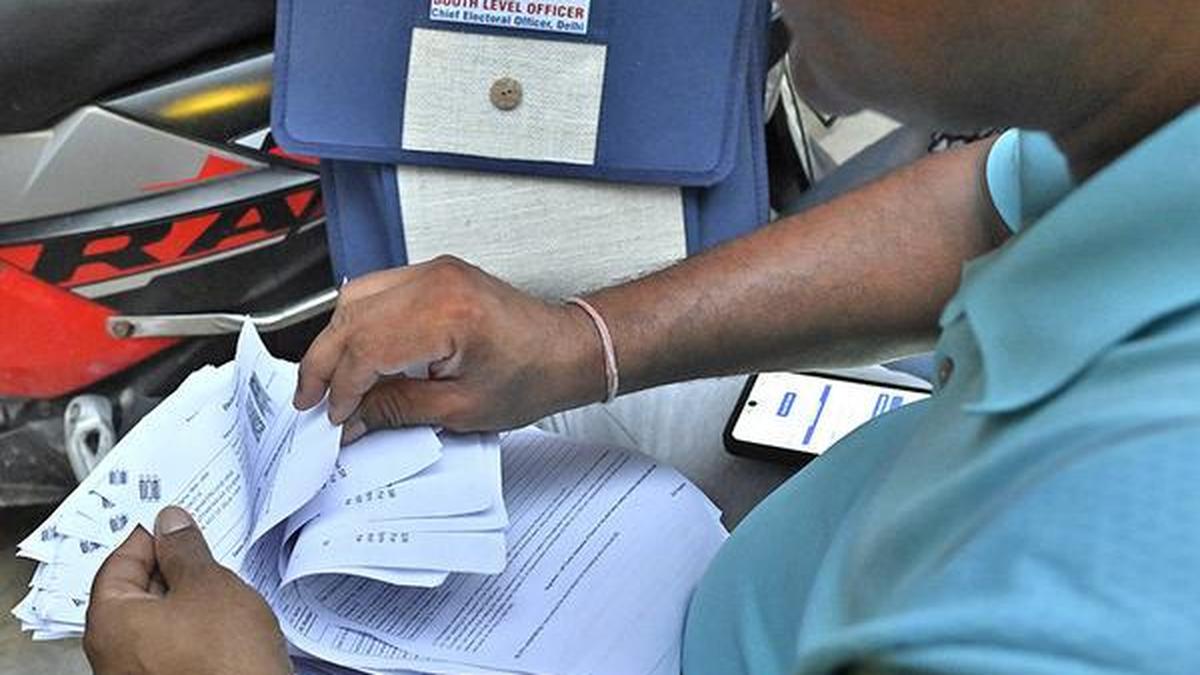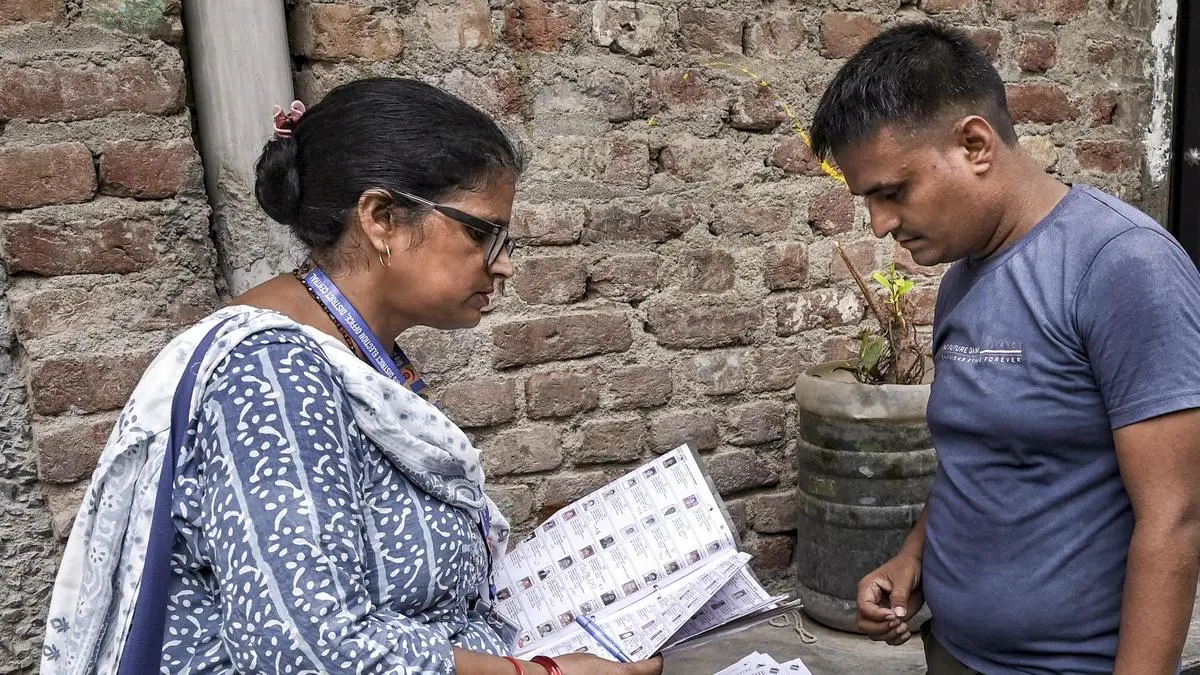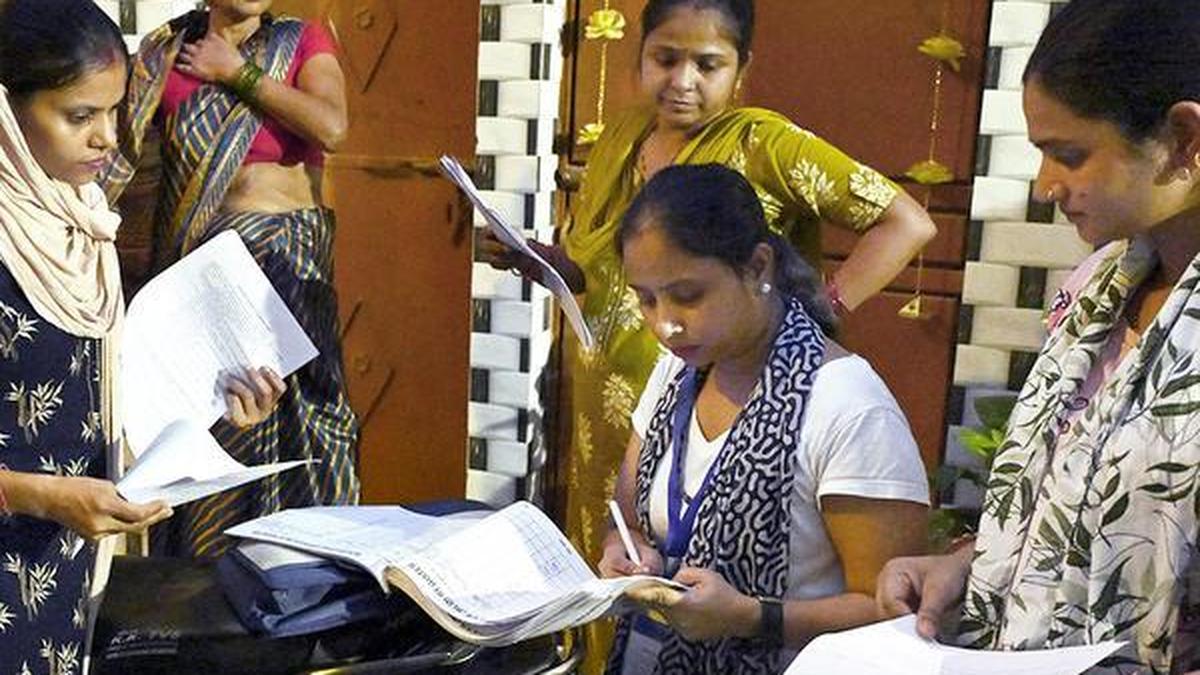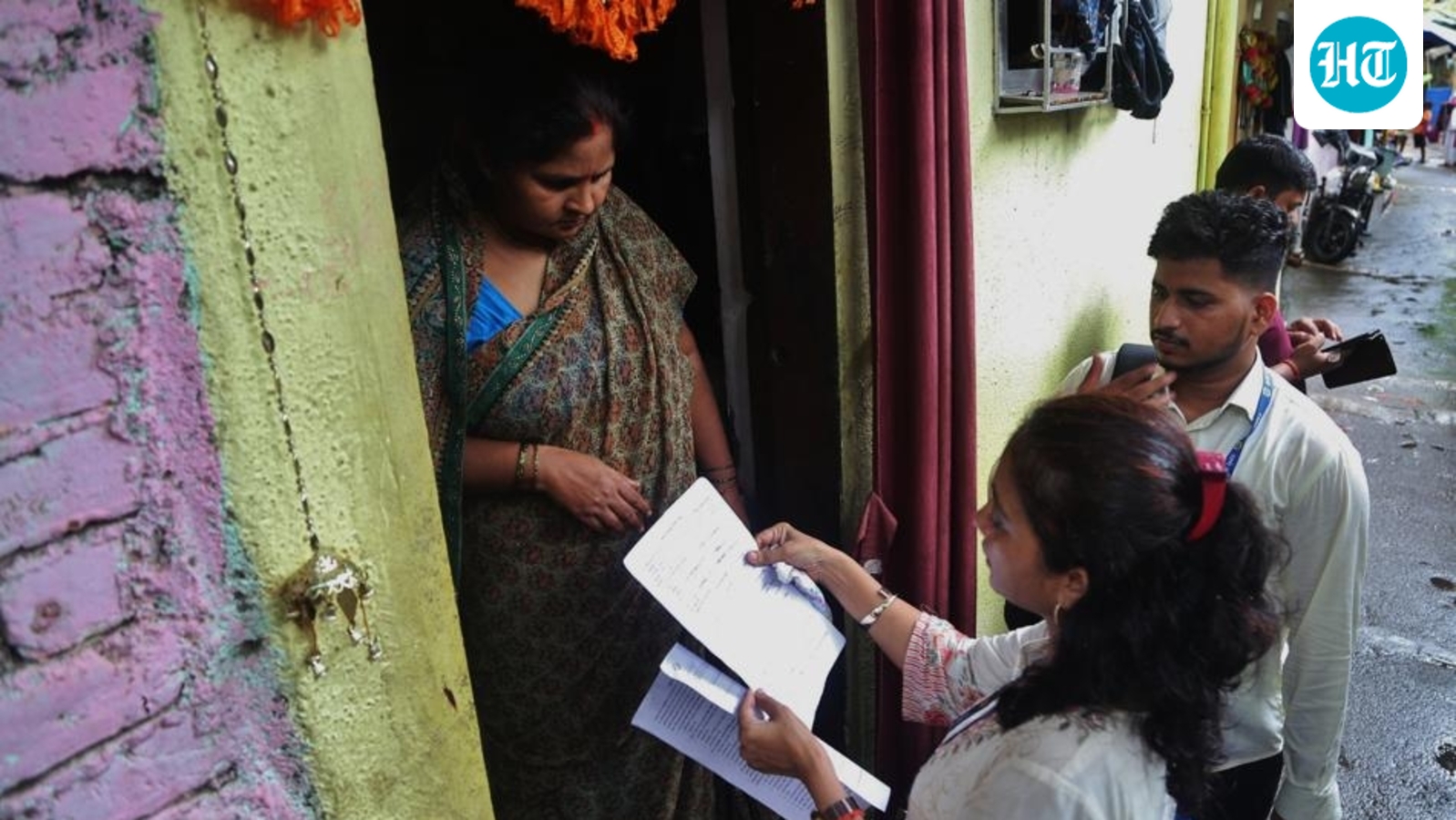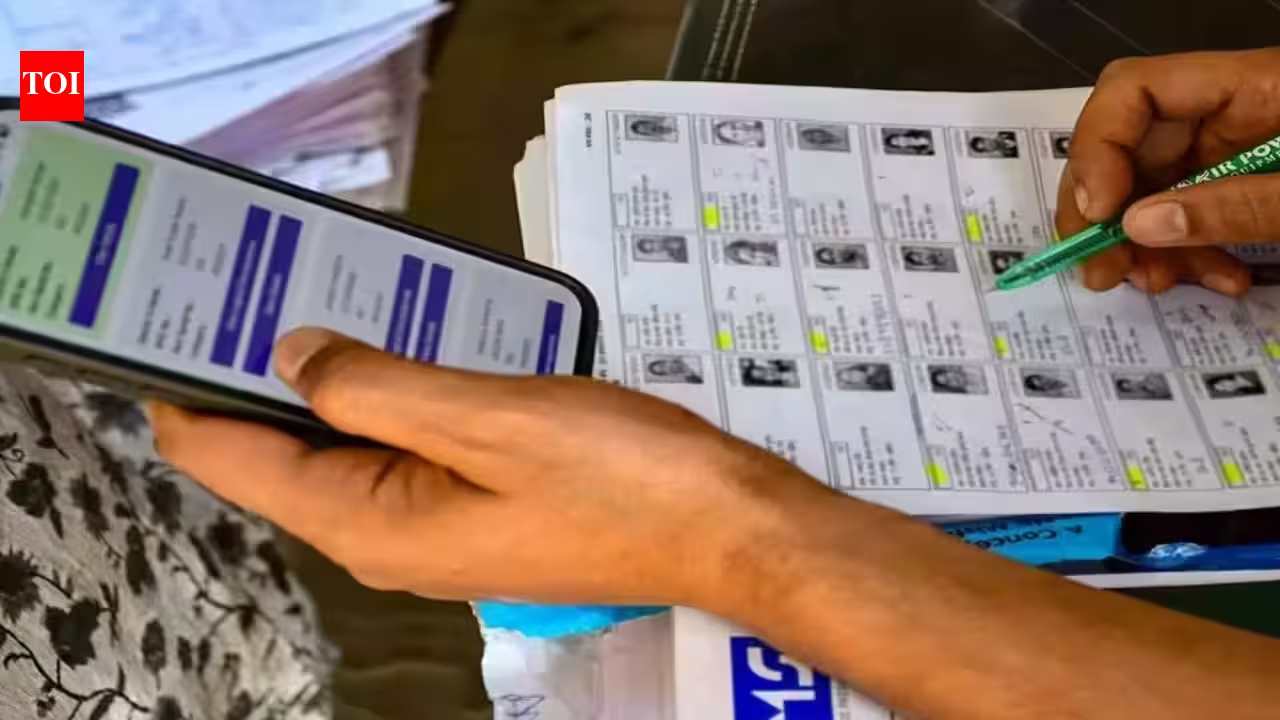
Delhi SIR draft voter list is out (Representative image)NEW DELHI: The draft electoral roll prepared under the Special Intensive Revision (SIR) in Delhi was published on Monday, leaving out more than 47 lakh of the 1.45 crore electors on the existing roll.Voters whose names are missing can file claims for inclusion between August 31 and September 30, with the final electoral roll scheduled to be published on November 4.How to check your name in Delhi draft voter listVoters can check whether their names feature in the draft roll through the Delhi chief electoral officer’s website and the Election Commission’s electoral search portal, news agency PTI reported.Search by EPIC: Select Delhi as the state, enter the EPIC number and captcha code, and search for the name.Search by mobile number: Select Delhi and the preferred language, enter the mobile number registered with the Election Commission and the captcha code, then click on Search.Name missing from draft roll? Here’s what to doEligible voters whose names do not appear in the draft roll can seek inclusion during the claims and objections period from August 31 to September 30.Applicants will have to submit Form 6, along with the prescribed Declaration form and supporting documents.Those who have permanently shifted residence and want their names transferred to another constituency can submit Form 6 at their new place of residence.Why are 47.5 lakh names missing?The house-to-house enumeration exercise covered all 1,45,10,299 electors on the existing roll. Completed enumeration forms for more than 67% of electors were submitted and digitised by Booth Level Officers (BLOs).The remaining 47,56,722 electors were categorised as "uncollectable" under the Absent, Shifted, Dead, Duplicate and Others (ASDDO) category and were consequently not included in the draft roll.Most electors placed in the ASDDO category were marked as "permanently shifted". Their exclusion from the draft does not stop eligible voters from seeking inclusion during the claims period.What is Form 6?Form 6 is the application used to seek inclusion of a name in the electoral roll under the Registration of Electors Rules, 1960.Applicants need to submit documents establishing their date of birth and residence.For proof of birth, any one of the following can be submitted:Birth certificate issued by the competent local body or Registrar of Births and DeathsAadhaar cardPAN cardDriving licenceClass X or Class XII certificate issued by CBSE, ICSE or a state boardIndian passportIf none of these documents is available, the applicant can provide the required details along with a self-attested copy of an address proof in the name of the applicant or one of their parents, spouse or adult children, as prescribed.Documents accepted as proof of residenceApplicants can submit any one of the following:Water, electricity or gas connection bill for the address for at least one yearAadhaar cardCurrent passbook of a nationalised or scheduled bank or post officeIndian passportRevenue Department land-owning records, including Kisan BahiRegistered rent lease deed, in case of a tenantRegistered sale deed, in case of an ownerHow to submit Form 6A completed Form 6 can be submitted online through the Election Commission’s Voters’ Services Portal (voters.eci.gov.in) or the ECINET app.It can also be submitted offline to the Assistant Electoral Registration Officer (AERO) or Electoral Registration Officer (ERO), or through the Booth Level Officer (BLO).For most voters, submitting the form online is the simplest option.Why is the SIR being conducted?The Special Intensive Revision is a house-to-house verification exercise aimed at preparing accurate and updated electoral rolls and removing errors and ineligible entries.During the exercise, BLOs visit households to verify voter details and collect updated information.A Special Intensive Revision of electoral rolls was conducted across the country during 2002-2004.For SIR 2026, the house-to-house enumeration exercise began on June 30 and ended on August 17.The draft roll was published on August 31, marking the start of the claims and objections period, which will continue until September 30.The claims and objections will subsequently be examined, with the notice and disposal process scheduled to conclude on October 29. The final electoral roll is scheduled to be published on November 4.(With agency inputs)
Delhi voter roll revision: Here’s what to do if your name is missing from draft list
NEW DELHI: The draft electoral roll prepared under the Special Intensive Revision (SIR) in Delhi was published on Monday, leaving out more than 47 lakh of the 1.45 crore electors on the existing roll.
664 words~3 min read