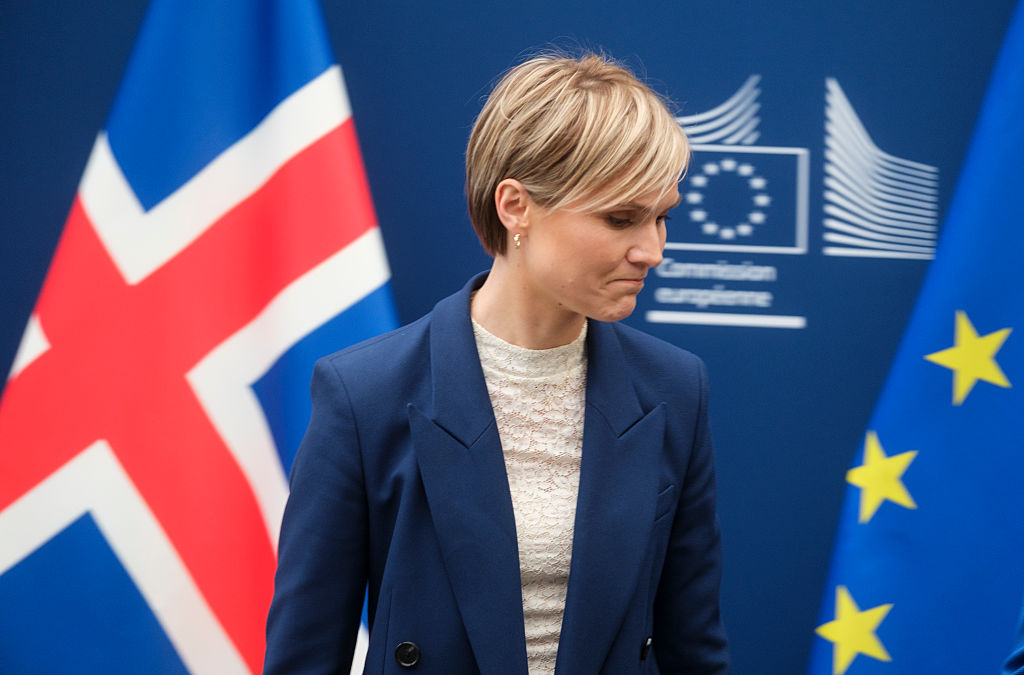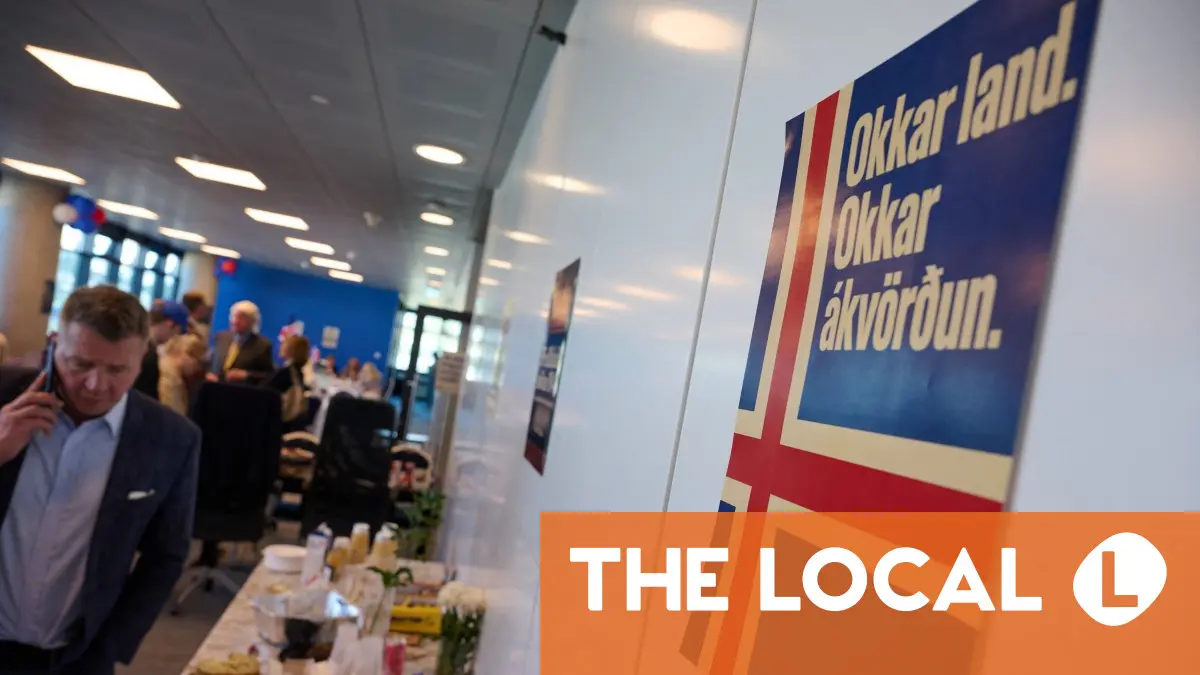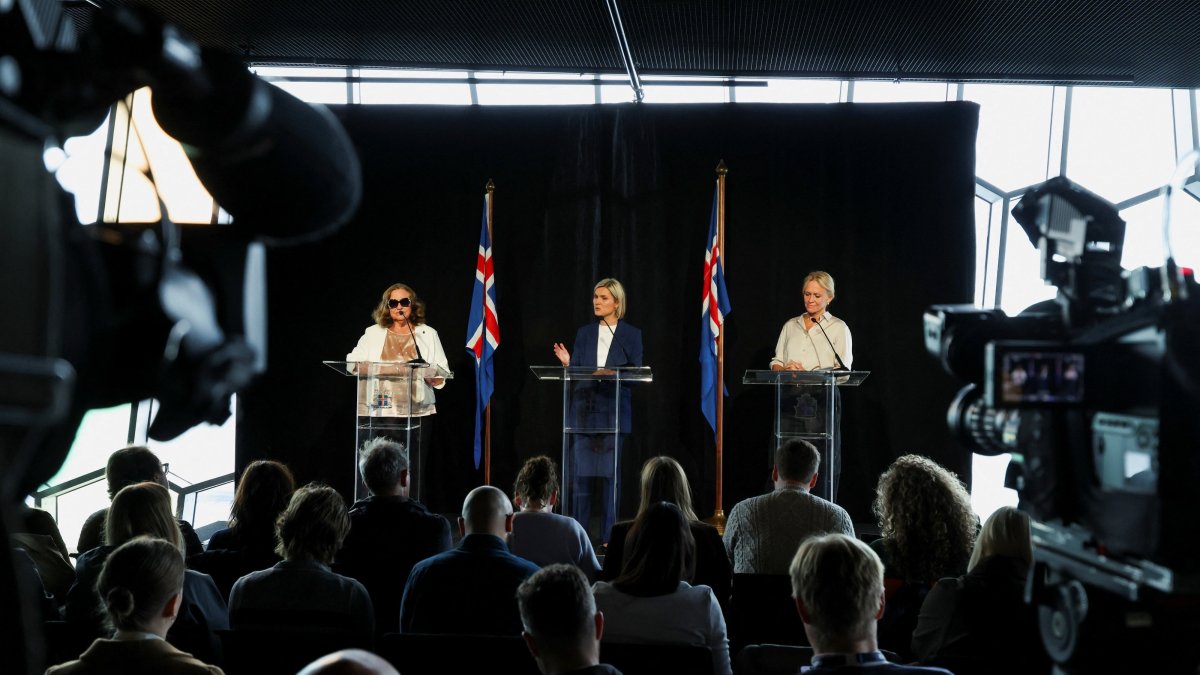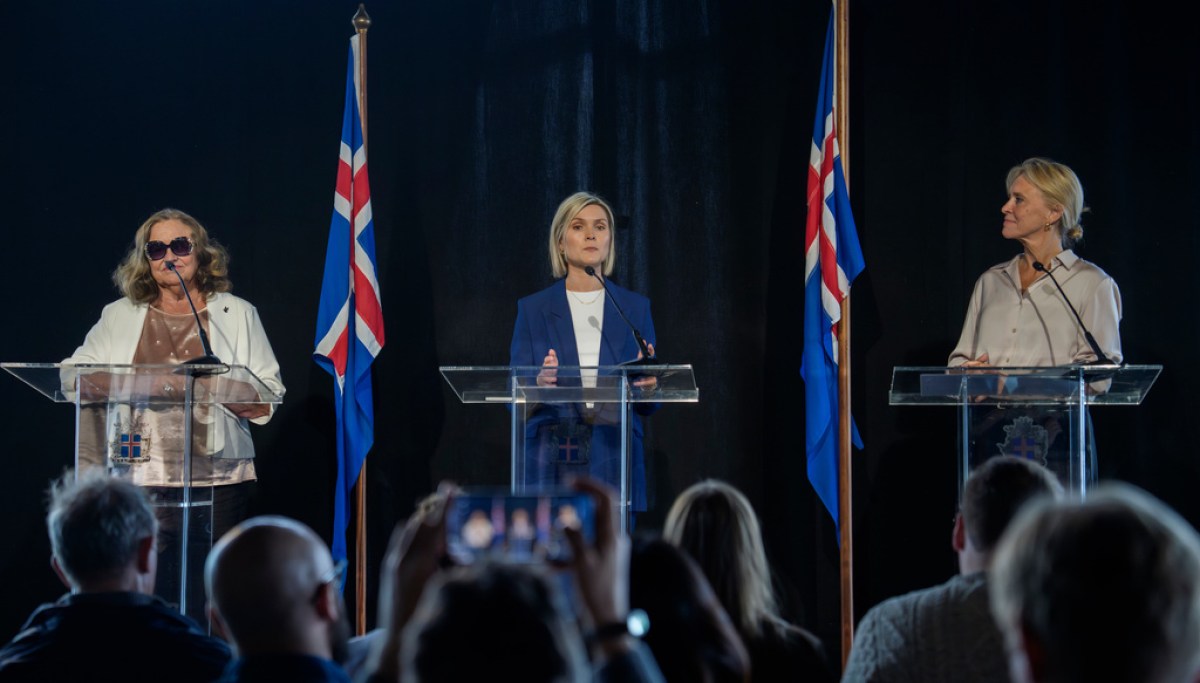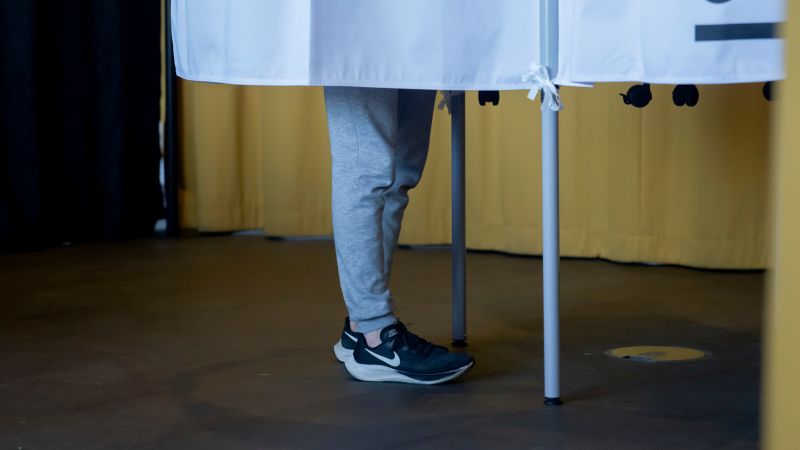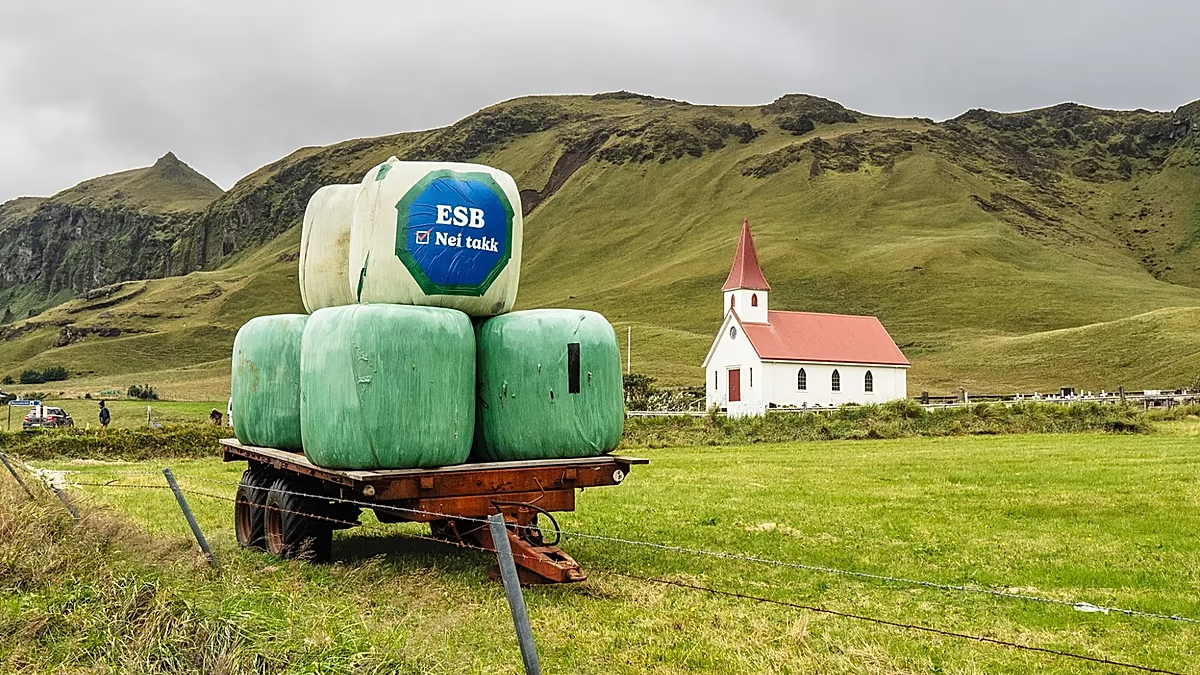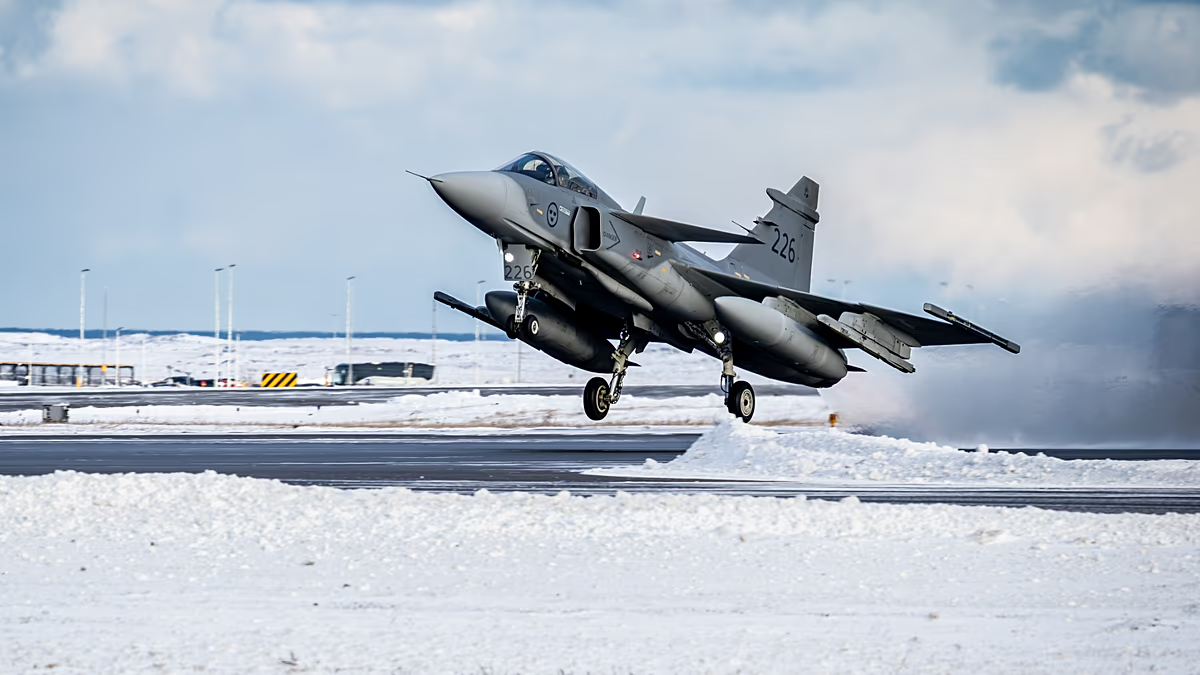
Brussels had hoped it could attract wealthier nations into its orbit by positioning itself as a pillar of defence and security in an increasingly volatile geopolitical landscape.
Icelandic voters proved it wrong.
After the Icelandic government announced a referendum on whether to resume negotiations for joining the bloc, EU officials hailed the move as a sign the Union was shifting from being seen purely as a market to a fully fledged political actor.
As a result, security considerations were expected to override the historic reluctance of wealthier Nordic nations to join the Union.
"In a world where we face pressures from East and West, where old alliances are fading, and new ones emerging, where dependencies are weaponised, and where we are experiencing direct attacks on our democracy and our way of life, becoming stronger together is our biggest asset," Enlargement Commissioner Marta Kos said at a conference last week.