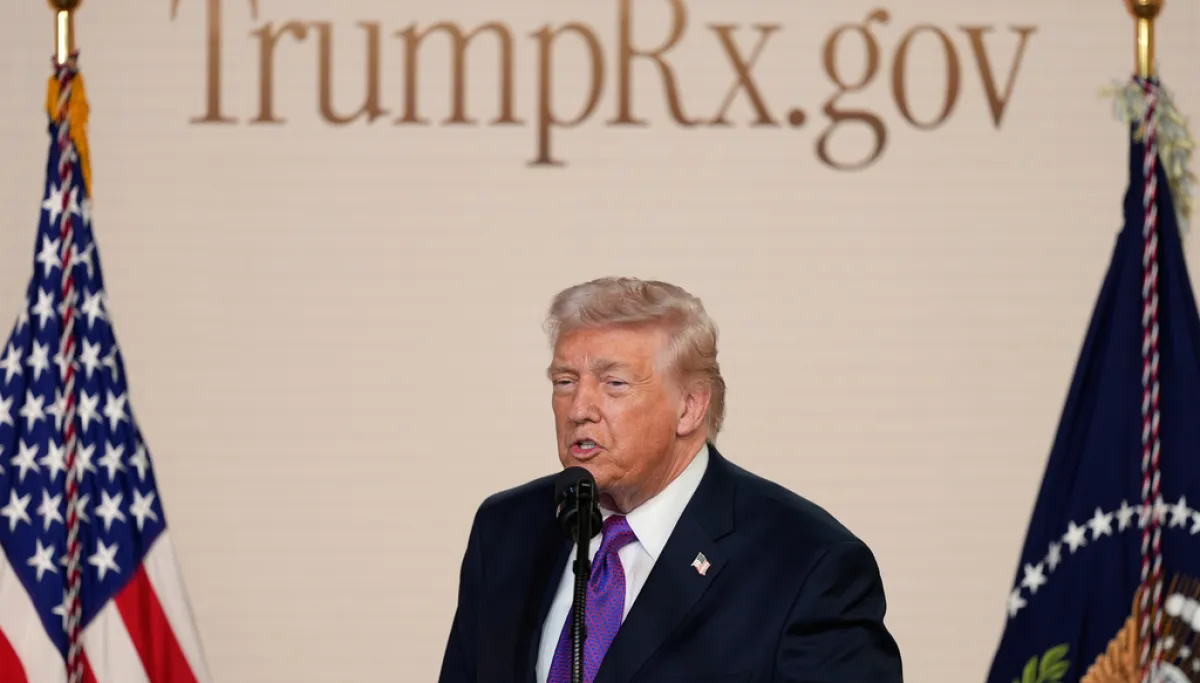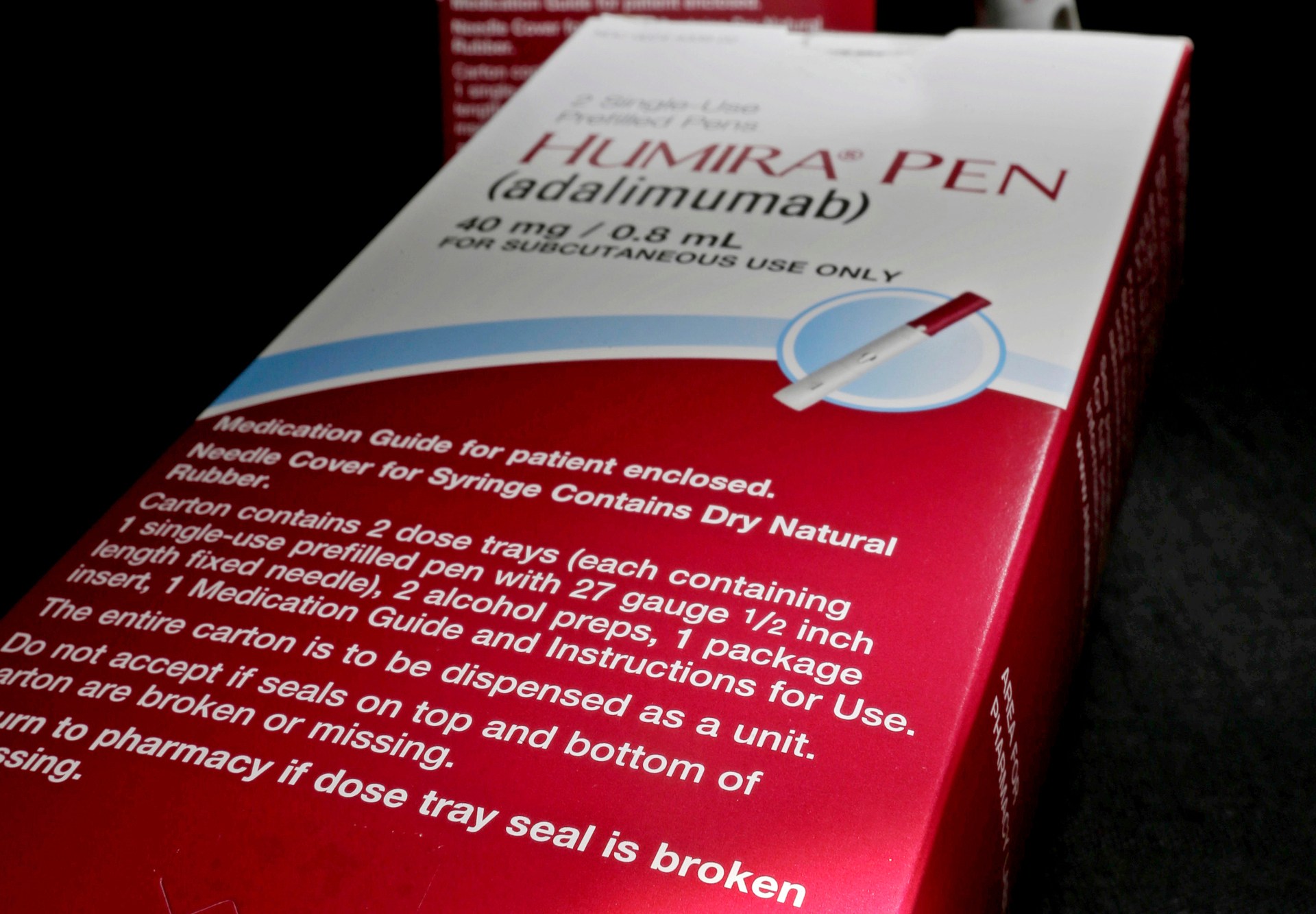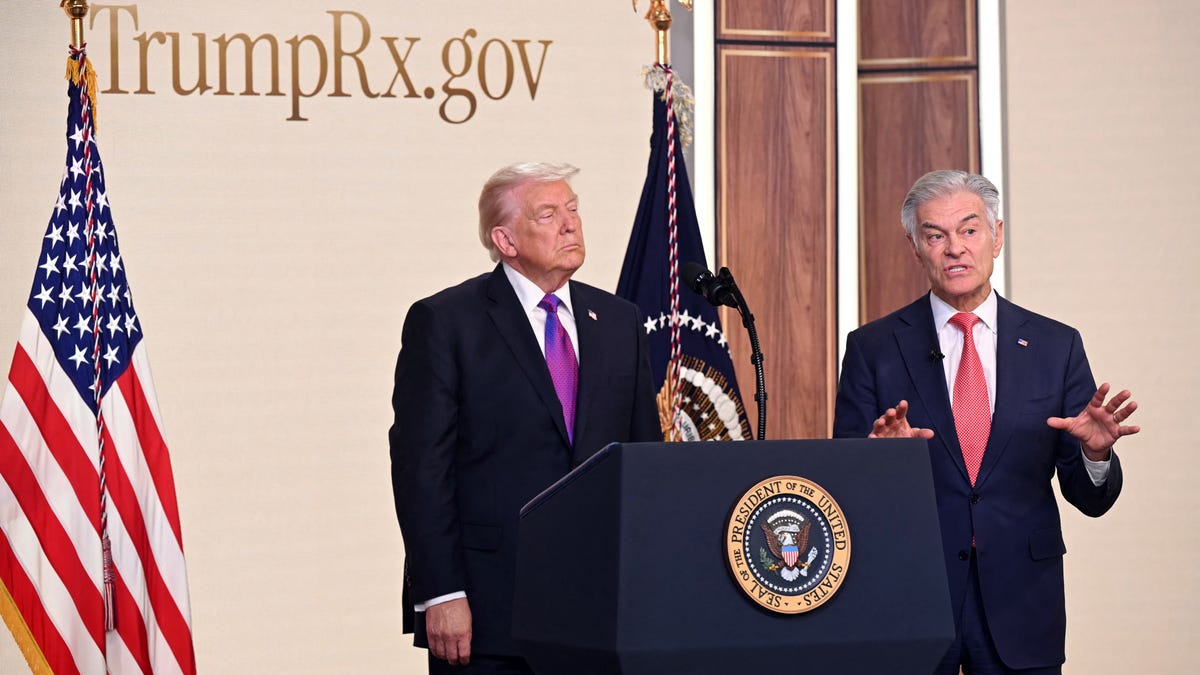
After decades of prescription drug prices rising faster than inflation, new data from the Bureau of Labor Statistics offered some rare positive headlines on affordability. In 2025, prescription drug prices fell by an average of more than 3%, the first time this has happened since 1963. It’s good news for patients across America, and the outlook for 2026 price adjustments is equally positive. Prices have declined every month so far this year, a clear sign of market progress. Less clear is what’s driving the decline in prices and who can take credit for it — and in Washington, someone always wants to take credit. If a Democrat were still in the White House, they would no doubt point to the Inflation Reduction Act, which took full effect this January. The Trump administration wasted no time linking the drop in drug prices to its so-called most-favored-nation policy, a top priority of the president since the February State of the Union address, in which he called on Congress to codify MFN into law.The White House also called its TrumpRX website “revolutionary” and said it was responsible for $700 million in prescription savings related to fertility drugs, insulin, inhalers, and cholesterol medications. But TrumpRX doesn’t “generate” savings; it simply lists already existing deals from pharmaceutical manufacturers. It’s a discovery tool for direct-to-consumer offers. MFN policies have yet to be truly enacted.
Trump didn’t lower your drug prices — Ozempic did
Falling prescription drug prices are driven by fierce GLP-1 market competition, not by White House policies or government portals.
713 words~3 min read