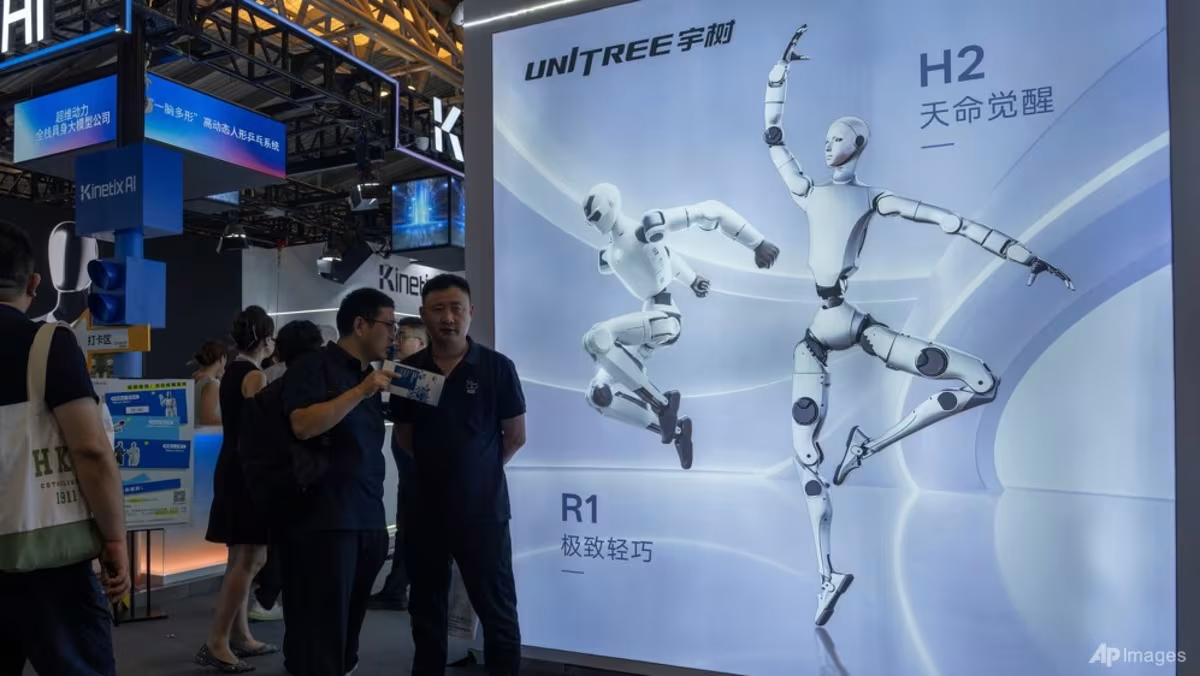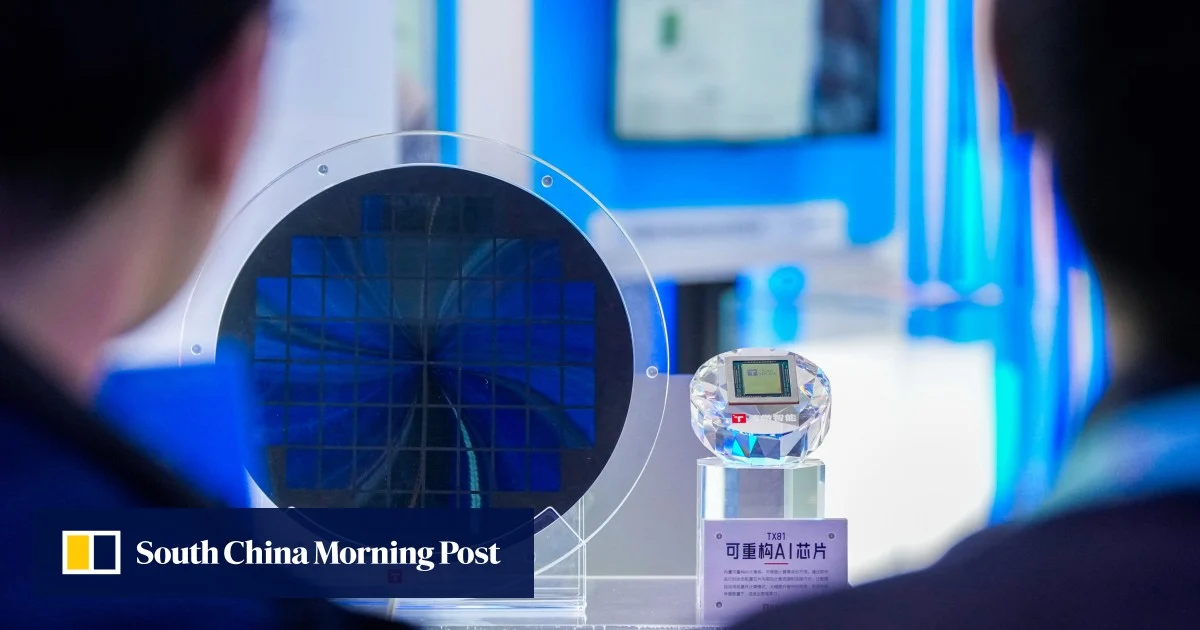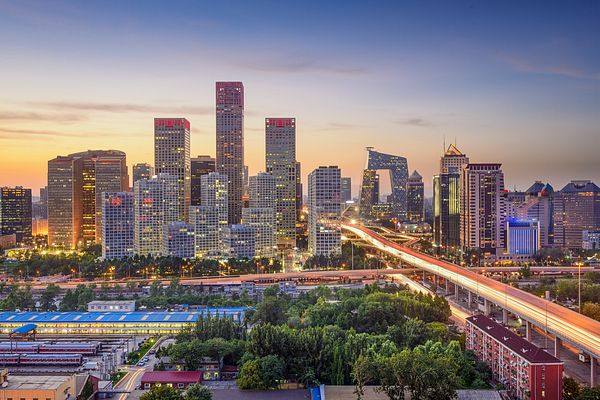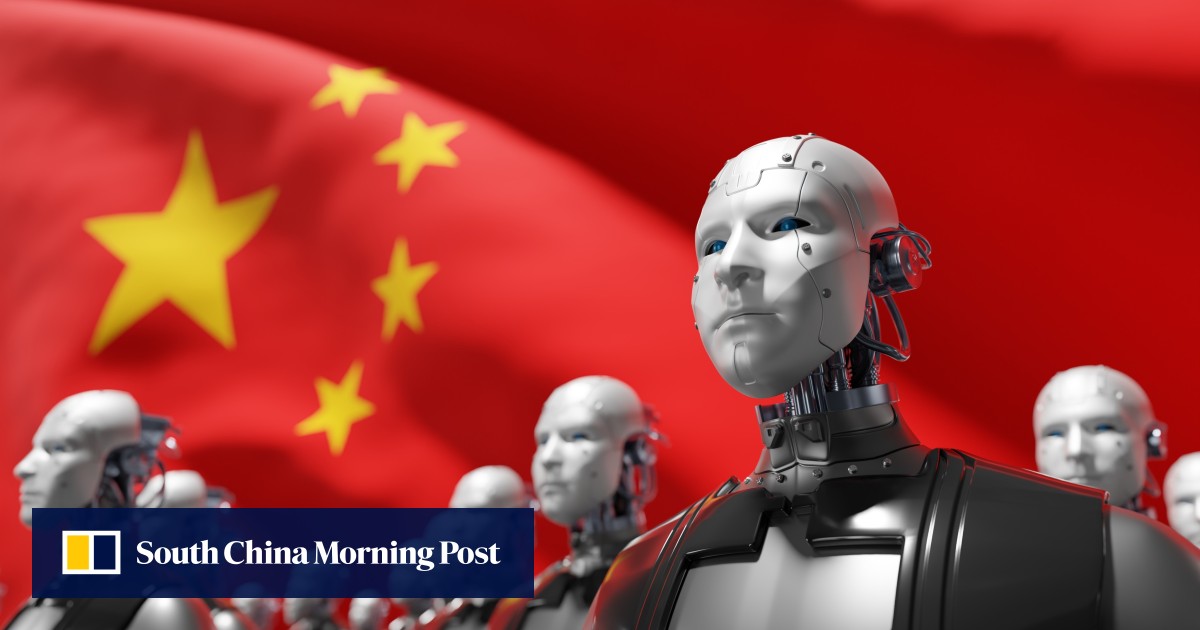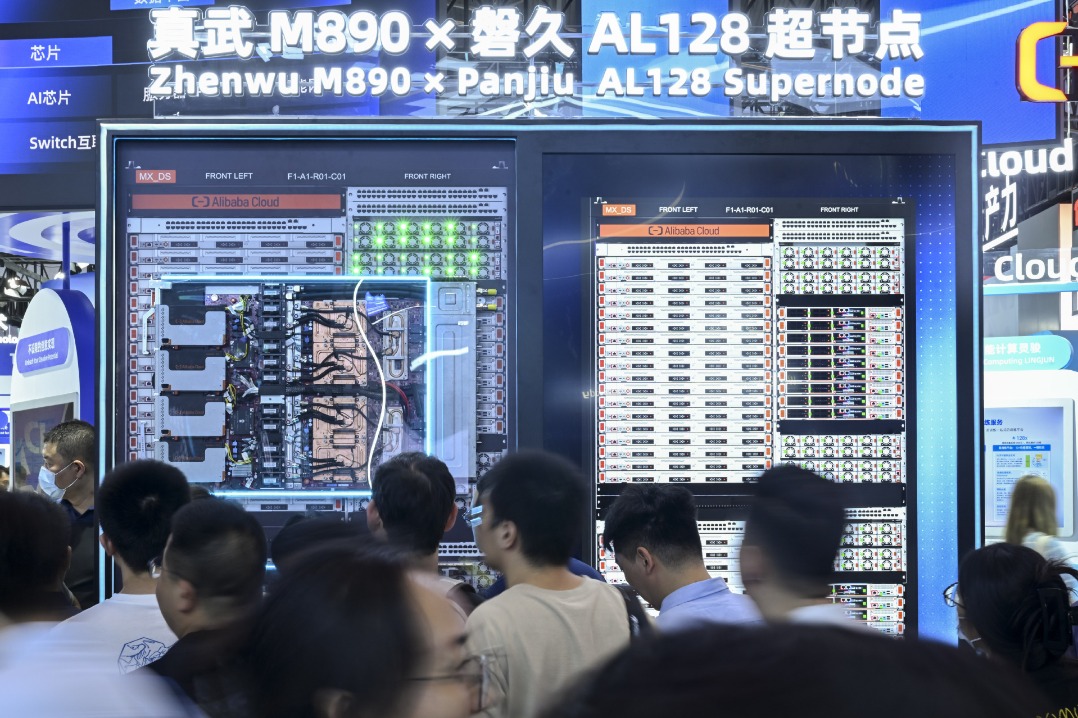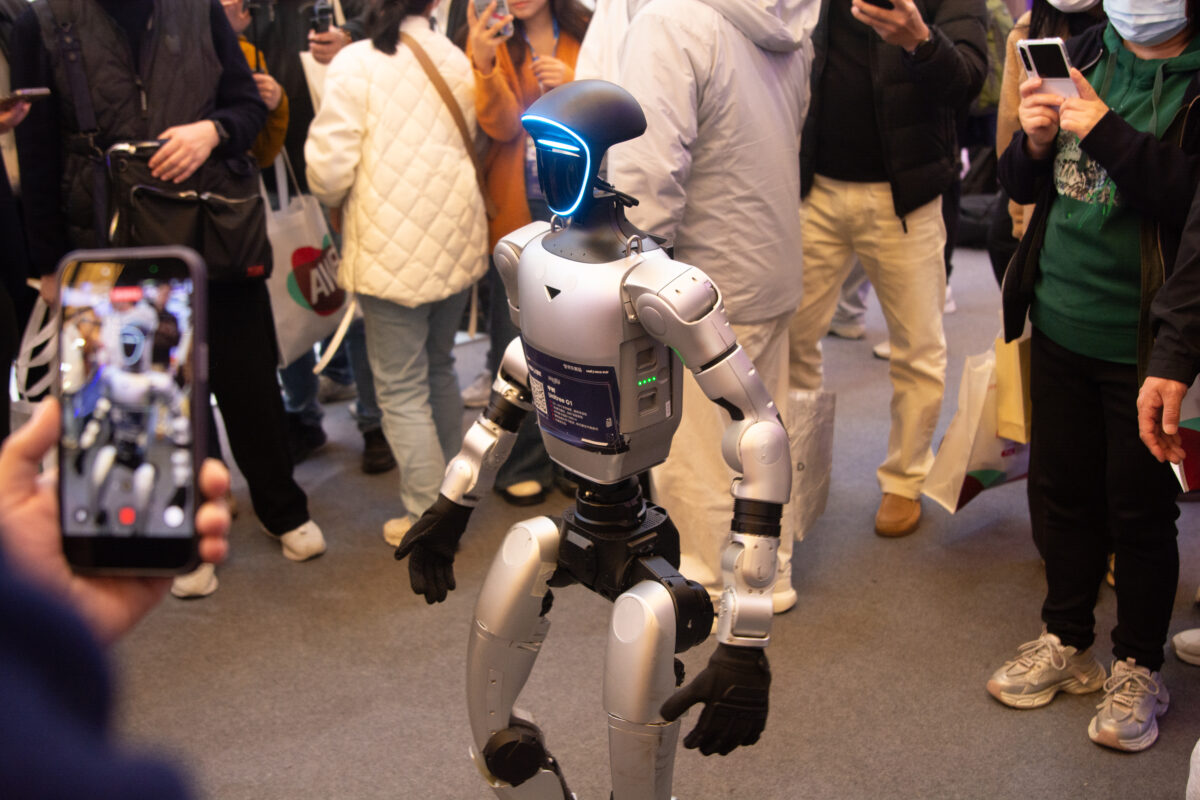
China’s efforts to embed artificial intelligence across industries, which it calls its “AI+ plan,” has generated plenty of fanfare, and much of it is justified. For China, AI is a national development project, not simply a technological innovation, with the ambition to lift everything from traditional industries to emerging sectors.
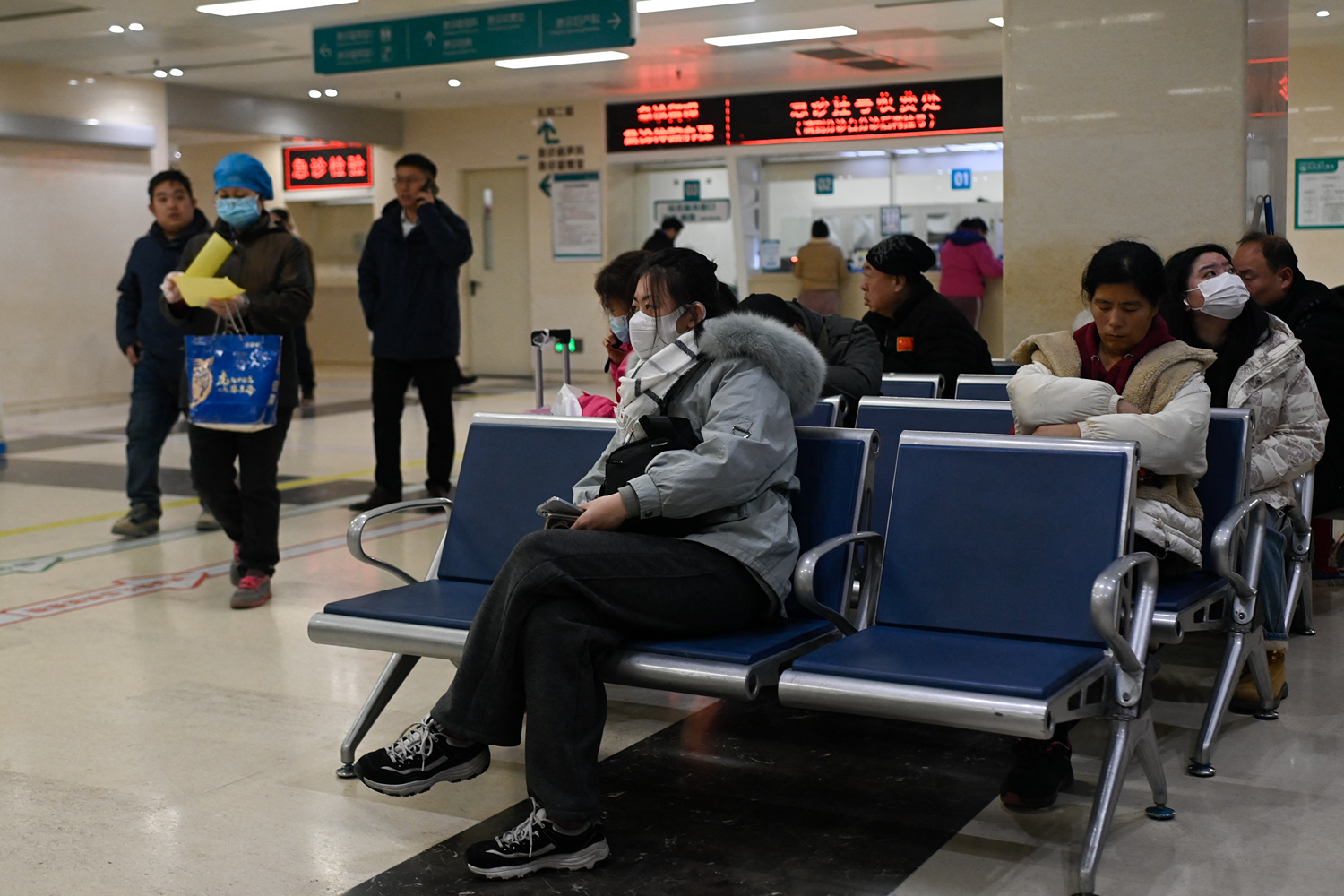
But the next challenges are not technical. China has already tapped much of the low-hanging fruit, such as long-term industrial planning, advanced supply chains, and a vast engineering talent pool. Some of the most important AI+ challenges go back to less glamorous problems requiring system-level and institutional policy change. Nowhere is this clearer than in “AI+ health,” made urgent by demographic pressures and an increasing disease burden.
China’s efforts to embed artificial intelligence across industries, which it calls its “AI+ plan,” has generated plenty of fanfare, and much of it is justified. For China, AI is a national development project, not simply a technological innovation, with the ambition to lift everything from traditional industries to emerging sectors.
But the next challenges are not technical. China has already tapped much of the low-hanging fruit, such as long-term industrial planning, advanced supply chains, and a vast engineering talent pool. Some of the most important AI+ challenges go back to less glamorous problems requiring system-level and institutional policy change. Nowhere is this clearer than in “AI+ health,” made urgent by demographic pressures and an increasing disease burden.