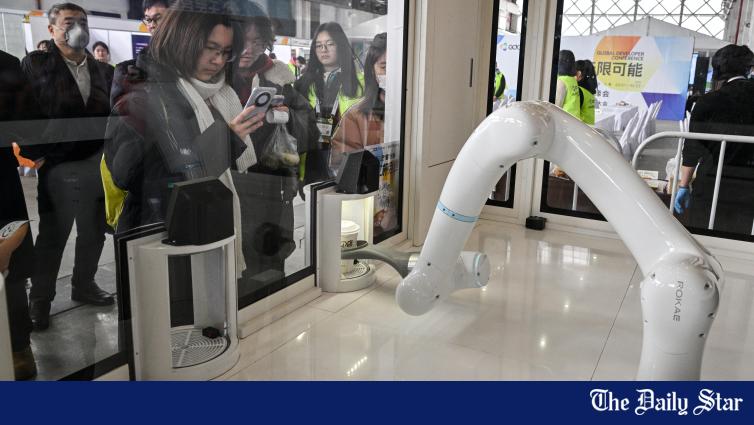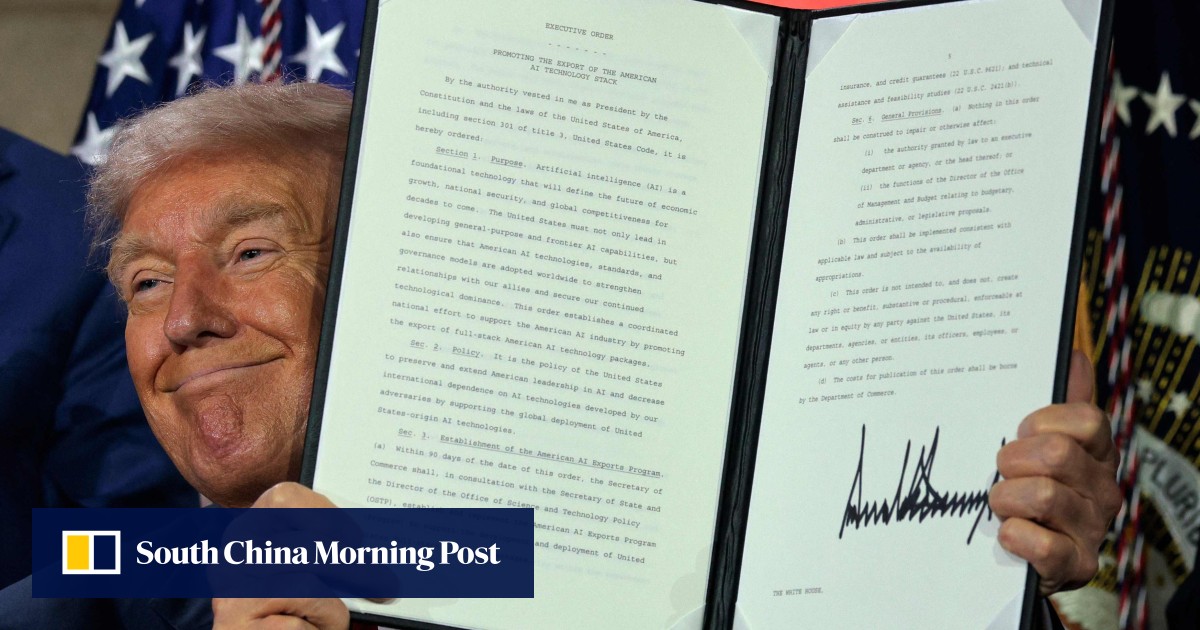
In China’s 15th Five-Year Plan, artificial intelligence (AI) is the most frequently mentioned strategic priority, while ‘involution’ and weak domestic demand also feature prominently. Yet financial market liberalisation — an issue underlying each of these priorities — receives far less attention.
China is not liberalising its financial markets. Rather, Beijing is selectively internationalising the renminbi (RMB) to allow for international circulation where this is strategically useful, while preserving capital controls. This creates a system in which firms can raise capital at home but face political and regulatory barriers when attempting to scale abroad, despite this typically being central to competitiveness in emerging industries. Beijing’s strict control over capital flows is increasingly constraining Chinese AI firms to a lower-return domestic market, where investment and competition are growing faster than profitable opportunities.
Recent internationalisation initiatives are not steps towards opening the capital account. HKEX, the Hong Kong stock exchange operator, has expanded its HKD–RMB Dual Counter Model, which allows investors to trade selected Hong Kong-listed securities in either Hong Kong dollars or RMB. There has also been the use of RMB for toll payments through the Strait of Hormuz and a surge in ‘panda bonds’, RMB-denominated bonds sold in China but issued by offshore entities.