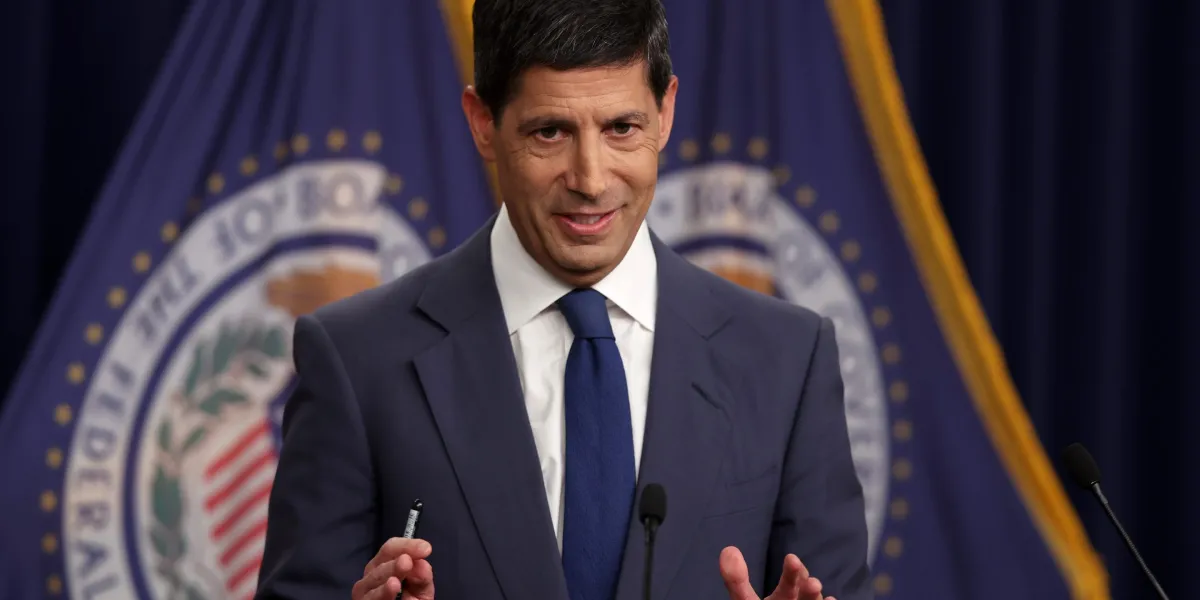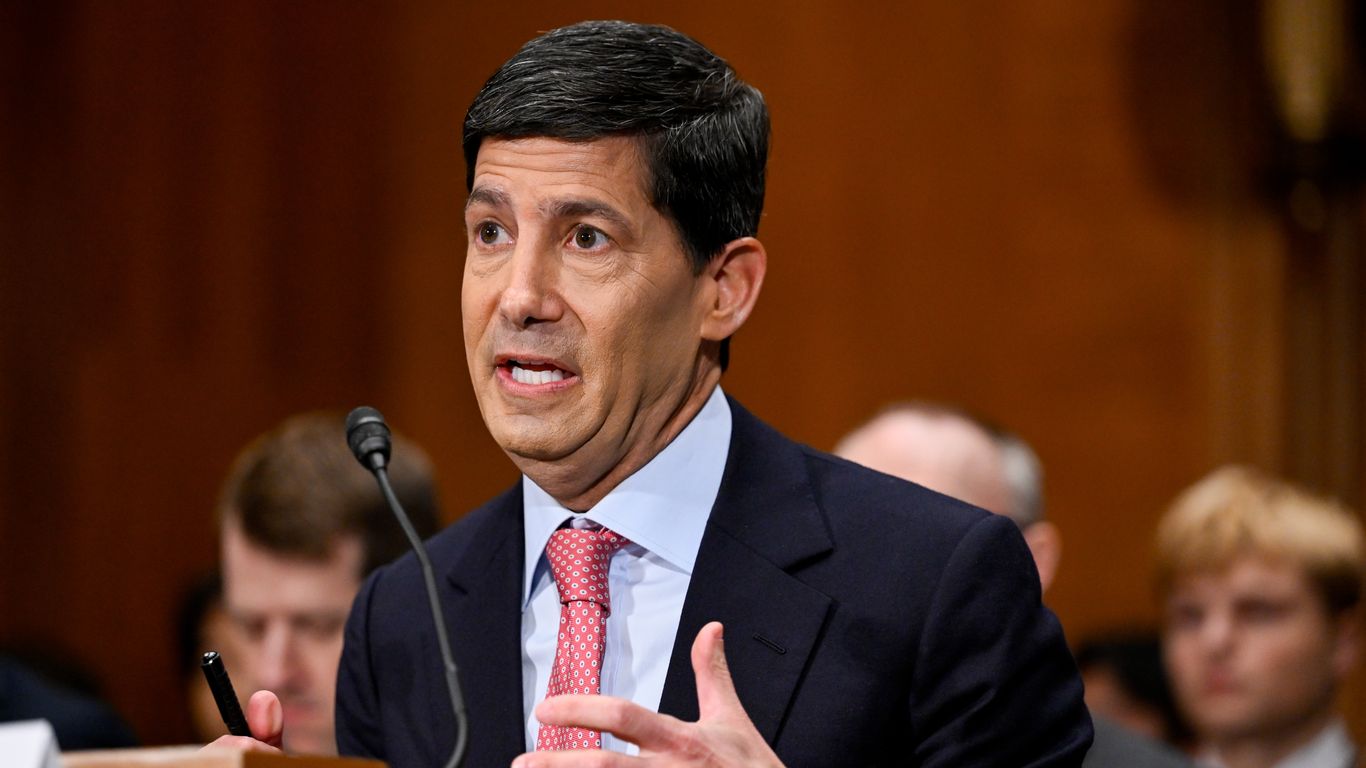
Warsh called AI a potential “new factor of production,” then asked whether customers will pay a premium for tokens from the most advanced models even as prices for older models fall toward marginal cost.
That doesn’t mean token prices are becoming a new Fed indicator. Instead, they could reveal how AI economics are evolving.
Gregory Daco, chief economist at EY Parthenon, told me that Warsh appears to see token prices as a window into the evolving AI market, offering clues about competition among providers, differences in model quality, pricing strategies, and computing costs.
But interpreting those price signals isn’t straightforward. Falling token prices can tell two very different stories.
If AI models become more capable while getting cheaper, businesses could generate more output for every dollar they spend, a sign of genuine productivity gains. But if models become increasingly interchangeable, providers could be forced to compete on price. That could signal commoditization and raise questions about whether the enormous capital flowing into AI will generate strong returns.