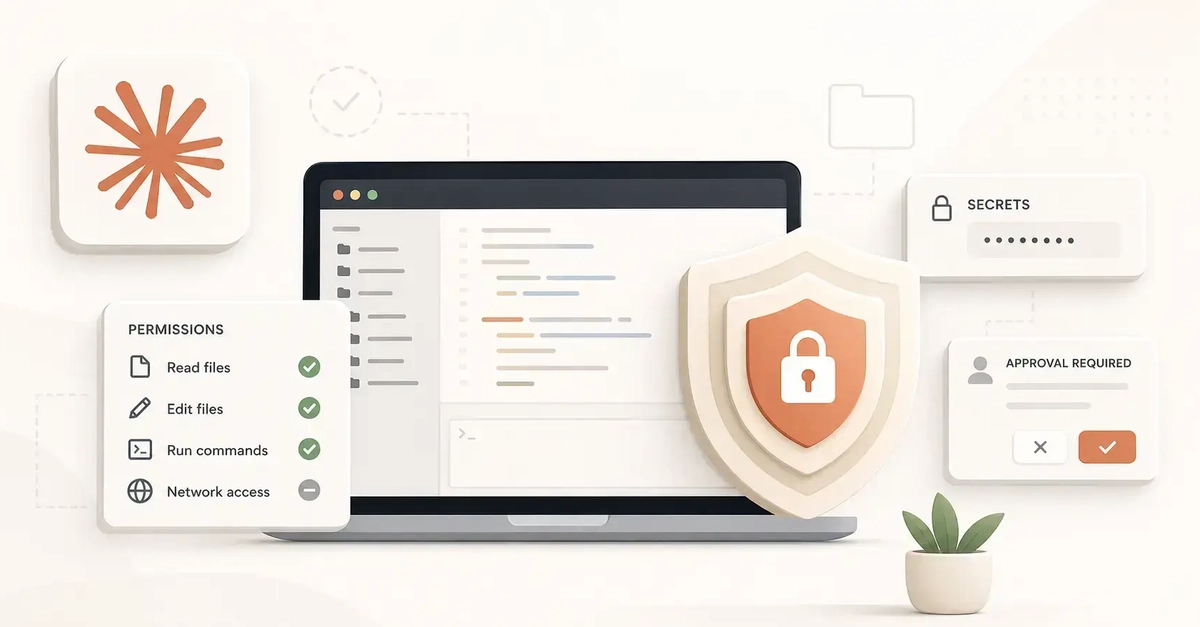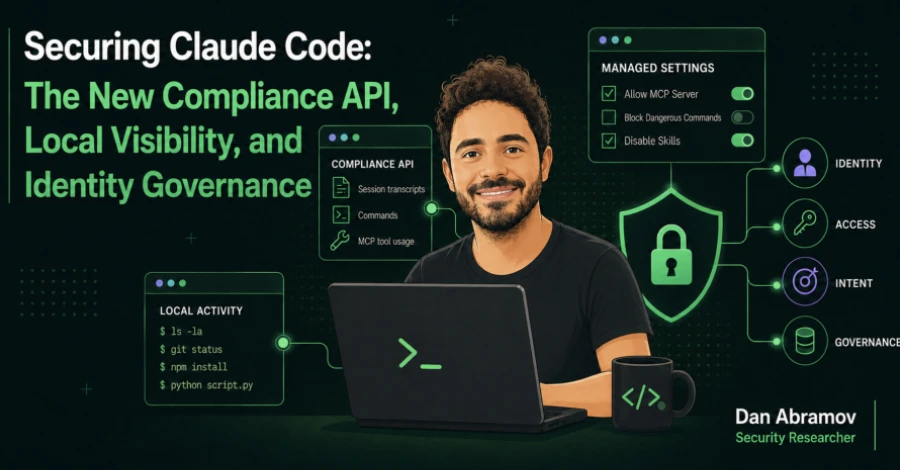
Claude Code reads files, runs shell commands, invokes MCP tools, and acts through the credentials available on a developer’s machine. Anthropic’s new Compliance API endpoints give security teams their clearest view yet into that activity. They also expose a larger problem: activity logs alone cannot tell you whether an agent’s access is legitimate.
AI has moved from the browser tab to the endpoint with harnesses like Claude Code. They run on developers' machines, execute bash commands locally, and connect to third parties via MCP servers, skills, and plugins. All this so the user can outsource labor to the machine and focus on designing, thinking, and creating.
Local agents are not a niche category. They account for 68.6% of the AI agents Token Security discovers in customer environments, and they often inherit the employee's credentials, network position, and permissions.
The shift to the endpoint has major implications for security. With Claude Code, there is no centralized console to monitor endpoint agents across local configurations, identity and access, and runtime. Before August 2026, Anthropic's native controls had limited visibility into what those agents were actually doing, forcing teams to use third-party extensions just to achieve the bare minimum of governance.