Story audio is generated using AI
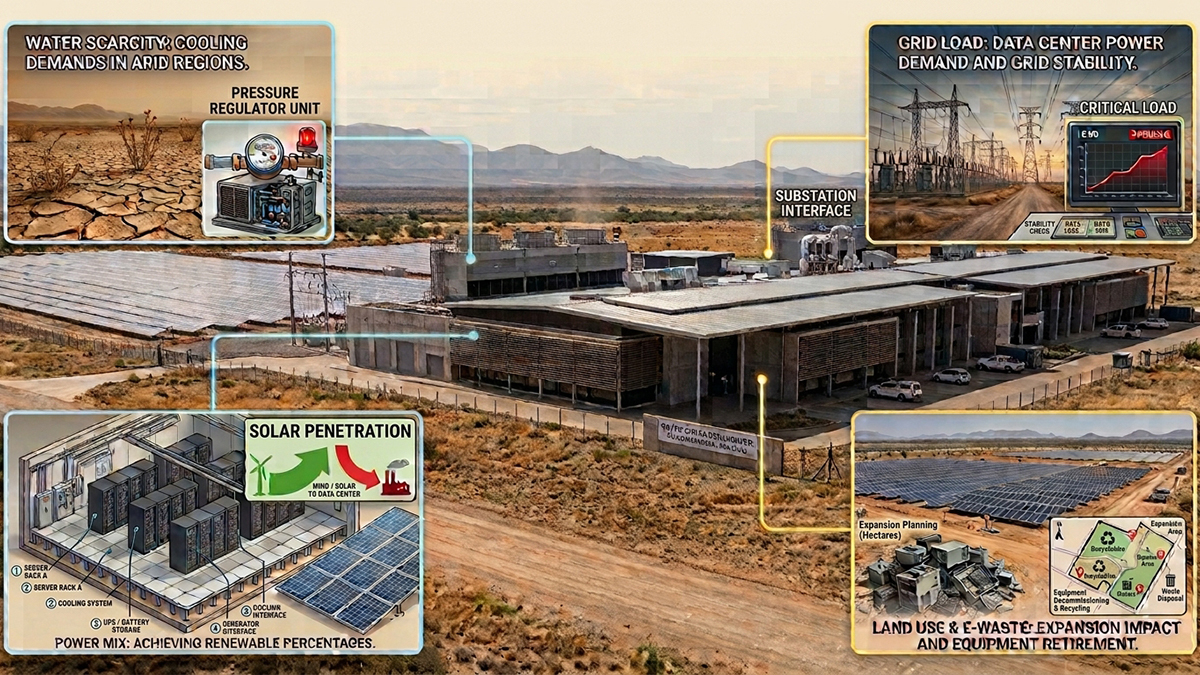
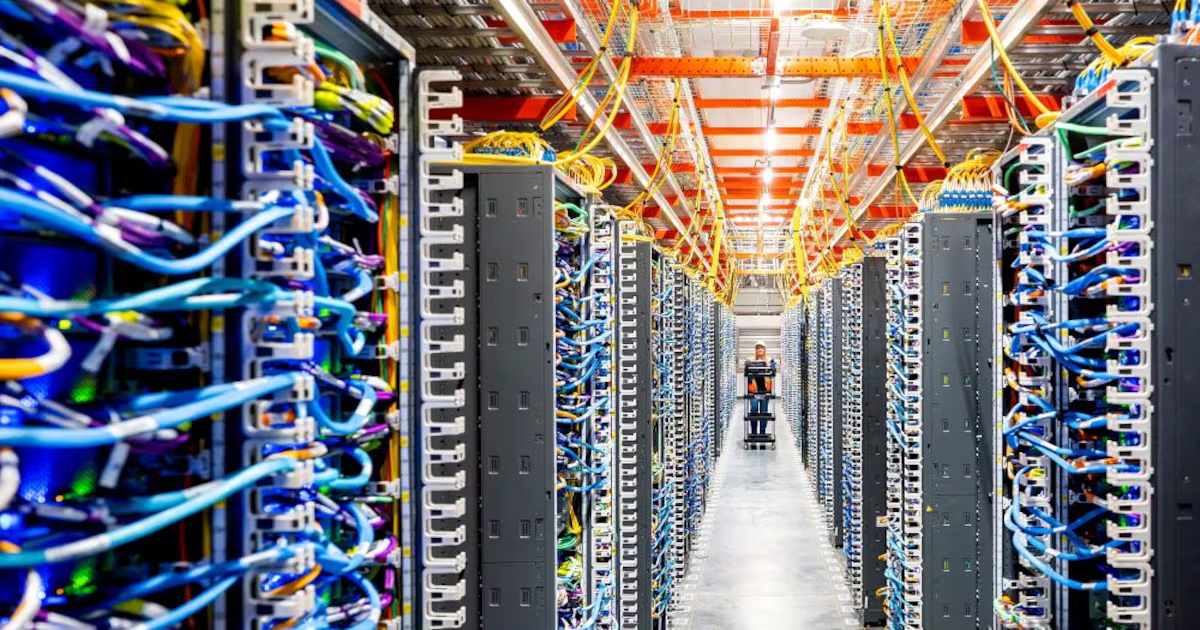
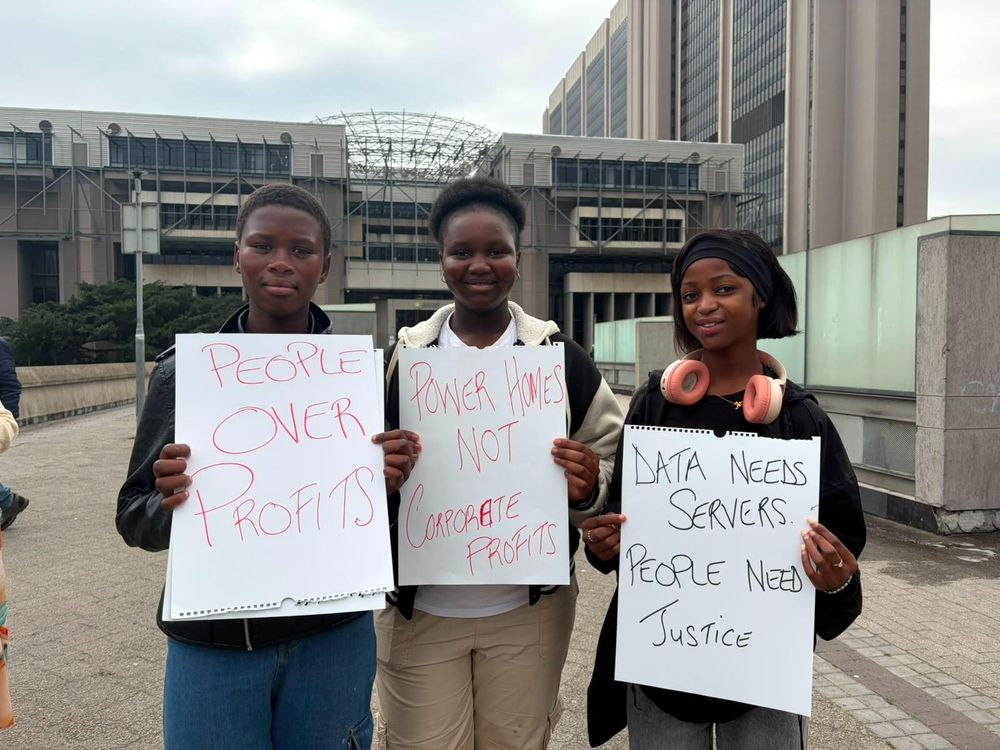
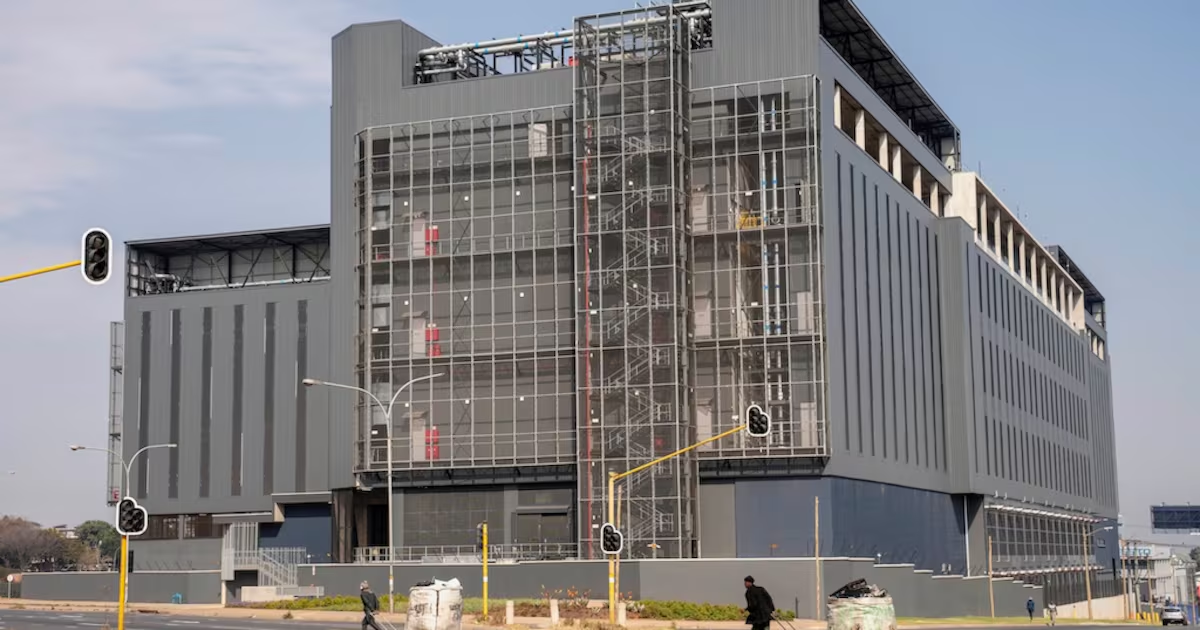
Five civil society organisations have called on the South African Human Rights Commission (SAHRC) to investigate the human, environmental and economic consequences of the country’s rapidly expanding data centre sector, warning that the industry’s growth is outpacing regulation and public oversight.A data centre is a physical facility or building that houses groups of networked computer servers and IT equipment used to store, process and share digital information.The Housing Assembly, Foxglove, Open Secrets, Research + Action and the Planetary AI Collective have submitted a joint report to the commission calling for a national public inquiry and a new regulatory framework for data centres.The submission, which includes legal analysis by Open Secrets and the Legal Resources Centre, argues that South Africa’s data centre expansion could place increasing pressure on water, electricity and land resources while the government lacks a complete picture of the sector’s cumulative footprint.South Africa has more than 60 known data centres with a disclosed combined capacity of about 500MW, according to the submission. The organisations said planned hyperscale developments could more than triple existing capacity.The report argues that no single regulator or sphere of government has a complete overview of the sector and that operators are not required to publicly disclose facility-level water and electricity consumption.Among its concerns, the coalition highlighted the potential water demands of large data centres. It said traditional evaporative cooling systems consume about 25.5-million litres of water per megawatt each year, with about 80% of withdrawn water evaporating.Using that estimate, the organisations said Equinix’s proposed Cape Town facilities, with a combined capacity of about 174MW, could consume more than 4.4-billion litres of water annually — equivalent, according to the report, to the annual water use of more than 18,000 South African households.The groups also raised concerns about electricity demand, land use and the economic benefits of the sector.The submission argues that operational data centres create relatively few permanent jobs because they are capital-intensive facilities, while a significant share of the economic benefits could flow to multinational operators and technology companies based outside South Africa. It said no equivalent employment data had been published for South African facilities.The organisations have asked the commission to consider four measures.These include a participatory national inquiry into the need, scale and impact of data centre development, followed by the creation of a national regulatory framework.The proposed framework would include mandatory disclosure of water and electricity consumption, a publicly accessible national register of data centres, binding community-benefit obligations and human rights due diligence.The coalition has also called for an independent assessment of the sector’s human rights, ecological and economic costs and benefits, saying such a factual baseline does not currently exist.South Africa still has the chance to learn from other countries’ mistakes and force Big Tech companies to set out the full cost before these huge power- and water-hungry facilities are built— Foxglove co-executive director Martha DarkIt further urged the government to consider a temporary moratorium on approvals for new hyperscale data centres and expansions of existing facilities until the inquiry and regulatory framework are in place.The fourth recommendation is for an independent panel to monitor facilities’ water, electricity and land use, as well as compliance with applicable laws and policies.Housing Assembly representative Kashiefa Achmat said the debate over data centres was also a question of how scarce, well-located land and public resources were allocated.“The Housing Assembly has been fighting for decent housing for all for more than 15 years. That fight is about land: who gets the well-located land in this city, close to work, to schools, to transport,” Achmat said.“Our people have been pushed to the outskirts since apartheid, and we are still waiting. Now that same well-located land is being handed to data centres, and the water and electricity our members queue for goes with it.”Achmat said the organisation was not opposed to development or investment but argued that projects should not come at the expense of poor communities.Open Secrets head of legal Ariella Scher said South Africa needed to ensure that its constitutional and legislative protections remained effective as the technology sector expanded.“We have therefore asked the SAHRC to consider the need to develop a framework law for data centres which recognises the risks they pose and responds appropriately, thereby safeguarding people over profit,” she said.Foxglove co-executive director Martha Dark said South Africa had an opportunity to learn from the experiences of other countries before the largest planned facilities were built.“South Africa still has the chance to learn from other countries’ mistakes and force Big Tech companies to set out the full cost before these huge power- and water-hungry facilities are built,” Dark said.The submission stresses that the organisations are not opposed to digital infrastructure or investment, but argue that development should be transparent, measured and assessed against its impact on constitutionally protected rights, including access to water, housing and a healthy environment.Business Day