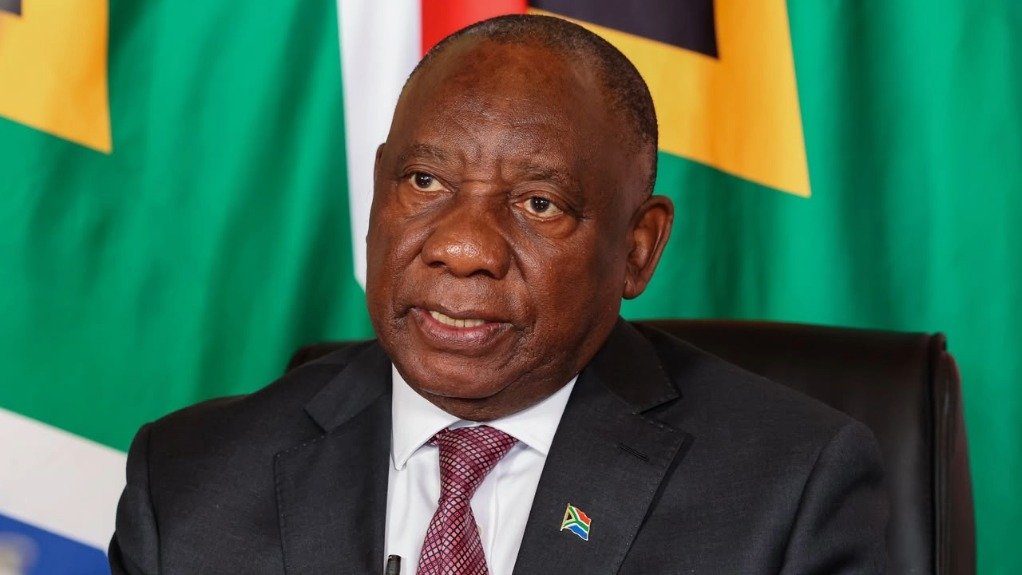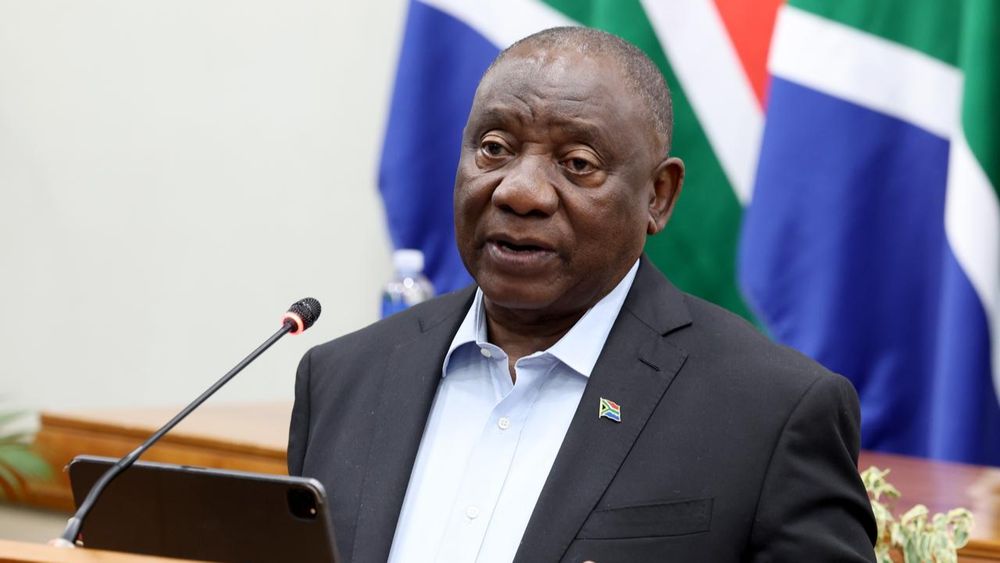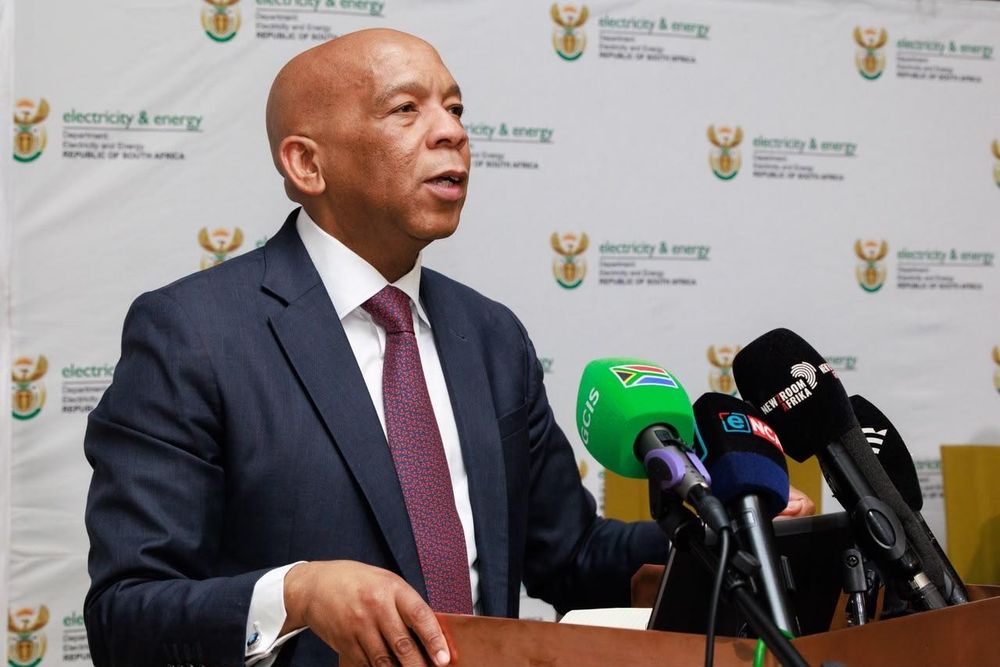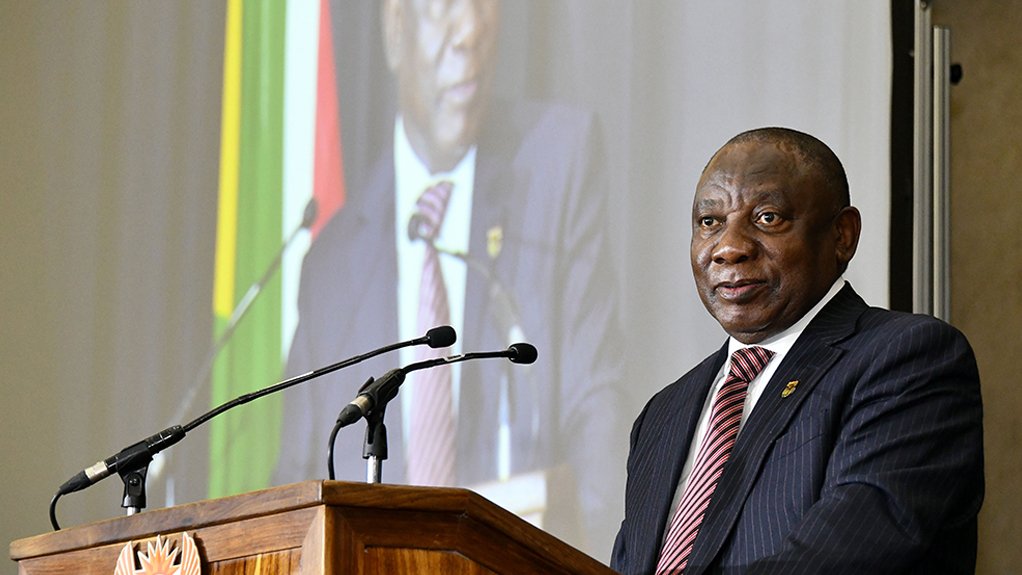
President Cyril Ramaphosa says the increasing costs of electricity could end up far outweighing the progress the government has made in restoring a reliable supply of energy.In his weekly newsletter on Monday, Ramaphosa said significant strides had been made in stabilising energy production from the many blackouts of the past few years.“We must confront another challenge that affects millions of South Africans: the rising cost of electricity,” said the president.“The cost of electricity has gone up significantly over the past two decades. For families trying to make ends meet, having to contend with the cost of food, transport and other necessities, high electricity costs cause real hardship.” High electricity costs made it more expensive for businesses to produce goods and provide services. “They make South African companies less competitive and discourage investment in industries that can create jobs.”“Our task, therefore, is not simply to produce enough electricity. We need electricity that is reliable, affordable and increasingly clean,” he said. Eskom is being unbundled into three entities responsible for generation, transmission and distribution in a move widely regarded as a cornerstone of South Africa’s electricity sector reforms, which are aimed at creating a reliable, affordable and sustainable power supply by opening the grid to greater competition and improving the efficiency of electricity transmission. Ramaphosa thanked Eskom management and workers on Monday, saying through their hard work, the power utility’s performance had turned around. “Eskom’s latest results show important signs of stabilisation and improvement. But we cannot become complacent. Now is the time to complete the reform process that we began in response to load-shedding to ensure we never experience the same crisis again,” the president said. “We need an electricity system in which Eskom is strong, but in which it does not have to carry the entire burden of investing in and supplying the country’s electricity while it continues to carry a huge debt.“That is why we are fundamentally transforming the structure of our electricity sector. Over the past few weeks, we have made important progress.” He noted a new electricity pricing policy has been published to ensure transparent electricity tariffs, prevent inefficiencies from being passed on to consumers, expand access to electricity for the poor, and enable competition in electricity generation. “The National Energy Regulator of South Africa is finalising a range of new regulations that will form the architecture for a competitive wholesale electricity market. This will enable multiple generators, public and private, to compete to supply electricity.“This competition can drive greater efficiency, encourage investment and put downward pressure on the cost of electricity.” It would also enable South Africa to take advantage of some of “our greatest natural resources”. “We have some of the best solar and wind resources in the world. With the right infrastructure, regulation and investment, we have the potential to become one of the world’s most competitive producers of clean electricity”. Ramaphosa said over time, cheaper, greener and more reliable electricity would lift the economy’s competitiveness and help industries to grow and create jobs. “The purpose of the electricity reform is therefore not to privatise Eskom. It is to build a better electricity system. It is to move from a system in which one company has to carry almost the entire responsibility for generating electricity to one in which many producers can invest, innovate and compete, while the state continues to safeguard the public interest through regulation and full ownership of transmission,” Ramaphosa said. “The ultimate beneficiary must be the South African consumer. A household should benefit from more affordable electricity. A small business should be able to operate without the burden of excessive energy costs. A factory should be able to expand production knowing it has access to reliable and competitively priced power. That is the transformation we are seeking.” Ramaphosa’s remarks come after Business Leadership South Africa CEO Busi Mavuso recently criticised the Eskom board as a potential obstacle to reform, saying while unbundling the power utility is complex, bankers and lenders are open to discussions but “the Eskom board is not starting it”. Mavuso criticised the board’s “resistance to the unbundling of transmission assets” into an independent system operator, saying: “I have consistently acknowledged this restructuring involves real complexity, principally the position of Eskom’s lenders, who have billions committed to the utility. “Obviously, the transmission assets are currently on the balance sheet of the utility to which they have lent those billions. They will not want the creditworthiness of that utility compromised through the unbundling. “That is perfectly understandable, and respect for the rights of lenders and other investors is paramount in the process. But the bankers and lenders I speak to are clear they are open to the conversation. It just needs to start. The Eskom board is not starting it. That is the problem.” Mavuso urged the government to move ahead with the implementation of an independent transmission system operator after Ramaphosa endorsed the first phase report of the Eskom restructuring task team. This, as the National Union of Mineworkers has resolved to litigate against Eskom’s restructuring and said it will take the matter as far as the Constitutional Court if necessary, and embark on strike action in the mining and energy sectors where it organises. Business Day
Ramaphosa says rocketing energy costs are hurting families, hobbling businesses
Government pushes forward with competitive electricity market to curb rising costs
869 words~4 min read