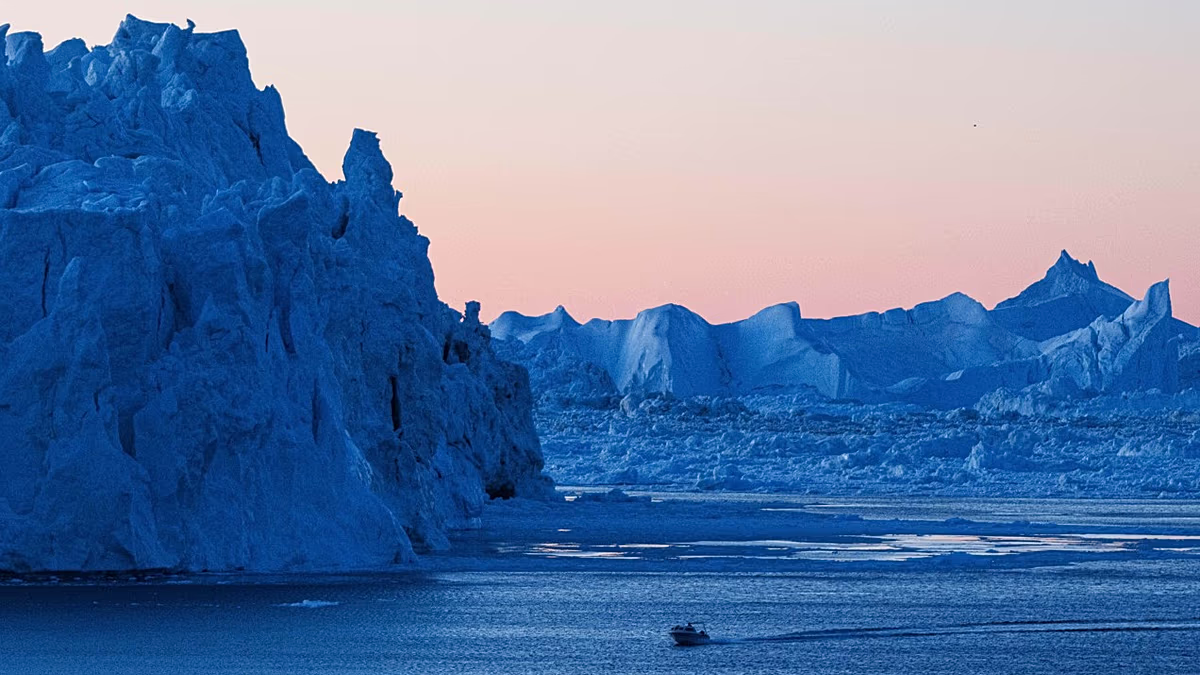
Looking out from the bridge of the Norwegian polar research vessel Kronprins Haakon (see main image), dense pack ice extends into the darkness in every direction. To the east, a narrow strip of purple paints the midday sky just above the horizon.
It’s the first sign of daylight here in three months. Research ships rarely venture into this region – 1,000km (621 miles) north of the Arctic Circle, in the Greenland Sea – during polar night.
Temperatures fall below -30°C (-22°F) and ice floes more than a metre (3.3ft) thick make it almost impassable.
It’s February 2025, and the expedition I’ve joined is collecting critical data on the ocean circulation along Greenland’s east coast.
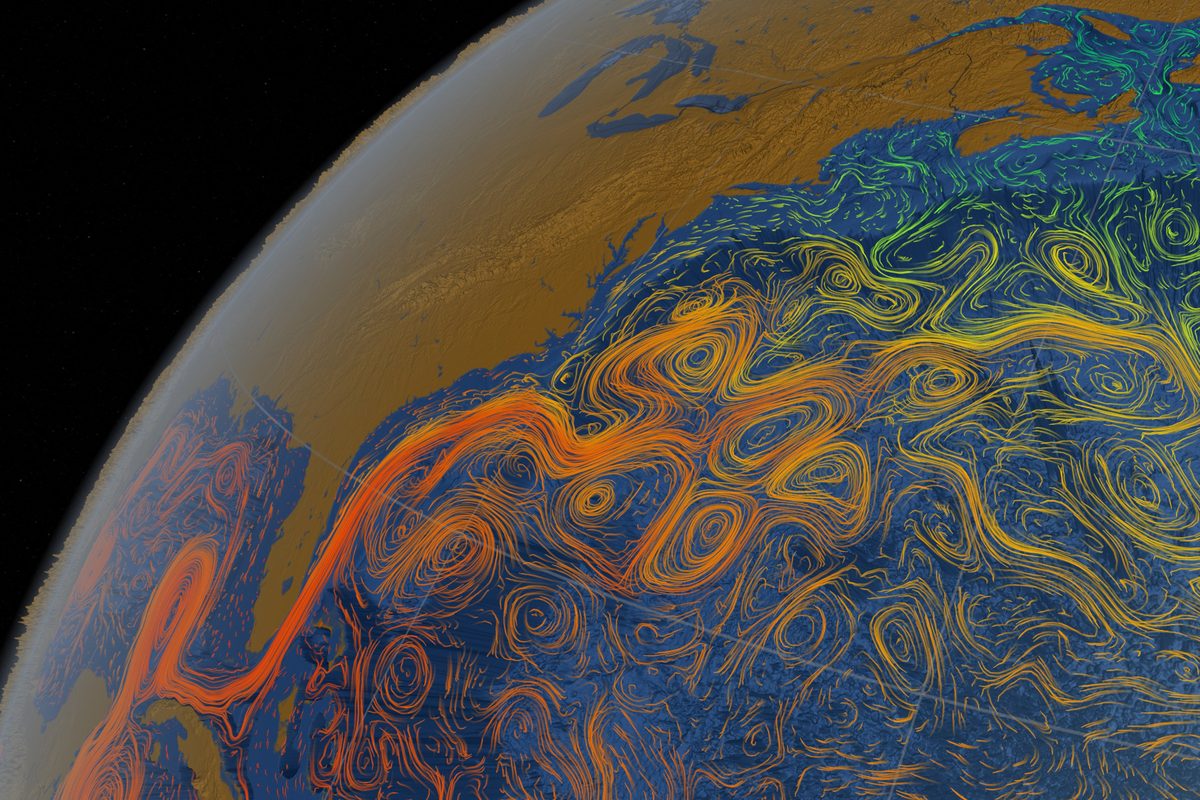
Underneath the icebreaker I’m travelling on, the waters flowing deep below the ice and further out to sea feed a sprawling web of currents that run all the way across the Atlantic Ocean.