The project, known as mosaHYc, will allow cross-border hydrogen transport and will supply industrial consumers, particularly supporting the decarbonisation of Saarland's steel industry. It could later be expanded to connect additional companies and provide access to European hydrogen import routes.Construction of the 17-km (10 mi) link between Leidingen and Dillingen follows the legally binding approval of the project's planning application. The pipeline is expected to take around a year and a half to build.Creos said mosaHYc will be part of Germany's hydrogen core network and the emerging European hydrogen infrastructure, helping improve security of supply and create conditions for investments in the region.The overall mosaHYc initiative seeks to establish a 94-km cross-border hydrogen pipeline network, 70 km of which will be converted from natural gas pipelines. It is expected to be operational by 2029.
Creos breaks ground on 17-km H2 pipeline in Germany’s Saarland
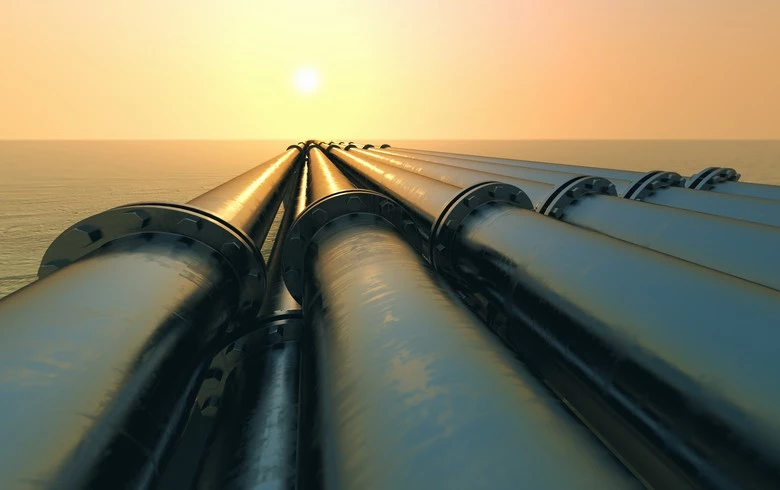
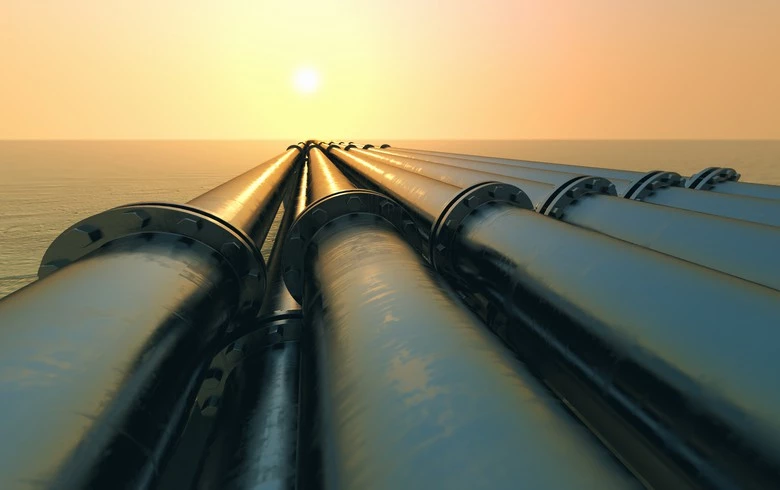
German gas grid operator Creos Deutschland has started construction of the first hydrogen pipeline in the southwestern German state of Saarland, which forms the German section of a cross-border hydrogen network being developed in partnership with French operator NaTran.
134 words~1 min read