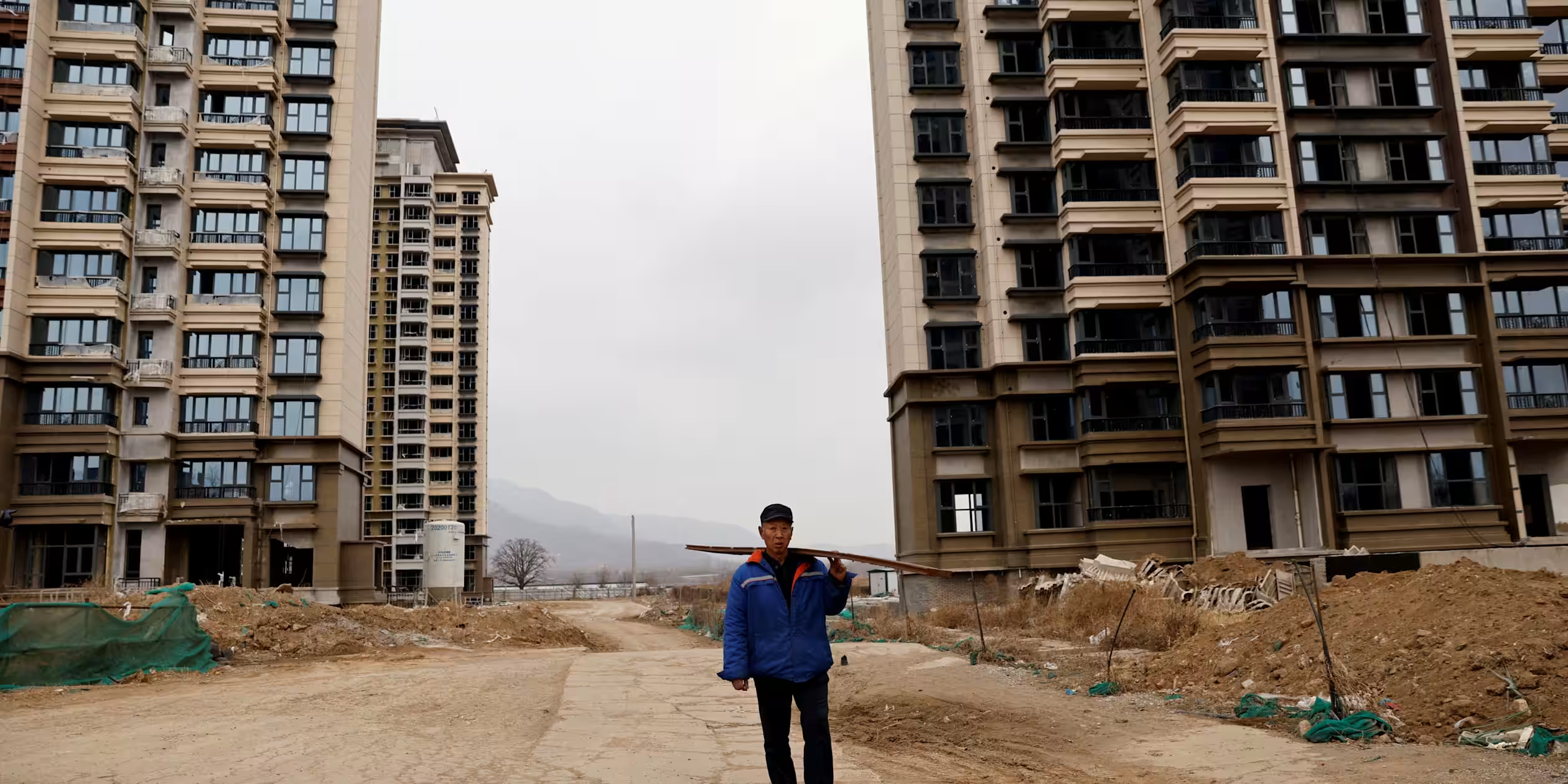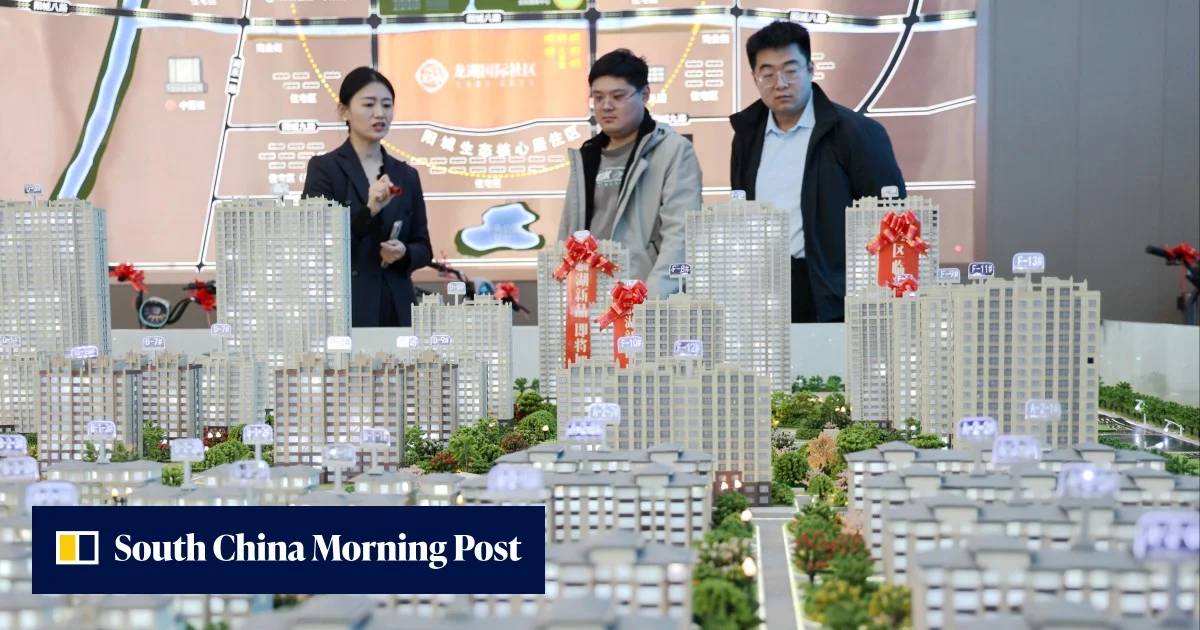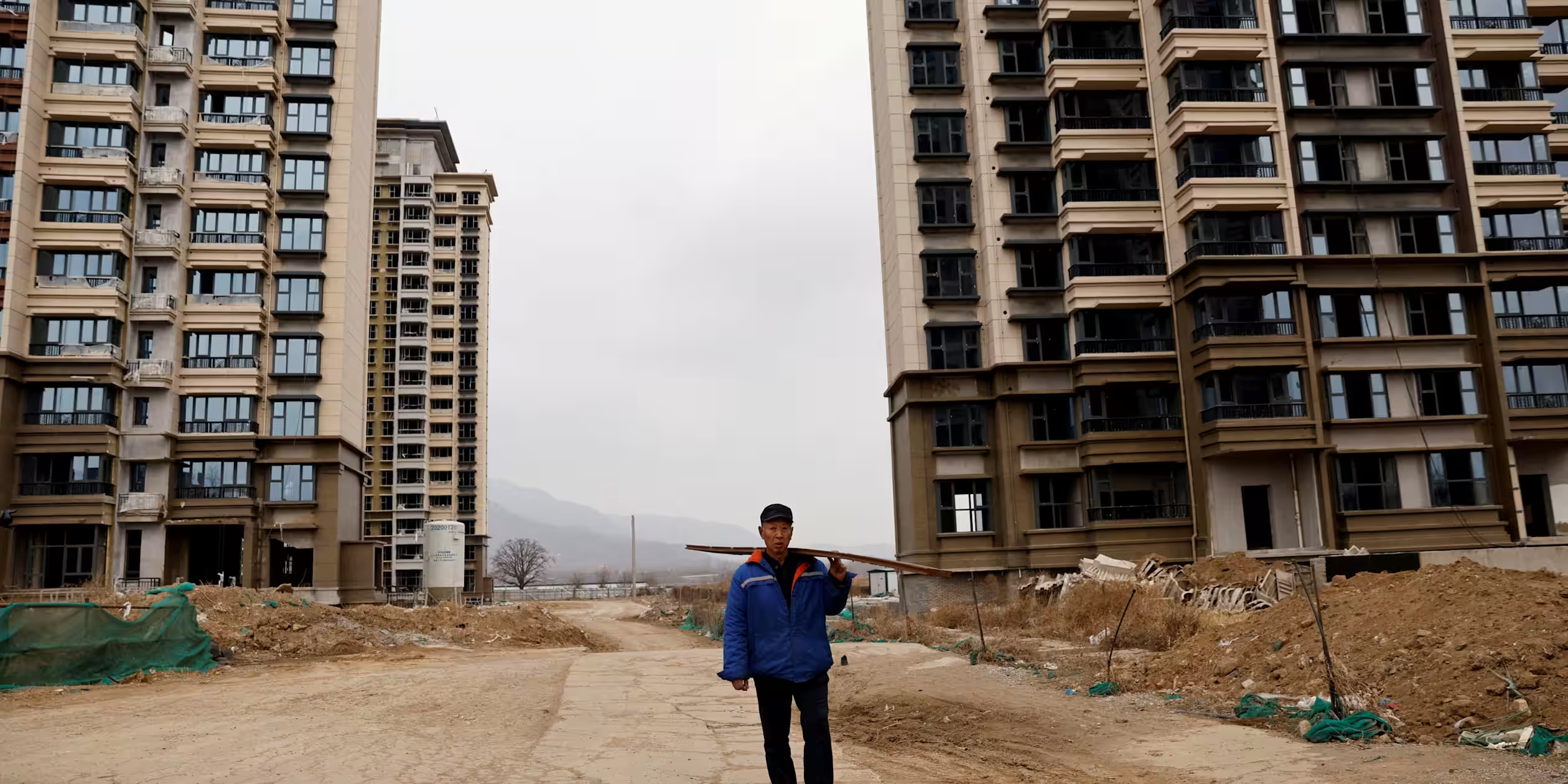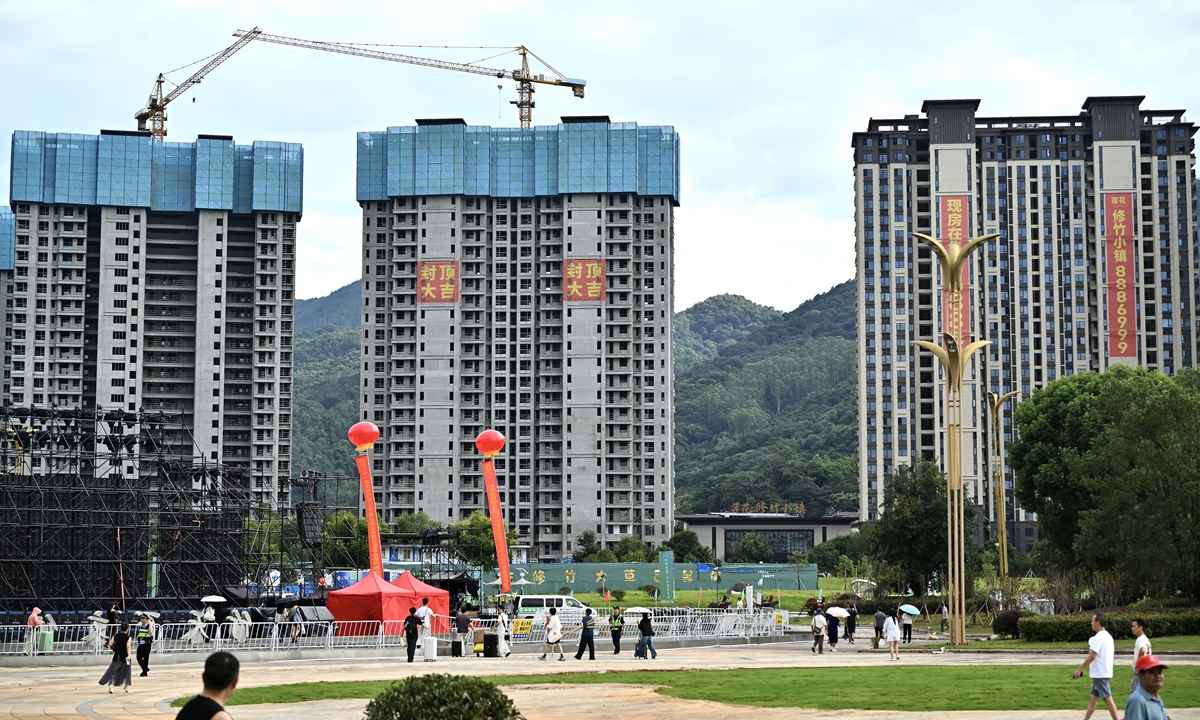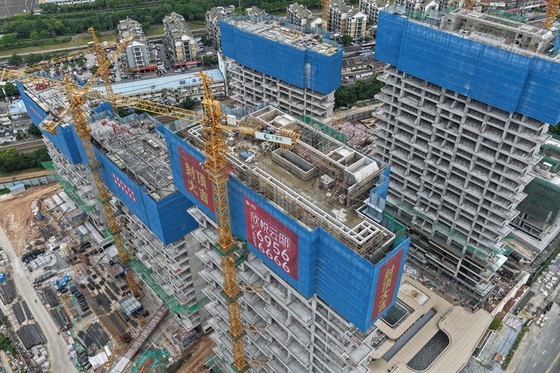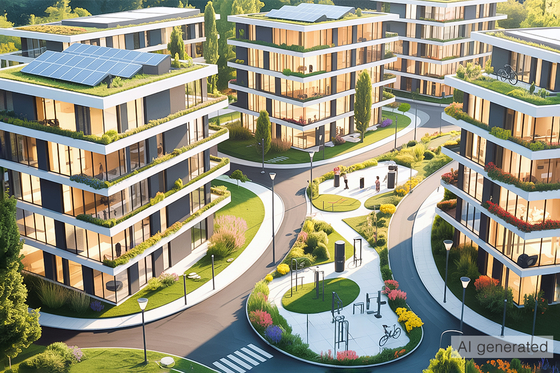
China’s housing market is amid a sweeping transformation focused on quality improvement. By 2025, two-thirds (66%) of newly delivered homes were rated as “poor” quality—a dramatic sixfold increase from 2022, defined by severe defects and substantial post-delivery repairs rejected by buyers. In response, the Chinese government has launched a nationwide “good houses” campaign, enacting stricter standards and compliance via the Residential Project Specification (RPS), effective May 1, 2025. The goal is to restore consumer confidence and reposition homes primarily as living spaces, not just financial assets, a principle emphasized since 2016 [para. 1][para. 2][para. 5].“Good houses” debuted in China’s 2025 government work report, triggering comprehensive policy action in about 40 provinces and cities. The industry is rapidly being reshaped by this push, with digital tools and customer involvement becoming more influential, marking a shift from treating homes merely as physical commodities to experiences with services and lifestyle value [para. 2][para. 3].At the Beijing Better House Technology Exhibition, smart technologies such as emotion-sensing lighting and climate controls showcased a future where developers prioritize quality-of-life features. However, industry-wide adoption remains a challenge as the majority of homes in 2025 still fell short of the new quality benchmarks [para. 3][para. 4][para. 5].The RPS represents the third major overhaul in China’s housing standards, setting unified national requirements for safety, comfort, green standards, and intelligence. Notable concrete changes include mandatory elevators from the fourth floor up, strict noise and ventilation standards, the integration of green energy systems, and smart-home infrastructure. Local governments tailor these rules based on regional climates and customs; for example, Shanghai changes balcony space accounting, and Guangzhou emphasizes covered walkways for its humid environment [para. 8][para. 9][para. 10].Leading developers like Longfor, Yuexiu, and Poly are using pilot projects to not just meet, but exceed, baseline standards, with approaches such as the “15-minute living circle”—fostering community connectivity and services. However, developers are increasingly assuming roles traditionally held by local governments, like building public parks—reflecting shifting municipal fiscal priorities [para. 11][para. 12][para. 13][para. 14][para. 15].A pressing challenge is transparency and accountability. Unlike other major purchases, homebuyers rarely receive detailed “manuals” about their homes, leading to problems with unseen defects and unclear responsibility for repairs. This highlights the need for product-oriented, manufacturing-style practices and robust delivery systems, still lacking in the industry [para. 16][para. 17][para. 18].To tackle these issues, developers are investing heavily in technological upgrades, such as Longfor’s 10-billion-yuan digital platform reducing construction errors by over 90%. Firms like Poly and Ke Holdings are moving toward customer-driven, modular, or “customer-to-manufacturer” development models. The ambition is highly adaptable, customizable homes with integrated processes from design to delivery [para. 19][para. 20][para. 21][para. 22][para. 23][para. 24].Consumer expectations have evolved beyond location and size; surveys in 2024–2025 show that buyers now prioritize lifestyle alignment, flexibility in layouts, community amenities, and smart-home features, such as security systems (45% interest in 2024). “Variable apartment layouts” and a focus on community services have become key selling points. Yet, many gaps remain, especially in project coordination between developers and property managers [para. 25][para. 26][para. 27][para. 28][para. 29][para. 30].Despite progress, construction costs are rising—especially for hidden quality elements like structural integrity and waterproofing—causing profit margins to drop from 37.34% (2019) to 21.06% (2024). Some “innovations” have prioritized marketability over genuine functional improvements. Industry leaders argue that success will rely on holistic strategic planning, long-term investments in public facilities, and delivering perceptible value, thus achieving both customer satisfaction and sustainable profitability [para. 31][para. 32][para. 33][para. 34][para. 35][para. 36].AI generated, for reference only
In Depth: China’s Developers Try to Modernize After Surge in Subpar Homes
Since May, around 40 provinces and cities have issued detailed rules on housing projects, triggering a broad wave of quality-focused upgrades
578 words~3 min read