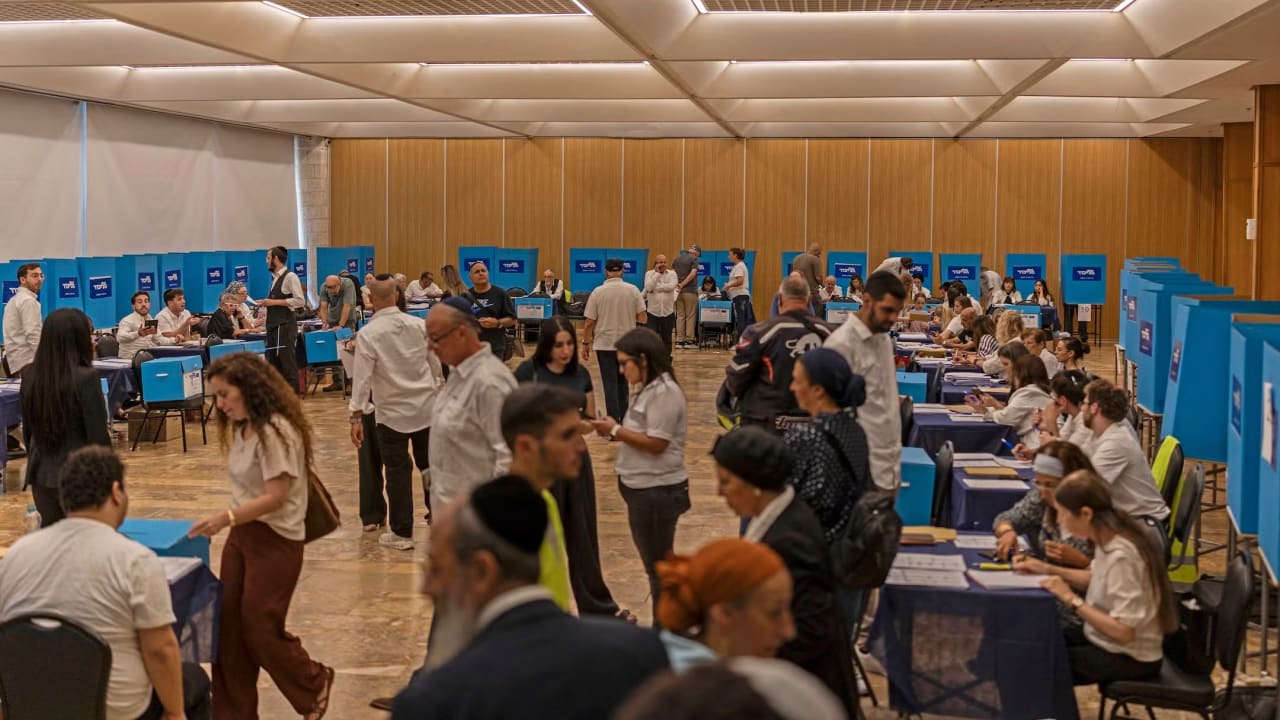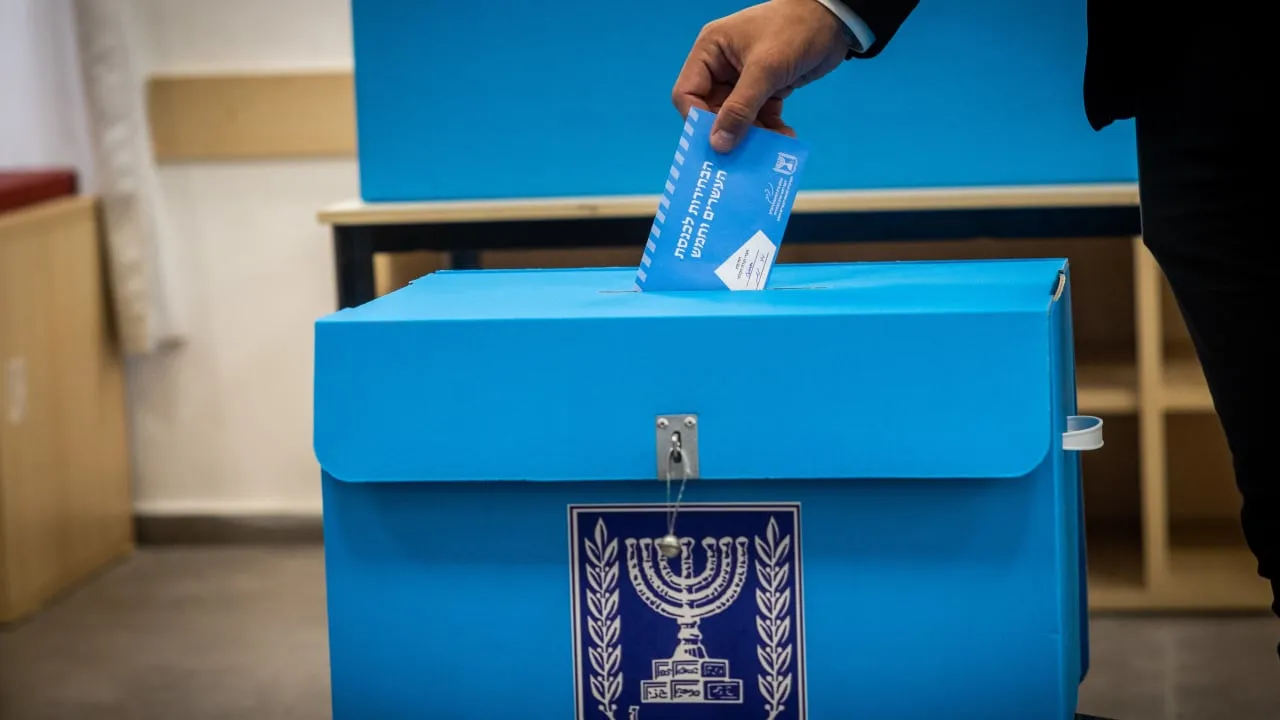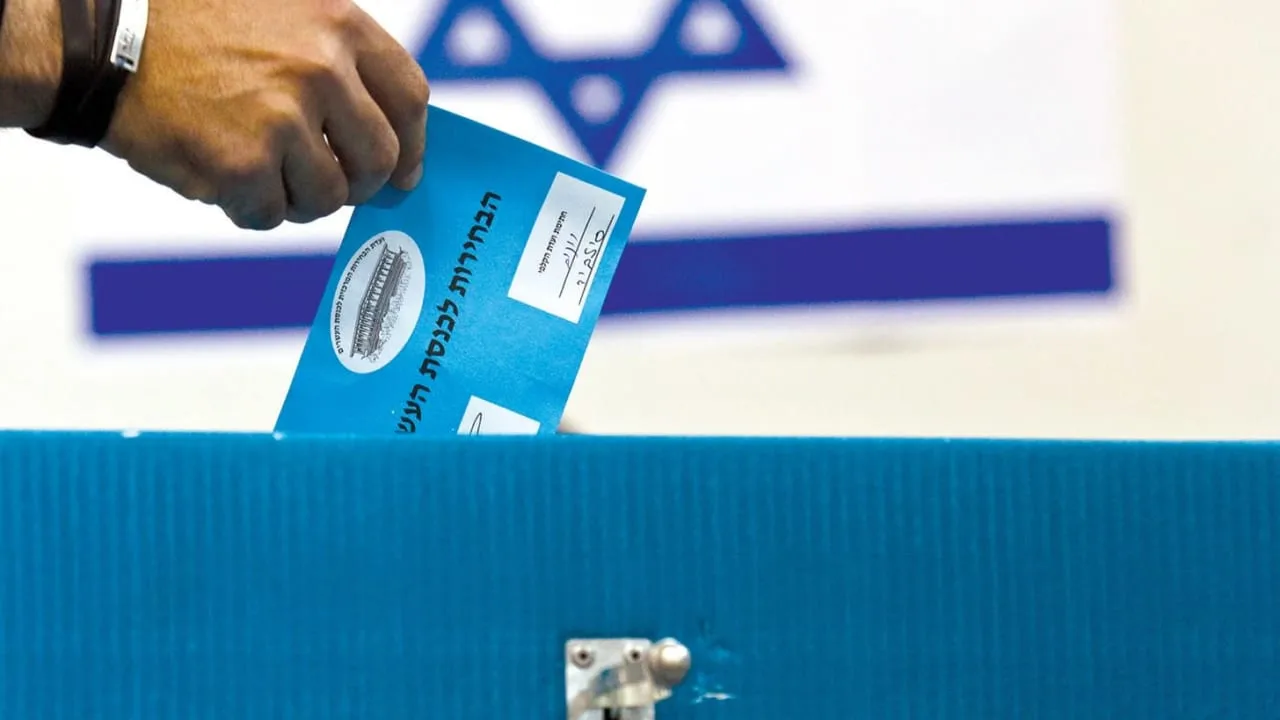
ByBOAZ GOLANYAUGUST 31, 2026 14:00There is an intriguing asymmetry in the political rights of Israelis and Americans living abroad. The hundreds of thousands of American citizens who live in Israel can vote in US federal elections without leaving the country, using absentee ballots.In contrast, Israelis living in the US who wish to participate in a Knesset election must travel to Israel to cast their ballots. The United States is hardly unique: most democracies allow their citizens to vote from abroad, although some impose various restrictions on long-term expatriates. Israel is an exception. Why should it be?There is, however, a compelling reason why Israel might legitimately be different. Israel’s geopolitical circumstances are unlike those of nearly all other democracies. In New Zealand, Canada, or France, governments make decisions that can profoundly affect their citizens’ livelihoods, taxes, education and healthcare.In Israel, governments also make decisions that may have immediate life-and-death consequences for their citizens – whether to launch a military operation, retaliate against an attack, negotiate with an enemy or accept a ceasefire.Those who live in Israel – not least the hundreds of thousands who may be called up for reserve duty – personally bear those risks. An Israeli who has permanently emigrated, established a life abroad and acquired another citizenship does not.Voters casting ballots in Israel's 25th Knesset election (credit: REUVEN CASTRO)As Israel approaches its next election, the public interest in this issue grows. Opposition supporters object to the phenomenon observed in previous elections – plane-loads of haredi (ultra-Orthodox) Israelis living in Brooklyn and elsewhere coming to Israel on Election Day specifically to vote for haredi parties before returning home.At the same time, coalition supporters criticize initiatives aimed at bringing tens of thousands of Israelis living abroad back to vote for opposition parties. Both phenomena highlight a difficult ethical question: should citizenship alone give someone who lives permanently abroad the same electoral influence over decisions affecting Israel as someone who lives with their consequences every day?Yet the opposite argument is equally compelling.Imagine an Israeli postdoctoral student spending two years at Stanford before returning home, or a technology executive temporarily relocated abroad by an Israeli company. Under Israel’s current system, neither can vote from abroad. This makes Israel’s prohibition on overseas voting both too restrictive and, in another sense, too permissive.Consider the numbers. Recent demographic research estimates that roughly 600,000 Israelis live abroad. If all were allowed to vote, and turnout were high, their votes could amount to up to 10 Knesset seats. In a political system where governments are frequently formed by razor-thin majorities, a Diaspora electorate voting overwhelmingly in one direction could conceivably determine the outcome of an election.But who are these people?Some are Israeli students, academics on sabbatical, technology professionals on temporary assignments, and families temporarily living abroad. Denying such people the right to vote simply because they happen to be overseas on Election Day is difficult to justify.Yet a substantial portion of the Diaspora consists of people who have permanently left Israel.Remarkably, nearly half of Israelis living abroad were not born in Israel. Some immigrated to Israel, lived here for several years, and subsequently emigrated – many to the United States or Canada.Why should someone who has established a permanent life abroad, acquired another citizenship, and no longer participates in Israeli society have exactly the same influence over Israel’s elections as someone who lives in Israel and may be called up for military service tomorrow?There is a relatively simple way to distinguish between these two groups: permanent residence.There is no need to invent an elaborate bureaucratic test. Tax residency provides an objective indication of where a person’s permanent life is based. An Israeli citizen who has paid income and social-security taxes in Israel during at least one of the four years preceding an election should be presumed to retain the right to vote from abroad.Conversely, someone whose tax obligations have been entirely in another country for five or more years should be presumed to have established permanent residence there. Reasonable exceptions could, of course, be provided for students and other clearly temporary absences.Such a system would address both problems simultaneously. It would enfranchise Israelis who are temporarily abroad but remain part of Israeli society, while preventing the creation of a potentially enormous overseas electorate whose members have permanently relocated and no longer share the daily risks and responsibilities of Israeli citizens.This is not an argument against the Israeli Diaspora. Quite the opposite. Israel has an exceptionally close relationship with Israelis and Jews living abroad. But political rights should reflect political responsibility.The solution is neither to exclude all Israelis abroad nor to give every expatriate an equal vote. It is to distinguish between being abroad and having left.In a country where elections can ultimately determine not only the direction of government but decisions about war and peace, that distinction matters.The writer is a senior research fellow at the Neaman Institute and an emeritus professor at the Technion-Israel Institute of Technology, where he has served in various leadership positions. He also serves as a member of the board and as a strategic consultant to some companies and organizations.Follow us on Google
Who should have a vote in Israel? | The Jerusalem Post
Israel has an exceptionally close relationship with Israelis and Jews living abroad. But political rights should reflect political responsibility.
851 words~4 min read