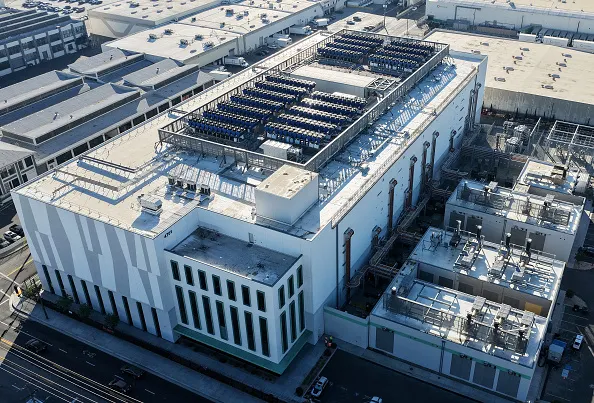
When we think of a data center, the first thing many of us visualize is a new-build rectangular-shaped box. Yet, in reality, the transformation of an existing building into a data hub can often be the more powerful solution, for a whole host of reasons – economic, environmental and social.
Converting older buildings, such as under-performing offices, industrial or logistics sites, can bring compelling commercial and operational advantages, including significant financial, time and embodied carbon savings. However, while the benefits are considerable, there is real complexity in converting an existing building into high-performing digital infrastructure, and not every asset is suitable.
Determining the best way forward, Stage 0 is critical. This is the point when project design is not yet set in stone, when better decisions can be made, and choices around new build or repurposing an existing asset can still be challenged.
Collaborative thinking at Stage 0 does not just support the new build versus existing asset decision. It helps to de-risk a project across the board, from commercial viability and estimated construction timeline to licensing and future flexibility. Stage 0 considers anticipated yield, ESG obligations, and aligns asset appeal with architectural intent. If the building's physical reality and the business case clash, the long-term risk to viability escalates quickly.