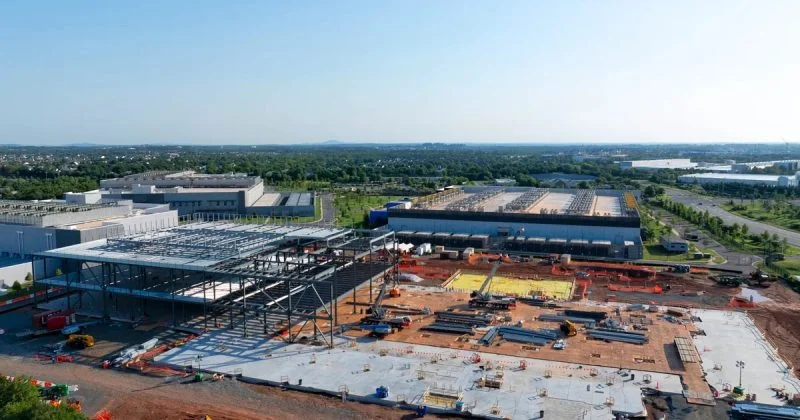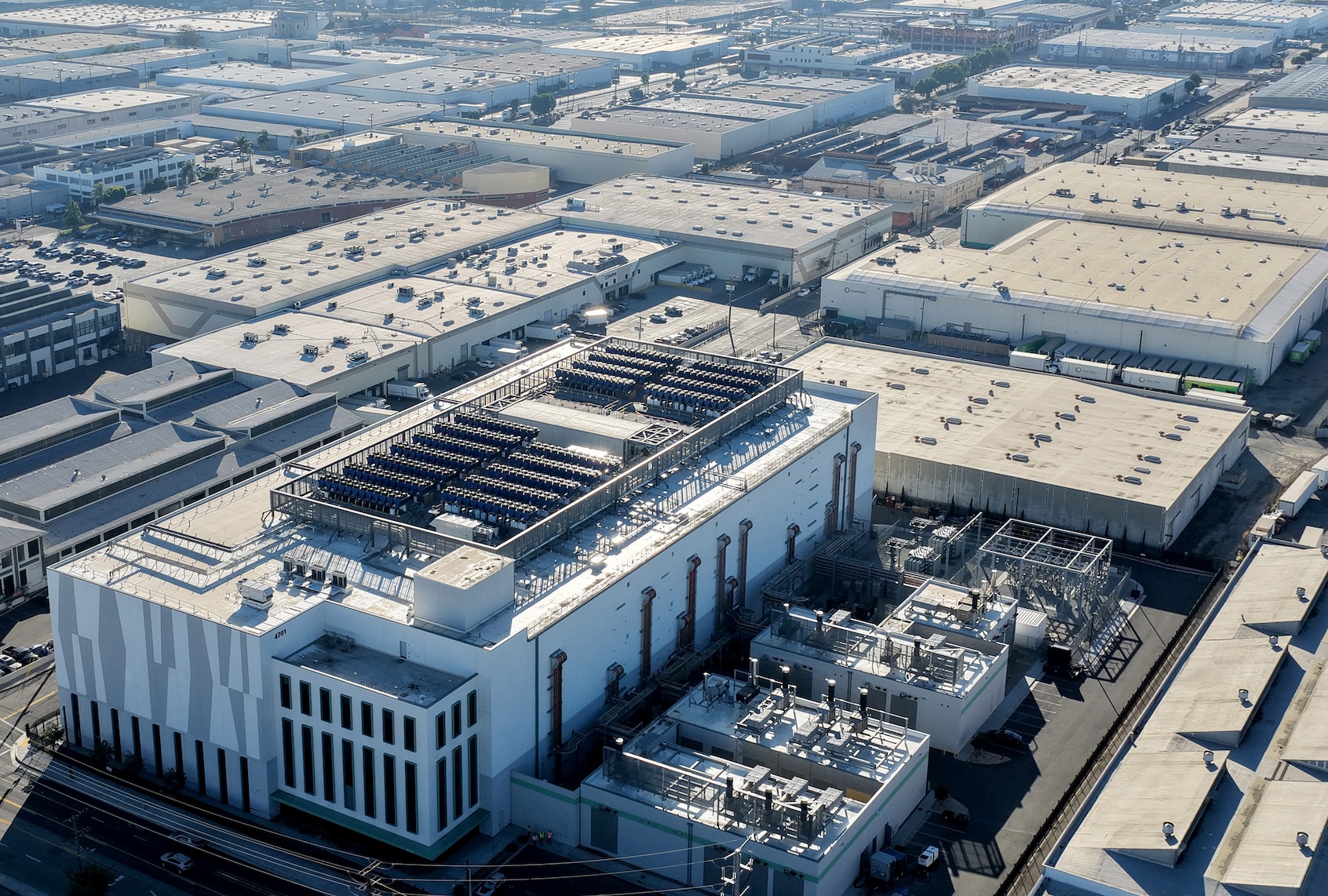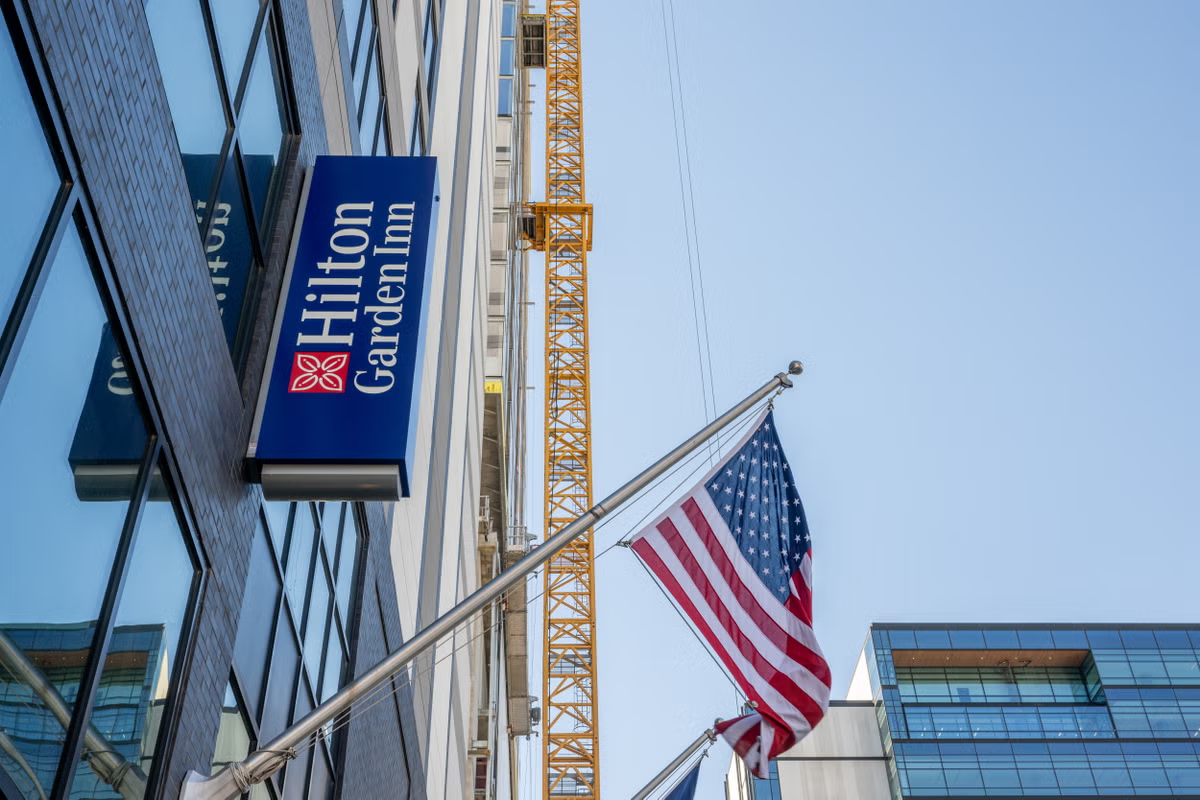
The rise and rise of data centers is having an unexpected consequence for the U.S. real estate sector – driving up the acquisition of crumbling hotels by ambitious developers prepared to renovate and upgrade them, according to a report.The Wall Street Journal says that hotel sales were up 28 percent year-on-year in the U.S in the first six months of 2026, citing data from MSCI.While sales of luxury resorts were strongest, mid-tier hotels also changed hands at a much improved rate, according to JLL Research, after the sector slumped to a recent low in 2024. One of the reasons for this, the Journal reports, is the boom in data center construction, which, in turn, creates a heightened demand for peripheral services locally, including hotel bookings, from itinerant workers arriving to take part in what are often major projects undertaken on the outskirts of cities and small towns.The increasingly digital nature of the economy and the recent explosion of the cryptocurrency and AI subsectors has accelerated the need for more and more of these centres, which serve to store and process huge quantities of information.The Hilton Garden Inn in downtown Austin, Texas, was recently acquired by JMI Realty and is undergoing major refurbishment (Getty)To capitalize on the accompanying need for rooms, developers are buying up hotels that have been allowed to go to rack and ruin for want of investment, making the necessary improvements to their rooms, lobbies, hallways and restaurants to grant them a new lease of life – a process that is generally required every seven to 10 years anyway, whatever the circumstances.The newspaper offers the Hilton Garden Inn in downtown Austin, Texas, as an example of one such property currently undergoing refurbishment as part of the trend.“It’s gonna be sparkling,” said Drew Bridges, an executive at JMI Realty, whose company bought the 254-key hotel in June, paying approximately $25.4 million or $100,000 per room.Bridges said his company intends to spend a further $65,000 per room on upgrades, or $16.5 million, and revealed that negative reviews left by guests on platforms like Yelp and Tripadvisor were providing speculators with a useful steer in finding commercial premises that have fallen below par and are in need of a fresh coat of paint.The increased willingness to restore old hotels comes as the construction of new ones remains stagnant. The U.S. luxury hotel market has seen some major sales this year, including the Grande Lakes Orlando Resort in Florida for $1.4 billion (AP)New room additions stand at 0.5 percent of existing supply this year, below the previously typical average of 1.6 percent, according to CoStar hotel analyst Jan Freitag, who said the gap between the cost to buy and cost to build had widened.Among high-end hotels, a number of top properties have sold this year, including the Grande Lakes Orlando Resort in Florida, which went for $1.4 billion, and the Ritz Carlton Central Park South in New York City, which recently sold for $320 million.Overall, $15.96 billion worth of hotel sales were conducted in the U.S. in the first two quarters of this year.
Data centers are sparking a wave of crappy hotel makeovers
Ambitious developers increasingly willing to buy up run-down resorts to capitalize on demand for rooms from construction workers arriving to help build units to support digital economy
512 words~2 min read