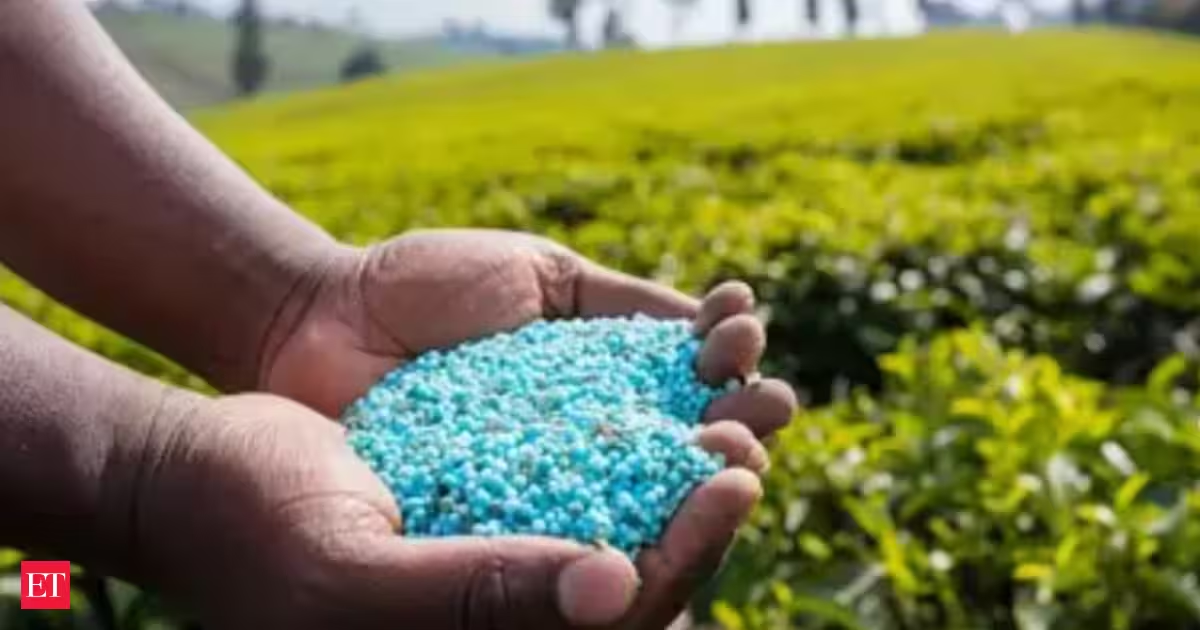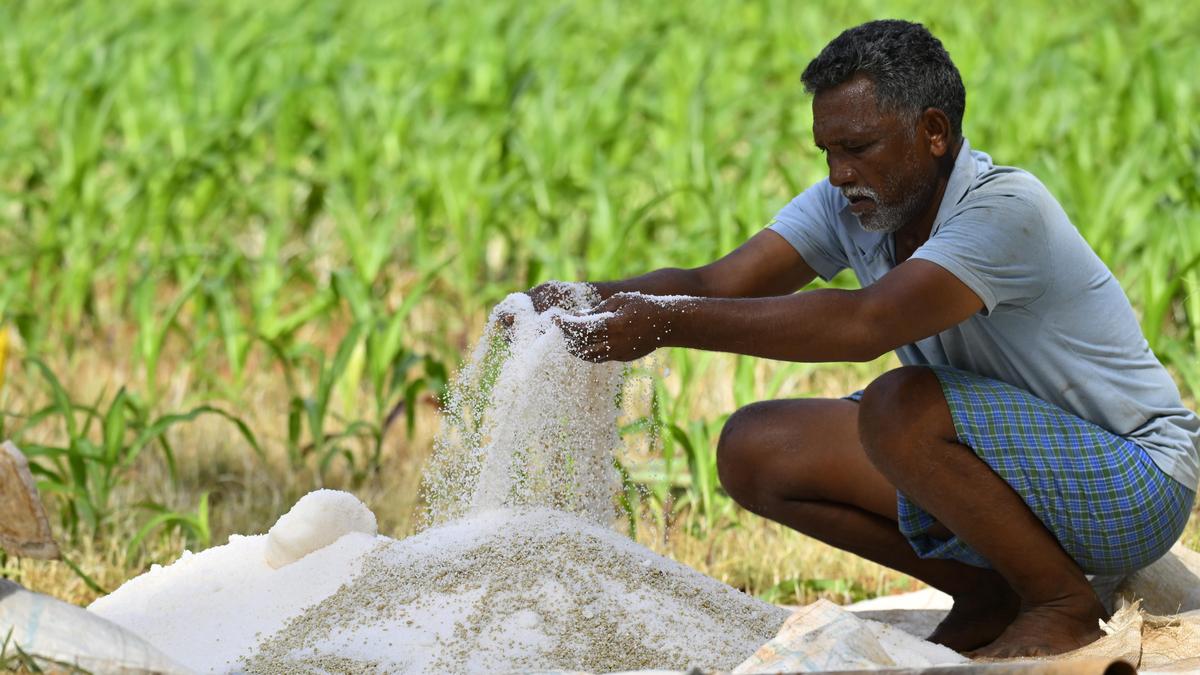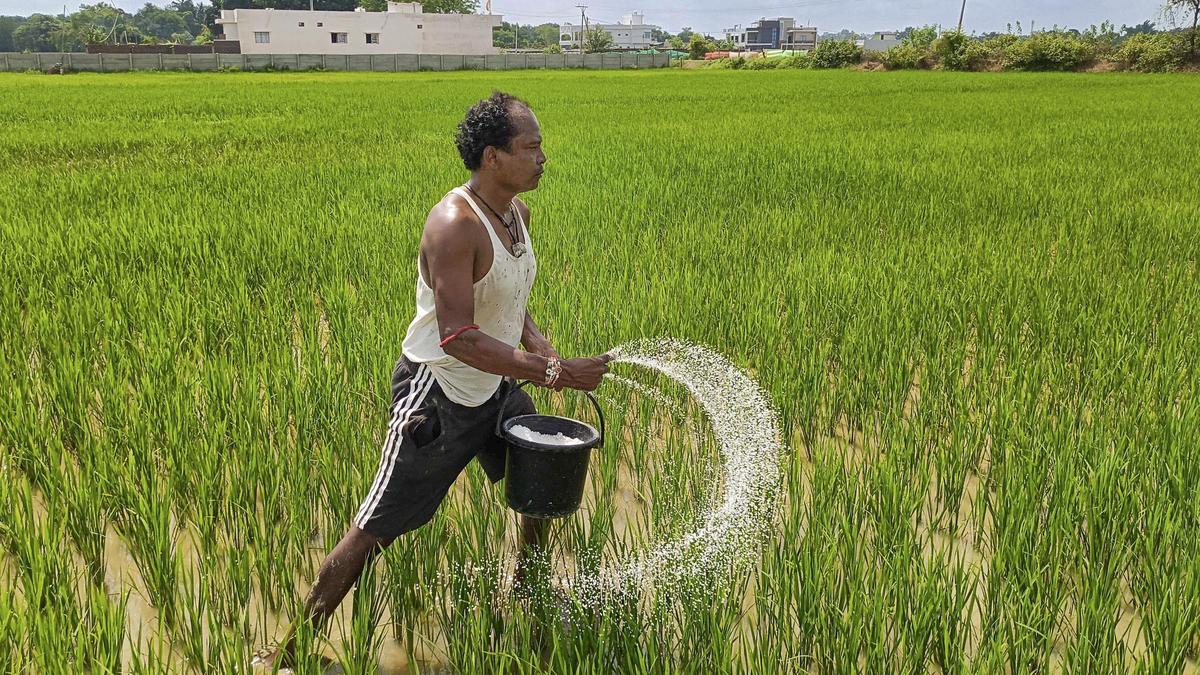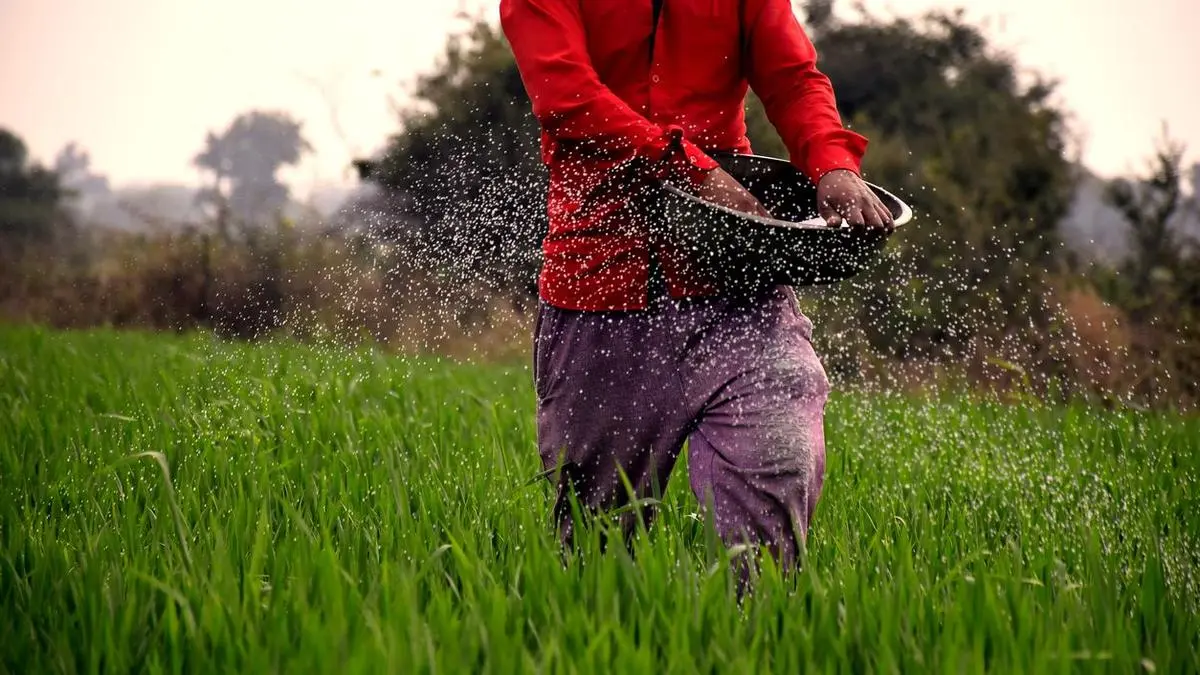
The government has started a pilot on linking fertiliser sales with land records of farmers in 56 districts in 22 states (as on July 31) whereas the target is to cover 80 districts. However, a pan India roll out will depend on views of states as recently the Madhya Pradesh government had to suspend the App-based slot booking after farmers protested against the new rule stipulating cap on purchases.It is broadening a nationwide digital platform that tracks fertiliser from production to retail sale, adding tools to link purchases with individual farmers’ land records and to monitor subsidy payments more closely, the fertiliser ministry said August 30.“Feedback from pilots is majorly positive. However, there are issues like QR code not getting generated, mapping of exact retail shops, correct mapping of Agristack data and non functioning of App. We are working to address the challenges,” an official said adding there is no inconvenience for farmers as offline sales facilities are also concurrently available.The pilot is being executed phase wise, its nationwide roll out will be decided on a much later stage, if agreed by all the stakeholders, he said.The Framework for Fertilizer Sale (FFS) is aimed at integrating a Mobile App-based fertilizer booking system with the existing iFMS Point of Sale (PoS) ecosystem. The Integrated Fertilizer Management System (iFMS) tracks more than 14 crore Aadhaar-linked buyers and over 2,50,000 retailers, and processes about 70 million tonnes (mt) of fertilizer sales a year. The system underpins roughly ₹2 lakh crore in annual fertilizer subsidies.The Department of Fertilizer has been developing new dashboards that give a consolidated view of production, imports, dispatches, stocks and retail sales at the national, state, district and retailer level, aimed at flagging unusual trends or supply shortfalls earlier, the official statement said.Madhya Pradesh in July had suspended the e-token system which was said to be aimed at curbing black-marketing, and preventing long queues at retail outlets to streamline Urea and DAP distribution. Under it, farmers were expected to register on an App/portal using Aadhaar or other approved ID as well as mentioning land records and book a date and time slot for picking up the fertilisers from the cooperative societies, depending on availability.Before the roll out of integration of iFMS with farmer, land and crop databases from January 2026, a pilot integration with Haryana’s Meri Fasal Mera Byora (my crop, my data) programme, followed by lining with AgriStack, established mechanisms for linking fertilizer transactions with farmer and agricultural information.Under the FFS, a farmer can book the ‘required’ fertilizer based on his ID created in AgriStack, following verification of land and ownership details. A QR-based booking is subsequently generated, and the booking information is accessed at the point of sale (PoS) device, enabling verification between the fertilizer required and the quantity ultimately purchased.Officials said that the sales data -- fertilizer use per hectare, landholding size of buyer, crops and products bought, -- will help the government analyse gaps between what farmers say, what they need and what they buy.The Department has said that the changes are part of a broader shift from a system that mainly recorded transactions to one intended to show where fertilizer is available, how it is moving, who is buying it and how usage compared with farmers’ actual requirements.Published on August 31, 2026
Fertilizer sales via App to generate data on need and usage
The pilot across 22 states aims to track fertiliser purchases against landholdings and crop data, but a nationwide rollout will depend on state governments’ feedback.
547 words~2 min read