Nigeria’s digital health sector has become one of the most exciting corners of the country’s tech story. Ironically, most Nigerians still can’t tell you which hospital to trust in an emergency.
Over $271 million has flowed into more than 120 health-tech startups in recent years, with more ventures launched in the five years since COVID than in the previous fifteen combined. Investors are excited. Founders are shipping apps. Yet healthcare still looks much as it did a decade ago: long queues, uncertainty about which facility can actually help, and bills that fall largely on the
patient. Out-of-pocket spending still accounts for roughly 72 percent of healthcare costs.
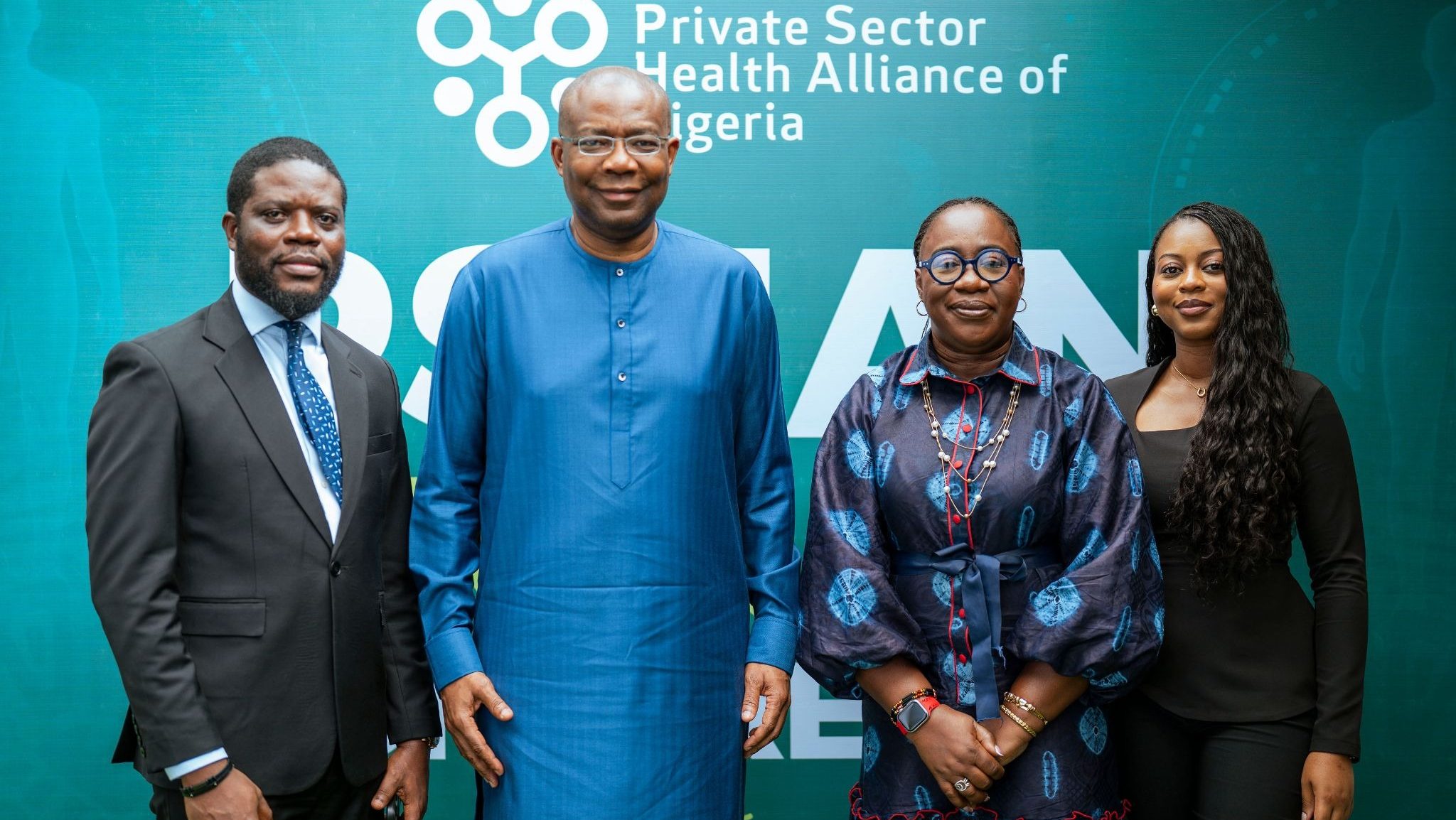
That gap between capital raised and outcomes felt is worth sitting with. The problem was never a shortage of ideas. As PSHAN Director Aigboje Aig-Imoukhuede put it recently, “ideas create possibilities, but systems create results.” We have apps that can book appointments, triage symptoms and deliver medication. What we lack is the infrastructure that lets them talk to each
other and trust each other’s data. When someone collapses in traffic in Lagos, there is usually no shared medical record, no reliable way to identify an appropriate nearby facility, and no digital thread connecting the ambulance, hospital and pharmacy. That is not a technology gap. It is a plumbing gap.