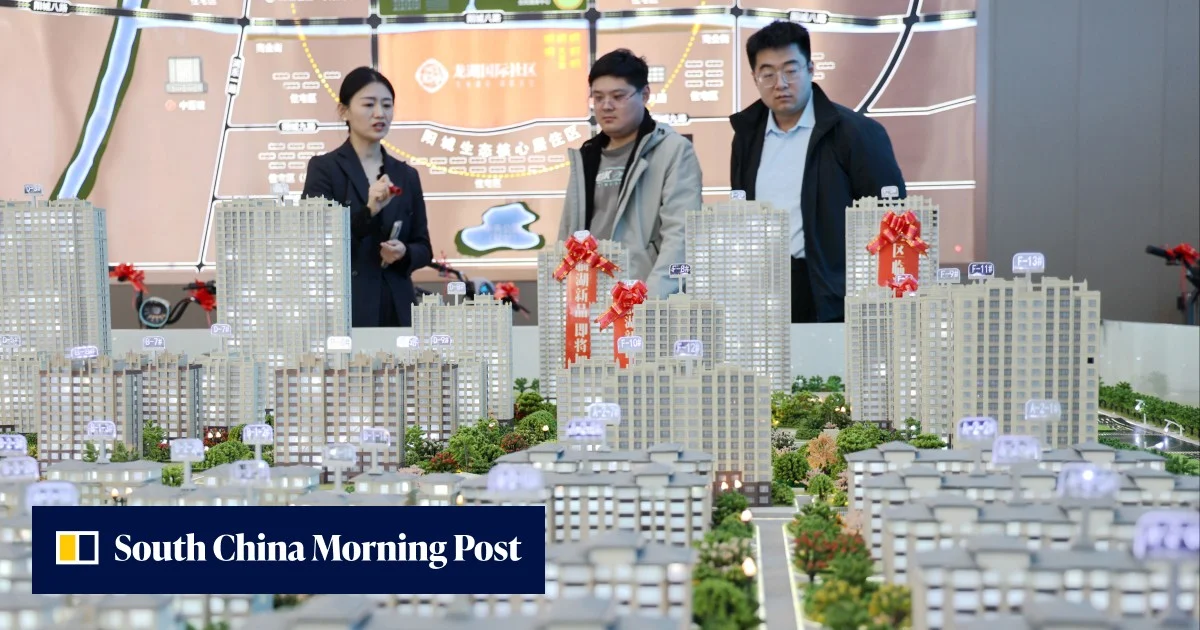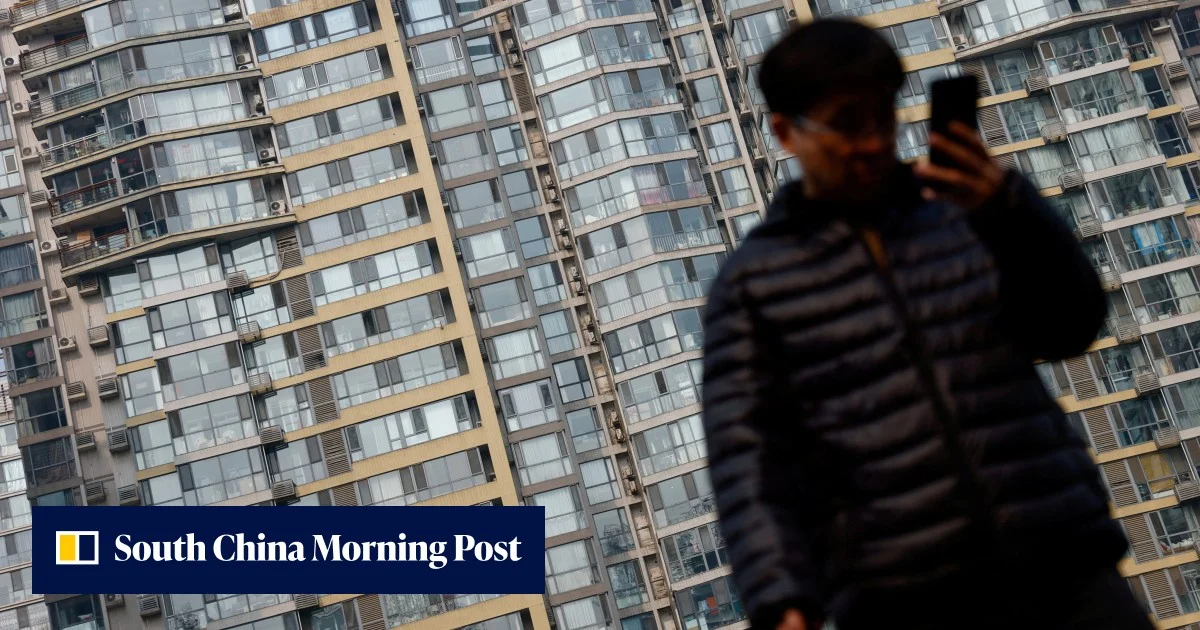
1. [para. 1][para. 2] A growing number of Chinese cities, including Shanghai and Chengdu, are introducing mortgage interest subsidies to lower homebuying costs and release pent-up demand. The incentives reflect local governments’ ongoing struggle to revive a sluggish property market, while constrained national budgets make a sweeping central government bailout unlikely.2. [para. 3][para. 4][para. 5] On Aug. 25, Chengdu announced a policy to subsidize 20% of the actual monthly interest paid on housing provident fund loans for new homes purchased this year, with the subsidy lasting one year and paid as a lump sum. Days earlier, Shanghai said residents in a housing trade-in program running between Aug. 21, 2026 and March 31, 2027 could apply for a subsidy equal to 1% of their new home loan. Since September 2025, 13 Chinese cities have provided cash subsidies for housing loans, according to the China Index Academy.3. [para. 6][para. 7][para. 8][para. 9][para. 10] In an Aug. 26 report, the China Index Academy identified three subsidy mechanisms. Some cities—Wuhan, Guangzhou and Shanghai—calculate subsidies as 1%-2% of the total loan amount, often targeting specified talent groups. Other cities, including Suzhou, Dalian and Chengdu, subsidize 15%-50% of actual interest paid on housing provident fund loans, expanding from younger talent and flexible workers to new home buyers and those upgrading housing. A third method, used in Shantou and Guiyang, subsidizes the interest gap on commercial loans caused by local provident fund liquidity shortages; subsidies stop when liquidity recovers and buyers switch back.4. [para. 11][para. 12][para. 13] China’s property market has been in a downturn since the third quarter of 2021. The central bank cut the loan prime rate multiple times between early 2022 and May 2025, and regulators guided banks to lower mortgage rates for existing homes in September 2023 and October 2024. With banks facing pressure on net interest margins, however, the LPR has not been cut since May 2025. PTI Data puts first-home commercial mortgage rates in several cities at about 3%-3.1%, and second-home rates at 3%-3.5%.5. [para. 14][para. 15][para. 16][para. 17] Since late 2025, there has been discussion of a unified national policy using central and local fiscal funds to subsidize mortgage interest. A central government policy announced in August 2025 offered an annualized 1% subsidy for eligible personal consumption loans taken out before Aug. 31, 2026—later extended to year-end—but housing loans were not included. A financial official at a state-owned enterprise said a nationwide mortgage interest subsidy, especially for existing homes, is unlikely because of fiscal pressures and other constraints, and the China Index Academy likewise expects implementation to remain local. Many local governments, facing tight budgets from plunging land sales, cap support at 20,000 yuan ($2,972) to 50,000 yuan per home loan.6. [para. 18][para. 19][para. 20] The likely impact is limited. An SOE executive said the demand-side stimulus may prompt some wait-and-see buyers to act in the short term, but it will not reverse broader market fundamentals. A banking source noted the subsidies mostly target new home purchases and exclude existing-home buyers; in top-tier cities with high prices, the amounts are a drop in the bucket compared with monthly mortgage repayment burdens.7. [para. 21][para. 22] For a true demand recovery, the SOE executive said improved income expectations and stabilized home prices are needed to boost buyers’ willingness to take on leverage. PTI Data said in the Aug. 26 report that the subsidies are a targeted measure whose signal is more significant than the actual financial relief; a sustained recovery will require coordinated efforts across credit, taxation and supply to form policy synergy. Taken together, the measures remain small-scale and local in scope.AI generated, for reference only
Analysis: High Property Prices, Stagnant Incomes Overshadow Local Mortgage Perks
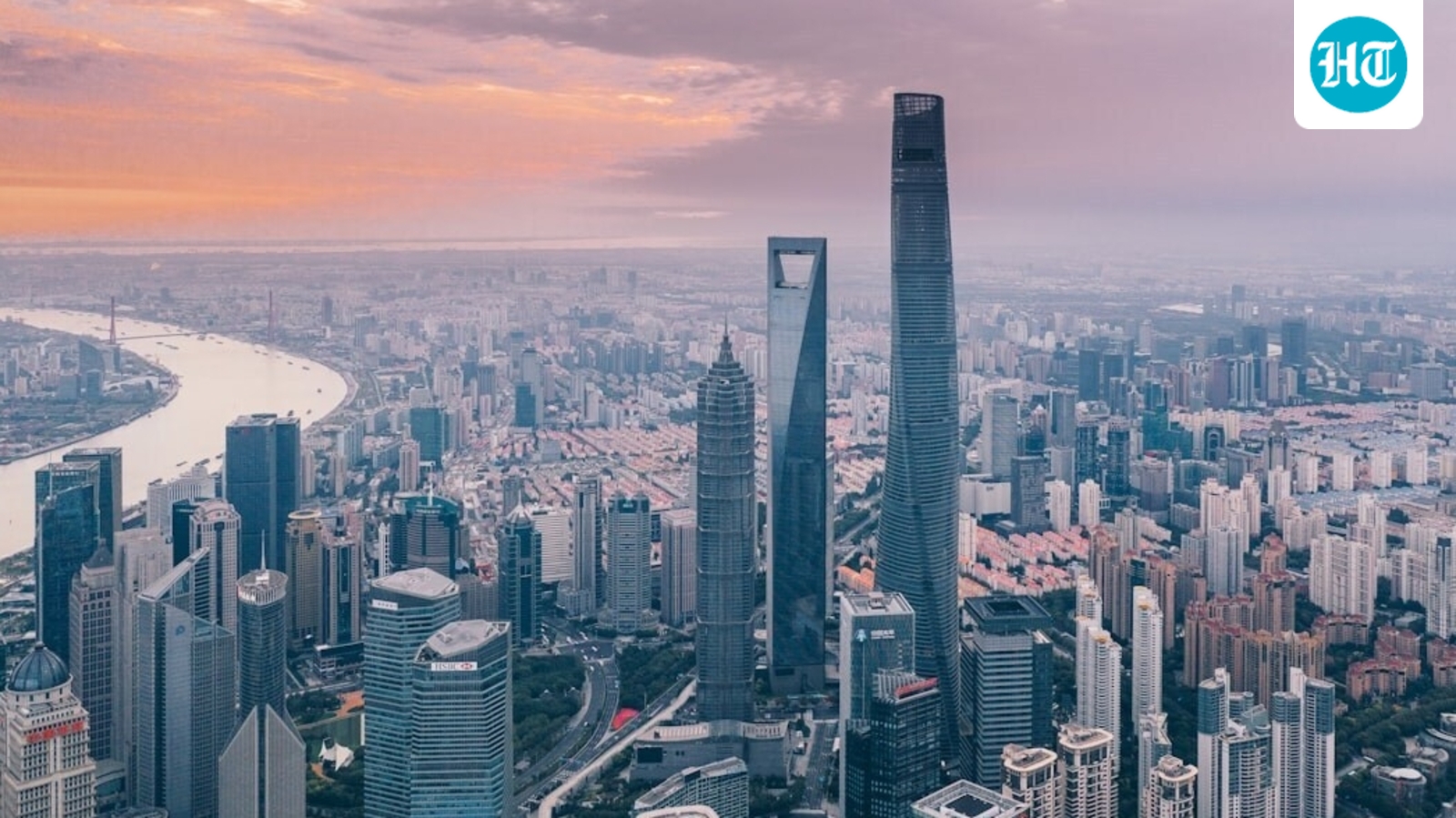
Chinese cities are providing homebuyers with cash payouts, but with subsidies capped around at 50,000 yuan, industry insiders call the help a 'drop in the bucket'
605 words~3 min read