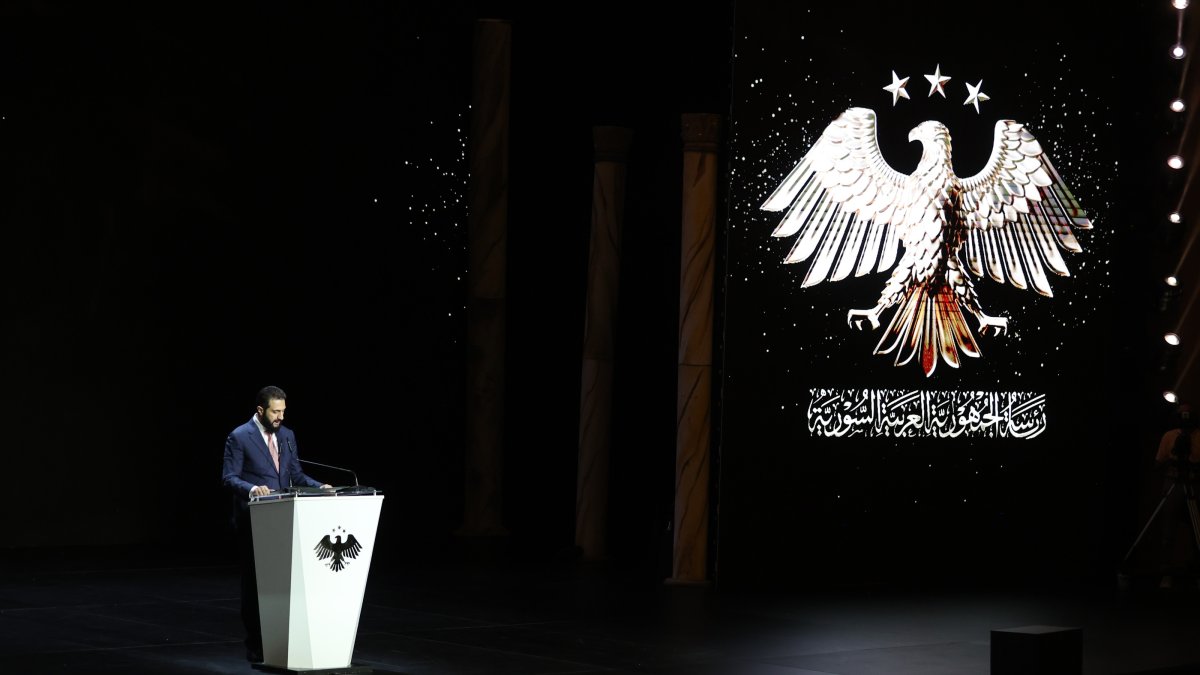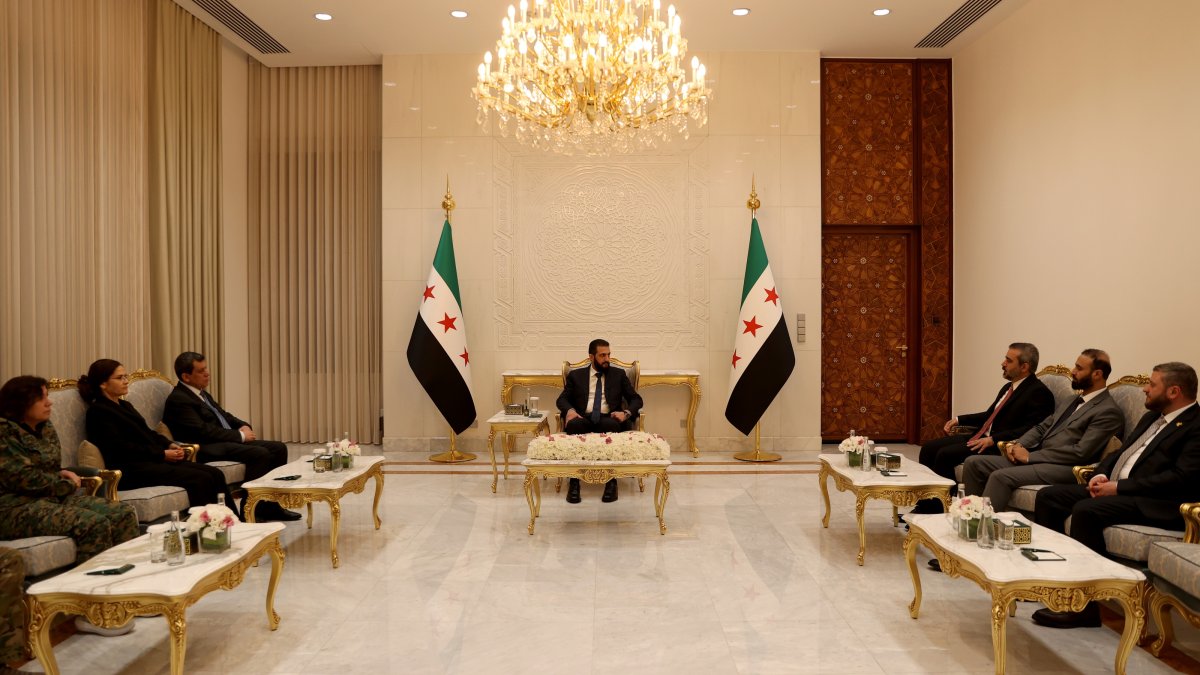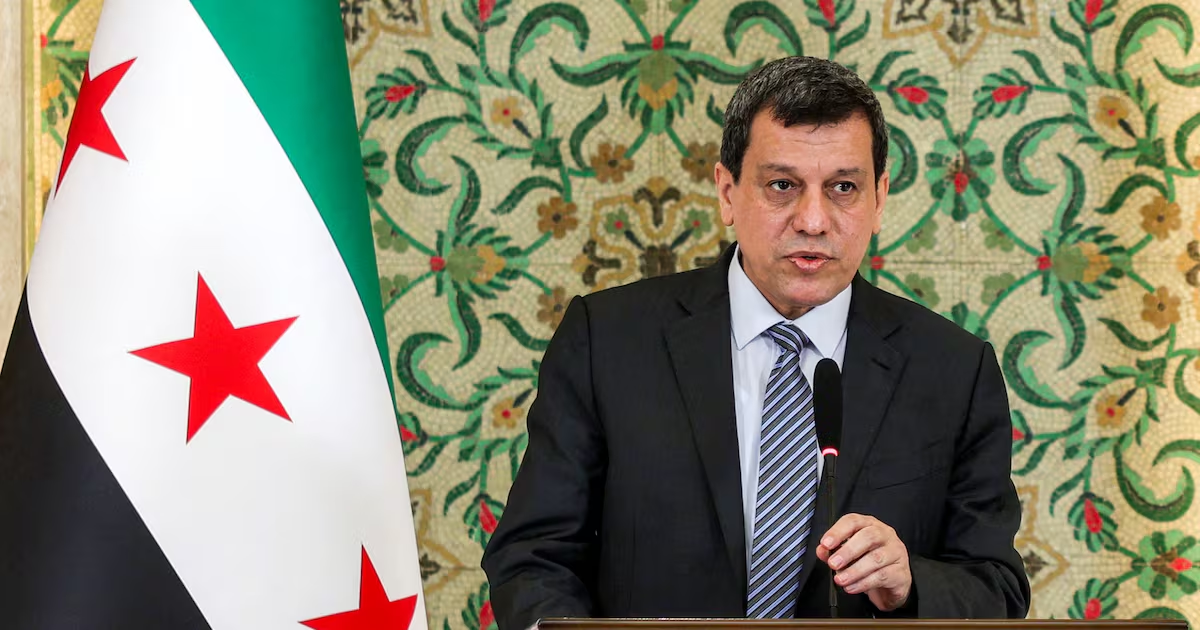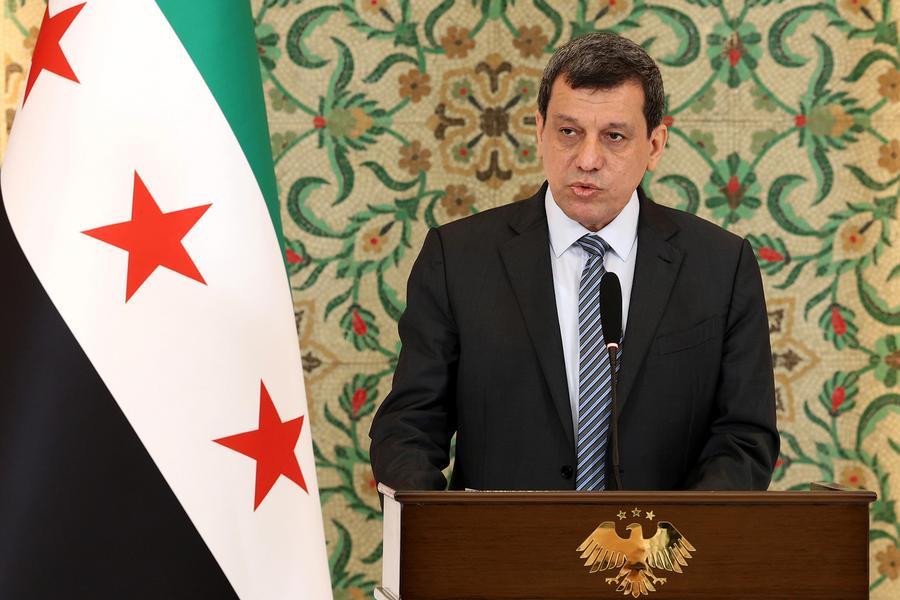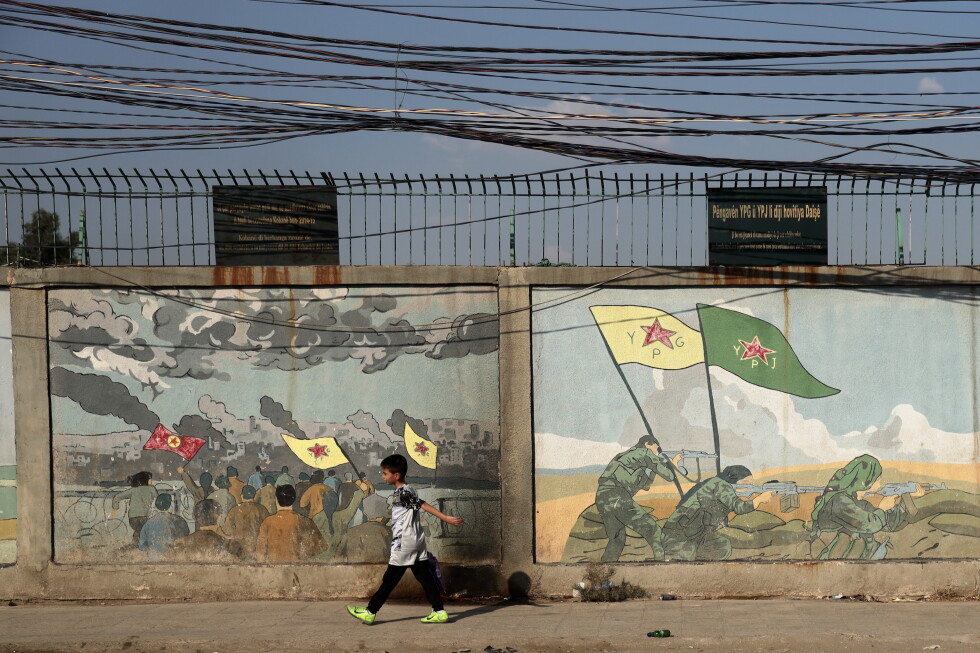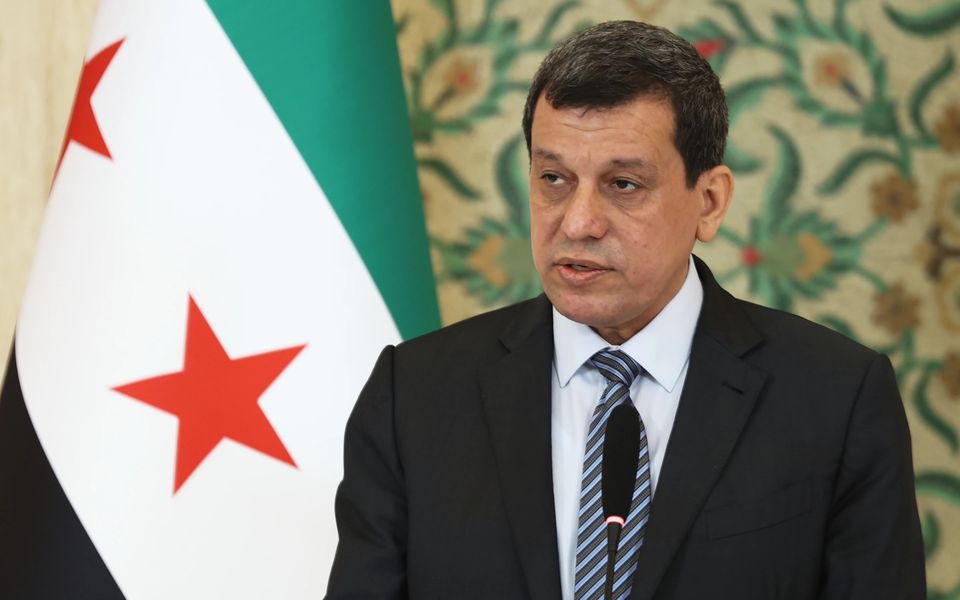
On Aug. 25, 2026, standing before the cameras at the People’s Palace in Damascus, Mazloum Abdi formally announced the dissolution of the YPG/SDF. It was a genuine turning point in the integration process that began with the Jan. 29 agreement and, unlike the March 10 accord, moved from paper to practice. It confirmed that the most serious armed challenge to a unified Syria and to the authority of the central state in the post-Assad period would no longer exist. That makes the announcement an important step. But it does not mean the process is over.
Why it is important
Previously, the March 10, 2025 accord raised hopes but ultimately remained stuck on paper. True change came with the Jan. 29, 2026 agreement. Since Jan. 29, the YPG’s integration into the Syrian state has gone further than many expected. The agreement set off a series of concrete, visible changes across northeastern Syria.
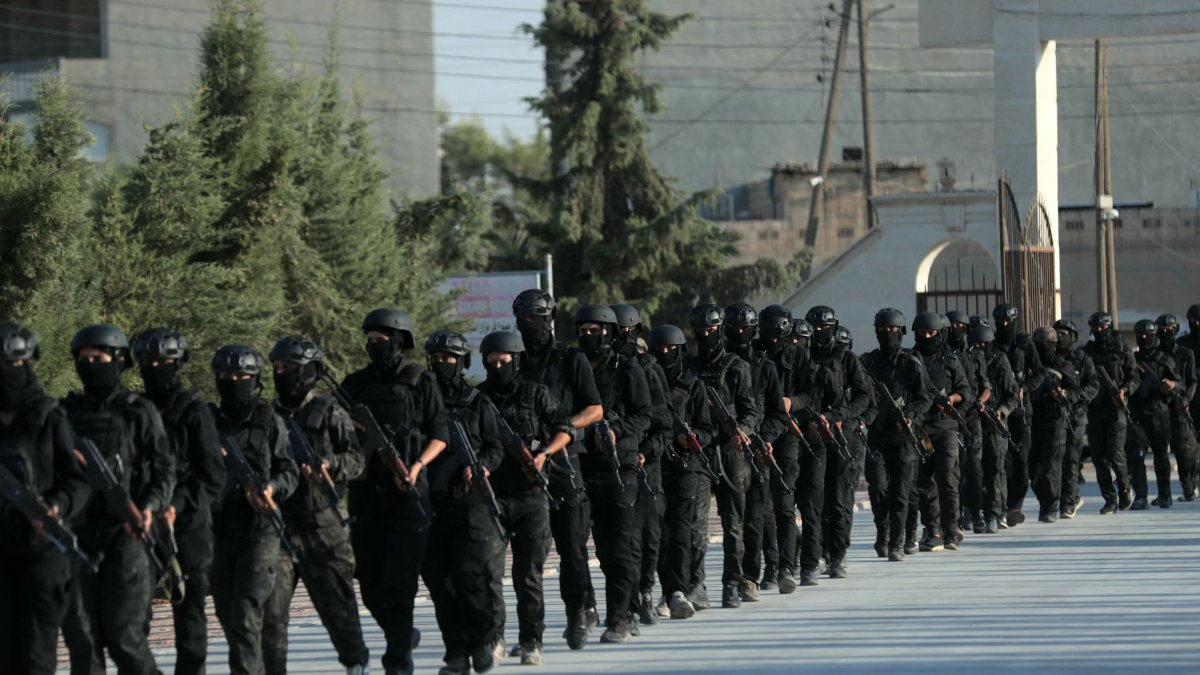
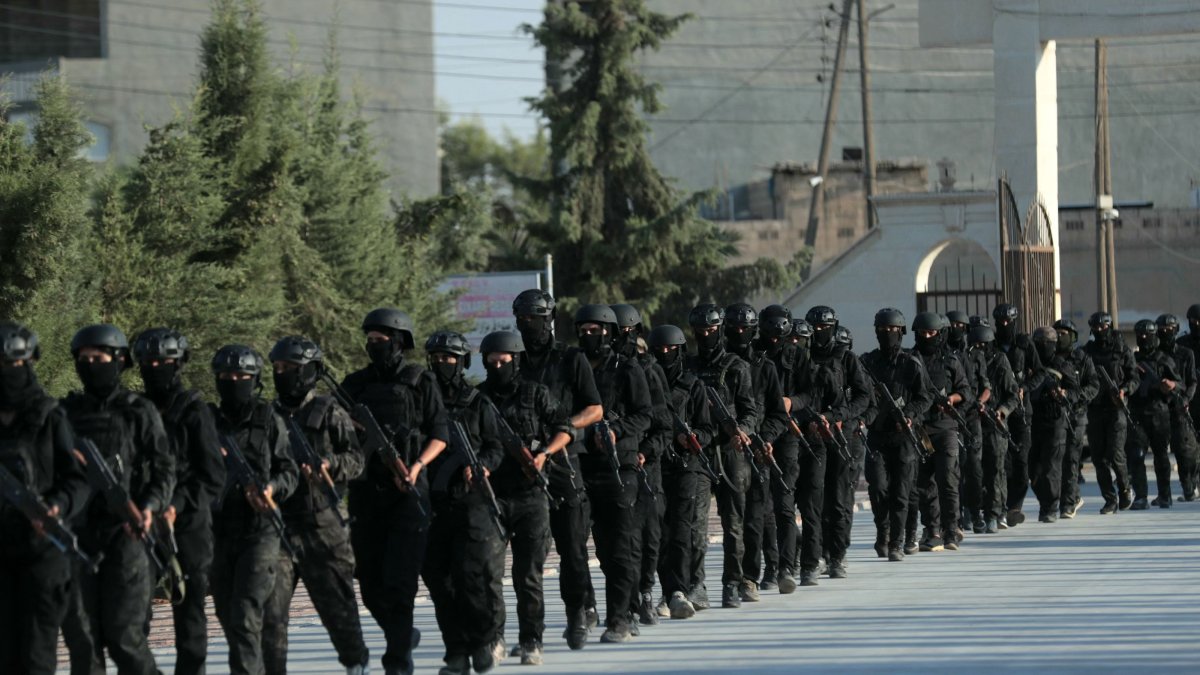
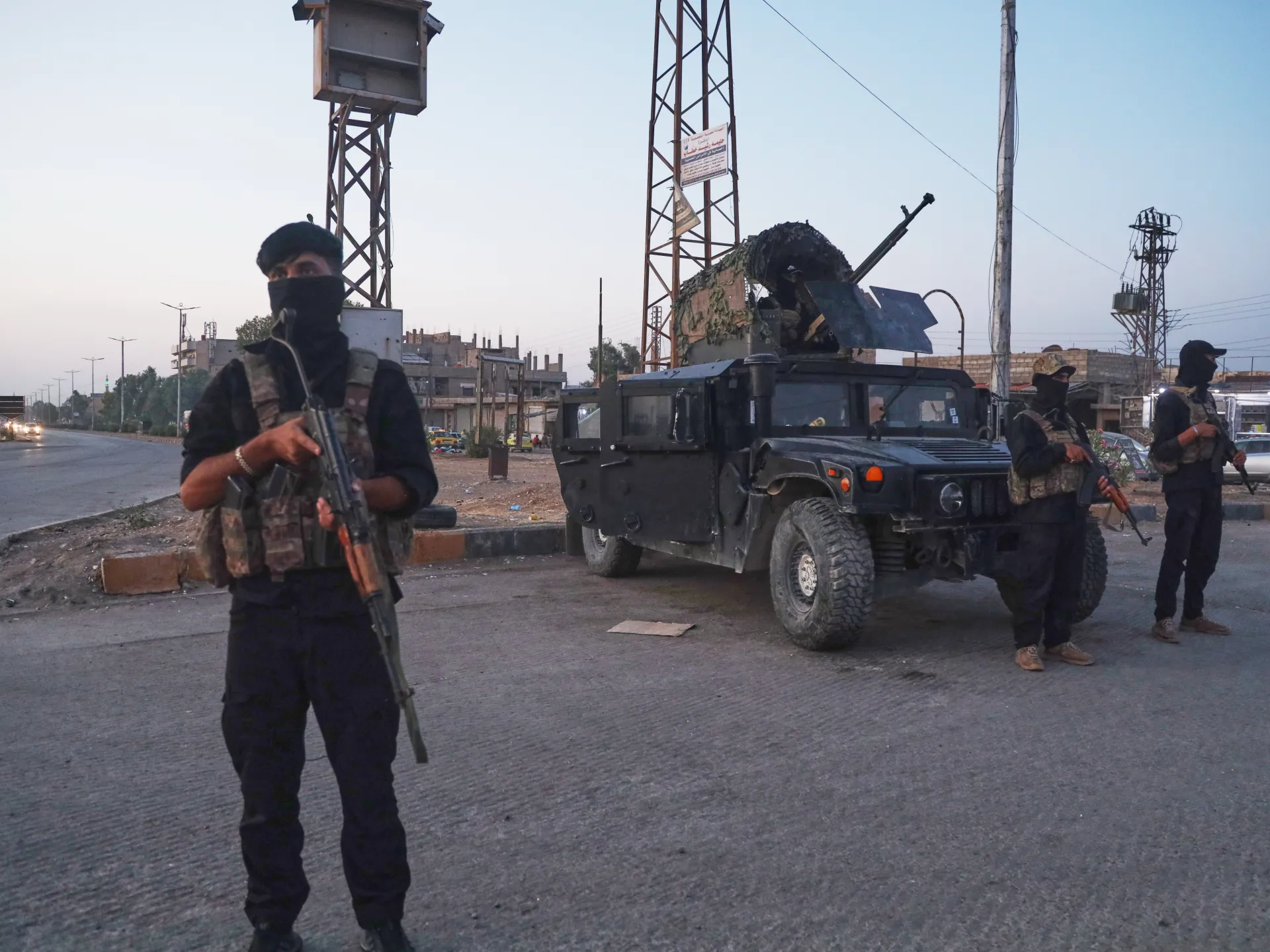
In the months that followed, civilian and administrative bodies were brought under government ministries. The so-called local security forces were placed under the Interior Ministry, while armed units began serving in new brigades established within the Defense Ministry. The transfer of oil and gas fields to central government control also deprived the group of its most important independent source of revenue. The significance of these steps goes beyond the agreements themselves. The YPG did not merely sign a deal with Damascus. It began giving up the separate institutions and resources that had enabled it to operate as a state within a state.