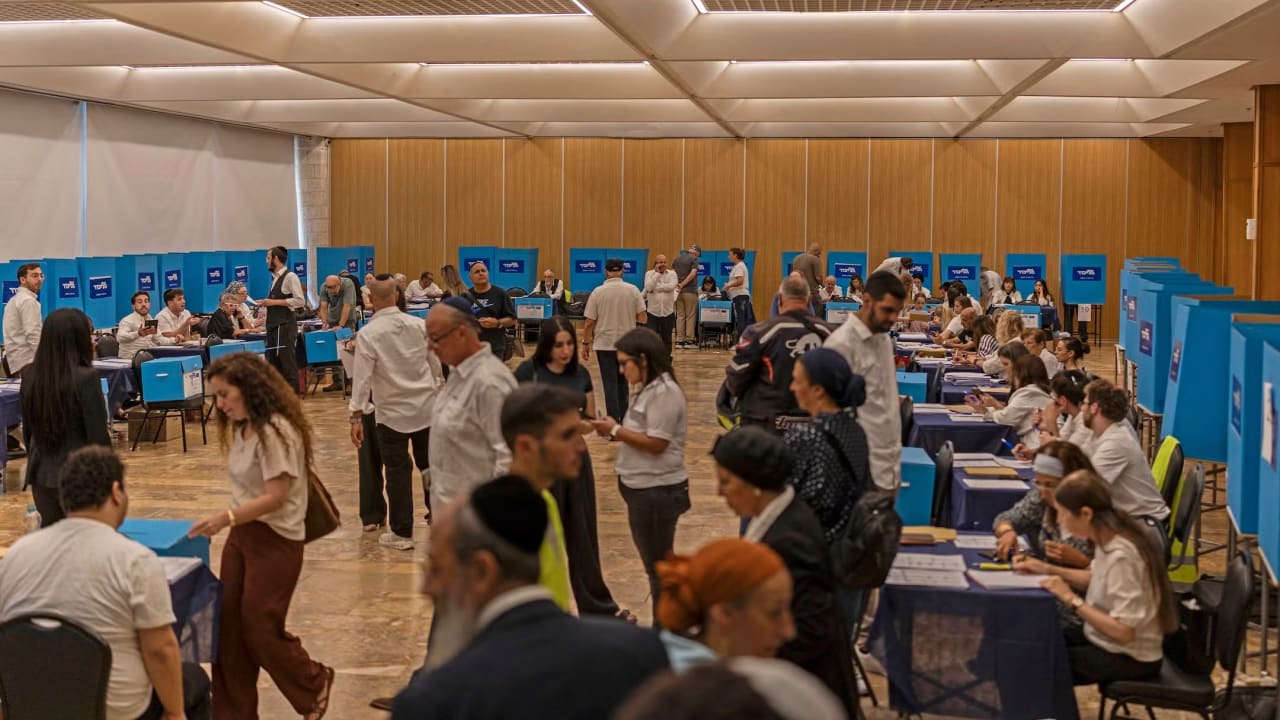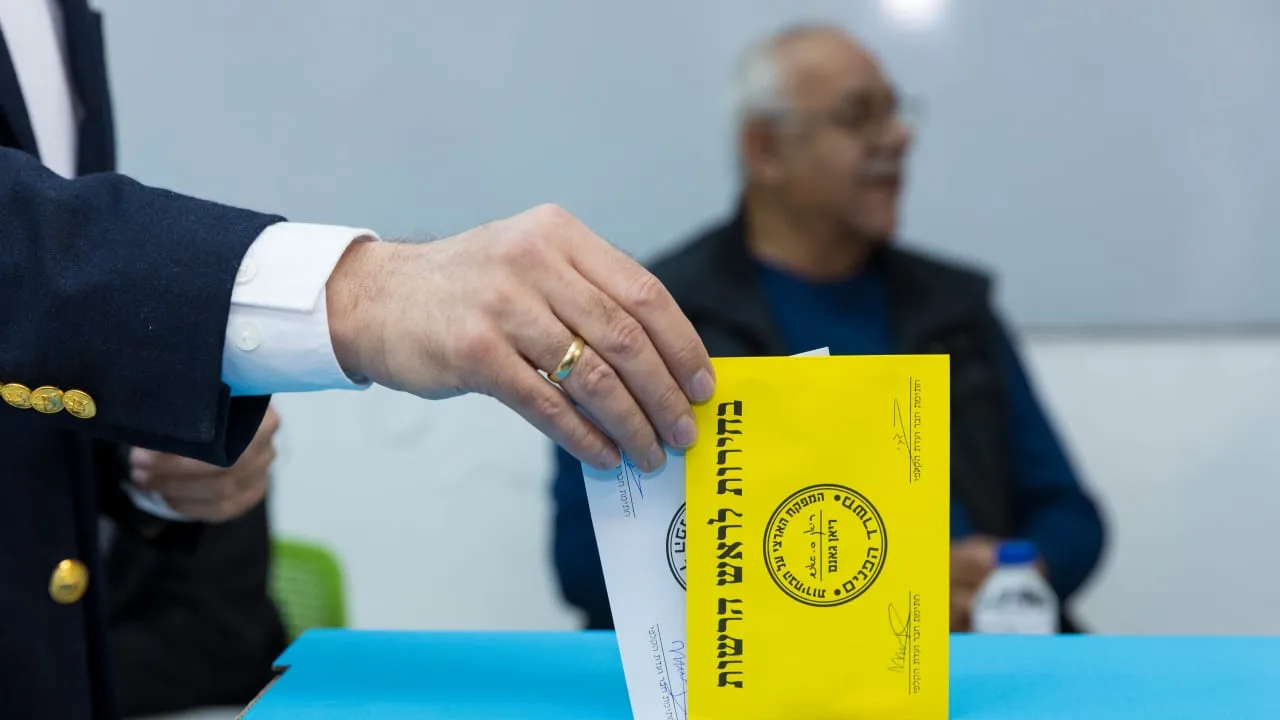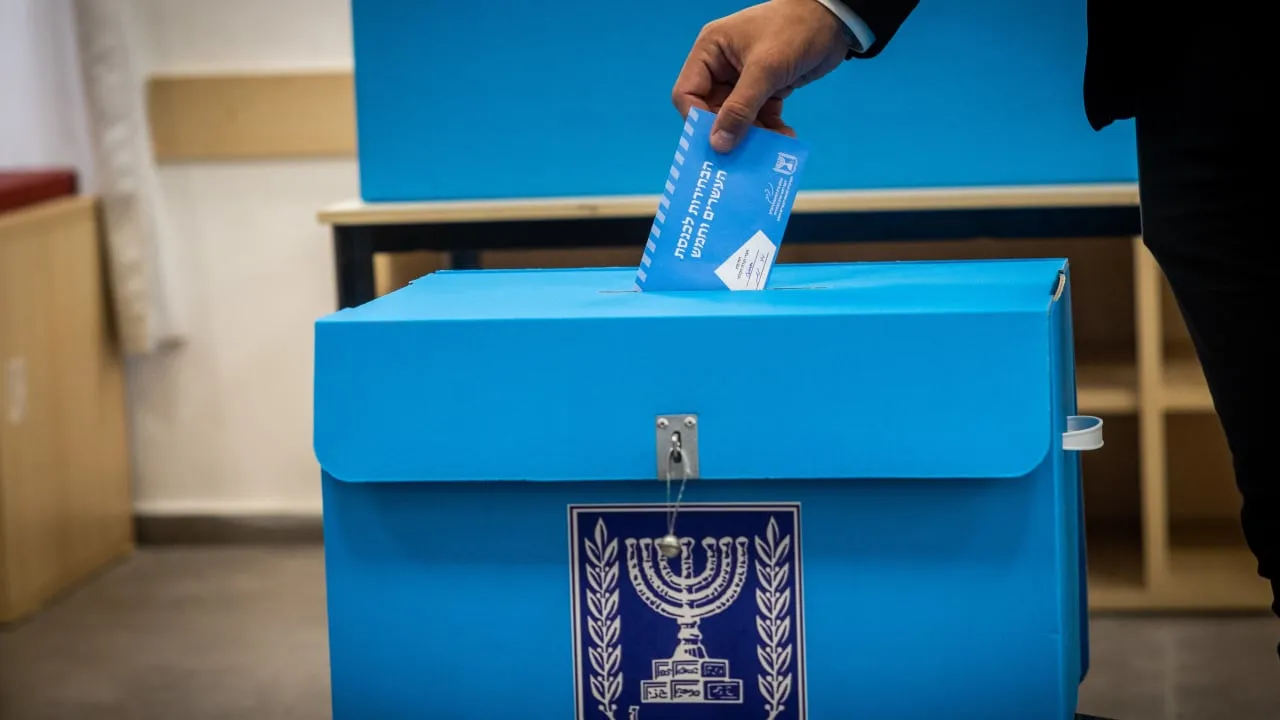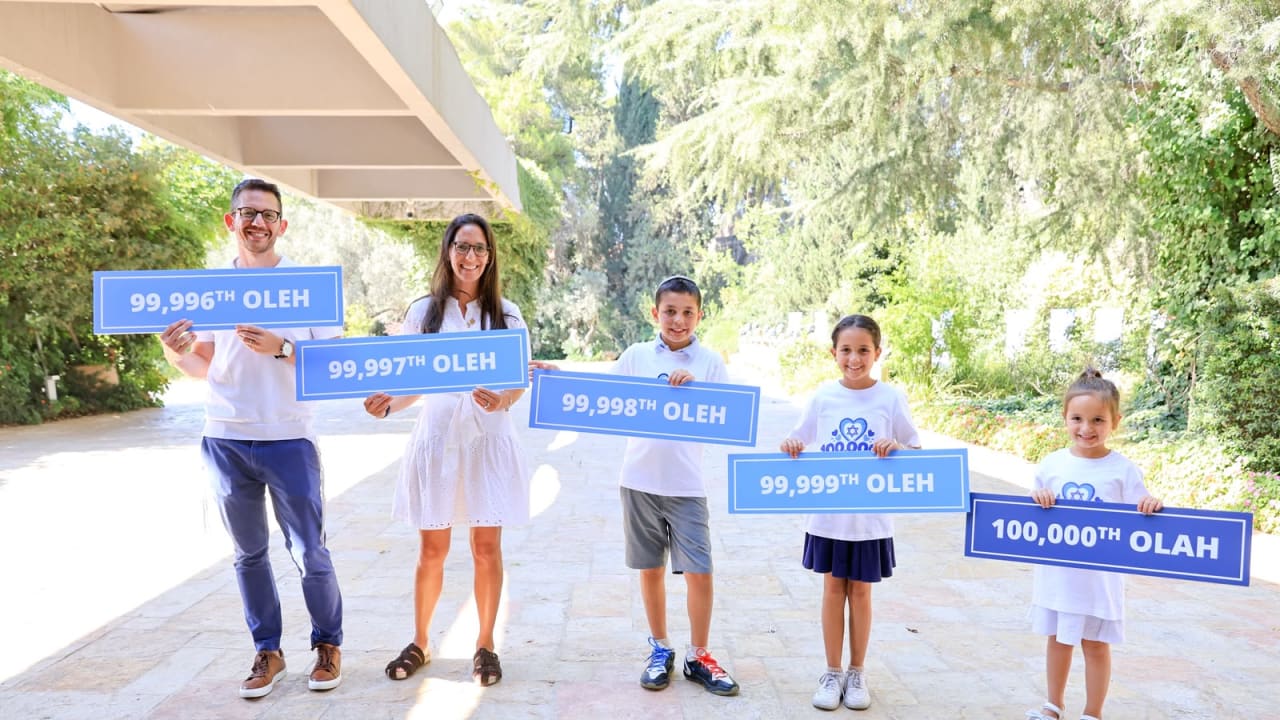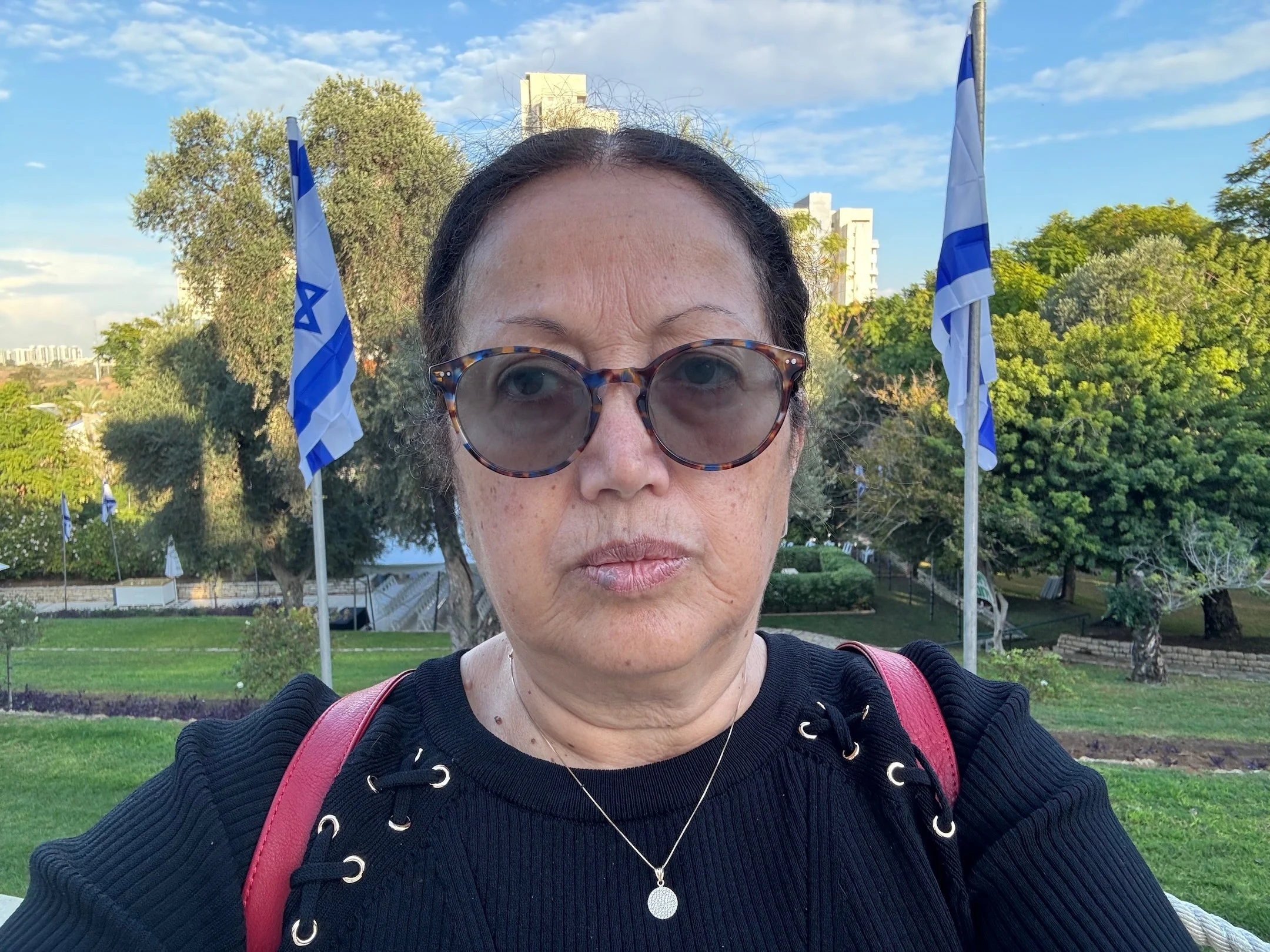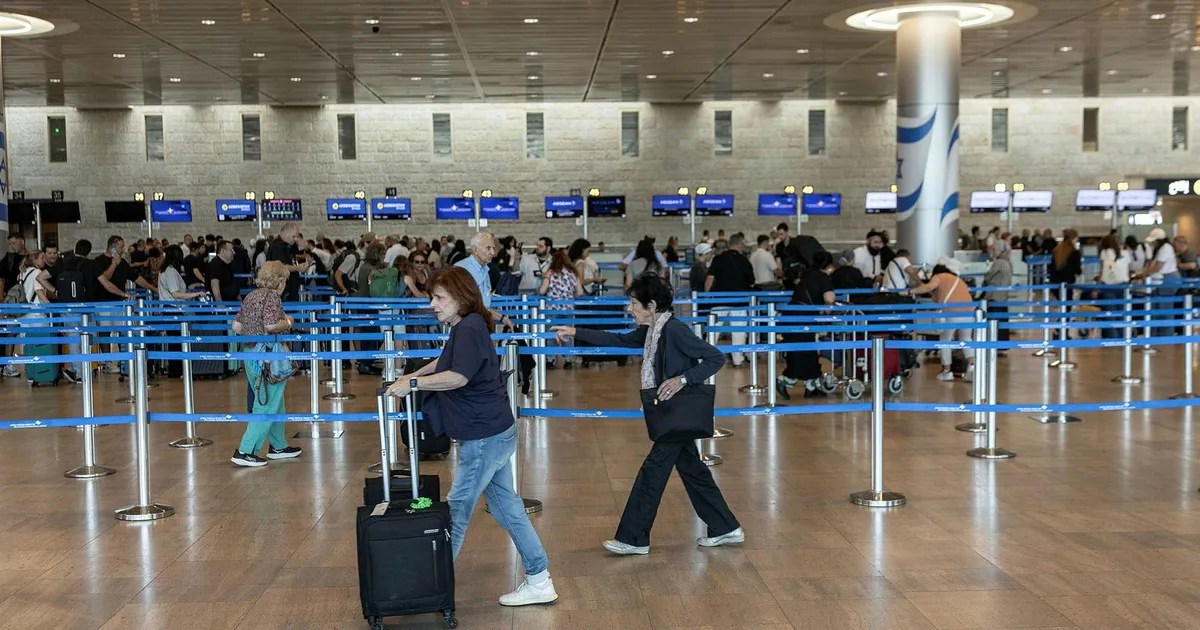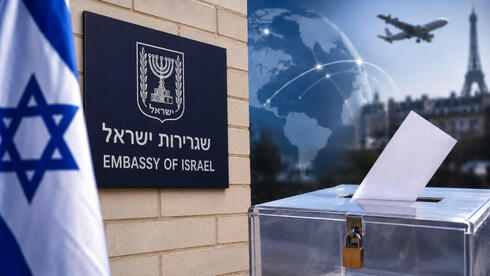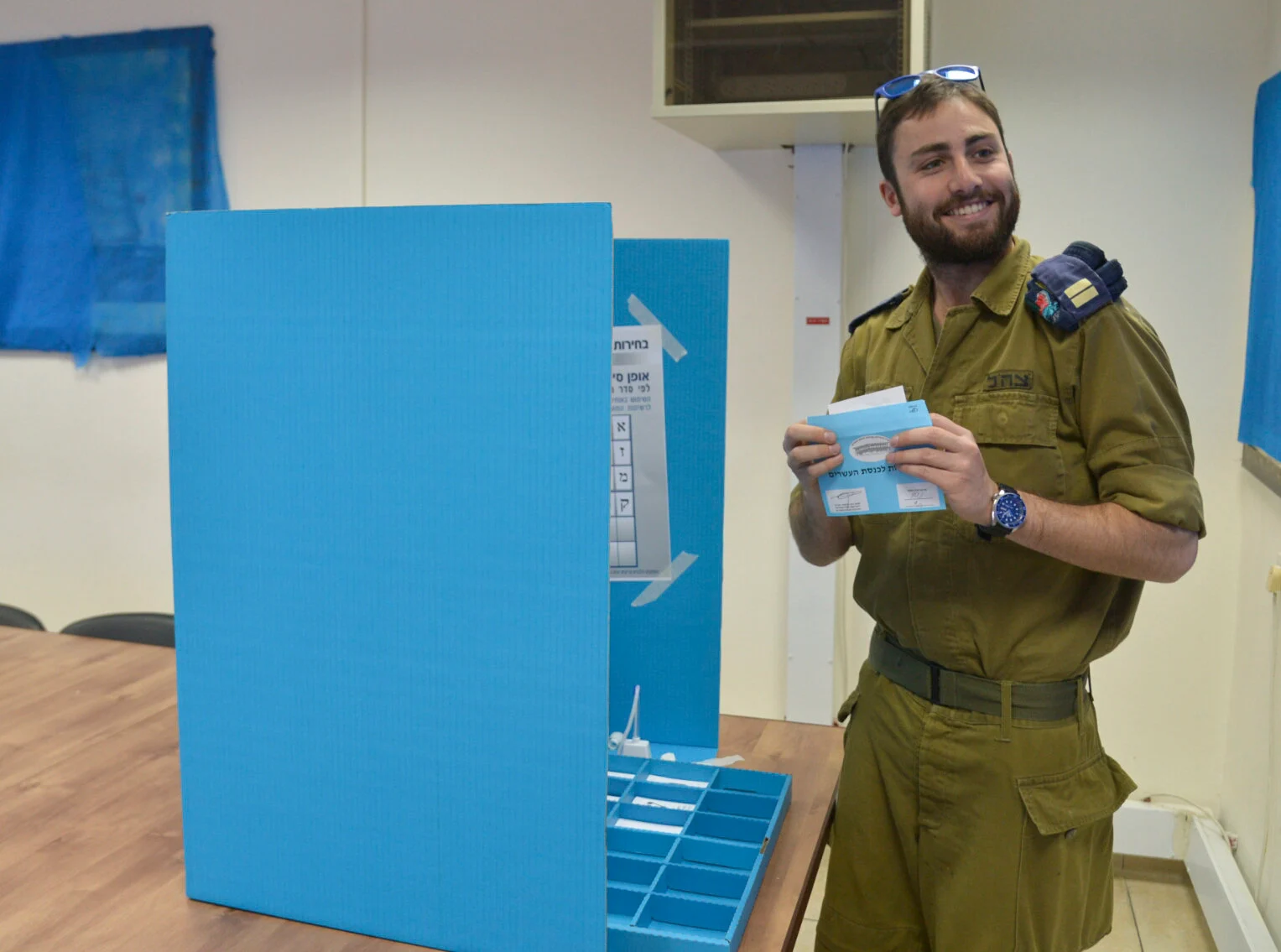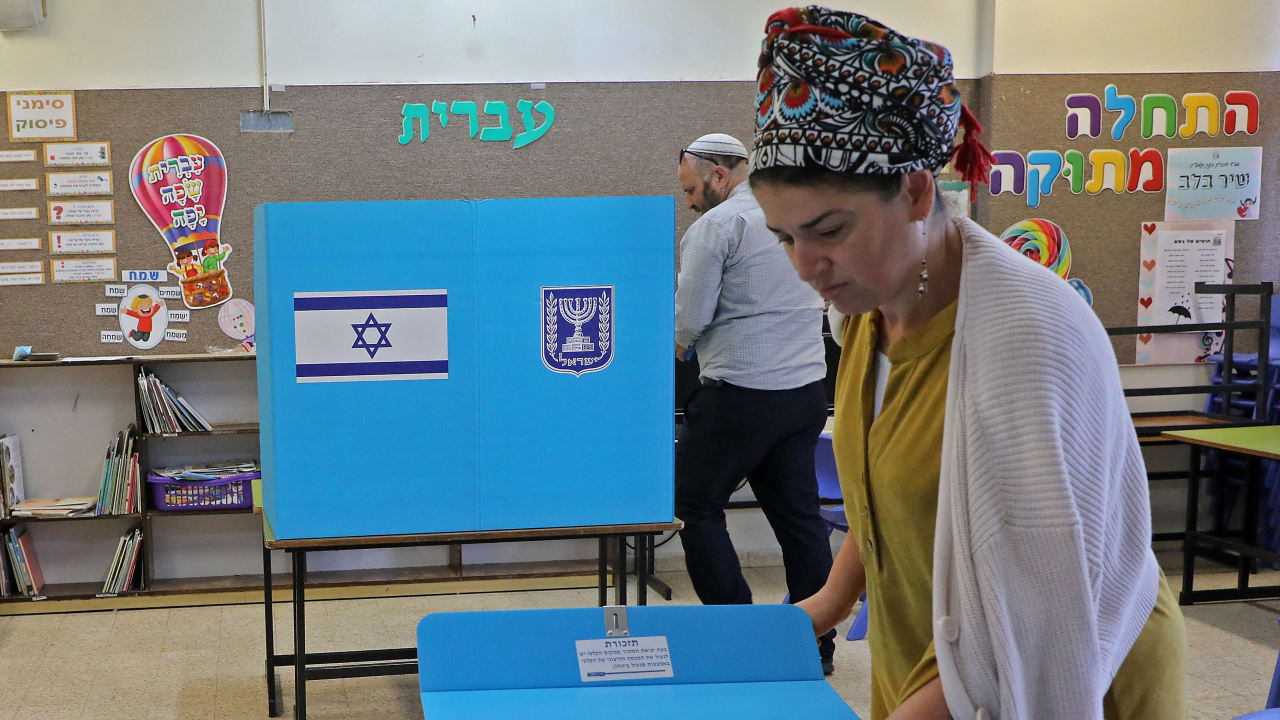
ByCHANI KAPLANAUGUST 31, 2026 13:01When Judi Rowland first voted in an Israeli election, she had been living in the country for barely a year.She had made aliyah from Manhattan with her husband and adult son in October 2021, during the COVID pandemic. Her daughter was already living in Israel, and the move reunited the family. But when an election came around, Rowland, 70, realized there was another part of Israeli life she had yet to understand.Read More“When I say clueless, we were clueless,” she told The Jerusalem Report in a recent interview.This time, she is determined not to be.Rowland has spent time with her Hebrew teacher learning political vocabulary, researching candidates, and understanding a system that can be difficult to navigate even for veteran Israelis.“I’ve made it my mission not to feel clueless,” she said. “I feel like… I can make an informed choice.”As Israel heads toward another election, Rowland is one of tens of thousands of olim who will approach the ballot box without having grown up inside the country’s political system.According to data from the Aliyah and Integration Ministry, approximately 66,000 new immigrants will be eligible to vote in Israel for the first time, including more than 20,000 from Western countries and nearly 25,000 from Russia.They come from different countries, speak different languages, and hold vastly different political views. What many share is the challenge of learning how Israeli politics works – and figuring out where they fit into it.Finding their wayFor Pinchas Preil, 26, who made aliyah in 2019, much of that education has come via family interactions.With relatives ranging from haredi to religious-Zionist, living in different parts of the country, political discussions around the Shabbat table have exposed him to views across the political spectrum.“If it weren’t for those experiences, I probably would be pretty uninformed,” he said.Since making aliyah in 2021, Judi Rowland has made it her mission to become familiar with Israel’s political system. (credit: Courtesy)That was not always enough to get him to the ballot box. During the period when the country went through repeated elections, Preil chose not to vote.“I didn’t feel like I knew anything or that my vote would matter,” he said.Today, he researches candidates and parties himself, sometimes after encountering their advertisements on the street. But he does not feel anyone is particularly trying to reach him.“I don’t think they’re campaigning toward us,” he said. “I don’t think they have us in mind in the slightest.”Ava Schwartz, 23, who grew up in New Jersey and made aliyah in February 2024 after already spending several years in Israel, has had a different experience. Politically engaged and increasingly integrated into Israeli society, she said information can be found – if you are willing to look for it.She searched social media and online resources to understand the parties and election process. What she didn’t find was a single, accessible place aimed at olim.“It’s not like, ‘Here’s the one page that olim should go to,’” she said.Eventually, she created her own guide and began circulating it among friends.“I did it because I felt my friends didn’t know which parties exist and how the political system in Israel works,” she said.For Ukrainian-born journalist and public activist Leonid Baratz, 32, the problem extends beyond English-speaking immigrants.Baratz has been based in Israel since the Hamas-led massacres in Israel on October 7, 2023, after previously living between Israel, Ukraine, and Poland. He noted that Russian-speaking olim often rely on Russian-language media, bloggers, and Telegram channels for political information.Older immigrants may turn to established Russian-language media, while younger olim increasingly seek online spaces where, he said, political information can become highly polarized.Government-produced election information, however, is something he said he has rarely encountered.“I never saw [anything in any other] language,” he said. “Neither in English nor Russian.”Baratz also believes distrust of political institutions – a carryover from living in Russia, Belarus, and other former Soviet countries – can influence how some newer Russian-speaking immigrants approach Israeli democracy. But he cautioned against treating these immigrants as a single political bloc, noting that the Eastern European community spans from strongly liberal to deeply religious and right-wing ideologies.‘Sink or swim’Miriam Blum, 29, has seen the issue from inside the political system.Blum, who made aliyah from New York in 2016, has worked in the Foreign Ministry’s public diplomacy division and inside the Knesset, including for a Likud minister. She is currently involved in political campaign work.From her experience, olim only enter the political conversation when there is a specific reason for them to be there.Issues involving new immigrants are discussed through the Knesset’s Immigration, Absorption and Diaspora Affairs Committee, ministries, and legislation that concern matters such as benefits, services, or professional recognition. Individual politicians with immigrant backgrounds or constituencies may also devote some attention to them.But across the Knesset more broadly, Blum said, olim are not generally viewed as a major electoral bloc.Miriam Blum has worked behind the scenes in Israeli public diplomacy and politics, from the Foreign Ministry to the Knesset. (credit: Courtesy)Asked whether they are in the consciousness of politicians at large, she replied: “Not at all.”Blum sees that partly as an extension of the wider Israeli approach to absorption. “There is a certain element of, ‘you jump into the deep end and sink or swim,’” she said.For immigrants trying to understand politics, that can mean seeking out information themselves, finding communities that discuss the issues, or following politicians who speak their language.Courting aliyahYet ahead of the election, aliyah itself is receiving political attention.Finance Minister Bezalel Smotrich has highlighted tax exemptions for new immigrants, recognition of foreign diplomas, and rental assistance.The Yashar party, led by former IDF chief of staff Gadi Eisenkot, has presented a plan to bring two million olim to Israel by 2048, alongside measures addressing employment, housing, healthcare, and recognition of professional qualifications.Former prime minister Naftali Bennett, who heads the B’Yachad party, has similarly proposed bringing one million new immigrants to Israel over the next decade, as part of what he calls an “Israeli Renaissance.”Still, there is a distinction between encouraging Jews abroad to make aliyah and politically engaging those who are already here.For Rowland, that difference is difficult to miss.“I don’t think any Israeli thinks about olim,” she said. “It’s not in their consciousness.”She would like to see something simple: a centralized resource where immigrants can learn about candidates and parties in their own language.“This is a startup nation,” she said. “Why isn’t there like an app where you can read about every candidate in every language?”Baratz is equally skeptical that the political system sees immigrants as a constituency, even as politicians promote ambitious plans for future aliyah. His concern is less about how olim vote than whether they become sufficiently engaged to demand something from those seeking their support.Arriving in Israel and becoming part of its political life are not necessarily the same thing.Rowland will go into this election considerably more prepared than she was the first time. She knows the parties, understands the issues and has decided what matters to her.But getting there, she stressed, was largely her own doing.“I know who I’m voting for, why I’m voting for them,” she said. “But not because anybody from the government helped me, that’s for sure.”■
New olim face Israel’s ballot box with little political guidance | The Jerusalem Post
As olim prepare to vote for the first time, many are navigating Israel’s political system alone
1,200 words~5 min read