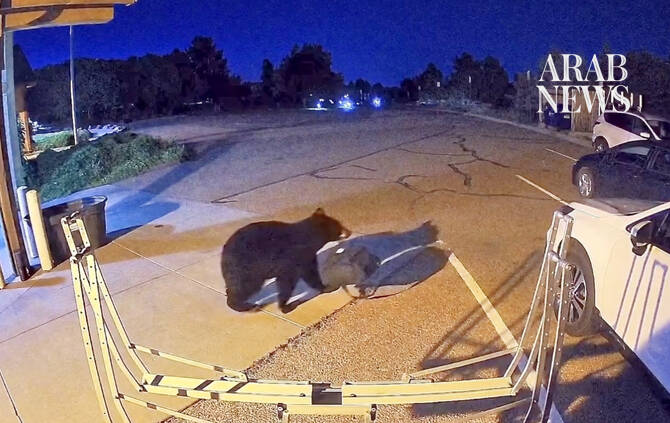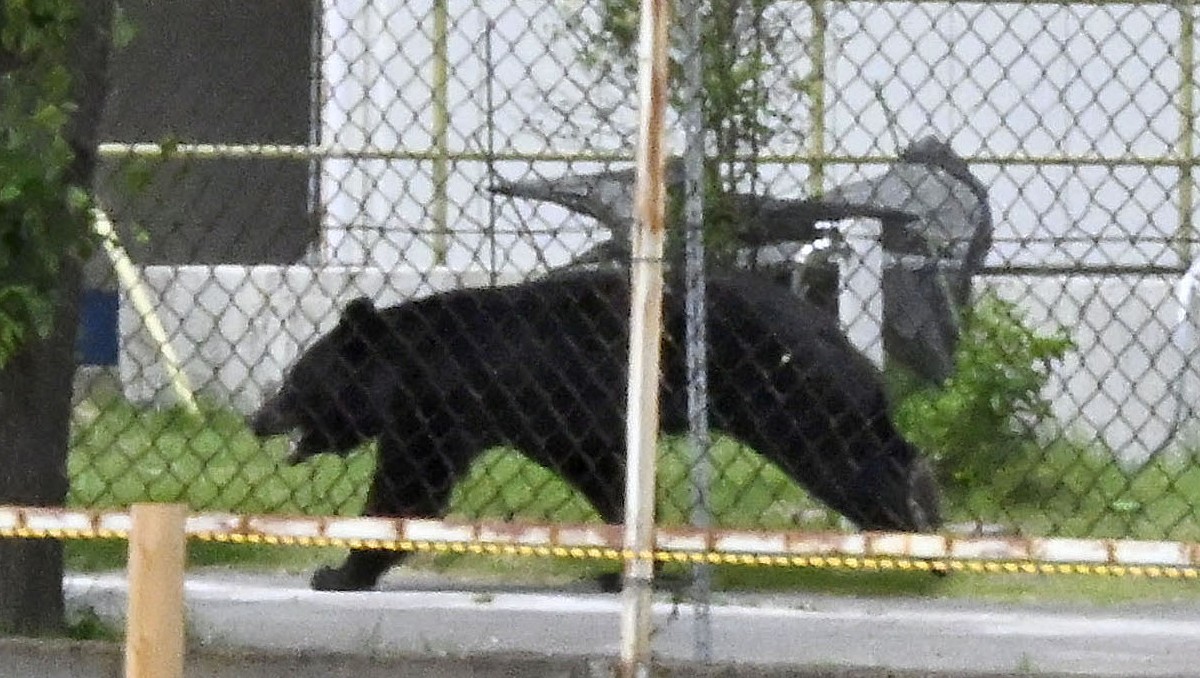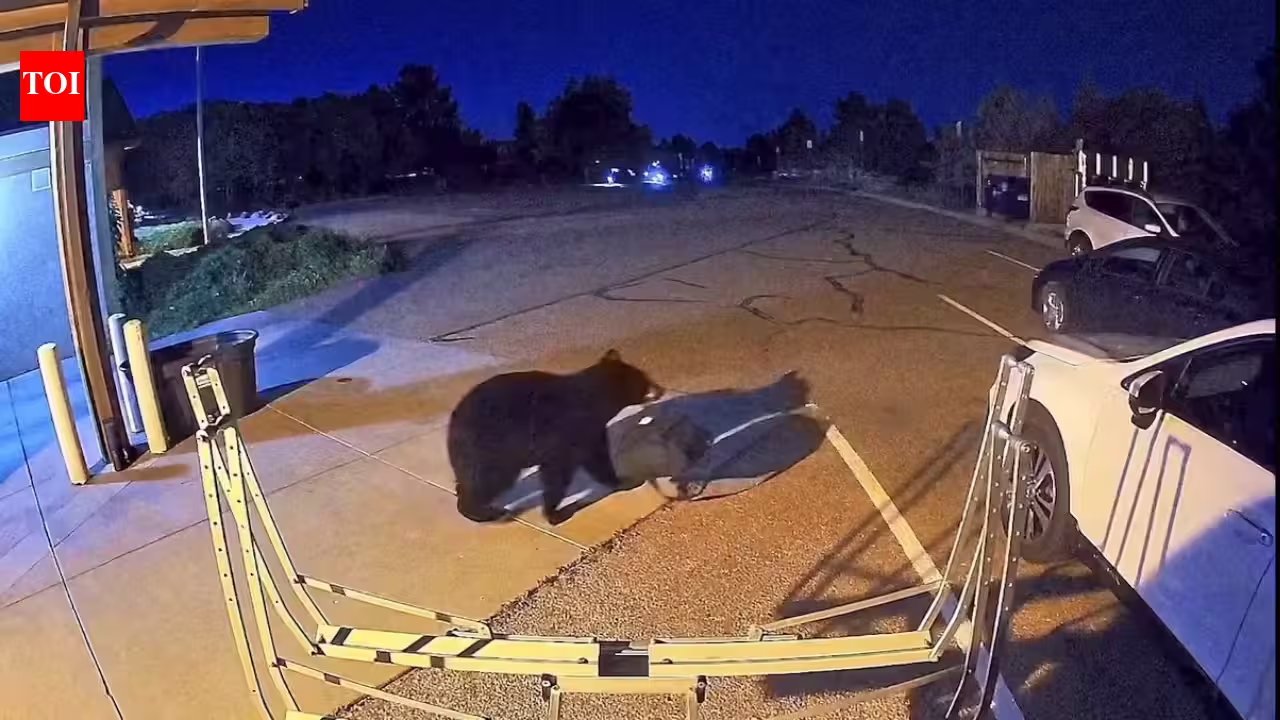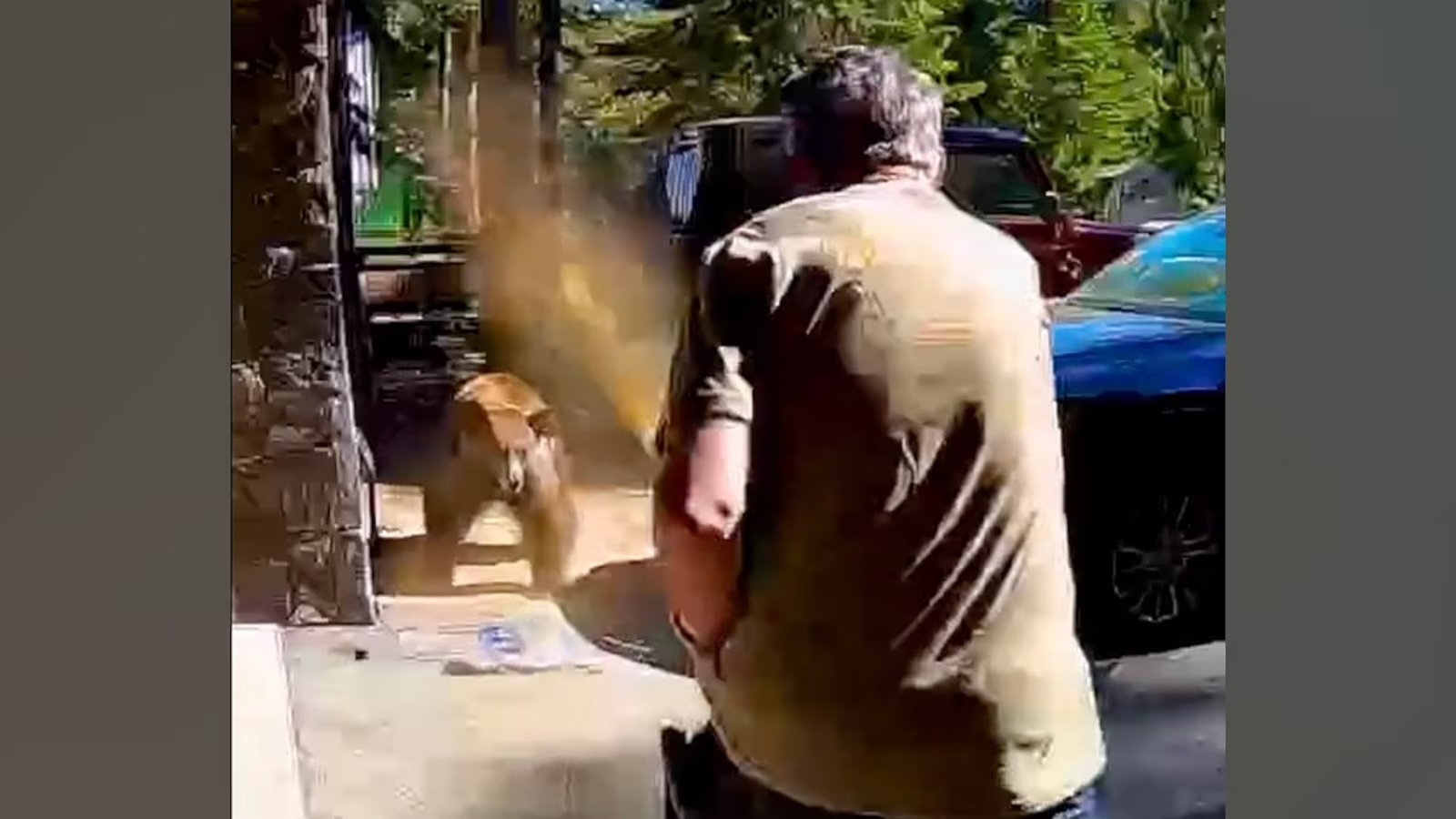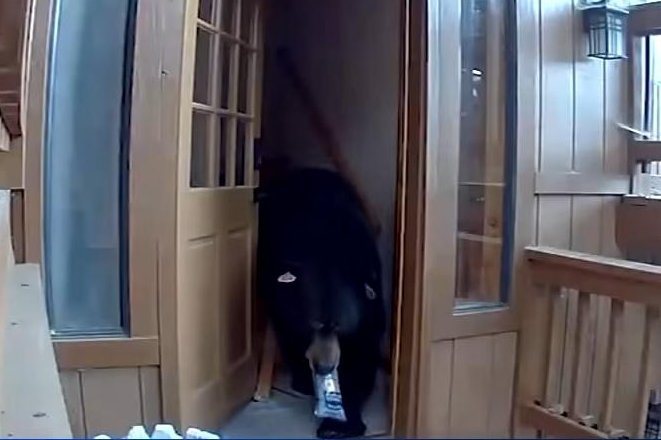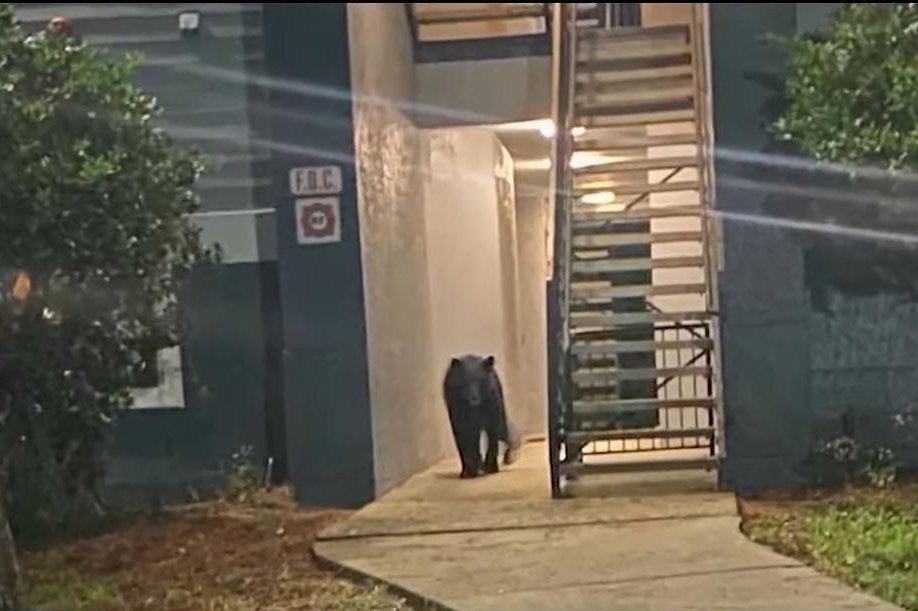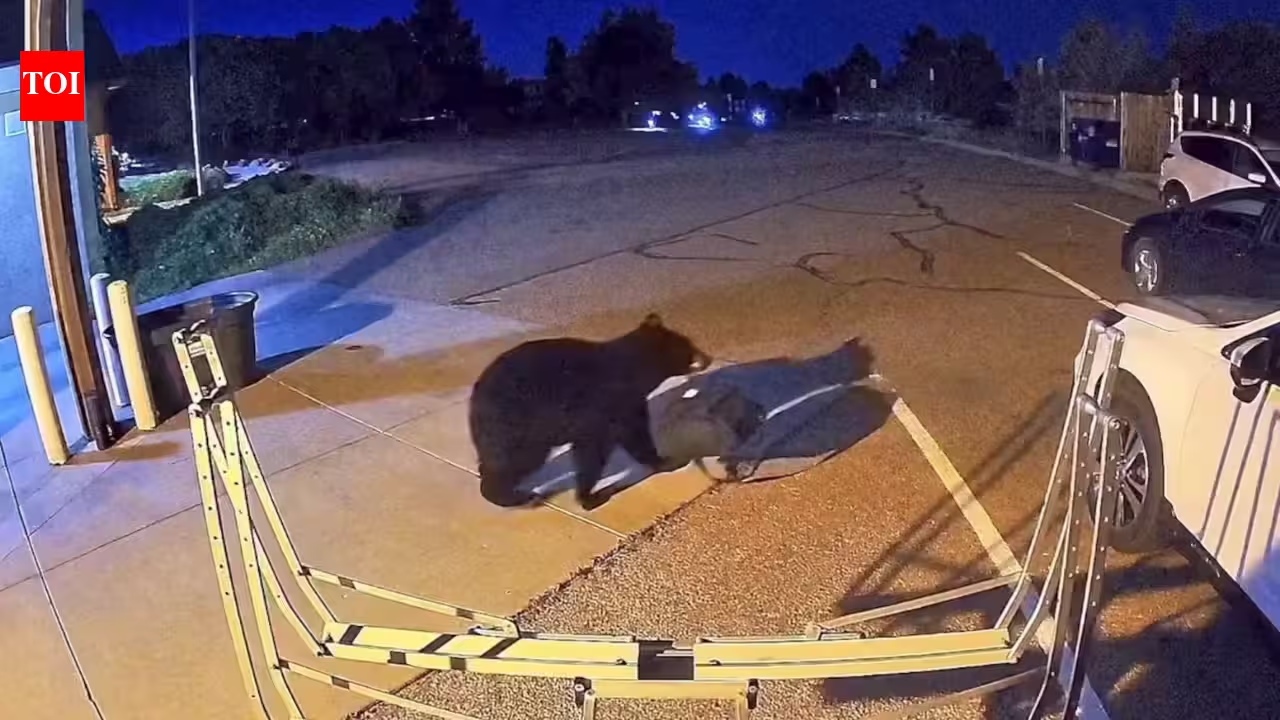
A hungry pair of young black bears recently wandered into a home in Granby, Colorado, startling a resident who found them standing in his hallway. The animals eventually bolted through the front door, but the unusual intrusion is part of a much larger pattern unfolding across the American West. Reuters reported that bear sightings and conflicts are rising sharply as severe drought leaves wild animals struggling to find food. Bears have been spotted in increasingly unlikely places, from homes and shops to school areas and busy neighbourhoods. In Colorado alone, wildlife officials have recorded more than 7,000 bear sightings in 2026, already surpassing the state’s previous full-year record of about 5,400 sightings in 2019.A severe drought is leaving bears hungryAt the heart of the problem is an unusually dry year across the western US. The region experienced an exceptionally dry winter, followed by drought conditions that have reduced the availability of plants, grasses, berries and nuts, foods that make up roughly 90% of a bear’s natural diet, according to experts and state wildlife agencies cited by Reuters.That shortage is forcing bears to travel farther and take greater risks in their search for calories. And once they reach human settlements, they can find an irresistible alternative: garbage, pet food, bird seed, fruit trees and other easily accessible sources of food. Bears have an exceptionally strong sense of smell, making residential areas particularly attractive when natural food is scarce.From forests to kitchens and shopsThe consequences are increasingly visible. In Granby, bears were spotted not only inside a home but also in a vape shop. In Santa Fe, New Mexico, a bear was seen near a school, while another climbed a tree close to a farmers market in Denver. A bear cub also recently wandered into a restaurant in Aspen.Colorado Parks and Wildlife received 6,129 reports of bear sightings and conflicts between January 1 and August 13, almost double the 3,115 reports recorded during the same period last year. The agency has also reported a significant increase in property damage linked to bears searching for food. The problem isn’t limited to Colorado. Wildlife authorities have reported increasing conflicts in states including New Mexico, Utah, Montana and California.More bears are also living near peopleDrought is only one part of the story. Decades of development have pushed homes and communities into areas that were once bear habitat. At the same time, conservation efforts have helped bear populations recover in several parts of the US.Colorado is now home to an estimated 17,000 to 20,000 black bears, according to state authorities. The state’s human population has also more than doubled over the past 50 years, increasing the amount of overlap between people and bears. This means bears are not necessarily moving into entirely unfamiliar territory. In many cases, human settlements have expanded into landscapes the animals historically used to forage.The encounters can turn deadlyMost bear encounters do not result in attacks, and experts stress that bears generally avoid humans. But when animals become accustomed to finding food around people, the risk of conflict increases.The number of bears dying as a result of these encounters is also climbing. New Mexico authorities have killed 187 bears this year, the state’s highest number since 2011, while Utah has euthanised 39 bears, already a record for a full year. In Montana, 24 grizzlies have died this year, mostly after conflicts involving livestock or people or after being hit by vehicles.New Mexico also recorded its first fatal bear attack in 25 years this month, while a man was killed by a grizzly in Montana’s Glacier National Park in May. Fatal bear attacks, however, remain rare across the western US.Why the problem could get worseWildlife experts are particularly concerned about the coming months. Bears normally need to consume large amounts of food before winter to build up fat reserves for hibernation. With natural food supplies already depleted, they could become even more dependent on human settlements.Experts also warn that prolonged drought and warmer winters could eventually alter traditional hibernation patterns and make bears increasingly accustomed to human food. For residents, wildlife officials recommend keeping garbage secured in bear-resistant containers, bringing bins out only on collection days, removing bird feeders and keeping pet food and barbecue grills away from bears.The message from wildlife experts is simple: don’t feed a hungry bear, even if you think you’re helping. Once a bear learns that humans are a reliable source of food, it may keep returning, even after conditions in the wild improve.
Hungry bears are entering homes, shops and neighbourhoods across the US; here’s what is driving the alarming trend
A hungry pair of young black bears recently wandered into a home in Granby, Colorado, startling a resident who found them standing in his hallway. The animals eventually bolted through the front door, but the unusual intrusion is part of a much larger pattern unfolding across the American West.
746 words~3 min read