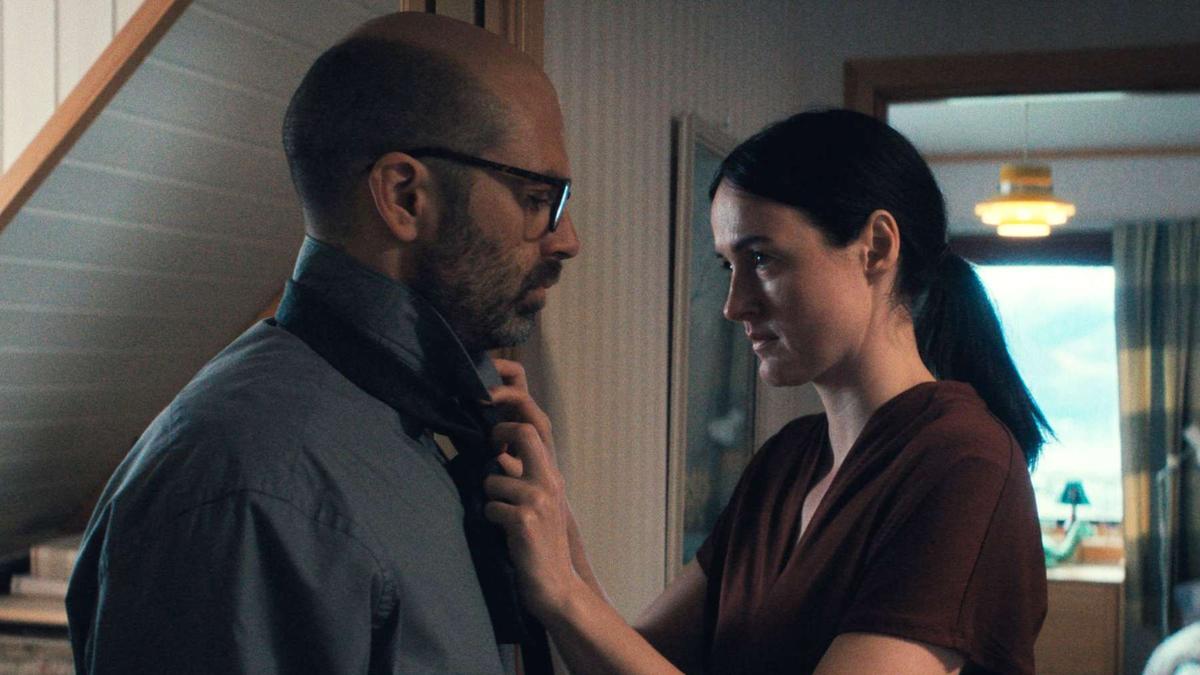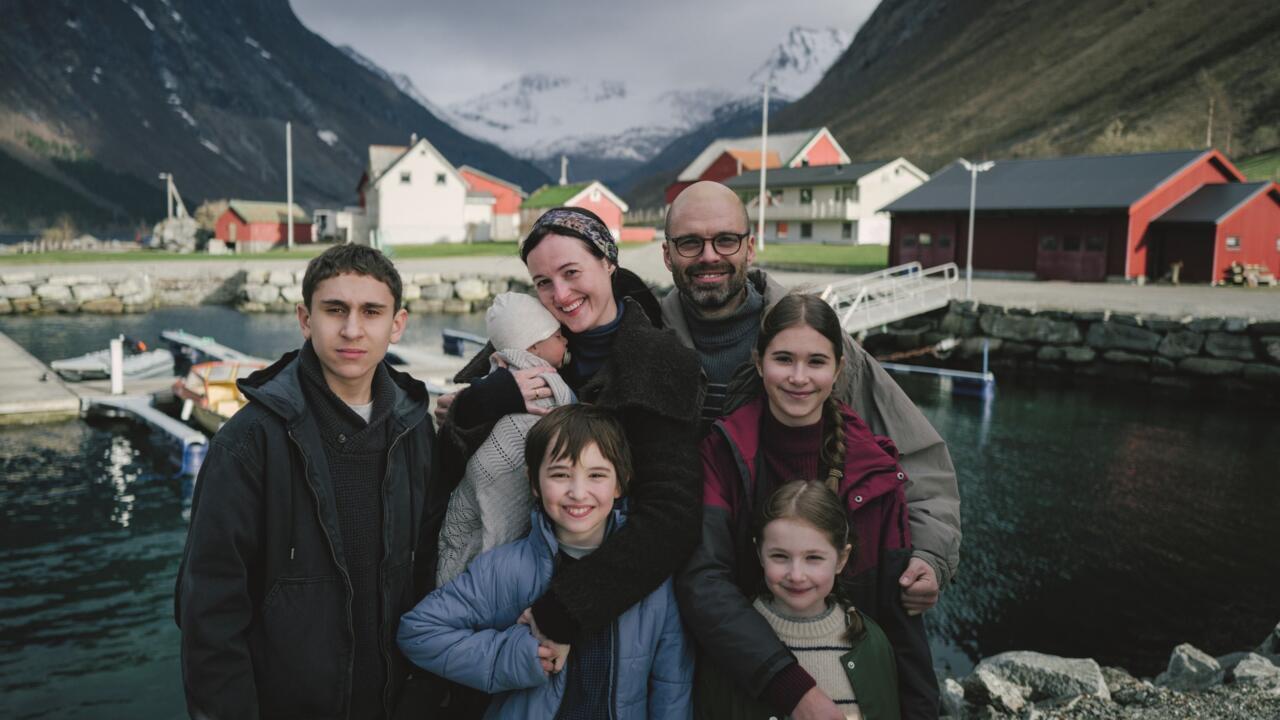
If Christian Mungiu is not already known as the enfant terrible of (eastern) European cinema, he will be when enough people have seen his Palme d’Or-winning "Fjord." Making difficult topics his specialty, Mungiu has now turned his attention to the family unit and to how far parents can be trusted, or entrusted with their children’s upbringing.
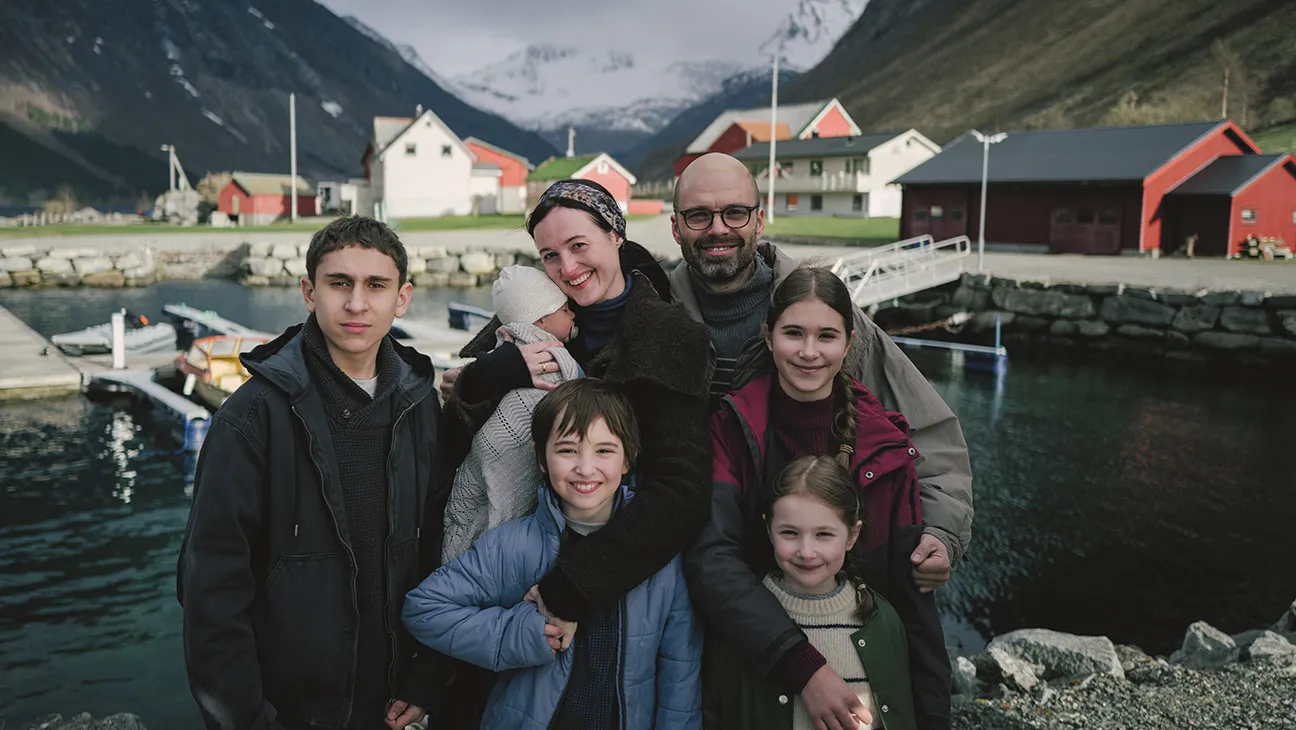
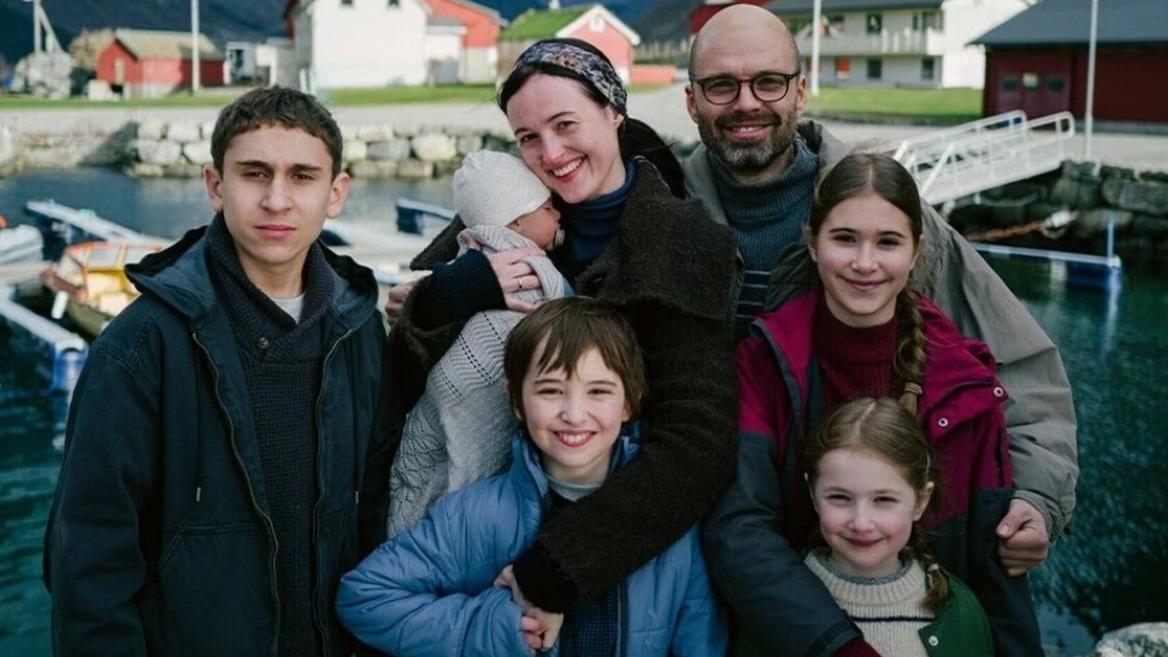
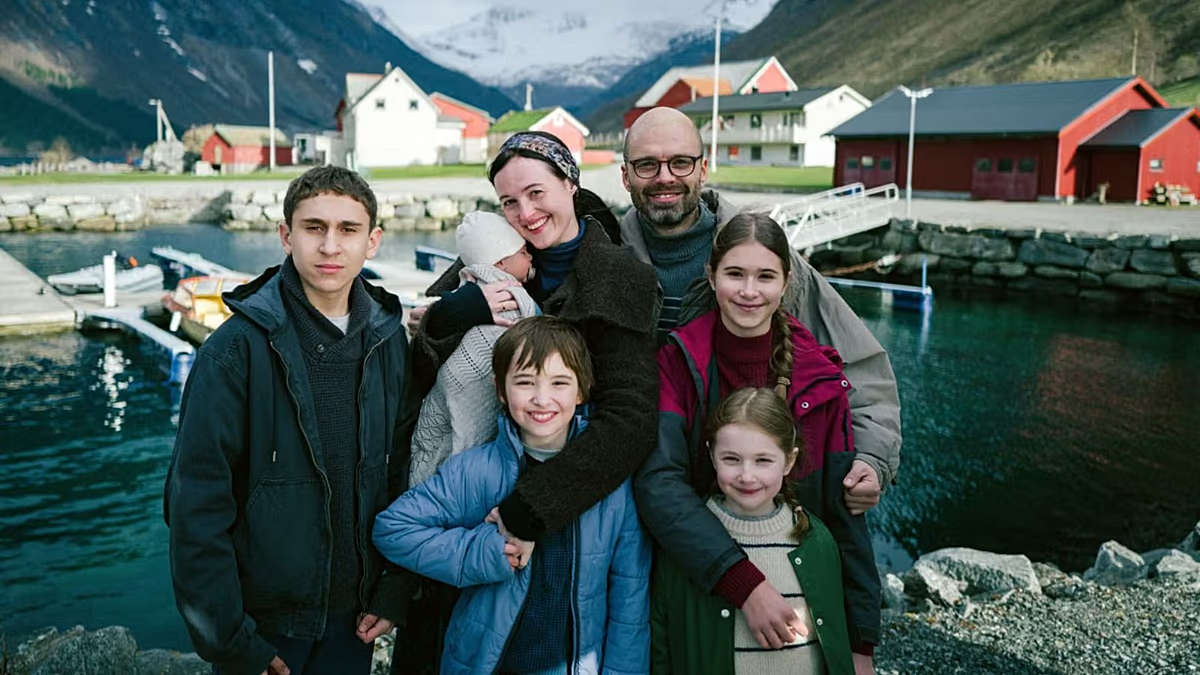
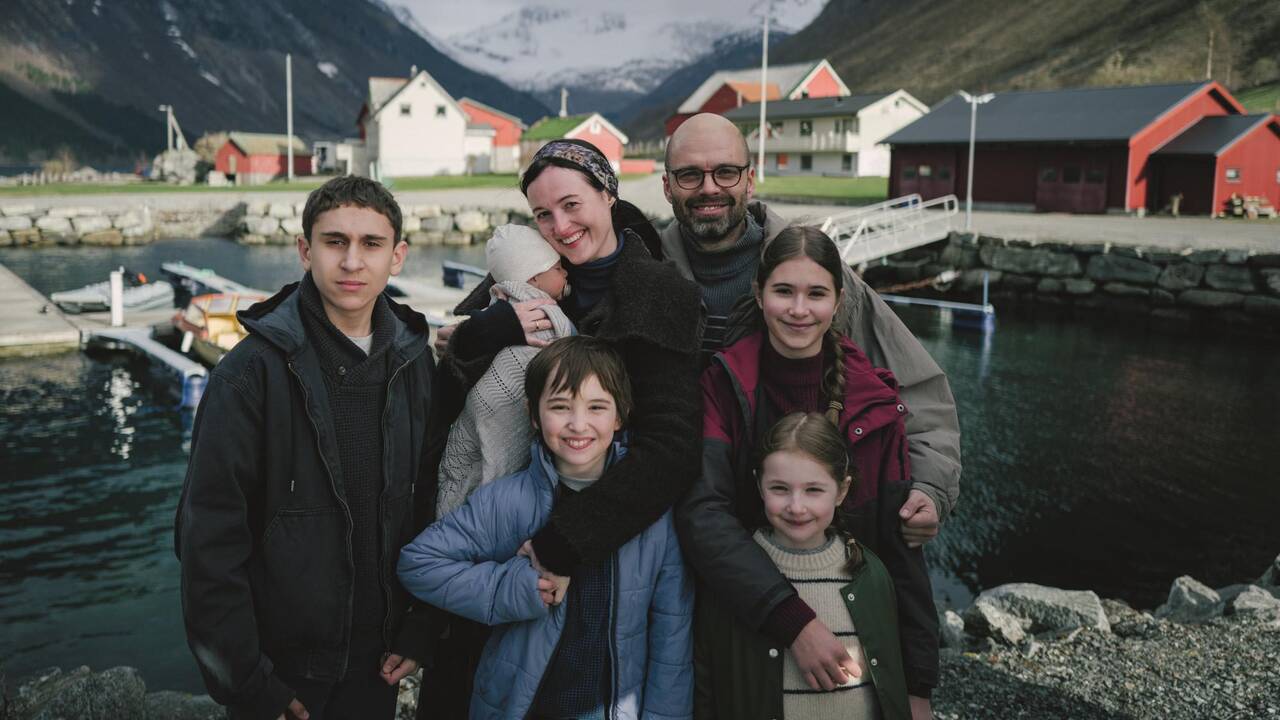
"Fjord" is about the half-Romanian, half-Norwegian, devoutly Christian Gheorghiu family with five children who relocate from Romania to Norway. Mungiu is very careful with the circumstances of the family’s relocation- the father is highly qualified, and they have not come to Norway for better job opportunities. They have come because Mihai’s parents have died and they need Lisbet’s parents’ help with the children.
We see the family settle in very quickly, and it is clear that the children have been raised to be very open with their hearts, but also with their beliefs, like their parents. Soon enough, their openness starts to get criticism: Lisbet is not to say prayers when the old people she looks after die, Mihai is not to play hymn music on the communal piano.
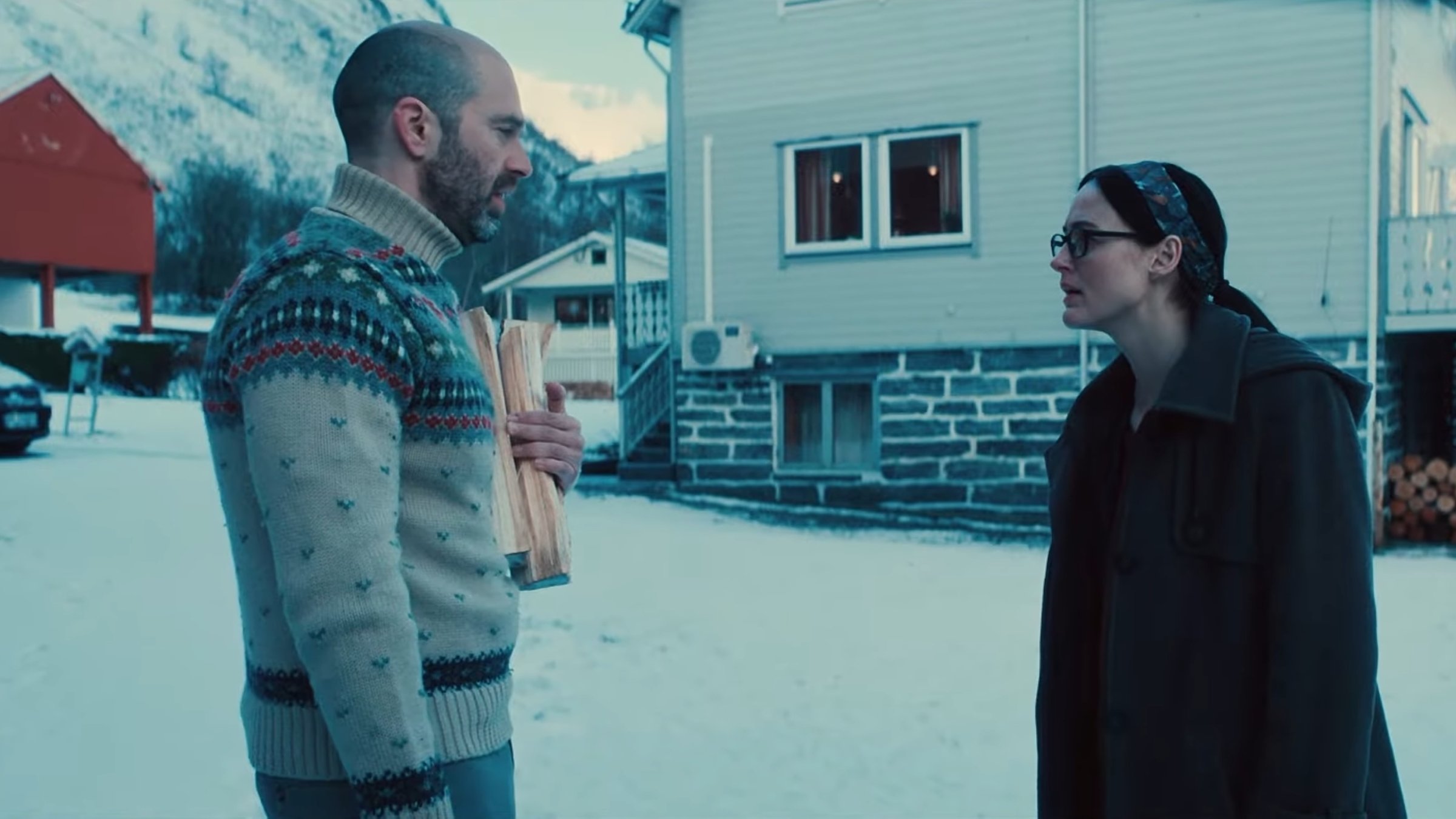
A still from the trailer for "Fjord.”
When Mungiu shows us a chaotic family scene where Lisbet is trying to feed the baby and the two early teens fight on the stairs and get smacked, I genuinely thought the film was going to be about the unraveling of a stressed mother. But it turns out that it is about the unraveling of a system that appoints rights to children only when those rights are exercised in a way that agrees with "progressive" Norwegian ideology. Only when this domestic moment is dissected in court, with photographs of the bruises, do we understand that Lisbet has pushed the children around too much. And how does this moment get to court? Because a concerned liaison officer sees the trace of the mother’s slap on the daughter’s face and coupled with the children’s religious rhetoric in class, she concludes they must be abused at home and must be taken away from their parents.