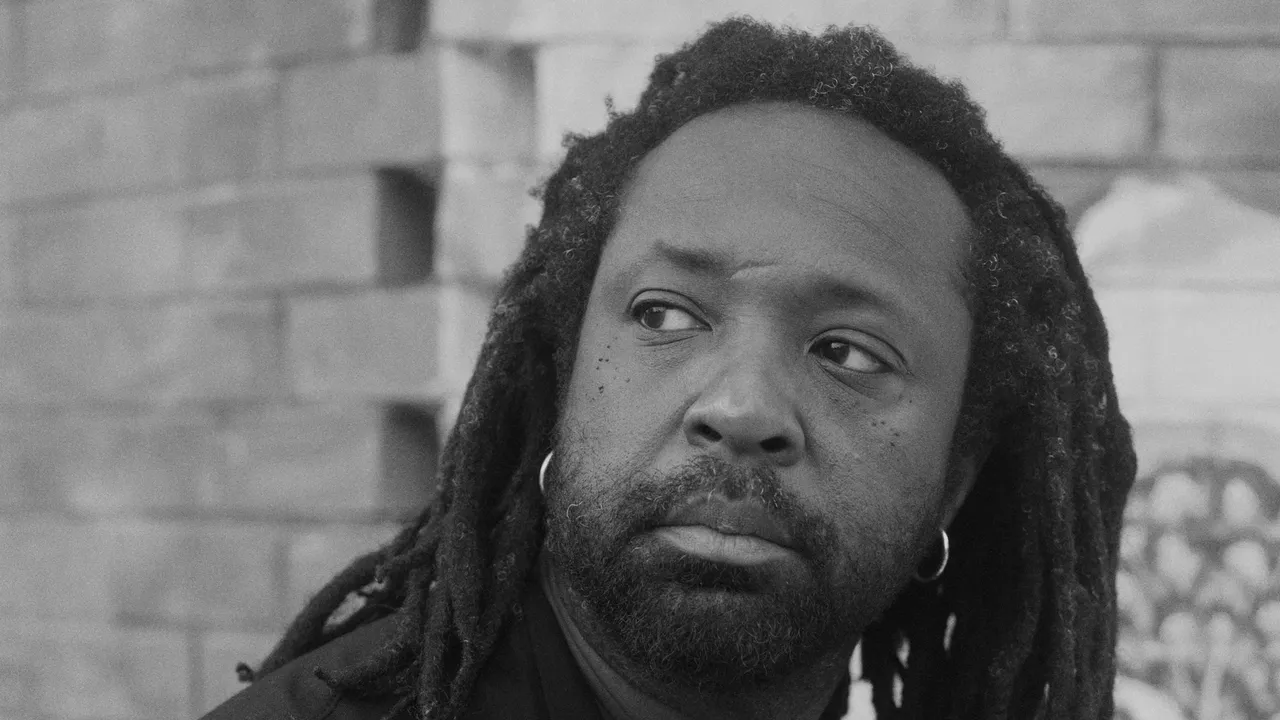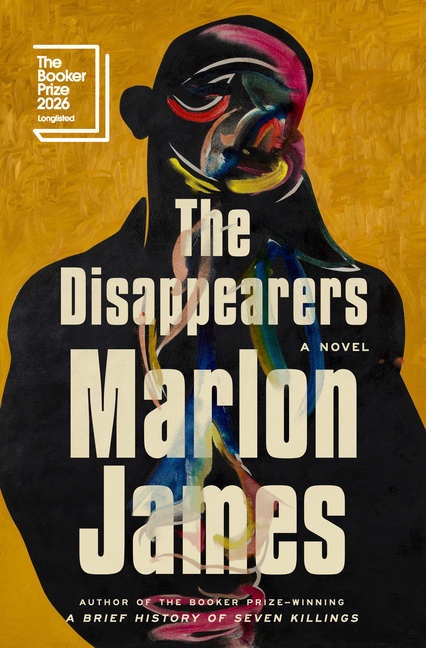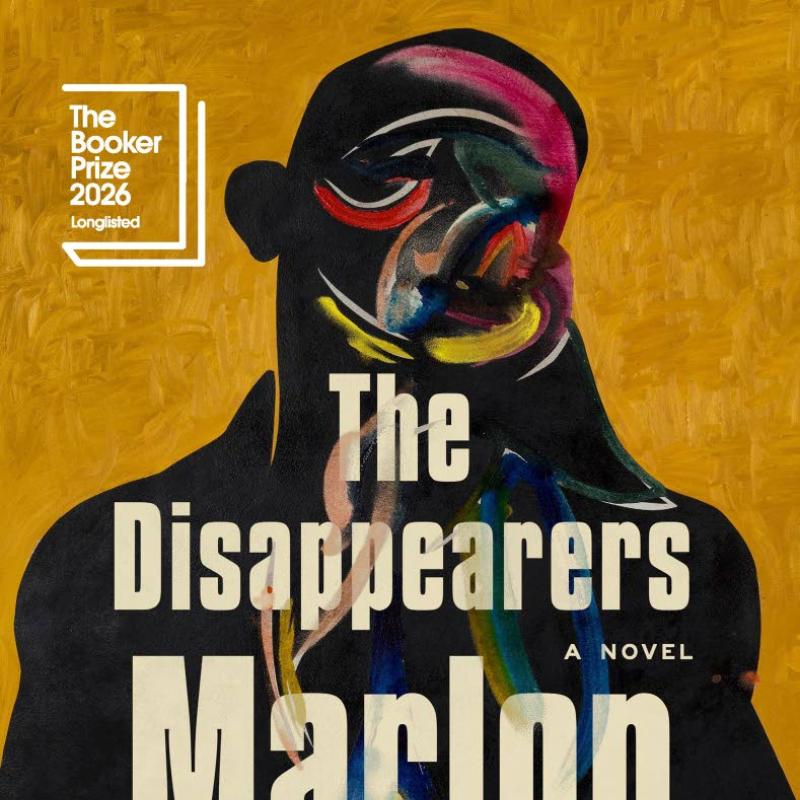
Says a narrator in Marlon James’s freshly Booker-nominated The Disappearers, “I’ve made such a terrible mess out of being a homo.”
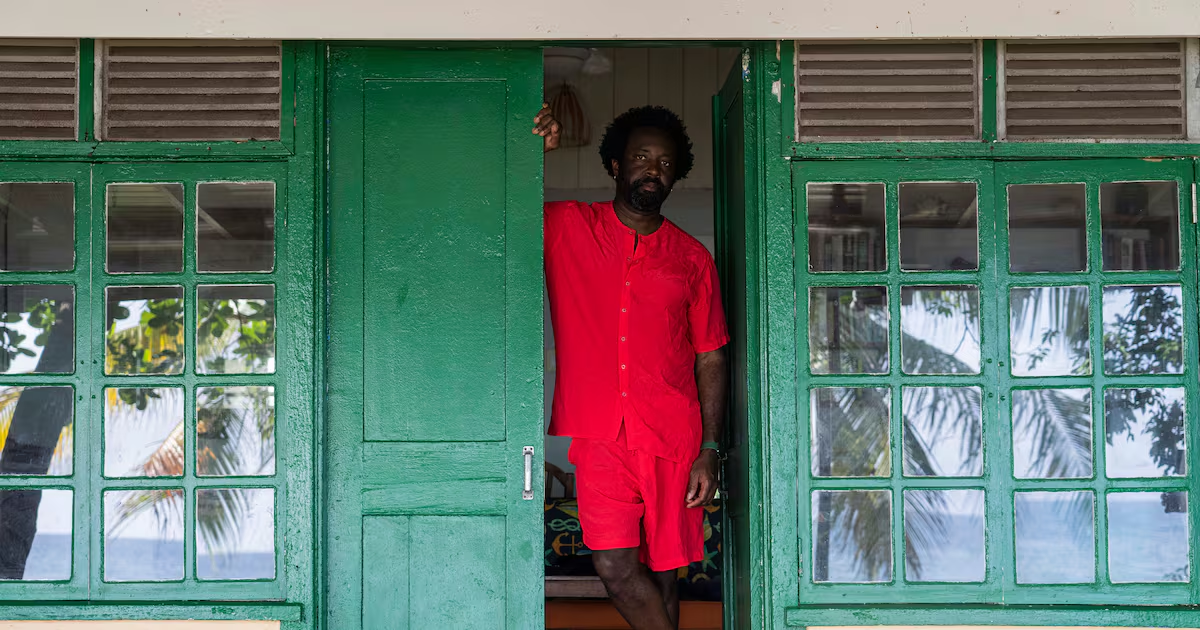
The novel’s protagonists are all gay men in ‘80s and ‘90s Jamaica; each makes similar proclamations. “But the statement is unfair,” says James from his home in Brooklyn. “It’s a statement that I think battered people, bruised people would make. There’s this idea of what a perfect homosexual is. Was he out enough? Did he sleep with enough people? Did he fight for rights?”
James has spent most of the last decade in the fantastical Dark Star Trilogy. The Disappearers, set in the smothering Kingston of his childhood, is his most personal work. “It’s not autofiction,” he specifies, “but it’s the first novel where I’m drawing so much from my life. I know that’s usually a debut novel for people. I had to wait six novels to do it.”
The result is revelatory. An unblinking portrait of gay joy and pain in a society that derides gayness at every turn. “Jesus, I don’t think about it a lot but people want to kill us,” writes 18-year-old Eddy Porteous in his journal, the book’s opening segment. “Us, I’m a part of an us that people just want to beat to death.”
James attended what he describes as a “pretty posh” high school in Kingston. “I was never physically bullied,” he says of those days. “But I didn’t need to be. Verbal bullying was enough. This pressure to conform. What does it mean when you’re the class sissy?”