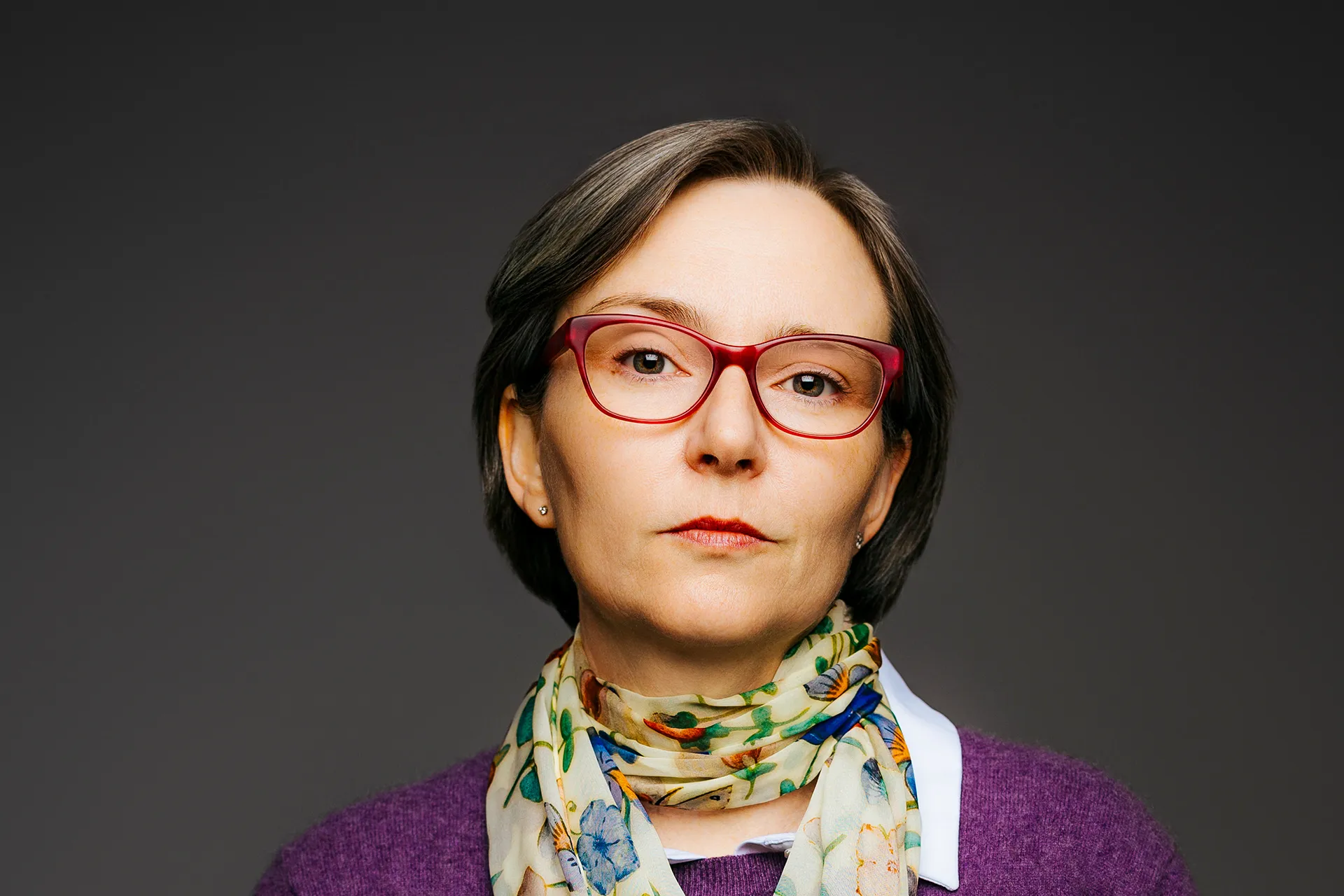
Early in Leah De Forest’s debut novel, New Yorkers pause to appreciate fat raindrops viewed from the comfortable side of a window. It’s miserable to be caught in the rain without an umbrella, but through the glass, it’s beautiful.
“And aren’t so many things?” De Forest writes in “Any Kind of Known Tomorrow,” out Sept. 15. “Beautiful not just from a distance, but from the right distance.”
The novel takes place in the surreal early days of the COVID-19 pandemic, a time of makeshift facemasks, bleach-wiping groceries, and wondering just how bad things would get. It follows four women — a daughter, a mother, and a grandmother, along with an unexpected guest — sardined in a New York City apartment during the pressure-cooker weeks of the lockdown. The book joins a growing catalog of novels that tackle that bizarre period, including Ben Lerner’s “Transcription,” Ann Patchett’s “Tom Lake,” and Gary Shteyngart’s “Our Country Friends.”
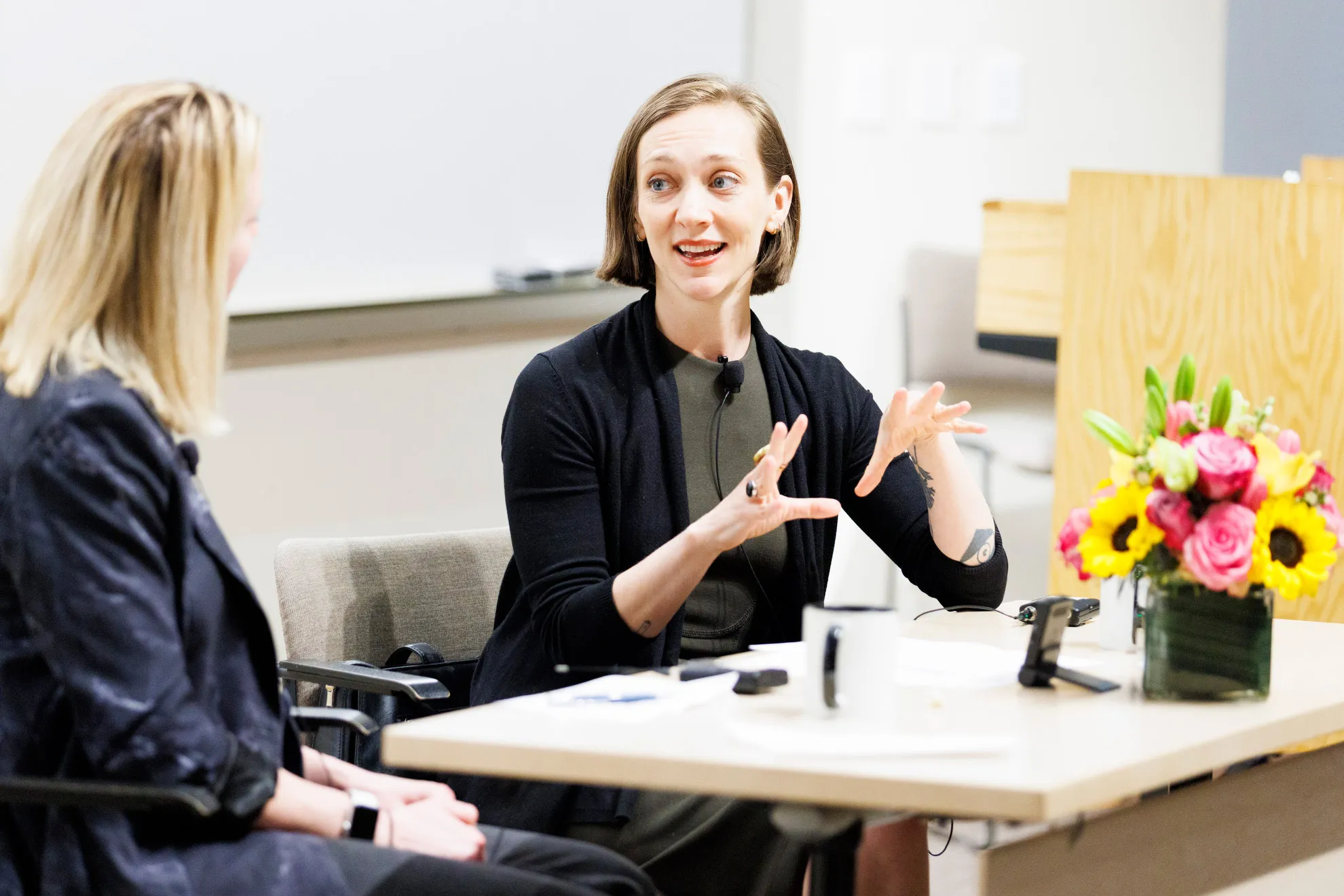
De Forest, an instructor and academic adviser at Harvard Extension School, talks about the challenges and possibilities of revisiting the pandemic in fiction. The interview was edited for clarity and length.
Gazette: What made you want to engage with the very particular moment of the early pandemic?